
Sweating is a normal body function. It helps regulate body temperature, especially during physical activity or warm weather. But some people sweat far more than their body needs.
When excessive sweating affects areas such as the underarms, hands, feet, face, or scalp, it may be a sign of hyperhidrosis. The condition can interfere with clothing choices, work, social situations, and everyday activities.
There are several ways to manage excessive sweating. Topical treatments, oral medications, procedures, and other approaches may be considered depending on the type and location of sweating.
Botulinum toxin injections are one professional treatment option. For severe primary axillary hyperhidrosis that is not adequately controlled with topical treatments, Botox is FDA-approved for adults. So, how does it actually work?
The treatment temporarily reduces the nerve signals that tell sweat glands to produce sweat in the treated area. This can significantly reduce sweating for a period of time before repeat treatment may be needed.
What Is Hyperhidrosis?
When Sweating Becomes Excessive
Hyperhidrosis is more than ordinary sweating. People with the condition can produce more sweat than necessary for cooling the body.
Primary focal hyperhidrosis commonly affects one or two areas, including:
- Underarms
- Palms
- Soles
- Face or scalp
Secondary hyperhidrosis can have a different pattern and may involve sweating across larger areas of the body. It can sometimes be associated with medications or another medical condition.
Why It Can Affect Daily Life
Excessive sweating may seem like a minor concern until it starts interfering with ordinary activities.
Someone with sweaty hands may have trouble holding a pen or using a computer mouse. Underarm sweating can make certain clothing difficult to wear comfortably. Some people also feel embarrassed or self-conscious in professional and social situations.
That is why finding an appropriate treatment for hyperhidrosis can be important for people whose excessive sweating is affecting their daily routine. The correct medical term is hyperhidrosis.
How Botox Works Against Excessive Sweating
The Role of Nerve Signals
Sweat glands respond to signals from nerves. In primary hyperhidrosis, these signals may be overactive, causing excessive sweating in specific areas. Botulinum toxin works by temporarily interfering with the nerve signals that stimulate sweat production.
When the treatment is injected into the targeted area, the affected sweat glands receive fewer signals telling them to produce sweat. The result is temporary reduction in sweating where the injections are given.
It Does Not Permanently Remove Sweat Glands
Botox treatment does not physically remove the sweat glands.
Instead, it temporarily changes the nerve communication responsible for sweat production.
Because the effect is temporary, sweating can gradually return as nerve activity recovers.
This makes the treatment different from procedures designed to destroy or remove sweat glands.
Where Botox Can Be Used for Hyperhidrosis
Underarms
Underarm sweating is one of the most established uses of Botox for hyperhidrosis.
The FDA-approved indication covers severe primary axillary hyperhidrosis in adults when topical treatments have not provided adequate results. Treatment involves multiple small injections across the affected underarm area.
Hands, Feet, and Other Areas
Dermatologists may also use botulinum toxin to treat excessive sweating affecting the hands, feet, and face. However, treatment of different body areas can involve different considerations.
For example, injections in the hands or feet may be more uncomfortable, and the provider needs to carefully consider the anatomy of the treatment area.
A professional consultation is therefore important before deciding where and how treatment should be performed.
What Happens During Botox Treatment?
The Area Is Prepared
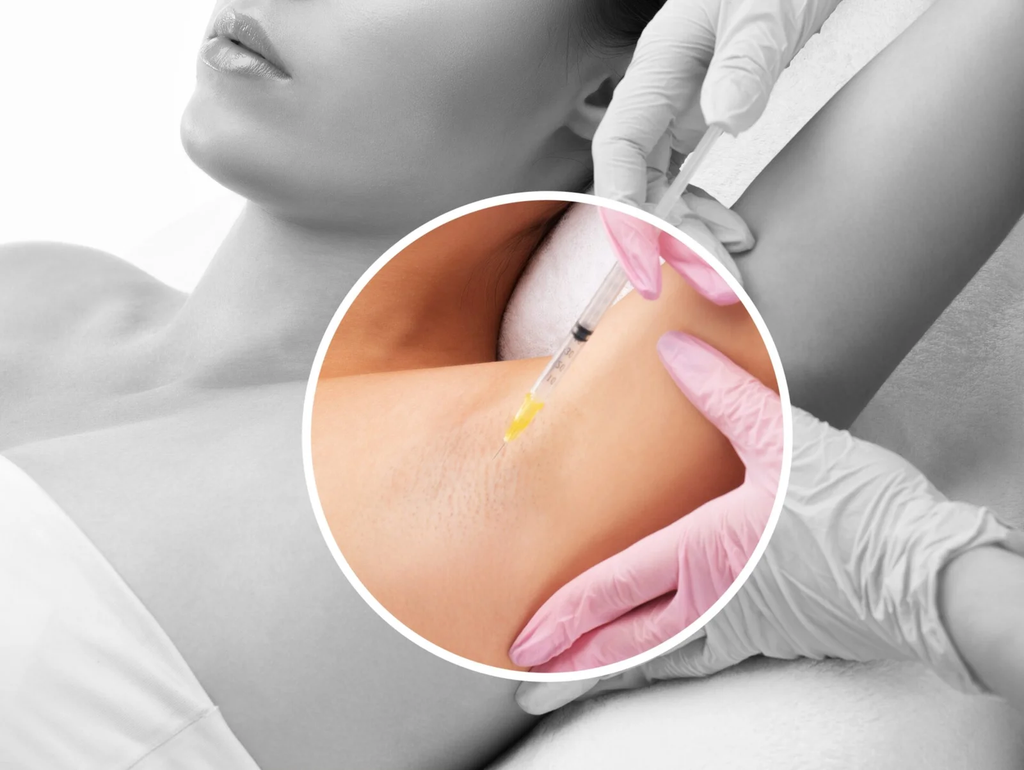
Before treatment, the provider evaluates the area and identifies where excessive sweating occurs. For underarm treatment, the injection pattern is planned across the affected skin.
The goal is to treat the area where excessive sweating occurs rather than applying the medication randomly.
Multiple Small Injections Are Used
Hyperhidrosis treatment involves multiple injections into the affected area.
The exact number and placement depend on the treatment site and clinical approach.
For underarms, FDA review documents describe numerous injections per axilla. Because several injections may be needed, some patients may experience discomfort during the procedure.
The Treatment Is Targeted
Botulinum toxin is injected into the skin where the sweat glands are located.
The medication then acts locally on nerve signaling.
This targeted approach is one reason the treatment can reduce sweating in a specific area without being intended to stop sweating throughout the entire body.
When Do Results Start Appearing?
Improvement Is Not Usually Immediate
Botox does not normally stop excessive sweating the moment the injections are completed.
According to the American Academy of Dermatology, most patients notice less sweating within about seven to ten days after treatment.
The timing can vary between individuals.
During a consultation, your provider can explain what changes you might reasonably expect and when you should evaluate the results.
Results Develop Over Time
As the treatment begins affecting nerve signaling, sweating in the treated area can decrease.
This gradual response means patients should generally follow their provider’s aftercare and avoid judging the final outcome immediately after the appointment.
How Long Can the Results Last?
Results Are Temporary
One of the important things to understand about Botox treatment is that the results are not permanent.
The American Academy of Dermatology reports that results tend to last around three to ten months for the underarms or hands, three to six months for the feet, and about four and a half months for the face. Individual results can vary.
As the effect wears off, sweating can gradually return.
Repeat Treatments May Be Needed
People who respond well may discuss future treatments with their provider when excessive sweating returns.
The timing of repeat treatment depends on the treatment area, individual response, and clinical assessment.
This makes ongoing communication with your provider useful when managing hyperhidrosis over time.
Who May Consider Botox Treatment?
People With Localized Excessive Sweating
Botox may be considered when excessive sweating is concentrated in specific areas.
It can be particularly useful when sweating interferes with normal activities or causes significant discomfort.
People Who Have Not Responded Well to Topical Options
Treatment for hyperhidrosis often begins with topical approaches such as antiperspirants. If those options do not provide enough relief, other treatments may be considered.
Botox is one possible next step for appropriate patients.
A Medical Evaluation Still Matters
Excessive sweating can have different causes.
If sweating is widespread, begins suddenly, or may be connected to a medication or another health condition, medical evaluation is important.
Treatment should address the underlying cause when secondary hyperhidrosis is suspected.
What Are the Potential Benefits?
Reduced Sweating in the Treated Area
The main purpose of Botox for hyperhidrosis is reducing excessive sweating where it is injected.
For someone with significant underarm sweating, this may mean less visible wetness and fewer disruptions to everyday activities.
More Confidence With Everyday Activities
Reducing excessive sweating may make certain daily situations easier.
People may feel more comfortable wearing different clothing, working with their hands, or participating in social situations.
The goal is not simply cosmetic. Hyperhidrosis treatment is intended to reduce sweating that interferes with daily life.
A Nonsurgical Treatment Option
Botox injections do not require surgical removal of sweat glands.
For appropriate patients, this provides another option between topical treatments and more invasive approaches.
What Are the Possible Side Effects?
Temporary Injection-Site Effects
As with other injections, treatment can cause temporary effects.
The American Academy of Dermatology lists possible side effects including pain, bruising, headache, muscle soreness or weakness near the injection area, and mild itching.
Your provider should explain the potential risks associated with the specific treatment area.
Treatment Area Matters
Side effects can vary depending on where injections are performed.
For example, treating the hands requires particular attention to nearby muscles and nerves.
This is another reason to have treatment performed by an appropriately qualified medical professional who understands the anatomy of the treatment area.
Comparing Botox With Other Hyperhidrosis Options
Topical Antiperspirants
Antiperspirants are often used as an initial treatment option.
They temporarily block sweat glands and can help people with mild hyperhidrosis. Some patients may need prescription-strength products when nonprescription options are not sufficient.
Oral Medications
Certain oral medications may be considered when other treatments do not work well enough or when sweating affects multiple areas.
These medications affect sweating throughout the body and may have systemic side effects, so they require appropriate medical guidance.
Other Procedures
Other treatment options include iontophoresis, microwave thermolysis for underarm sweating, and in selected cases, surgery.
There is no single treatment that is right for every person. The American Academy of Dermatology recommends an individualized approach based on the type of hyperhidrosis, symptoms, affected areas, and patient preferences.
Choosing Hyperhidrosis Care in Mount Kisco
Start With an Individual Assessment
People researching Hyperhidrosis Treatment in Mount Kisco should begin by understanding the cause and pattern of their excessive sweating.
A consultation can help determine:
- Where sweating occurs
- How often it happens
- How much it affects daily activities
- Previous treatments
- Whether another medical issue may be involved
This information can help guide the treatment discussion.
Ask About the Treatment Approach
Before receiving Botox, ask your provider about the procedure itself.
Useful questions include:
- Is Botox appropriate for my condition?
- Which areas can be treated?
- How many injections may be needed?
- When should I expect improvement?
- How long might the results last?
- What side effects should I watch for?
Clear answers can help you understand what the procedure involves.
Consider Experience With Hyperhidrosis
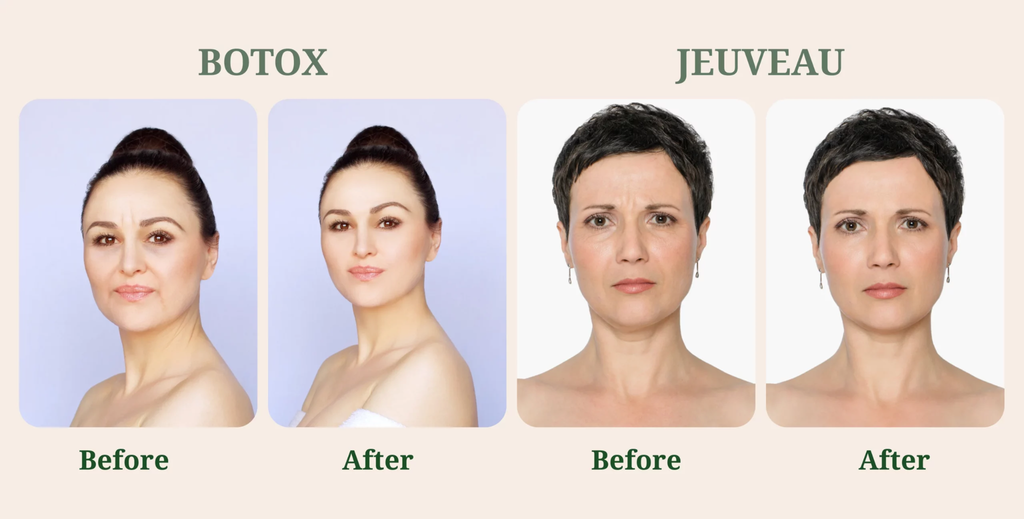
Someone looking for Botox® in Mount Kisco should consider a provider who understands that hyperhidrosis treatment is different from cosmetic Botox procedures.
The goal is to address excessive sweating using an appropriate medical treatment plan rather than simply applying a cosmetic injection technique.
Preparing for Your Appointment
Share Your Medical Information
Tell your provider about medications, supplements, previous treatments, and relevant medical conditions.
The American Academy of Dermatology specifically recommends discussing medications before hyperhidrosis evaluation and treatment.
Complete information helps the provider assess whether treatment is appropriate.
Discuss Medications That May Affect Bruising
The AAD notes that certain medications and supplements, including aspirin, some anti-inflammatory medications, and vitamin E, may affect bruising or bleeding risk. Patients should discuss these with their provider rather than stopping anything on their own.
Your provider can give you specific instructions based on your circumstances.
Is Botox the Right Choice for You?
Treatment Decisions Should Be Individual
Botox can be an effective option for some people with excessive sweating, but it is not automatically the right treatment for everyone.
The decision depends on:
- Type of hyperhidrosis
- Treatment area
- Severity
- Previous treatment results
- Personal preferences
A professional evaluation can help determine whether Botox fits your needs.
Think Beyond the Name of the Treatment
Searching for Botox treatment may provide many results, but the procedure should not be selected simply because it is widely known.
The important question is whether the treatment is suitable for your specific sweating pattern.
A personalized discussion is more useful than choosing a procedure based on general online information.
Final Thoughts
Hyperhidrosis can affect much more than the amount of sweat a person produces. When excessive sweating interferes with clothing, work, social activities, or everyday tasks, seeking treatment can be a meaningful step.
Botox works differently from traditional cosmetic applications when it is used for excessive sweating. It temporarily reduces the nerve signals that stimulate sweat glands in the treated area. Results typically develop within days and remain temporary, with duration varying by treatment area and individual response.
For people considering Botox® for hyperhidrosis treatment, the first step should be a professional assessment. Understanding the cause, affected areas, available options, and expected results can help you make an informed decision.
Those researching hyperhidrosis in Mount Kisco can discuss their concerns with a qualified medical provider and determine whether Botox or another treatment approach is appropriate.
FAQs
How does Botox reduce excessive sweating?
Botox temporarily blocks nerve signals that stimulate sweat glands in the treated area. With fewer signals reaching those glands, sweat production decreases. The effect is temporary, so sweating can gradually return.
How quickly does Botox work for hyperhidrosis?
Many patients notice reduced sweating within about seven to ten days after treatment. The exact timing can vary between individuals and treatment areas, so your provider can explain what to expect.
How long does Botox for sweating usually last?
Results vary by treatment area and individual response. The American Academy of Dermatology reports that underarm or hand results may last three to ten months, while foot results commonly last three to six months.