
Fibre is having a moment in 2026 — the trend is called “fibremaxing”, and it is exactly what it sounds like: deliberately pushing your daily fibre intake towards a higher goal, usually around 30 grams, so your gut gets the raw material it needs to work well.
Think of fibre as the fuel for your gut microbiome. It feeds the helpful bacteria, keeps digestion regular, supports steady blood sugar, and even helps with cholesterol and weight management. Fibre is not about eating salads all day; it is about giving your gut consistent, varied plant foods.
What Is Fibremaxing?
Fibremaxing means intentionally eating more fibre through food so your gut bacteria get more of what they need. It is not a diet or a detox — it is simply a target.
The trend started in the US and the UK and has reached India quickly, partly because our food is already built for it. Dal, millets, sabzi and fruit make it easier here than almost anywhere else.
Why Fibre Matters More Than You Think
Fibre does more than prevent constipation. Here is what it actually does for you:
- It feeds your microbiome: Fibre is the main food for good gut bacteria. Without enough of it, they cannot produce short-chain fatty acids that keep your gut lining healthy.
- It keeps digestion regular: Insoluble fibre adds bulk to your stool and helps it move through smoothly.
- It helps with cholesterol and blood sugar: Soluble fibre slows down digestion, so glucose enters your blood more gradually and cholesterol is absorbed less.
- It keeps you full: Fibre adds volume to your meal without many calories, so you stay satisfied longer.
A high-fibre diet is linked to better digestion, stronger gut bacteria, lower risk of constipation, and steadier energy. It also slows digestion, so you feel full for longer — useful if you often feel hungry an hour after lunch. Many Indians eat plenty of food but still miss the fibre target because refined grains and low-fibre snacks crowd out whole foods.
How Much Fibre Do You Actually Need?
Most adults in India are advised to aim for around 25–30 grams of fibre a day, with men at the higher end and women at the lower end. Children need less, and older adults benefit from the same target as long as it builds up slowly.
- Soluble fibre: Found in oats, dal, fruits and psyllium. It slows digestion and helps manage cholesterol and blood sugar.
- Insoluble fibre: Found in whole wheat, bran and vegetables. It adds bulk and keeps things moving.
- Resistant starch: Found in cooled rice, cooked-and-cooled potatoes and underripe bananas. It feeds good bacteria like a prebiotic.
You do not need a separate source for each type. A normal Indian diet — dal, roti, sabzi, rice, salad and fruit — covers all three when you choose whole, unrefined options.
The Best Indian Foods for Fibre
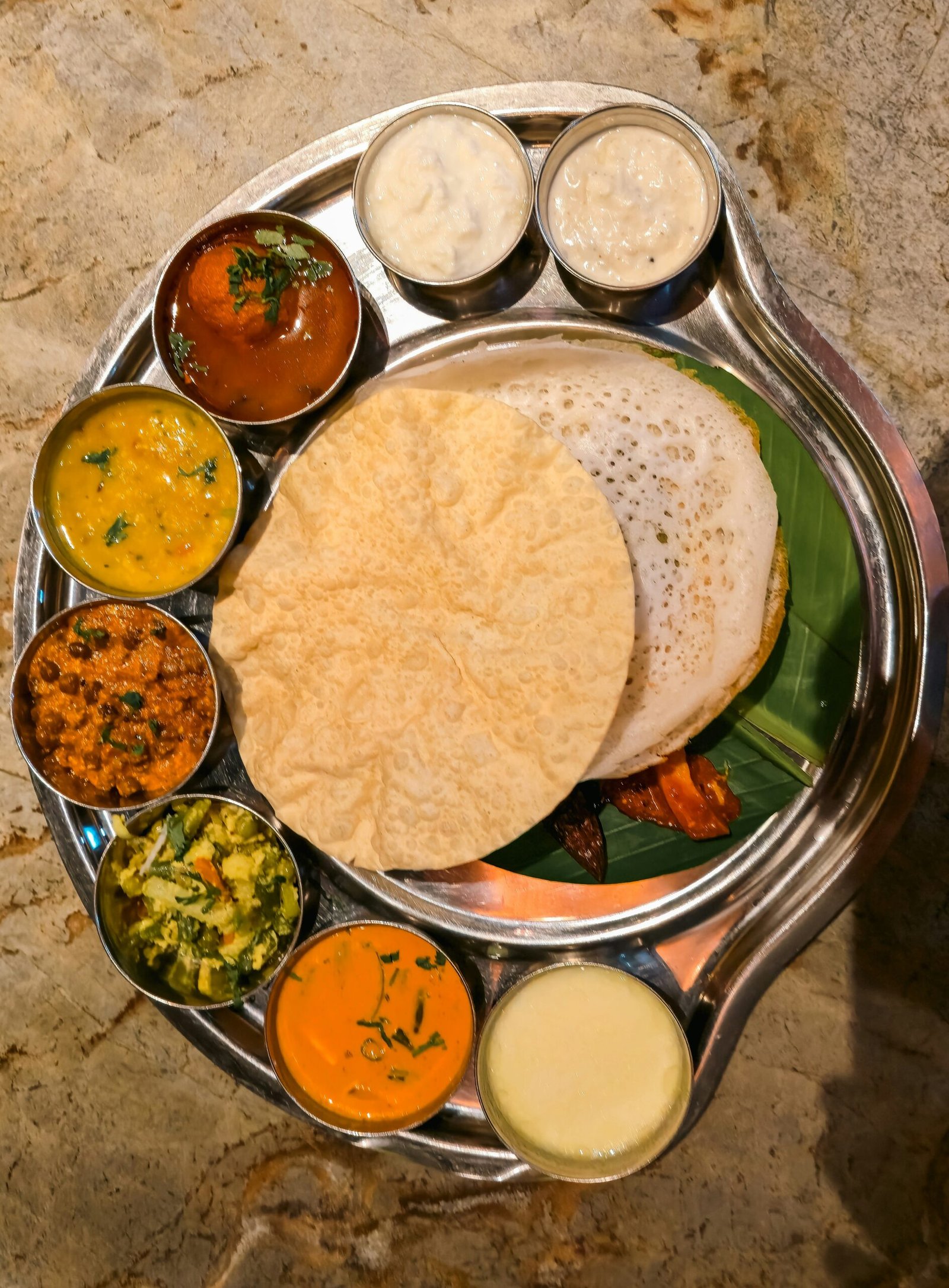
The good news is that your kitchen already has everything you need. You are not hunting for imported seeds or expensive powders; the highest-fibre foods are the ones your family has cooked for decades.
| Food | Serving | Fibre |
|---|---|---|
| Toor dal (cooked) | 1 cup | 6–7 g |
| Rajma (cooked) | 1 cup | 6–7 g |
| Chole (cooked) | 1 cup | 6–7 g |
| Jowar roti | 1 roti | 2 g |
| Whole wheat roti | 1 roti | 2 g |
| Guava | 1 medium | 5 g |
These numbers vary a little by recipe, but the picture is clear: a dal + roti + sabzi + fruit day reaches 30 grams easily, without supplements.
A Simple 30g Day — No Supplements Needed
You can hit 30 grams with food alone, and you can do it on a normal Indian plate. Here is a practical routine, not a strict diet plan.
- Dal: 1 cup of cooked dal at lunch and dinner = 12–14 g.
- Rotis: 2 jowar or whole wheat rotis = 4 g.
- Sabzi: 1 cup of cooked vegetables = 3–4 g.
- Fruit: 1 guava or 1 amla = 5 g.
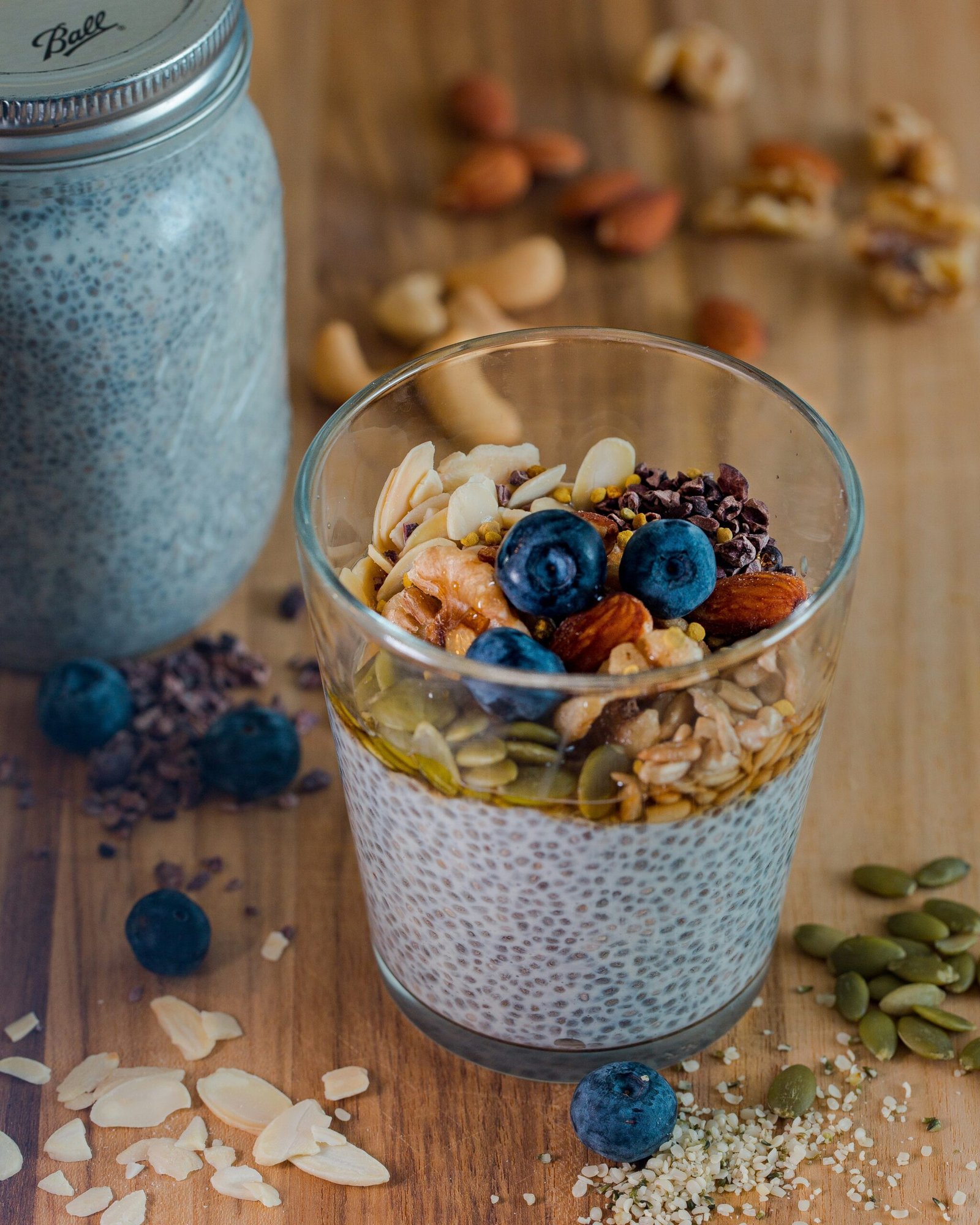
- Seeds: 1 tablespoon of flaxseeds or chia seeds in curd, buttermilk, or soaked overnight = 5 g.
Add a glass of water with each meal, and you have a gut-friendly day.
Breakfast (Start Strong with Millets and Fruit)
Start with 1 jowar roti or a bowl of ragi porridge. Pair it with 1 guava or a banana. Add a spoon of soaked chia or flaxseeds to curd if you like. This gives you 8–10 g of fibre before 9 am.
If you prefer toast, use whole wheat bread and top it with peanut butter and sliced banana. Avoid white bread — it gives you almost no fibre.
Lunch (Add a Fibre Anchor)
Keep your regular thali, but make one change: add a filling fibre anchor. That can be 1 cup of dal + 1 big bowl of salad (cucumber, carrot, beetroot) + 2 rotis. Add a handful of sprouted moong if you want more.
The salad matters more than people think. Two raw vegetables in a bowl add about 3 g of fibre and help you feel full without adding calories.
Dinner (Light, Early and Fibre-Rich)
Keep dinner light and early. A bowl of khichdi made with moong dal and vegetables or a bowl of mixed vegetable sabzi + 1 roti works well. Finish with a small bowl of curd so your gut gets both fibre and probiotics.
Keep dinner at least 2–3 hours before bed so digestion does not disturb your sleep.
Snacks and Drinks That Actually Help
Do not rely on packets. If you want a snack, choose one of these instead.
- Roasted chana: A handful gives you about 5 g of fibre.
- Makhana: Light and crunchy, with about 2 g per cup.
- Amla: One amla gives you about 4 g of fibre and a big dose of vitamin C.
- Buttermilk with flaxseeds: A glass of chaas with 1 tablespoon of flaxseeds gives you 5 g of fibre and keeps you hydrated.
These snacks are cheap, available everywhere, and do not spike your blood sugar the way biscuits do.
The Bloating Problem — Real Talk
If you jump from 10 g to 30 g in a day, you will feel bloated. That is not a sign that fibre is bad for you; it is a sign that your gut bacteria are not used to it. Start from where you are now and add 5 g a week for about 3 weeks.
Drink water with each meal — without water, fibre can make constipation worse. If you still feel heavy after 2–3 weeks, reduce the jump and increase more slowly.
Most people feel better in 2–3 weeks. The gut adapts, and the bloating settles if the increase is gradual.
Common Mistakes That Undo the Good Work
- Adding fibre without water: Water is not optional; fibre needs it to soften.
- Relying on one food: A single source does not cover all fibre types. Mix grains, legumes, vegetables and fruit.
- Using supplements first: Powders and pills give you fibre, but they skip the meals that also give you protein, iron and vitamins.
- Skipping meals: Skipping meals usually means skipping your fibre target too.
Treat fibre as a daily habit, not a one-week challenge.
Who Should Be Careful with a Sudden Fibre Jump?
If you have IBS, ulcerative colitis, or another gut condition, check with your doctor before making a big jump.
A slow increase works for most people, but a diagnosed gut condition needs a personal plan, not a general article.
Frequently Asked Questions
Q: Is 30g of fibre a day too much?
No, 30 grams is a healthy target for most adults. Go slowly if you are starting from a low-fibre routine.
Q: Can I hit 30g of fibre without supplements?
Yes. Dal, rotis, sabzi, salad, fruit and seeds add up to 30 grams on a normal Indian plate.
Q: Which Indian food has the highest fibre?
Rajma, chole, guava and millets top the list, along with sprouted moong and whole wheat rotis.
The Bottom Line
Fibremaxing does not need imported superfoods. Dal, jowar, guava, sabzi and seeds on your regular plate will quietly get you to 30 grams a day — and your gut will thank you for it.
Disclaimer: This article is for general information only and is not a substitute for medical advice. Consult a doctor or registered dietitian before changing your diet, especially if you have a gut condition, are pregnant, or take medication.