
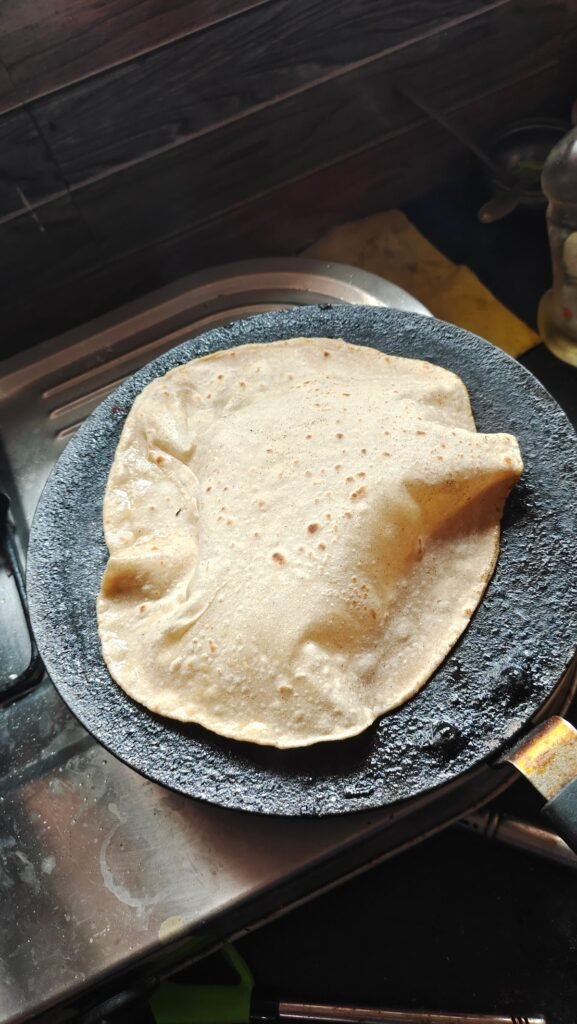
Ask anyone in Punjab what winter tastes like and the answer is always the same: a thick, golden makki ki roti with white butter melting on top and a bowl of sarson ka saag beside it. The makki ki roti benefits go well beyond that comfort, though. This is one of the few traditional Indian breads made with no wheat at all — just maize flour, water and heat — bringing steady energy, fibre and warmth to the coldest months.
What Is Makki Ki Roti, Really?
Makki ki roti is a flatbread made from makki ka atta — maize or corn flour. With no gluten, the dough does not stretch; it is patted out by hand, cooked on a hot tawa, and finished with ghee or white butter. It is thicker and more rustic than a chapati, with a faintly sweet taste.
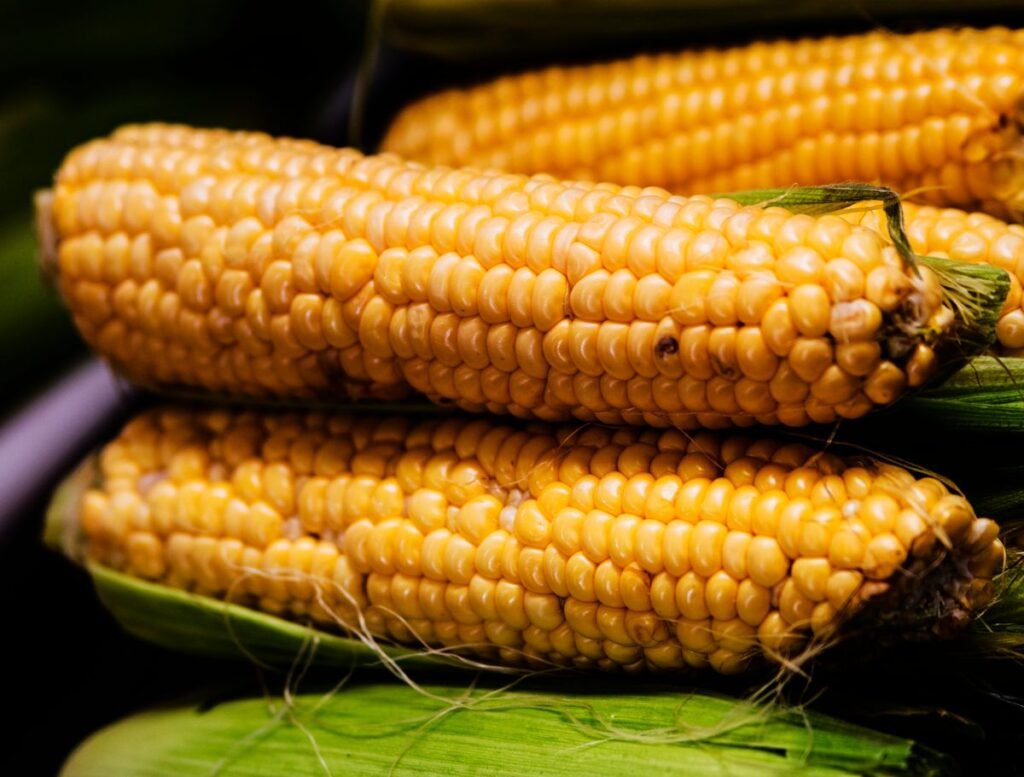
It is a winter food because maize is harvested in the cold months in north India, and the roti is heavy, warming food for cold days. Whole-grain maize flour keeps the bran and the germ of the kernel, where most of the fibre, B vitamins, vitamin E and minerals sit. A recent review of dry-milled corn and health found whole-grain corn products keep far more of these nutrients than refined, degermed cornmeal — so buy whole-grain makki ka atta and keep it in an airtight dabba.
Makki Ki Roti Benefits: 7 Reasons to Eat It in Winter
Here are the seven makki ki roti benefits that matter most in the cold months.
1. Naturally gluten-free energy
Maize has no gluten at all, which makes makki ki roti an easy traditional bread for people who cannot eat wheat — including those with coeliac disease. For everyone else, the makki ki roti benefits are simpler: a different grain, a different set of nutrients, and a break for a gut that eats wheat three times a day.
2. Fibre that keeps the gut happy
Whole maize flour is a solid source of fibre — about 7 to 9 grams per 100 grams. That fibre adds bulk, keeps food moving and feeds the good bacteria in the gut. In winter, when heavy food and less movement slow digestion down, a fibre-rich roti helps more — our guide to millets for gut health makes the same point about ragi, jowar and bajra.
3. Kinder blood sugar than white bread
Makki ki roti is a complex carbohydrate: its starches break down slowly, so blood sugar rises gently. That makes it a better daily bread than white bread for people watching their sugar, as long as portions stay sensible. It is not a free pass: two or three rotis with extra ghee will still push sugar up. For portion ideas and a full day plan, see our Indian diabetes diet chart.
4. A heart-friendly food
Maize flour is naturally low in fat and free of cholesterol, and its fibre helps pull LDL cholesterol down, as whole grains do. It also brings potassium, which helps balance salt’s effect on blood pressure. That is one of the quieter makki ki roti benefits: it will not replace medicine, but as a regular winter bread it points the diet in the right direction.
5. Keeps you full for hours
One makki ki roti is dense and filling in a way a thin chapati is not. The fibre and slow carbs hold hunger for three or four hours — a lunch of makki roti and saag keeps farmers and outdoor workers going till evening. For weight loss, that fullness is one of the most practical makki ki roti benefits — one roti with saag and curd beats two chapatis and a snack an hour later. Just watch the butter on top: the roti itself is light, the ghee is where the calories pile up.
6. Magnesium for bones and muscles
Maize flour brings a useful amount of magnesium, which helps muscles relax, supports bone strength and plays a role in energy production. Winter stiffness and cramps are common when days are cold and movement drops, and magnesium-rich foods are an easy way to top up. It will not fix a real deficiency on its own, but as part of a varied diet it counts.
7. Warmth and steady winter energy
Makki is warming, dense fuel: slow carbs that release energy over hours, not minutes. That is why it has always been winter food in Punjab — a roti in the morning, work in the fields, no mid-morning slump. With saag and a glass of buttermilk, it is a complete winter meal, not a side dish.
How to Make Makki Ki Roti at Home
You need fresh makki ka atta, warm water, a little salt and a hot tawa. Take one cup of flour, add salt, and knead with warm water a little at a time till you get a soft, crack-free dough. Wet your palms, take a ball of dough and pat it out gently on a greased surface — no rolling pin, the dough will split. Lift it onto a medium-hot tawa, cook till brown spots appear, flip, and press lightly. Finish with a small dollop of ghee or white butter. Make the dough in small batches — it dries out fast.
How Much Makki Ki Roti Should You Eat in a Day?
For most adults, one to two rotis at a meal is right. One roti from about 40 to 50 grams of flour carries roughly 150 to 180 calories before the ghee. Two rotis with saag and curd make a full lunch; three or four turn a healthy bread into a heavy meal. The makki ki roti benefits are best at this one-or-two level, not at four-a-day.
Best Pairings for Makki Ki Roti
The classic partner is sarson ka saag — the two were made for each other, and the saag adds iron, calcium and greens. Curd or buttermilk is the second-best partner: cool, light dairy that balances the heavy roti and helps digestion. A small piece of gud with white butter is the old Punjabi dessert version. Pickle and green chutney work too. Skip the fried snacks and let the roti and saag do the work.
Who Should Be Careful With Makki Ki Roti?
It is safe for most people, but three groups should take note. If you have weak digestion or IBS, know that it is harder to digest than a wheat chapati — start with one small roti, eat slowly, and pair it with curd or buttermilk rather than eating it dry. If you have diabetes, watch the portion and the ghee: one or two rotis with saag is fine, but check your sugar the first few times. And anyone can overdo the topping — keep the butter to a thin spread. None of this cancels out the makki ki roti benefits — it just means portion and pairing matter.
Frequently Asked Questions
Is makki ki roti good for diabetes?
In sensible portions, yes — the slow carbs and fibre mean a gentler blood sugar rise than white bread. Stick to one or two rotis with saag and curd, keep the ghee light, and check your sugar.
Is makki ki roti gluten-free?
Yes, completely. Maize contains no gluten, so makki ki roti is naturally gluten-free and safe for coeliac disease — just make sure the flour is not mixed with wheat flour.
How many makki ki roti can I eat in a day?
One to two rotis at a meal is right for most adults — that is the portion where the makki ki roti benefits show without the heaviness. More than that, especially with lots of butter, adds a lot of calories and can feel heavy.
Is makki ki roti good for weight loss?
It can help — the fibre keeps you full, so you snack less. One roti with saag and curd is filling and moderate. Keep the butter to a teaspoon and it stays light.
Why does makki ki roti crack while making it?
With no gluten, the dough does not stretch like wheat dough. Use warm water, wet your palms, pat it out gently instead of rolling it, and work in small batches so it does not dry out.
The Bottom Line
Makki ki roti is proof that winter food in Punjab was worked out long before nutrition labels existed: a gluten-free, fibre-rich bread that keeps you full and warm through the cold months. Make it fresh, keep the portion to one or two, pair it with saag and curd, and go easy on the butter. The makki ki roti benefits are real — and they taste best with white butter melting on top.
Disclaimer: This article is for general information only and is not medical advice. If you have diabetes, coeliac disease, IBS, or any health condition, consult your doctor before changing your diet. Food amounts here are general guidance only.