
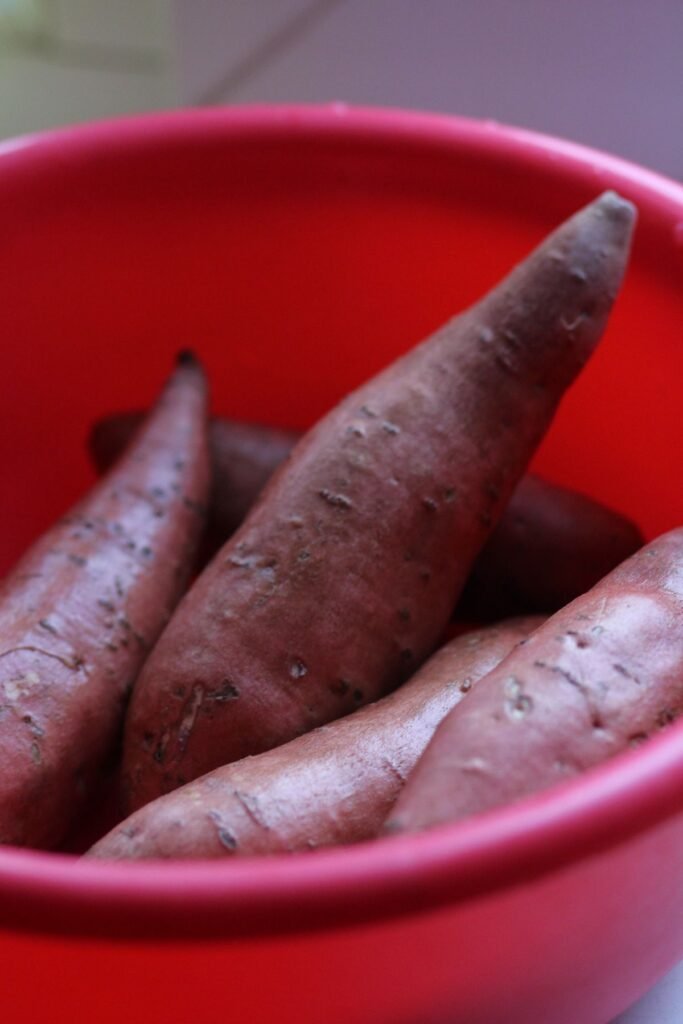
On a cold December evening in Delhi, the cart smells of wood smoke and lemon. The vendor pulls a shakarkandi out of the coals, splits it open, and squeezes lemon over the orange flesh with a pinch of chaat masala. It costs twenty rupees and tastes like winter itself. What most people don’t know is that the sweet potato benefits hidden in that humble root go far beyond comfort food. Shakarkandi is one of the most nutrient-packed foods you can buy from a street cart, and it deserves a regular place on your plate.
What Is Shakarkandi, Really?
First, a small correction: shakarkandi is not a potato at all. The regular potato belongs to the nightshade family, while the sweet potato (Ipomoea batatas) comes from the morning glory family — the same family as the morning glory vine.
What makes shakarkandi special is its colour: the deep orange flesh is packed with beta-carotene, the pigment your body turns into vitamin A. A 100-gram serving of cooked sweet potato gives you over 14,000 IU of vitamin A — more than double the daily need for most adults. Harvard’s Nutrition Source on sweet potatoes lists it among the healthiest vegetables. Along with vitamin A, you get around 3 grams of fibre, potassium, some vitamin C, and about 90 calories per 100 grams. It is sweet, filling, and far more nutritious than its price suggests.
Sweet Potato Benefits: 7 Reasons to Eat Shakarkandi
Here is what that orange flesh actually does for you — the sweet potato benefits that make shakarkandi worth eating all winter.
1. Sharper eyes and better night vision
Vitamin A is the nutrient your eyes run on. It keeps the cornea clear and helps your eyes adjust in dim light. People who don’t get enough vitamin A often notice trouble seeing at dusk first. One medium shakarkandi covers your daily vitamin A needs several times over, which makes it one of the simplest foods for eye health.
2. Stronger immunity in winter
Winter means more colds and coughs. Vitamin A also keeps the lining of your nose, throat and gut healthy — these linings are your first wall against germs. Add its vitamin C, and you have a winter food that quietly supports immunity. It won’t stop every cold, but it gives your body better material to fight with.
3. A happier gut
One medium sweet potato gives you about 4 grams of fibre, mostly the soluble kind that feeds the good bacteria in your gut. Fibre also slows digestion, so you stay full longer and your blood sugar rises gently. If winter meals leave you feeling heavy, a boiled shakarkandi is a gentle fix.
4. Kinder blood sugar than you’d expect
Yes, it is sweet — but it behaves better in your body than white bread or white rice. The fibre slows down how fast the sugars reach your blood. Cooking method matters: boiled has a lower glycaemic index than roasted, because roasting breaks the starches down more. If you watch your blood sugar, boiled is the smarter choice.
5. A heart-friendly food
They are naturally free of fat and cholesterol, and their potassium helps balance salt’s effect on blood pressure. The fibre helps too — soluble fibre is linked to lower LDL cholesterol. If you are working on your heart health, our guide on how to reduce cholesterol naturally with Indian foods pairs well with this one. A shakarkandi won’t replace medicine, but as a daily food it points your diet in the right direction.
6. Skin that looks better fed
That same beta-carotene that helps your eyes also acts as a mild, food-based shield for your skin. It supports skin repair and gives the skin a warm tone when eaten regularly. Vitamin C helps your body make collagen, the protein that keeps skin firm. Winter dryness won’t vanish from one vegetable, but orange vegetables in your diet show on your face over weeks.
7. Steady energy, no crash
Shakarkandi is a complex carbohydrate, which means it releases energy slowly. A roasted one in the evening keeps you full till dinner without the sleepy crash that follows biscuits or namkeen. For school children or anyone working long hours, it is one of the cheapest steady-energy snacks around.
Boiled vs Roasted: Which Is Better?
Boiling keeps the glycaemic index lower — roughly in the 40s to 60s — while roasting pushes it towards 80 or more. Roasting also concentrates the sweetness, which is why a roasted shakarkandi tastes like dessert. For taste, roast it. For blood sugar, boil it. Steaming sits somewhere in between and keeps more nutrients than boiling in lots of water. Either way, the sweet potato benefits stay the same — what changes is how fast the sugars reach your blood. Tip: let a boiled sweet potato cool a little before eating — cooling forms some resistant starch, which is even better for your gut.
How to Eat Sweet Potato the Indian Way
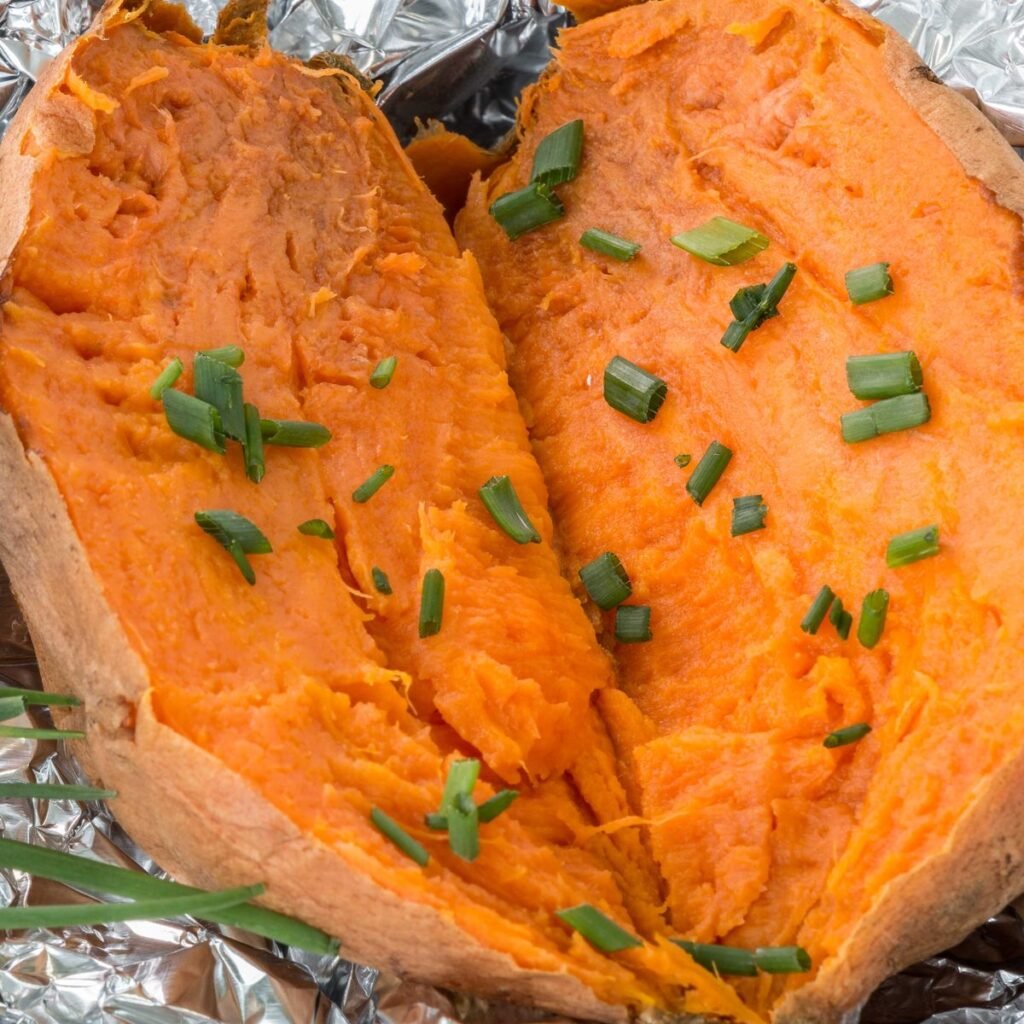
In India, shakarkandi needs no recipe book. Roast it in the coals or oven, split it, and add lemon, chaat masala and a little rock salt. Boil it, peel it, and eat it warm with a pinch of black salt. Cut it into cubes for a chaat with curd, tamarind and onions. Or mash it into tikkis with a little besan and green chilli. It pairs well with a simple dinner — a roasted shakarkandi with one chapati makes a light, filling meal, and if you are counting, here is how many calories are in one chapati. And gond ke laddu are another winter favourite worth reading about.
How Much Sweet Potato Should You Eat in a Day?
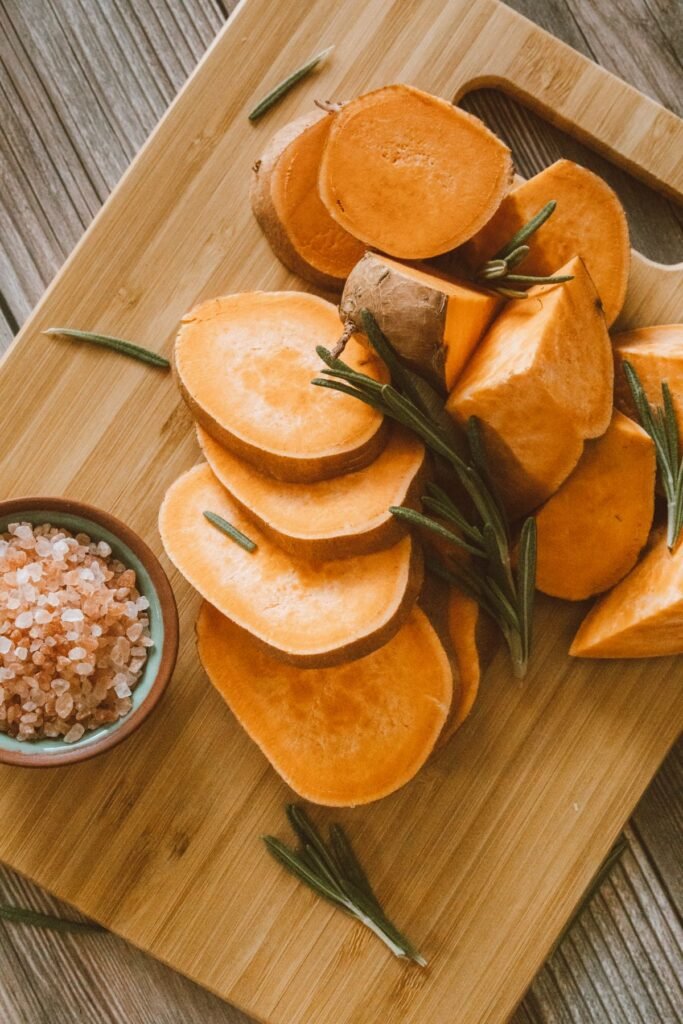
For most adults, 100 to 150 grams a day is a good amount — roughly one medium shakarkandi. That gives you vitamin A, a solid dose of fibre, and steady energy without overdoing the natural sugars. Sweet potato benefits are best at this one-a-day level, not at three-a-day. If you are trying to gain weight, it is also an easy way to add healthy calories — a roasted shakarkandi with ghee and jaggery is a classic, and our guide to a healthy Indian diet for weight gain explains how to build them sensibly. If you are watching your weight, keep the portion to one medium piece and skip the sugar or jaggery on top.
Who Should Be Careful With Shakarkandi?
Shakarkandi is safe for most people, but three groups should take note. If you have diabetes, watch the portion and prefer boiled over roasted — and check your sugar after eating it the first few times to see how your body responds. If you have had calcium oxalate kidney stones, know that sweet potatoes are moderately high in oxalates, so large daily portions are best avoided. And anyone can overdo it: two or three large ones a day can leave you bloated and gassy. None of this cancels out the sweet potato benefits — it just means portion matters. One a day is the sweet spot for most people.
Frequently Asked Questions
What are the main sweet potato benefits?
The biggest sweet potato benefits are for your eyes and immunity (vitamin A), your gut (fibre), and steady energy. It also supports heart health and skin, and it is one of India’s cheapest nutrient-rich foods.
Is sweet potato good for diabetes?
In small portions, yes — especially boiled, which has a lower glycaemic index than roasted. Stick to about 100 grams, eat it with protein or vegetables, and check your blood sugar to see how you respond.
Can I eat sweet potato daily?
Yes, one medium sweet potato a day is fine for most healthy adults. It covers your vitamin A needs and adds useful fibre. Just vary your vegetables across the week.
Is shakarkandi good for weight loss?
It can help — the fibre keeps you full, so you snack less. A boiled shakarkandi is about 90 calories per 100 grams, light for how filling it is. Avoid loading it with sugar, jaggery or too much ghee if weight loss is the goal.
Which is better — sweet potato or regular potato?
For nutrients, sweet potato wins: far more vitamin A, more fibre, and a lower glycaemic index when boiled. Regular potatoes aren’t bad, but shakarkandi brings more to the plate.
The Bottom Line
Shakarkandi is proof that healthy food in India doesn’t have to be expensive or imported. For the price of a cutting chai, you get vitamin A, fibre, potassium and steady energy — and it tastes good. Roast it, boil it, make a chaat of it, but eat it regularly this winter. The sweet potato benefits are real, and your eyes, gut and skin will notice before you do.
Disclaimer: This article is for general information only and is not medical advice. If you have diabetes, kidney disease, or any health condition, please consult your doctor before changing your diet. Food amounts mentioned here are general guidance only.