
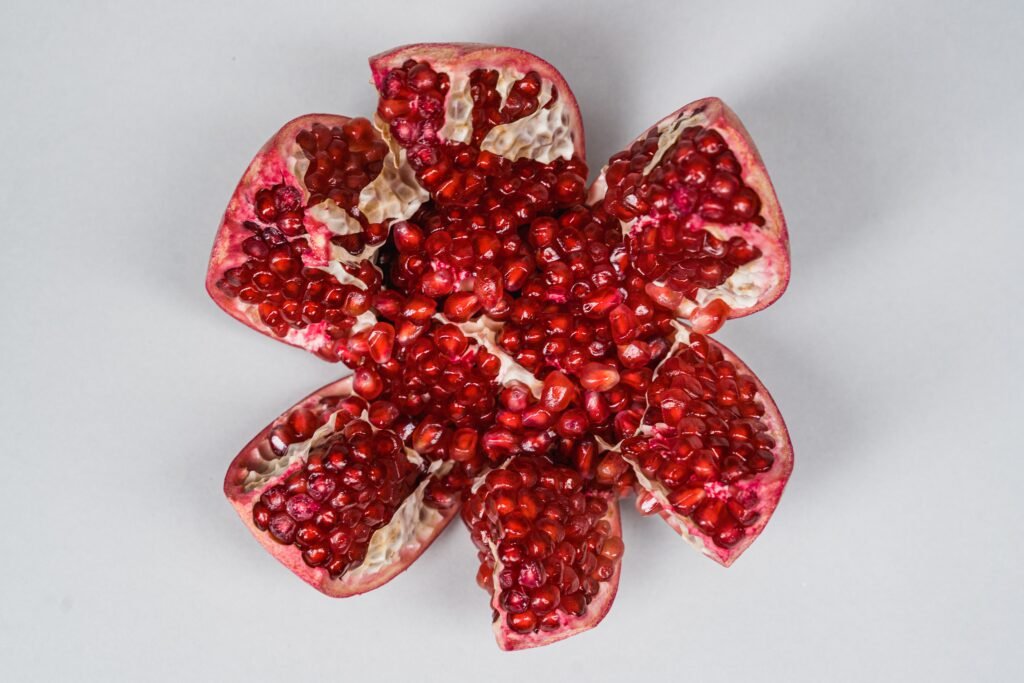
Anar is one of those fruits almost every Indian home knows well. It turns up in chaat and raita, and grandmothers have recommended it for low blood for as long as anyone can remember. But the real pomegranate benefits go far beyond the old advice about haemoglobin. This ruby-red fruit is packed with vitamin C, fibre, potassium and a rare group of antioxidants called punicalagins, which are found in very few other foods. Whether you eat the seeds by the spoonful or sprinkle them over dahi, anar earns its place as a true winter superfood.
What Makes Anar So Special?
Pomegranate Benefits for Haemoglobin
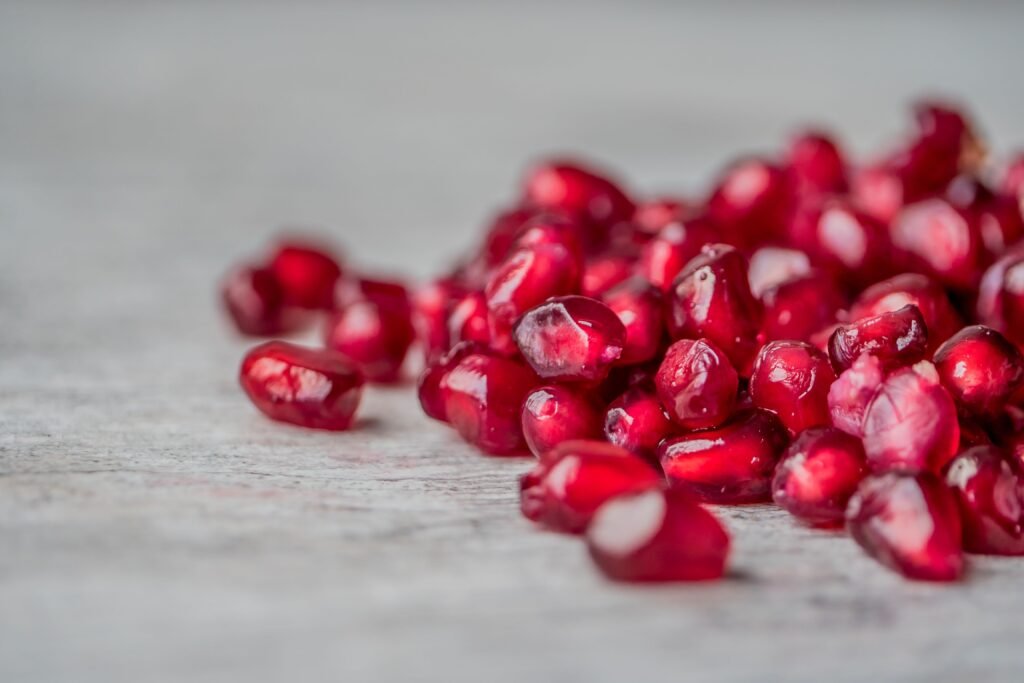
A single medium pomegranate gives you a generous mix of nutrients without many calories. One cup of arils — the juicy red seeds — has roughly 140 to 150 calories, about 24 grams of natural sugar, 3 to 4 grams of fibre, and nearly a third of your daily vitamin C. You also get useful amounts of vitamin K, folate and potassium.
What really sets anar apart, though, is its polyphenol content. Punicalagins, the main antioxidants in pomegranate, are concentrated in the peel and the juice, and they are among the strongest plant antioxidants researchers have measured. The deep red colour comes from anthocyanins, the same family of compounds that gives berries their colour and their reputation. Together, these compounds help fight the everyday oxidative stress that comes from pollution, poor sleep and fried food.
The most famous use of anar in Indian homes is for low haemoglobin, and there is good sense behind it. Pomegranate itself contains a modest amount of iron, but its real contribution is vitamin C. Iron from plant foods — dal, palak, rajma — is absorbed poorly on its own, and vitamin C is one of the best helpers for pulling that iron into the body. Eating a bowl of pomegranate seeds with your meal, or having them right after a plate of dal and rice, can quietly improve how much iron you actually absorb from the rest of your food.
This matters most for vegetarians, for women with heavy periods, and for anyone who has been told their haemoglobin is on the lower side. Anar is not a medicine and it will not fix anaemia overnight, but as a regular habit it supports the rest of a good iron-rich diet. If you want a fuller plan built around Indian vegetarian food, read our guide on how to increase haemoglobin with vegetarian Indian food. Beetroot benefits work in a similar supporting role, and the two fruits make a good pair — a small bowl of beetroot and pomegranate salad is one of the simplest haemoglobin-friendly snacks there is.
A practical tip: have anar with lunch rather than late at night, and avoid tea or coffee right after the meal, because the tannins in tea can block iron absorption.
Pomegranate Benefits for Heart Health
The heart is where pomegranate research is strongest. The punicalagins and other polyphenols in anar help protect the blood vessels in a few ways: they reduce oxidative damage to cholesterol, support healthy blood flow, and may help keep blood pressure in a healthy range. Several small studies have found that regular pomegranate juice intake is linked with modest improvements in blood pressure and cholesterol markers, though the effect is gentle and works best as part of an overall healthy diet, not as a standalone fix.
A review of research on pomegranate’s health effects notes that its polyphenols have antioxidant and anti-inflammatory effects, and that pomegranate may help with risk factors such as high blood pressure, high cholesterol and oxidative stress. That matches what doctors generally say: no single fruit protects your heart, but a diet rich in polyphenol-heavy foods — anar, berries, green vegetables, nuts — gives your arteries a much better environment.
A small bowl of seeds a few times a week, in place of a fried snack, is a simple swap with real upside.
Pomegranate Benefits for Skin
If you have ever wondered why anar shows up in so many face packs and skin products, the answer is vitamin C plus antioxidants. Vitamin C is needed to make collagen, the protein that keeps skin firm and helps it repair itself. The anthocyanins and punicalagins in pomegranate help defend skin cells from the damage caused by sun, pollution and age, which is one reason the fruit has a reputation for giving skin a healthy glow.
Eating anar will not replace sunscreen or a good skincare routine, but it supports skin from the inside in a way creams cannot. The vitamin C helps with collagen, the water content in the fruit keeps you hydrated, and the antioxidants help calm the low-grade inflammation that shows up as dullness and early fine lines. Many people notice their skin looks fresher when they eat a variety of colourful fruits regularly, and anar is one of the easiest of them to add — a handful of seeds over curd or in a fruit chaat takes less than a minute. For another vitamin C–rich fruit that is kind to skin, guava benefits are worth a read too; guava actually carries even more vitamin C per bite than anar, and the two make a good winter pair.
Pomegranate Benefits for Immunity
Winter in India brings colds, coughs and that tired, run-down feeling, and this is where anar quietly earns its place. One cup of seeds covers a good part of your daily vitamin C, which supports the immune cells that fight off infections. The polyphenols add an anti-inflammatory effect, helping the body deal with the small, everyday inflammation that can leave you feeling drained.
Anar will not stop you from catching a cold — no food can promise that — but eating it regularly gives your immune system better raw material to work with. A small bowl of seeds in the morning, or mixed into your dahi at lunch, is an easy way to keep it in your routine through the season.
Pomegranate Benefits for Digestion
The seeds themselves carry the fibre. One cup of arils gives you around 3 to 4 grams of fibre, which helps keep digestion steady and feeds the good bacteria in the gut. This is one of the main reasons eating the whole fruit is better than drinking only the juice: juice strips out most of the fibre, leaving the sugar behind. If you struggle with constipation or heavy, sluggish digestion in winter, a bowl of seeds does far more for you than a glass of juice.
The fibre also slows down how fast the fruit’s natural sugar enters your blood, which is why the whole fruit is safer than juice for anyone watching blood sugar. Eat the seeds slowly and chew well — the tiny crunchy seed inside each aril adds even more fibre.
How Much Anar to Eat and How
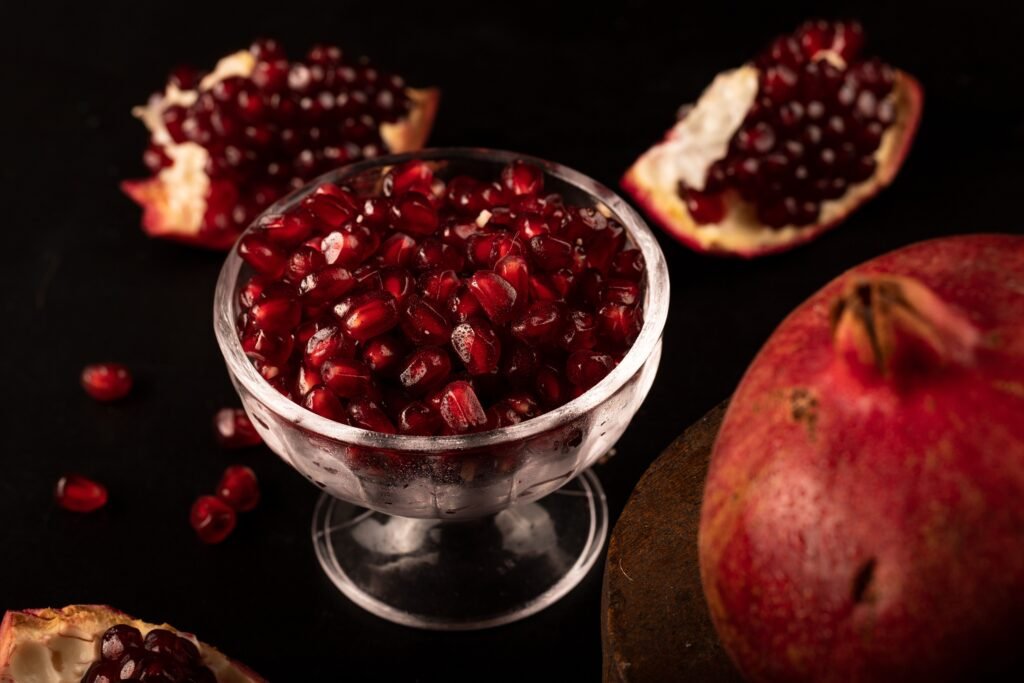
For most healthy adults, one medium pomegranate a day — roughly one cup of seeds, about 150 to 200 grams — is a good daily portion. You do not need more than that; the benefits come from eating it regularly, not from eating a lot of it at once. Three to five times a week is plenty if a whole fruit every day feels like too much.
The best way to eat it is the whole fruit, seeds and all. Here are a few easy ways to fit it in:
- As it is: a small bowl of seeds as a mid-morning snack, with a pinch of black salt and chaat masala if you like.
- In dahi or raita: seeds stirred into curd make a cooling side dish that works with almost any Indian meal.
- In chaat and salads: sprinkle them over fruit chaat, sprouts chaat, or a beetroot and carrot salad for colour, crunch and sweetness.
- As juice, occasionally: fresh juice is fine once in a while, but keep it to a small glass (about 150 ml) and prefer the whole fruit most days, because juice loses the fibre.
Deseeding an anar feels like a chore until you know the trick. Cut the fruit in half, hold one half cut-side down over a bowl, and tap the back firmly with a wooden spoon. The seeds drop out in under a minute. Buy fruits that feel heavy for their size with tight, shiny skin — that usually means juicy seeds inside.
Who Should Be Careful
Anar is safe for most people, but a few groups should eat it with a little care.
Diabetes: the whole fruit is the better choice, not the juice. A small portion — about half a cup to one cup of seeds — is usually fine, but a large glass of juice delivers the sugar of two or three fruits at once with no fibre to slow it down. Check your sugar after eating it the first few times and keep the portion modest.
Blood pressure and cholesterol medicines: pomegranate can interact with some medicines, including certain blood pressure drugs and statins, in a similar way to grapefruit. If you take daily medicine for blood pressure or cholesterol, ask your doctor before drinking pomegranate juice every day — the concentrated juice is where an interaction is more likely.
Acidity: anar is mildly acidic, and some people with reflux or a sensitive stomach find it uncomfortable, especially on an empty stomach. If that is you, eat it after food rather than first thing in the morning, and skip it on days your acidity is already flaring.
Allergy: a true pomegranate allergy is uncommon, but it exists — itching, swelling of the lips or mouth, or a rash after eating it means you should stop and speak to a doctor. People with a known allergy to other fruits in the same family should be cautious the first time they try it.
Frequently Asked Questions
Is it good to eat pomegranate every day?
Yes — one medium anar a day is fine for most healthy adults, giving you vitamin C, fibre, potassium and antioxidants in a single bowl. If you have diabetes or take blood pressure medicine, keep the portion to about half a cup to one cup and prefer the whole fruit over juice.
Does pomegranate increase haemoglobin?
It helps, but indirectly. Anar contains some iron, and more importantly its vitamin C helps your body absorb iron from dal, palak and other plant foods in the same meal. It supports haemoglobin as part of an iron-rich diet, but it is not a replacement for iron supplements or treatment for anaemia.
Is pomegranate juice better than eating the seeds?
No — eating the seeds is better. The whole fruit keeps the fibre, which slows sugar absorption and helps digestion, while juice removes most of the fibre. A small glass of fresh juice occasionally is fine, but for daily eating, the seeds are the healthier choice.
How much pomegranate should I eat in a day?
About one medium fruit, or roughly one cup of seeds (150 to 200 grams), is a good daily portion. Three to five times a week is enough if you do not want it every day. More than that adds sugar and calories without adding much extra benefit.
Can people with diabetes eat anar?
Yes, in a modest portion and as the whole fruit, not juice. Half a cup to one cup of seeds is usually reasonable — check your blood sugar after eating it and ask your doctor what portion suits you. Avoid large glasses of juice, which concentrate the sugar of several fruits at once.
Disclaimer: This article is for general information only and is not medical advice. If you have a health condition or take regular medicine, please consult your doctor before making major changes to your diet.