

If a blood test has come back with low haemoglobin, the first question most people ask is how to increase haemoglobin fast vegetarian Indian food — in other words, which vegetarian Indian foods raise haemoglobin quickly, without meat and without relying only on tablets. The honest answer is that food can raise haemoglobin steadily and safely, but “fast” still means weeks, not days. Your body builds new red blood cells gradually. What food can do is give it everything it needs to build them as quickly as possible.
The good news for vegetarians is that Indian food is full of iron. Palak, rajma, chana, ragi, sesame seeds, jaggery and dates are all rich in iron, and they are already part of everyday Indian cooking. The trick is not just eating them — it is eating them the right way, with the right partners, and avoiding the habits that block iron from being absorbed.
What Is Haemoglobin, and What Counts as Low? How to Increase Haemoglobin Fast Vegetarian Indian Food
Haemoglobin is the protein in red blood cells that carries oxygen around your body. When it is low, you feel tired, weak, breathless, and pale — doctors call this anaemia.
Rough guide values for adults (your lab’s range may differ slightly):
| Group | Normal haemoglobin (g/dL) | Low |
|---|---|---|
| Adult women | 12.0–15.5 | Below 12.0 |
| Adult men | 13.5–17.5 | Below 13.5 |
| Pregnant women | 11.0 and above | Below 11.0 |
Mild anaemia often responds well to diet changes. Moderate or severe anaemia usually needs iron supplements or other treatment from a doctor, along with diet. Food alone cannot fix a very low level quickly — so if your haemoglobin is below 9 or 10, see a doctor promptly rather than trying food alone. If constant tiredness is your main symptom, our guide Why Am I Always Tired? 12 Causes, Vitamin Deficiencies & What to Do walks through the other common causes, and Iron Deficiency in Indian Women: Symptoms, Foods, Supplements covers symptoms and supplements in full.
Why Vegetarians Need a Smarter Iron Strategy: How to Increase Haemoglobin Fast Vegetarian Indian Food
Iron comes in two forms. Haem iron, found in meat and fish, is absorbed easily — about 15 to 35% of it gets used. Non-haem iron, found in plants, is absorbed less well — roughly 2 to 20%. That does not mean vegetarian iron does not work. It means vegetarians need to eat more iron-rich foods and pair them with vitamin C, which can double or triple absorption. Many Indian vegetarians already eat plenty of iron but absorb little of it, because of three common habits: drinking chai or coffee with meals, eating lots of dairy with iron-rich foods, and cooking in ways that lose iron.
The Best Vegetarian Indian Foods for Haemoglobin: How to Increase Haemoglobin Fast Vegetarian Indian Food
Leafy Greens: How to Increase Haemoglobin Fast Vegetarian Indian Food
Palak (spinach) is the classic, but methi, amaranth (chaulai), and drumstick leaves (moringa) are even richer in iron. A bowl of palak paneer or methi thepla is a genuinely good iron source, and drumstick leaves, common in South Indian cooking, are outstanding.
Pulses and Legumes: How to Increase Haemoglobin Fast Vegetarian Indian Food
Rajma, chana, moong, masoor dal, urad dal, and lobia are all solid iron sources, and they are cheap and eaten daily in most Indian homes. A cup of cooked rajma gives roughly 3–4 mg of iron. Sprouted moong and chana are even better, because sprouting improves iron absorption.
Millets and Whole Grains: How to Increase Haemoglobin Fast Vegetarian Indian Food
Ragi is a star here — it has about three times the iron of wheat or rice. Ragi roti, ragi dosa, or ragi porridge are excellent daily choices. Bajra and jowar also contribute iron, and whole wheat atta is better than maida, which has almost no iron.
Seeds, Nuts and Dried Fruit: How to Increase Haemoglobin Fast Vegetarian Indian Food
Sesame seeds (til), pumpkin seeds, flaxseeds, and peanuts are small but mighty — a spoonful of til chutney or til laddoo adds real iron. Dates, raisins, figs (anjeer), and prunes are traditional iron-rich snacks.
Jaggery: How to Increase Haemoglobin Fast Vegetarian Indian Food
Gud (jaggery) contains iron and is a better sweetener than white sugar if you are anaemic. A small piece of jaggery after a meal, or jaggery in place of sugar in your chai, adds a little iron each day. It is not a cure on its own, but it helps as part of an iron-rich diet.
Vitamin C Foods — the Iron Multiplier: How to Increase Haemoglobin Fast Vegetarian Indian Food
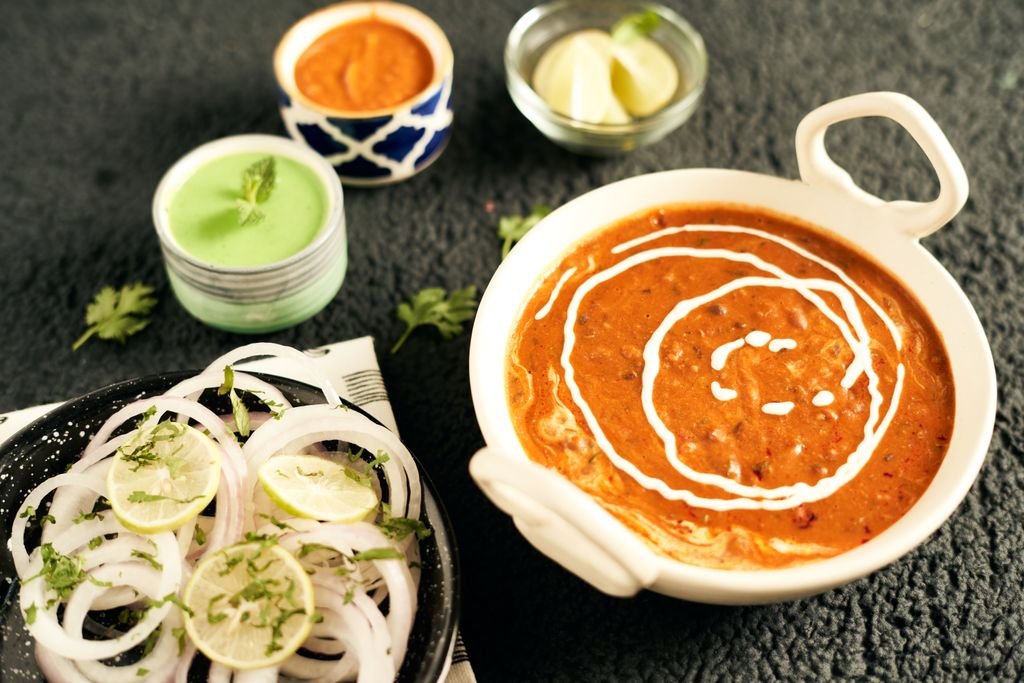
This is the most important part. Vitamin C helps your body absorb plant iron far better. Always pair an iron-rich food with a vitamin C source: squeeze nimbu over palak dal, eat amla with your meal, have guava or orange as a snack after lunch, or add tomatoes and capsicum to your sabzi. Amla is the cheapest and richest option — one amla has more vitamin C than two oranges.
What Blocks Iron Absorption (Avoid These Mistakes): How to Increase Haemoglobin Fast Vegetarian Indian Food
- Chai and coffee with meals. The tannins in tea and coffee can cut iron absorption by half or more. Wait at least one hour after a meal before drinking chai.
- Too much dairy with iron-rich food. Calcium competes with iron for absorption. Dahi and milk are healthy, but avoid a large glass of milk with your iron-rich lunch — space them apart by an hour or two.
- Fibre supplements and antacids with meals. Very high doses of calcium tablets or antacids taken with food can reduce iron uptake. Ask your doctor about timing if you take them.
- Skipping meals. Iron needs steady, daily intake. Skipping lunch and eating one big dinner does not work as well as three balanced meals.
How to Increase Haemoglobin Fast Vegetarian Indian Food: The 7-Day Plan
This plan is a template — adjust it to your region and taste. The idea is simple: one iron-rich food plus one vitamin C food at every meal, and no chai with meals.
| Day | Breakfast | Lunch | Dinner |
|---|---|---|---|
| Monday | Ragi porridge with dates and milk; 1 amla | Palak dal, brown rice, nimbu salad | Rajma, roti, tomato sabzi |
| Tuesday | Moong chilla with coriander chutney; orange | Methi thepla, dahi (after 1 hour), guava | Chana masala, rice, lemon |
| Wednesday | Sprouted moong chaat with tomato and nimbu | Drumstick leaf dal, ragi roti | Palak paneer, roti, salad |
| Thursday | Ragi dosa with sambar and coconut chutney | Masoor dal, rice, amla pickle | Soya chunk curry, roti |
| Friday | Til laddoo (2), banana, milk | Rajma, brown rice, nimbu | Methi dal, jowar roti, guava |
| Saturday | Poha with peanuts and lemon | Chole, roti, tomato-onion salad | Palak khichdi, dahi (after 1 hour) |
| Sunday | Besan chilla, orange | Amaranth (chaulai) sabzi, dal, rice | Moong dal, ragi roti, dates |
How Long Does It Take to Raise Haemoglobin? How to Increase Haemoglobin Fast Vegetarian Indian Food
Be realistic. With a good diet, haemoglobin usually rises by about 1 g/dL every two to four weeks. If your level is mildly low, say 11 g/dL, food alone may bring it back to normal in six to eight weeks. If it is lower, a doctor will likely suggest iron supplements, which work faster, and food keeps the level up afterwards. The key is consistency — make the iron-rich pattern a permanent part of how you eat, not a short project.
Cooking Tips That Boost Iron: How to Increase Haemoglobin Fast Vegetarian Indian Food
- Cook in an iron kadhai. Cooking acidic foods like tomato-based sabzi in a cast-iron pan adds small amounts of iron to the food.
- Sprout your pulses. Soak and sprout moong, chana, and moth for a day before cooking — sprouting reduces phytates that block iron absorption.
- Soak dal and grains. Soaking for a few hours before cooking also reduces phytates and improves absorption.
- Add tomatoes and lemon. Cooking iron-rich foods with tomatoes, tamarind, or lemon juice helps your body absorb more iron from the same meal.
When Food Alone Is Not Enough: How to Increase Haemoglobin Fast Vegetarian Indian Food
See a doctor promptly if you have any of these: haemoglobin below 10 g/dL, or falling despite a good diet; very heavy periods; breathlessness, chest pain, or fainting; black stools or blood in stool; or no improvement after 6–8 weeks of iron-rich eating.
Your doctor may prescribe iron tablets. Take them exactly as advised — usually on an empty stomach or with vitamin C, and not with chai or milk. Iron tablets can cause constipation or a dark stool; both are common and usually harmless, but tell your doctor if they trouble you.

Frequently Asked Questions: How to Increase Haemoglobin Fast Vegetarian Indian Food
How to increase haemoglobin fast vegetarian Indian food?
The short answer to how to increase haemoglobin fast vegetarian Indian food is simple: eat iron-rich foods at every meal — palak, rajma, chana, ragi, sesame seeds, dates — and always pair them with a vitamin C food like amla, nimbu, or guava, which can double iron absorption. Avoid chai and coffee with meals. Expect a rise of about 1 g/dL every two to four weeks with a steady diet.
Which Indian food has the most iron for haemoglobin? How to Increase Haemoglobin Fast Vegetarian Indian Food
Ragi is one of the richest everyday sources, along with drumstick (moringa) leaves, sesame seeds, rajma, chana, and sprouted moong. Dates and jaggery add smaller amounts. The best results come from combining several of these daily rather than relying on a single food.
Can I raise haemoglobin in one week with food? How to Increase Haemoglobin Fast Vegetarian Indian Food
Not by much. Food builds haemoglobin gradually, and a meaningful rise takes two to four weeks at least. If you need a faster rise — for surgery, pregnancy, or very low levels — a doctor may prescribe iron supplements, which work more quickly than diet alone.
The Bottom Line: How to Increase Haemoglobin Fast Vegetarian Indian Food
Increasing haemoglobin as a vegetarian is entirely doable with Indian food — ragi, palak, rajma, chana, sesame seeds, and dates, always paired with amla or nimbu for vitamin C, and chai kept away from mealtimes. Give it six to eight weeks of steady eating, get your levels rechecked, and see a doctor if the numbers are very low or not moving. Food is the foundation; medicine, when needed, is the accelerator. Together, they work.
This article is for general information only and is not medical advice. Please consult a doctor for personal advice.