

A small handful of roasted gram with a piece of jaggery — bhuna chana and gur — is one of India’s oldest snacks. It costs almost nothing, needs no cooking, fits in a pocket, and keeps you full for hours. Our grandmothers gave it to children going to school and to workers heading to the fields, long before anyone talked about protein or fibre.
The benefits of eating roasted gram are real and well supported. Roasted gram is rich in plant protein, fibre, iron and folate, it has a low glycemic index, and it is naturally gluten-free. It is one of the cheapest sources of protein in an Indian diet, and it works as a breakfast, an evening snack, or a post-workout bite.
But how much should you eat, and is roasted gram better than soaked gram? This guide explains what roasted gram is, its nutrition, 10 benefits, how to eat it, how much per day, and who should be careful with it.
What Is Roasted Gram?
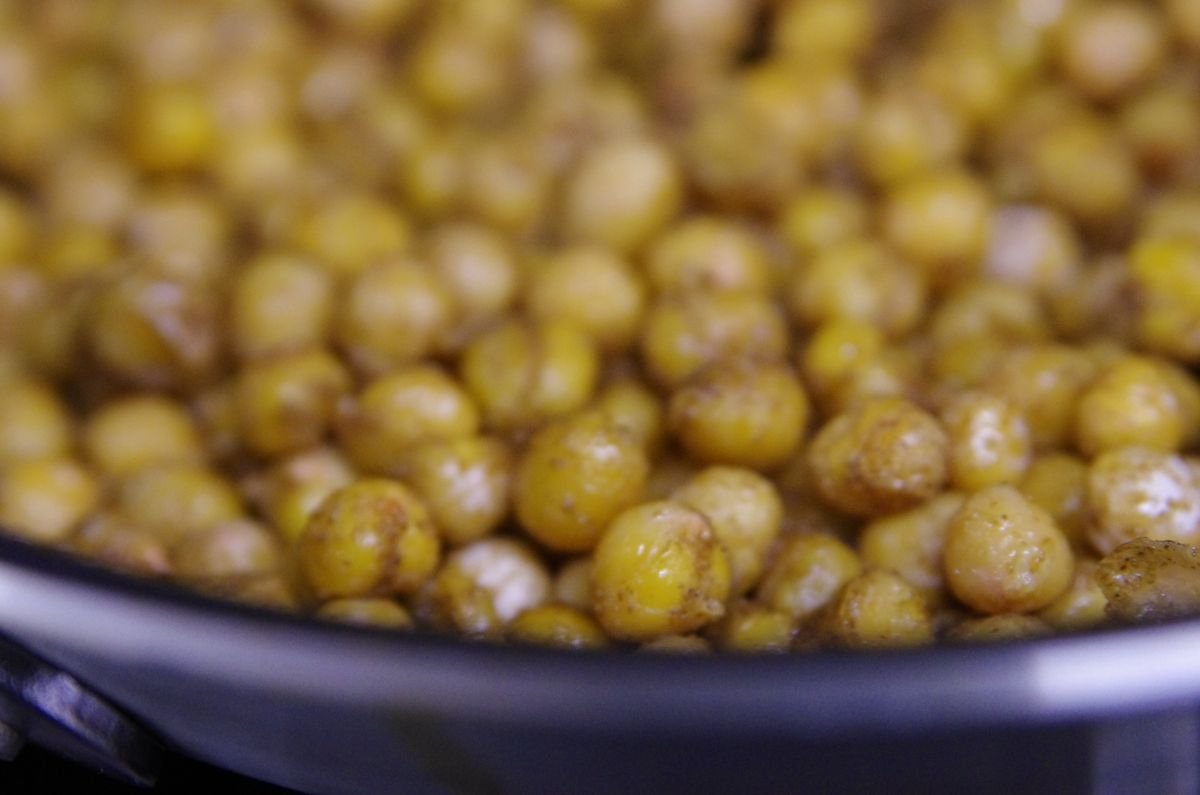
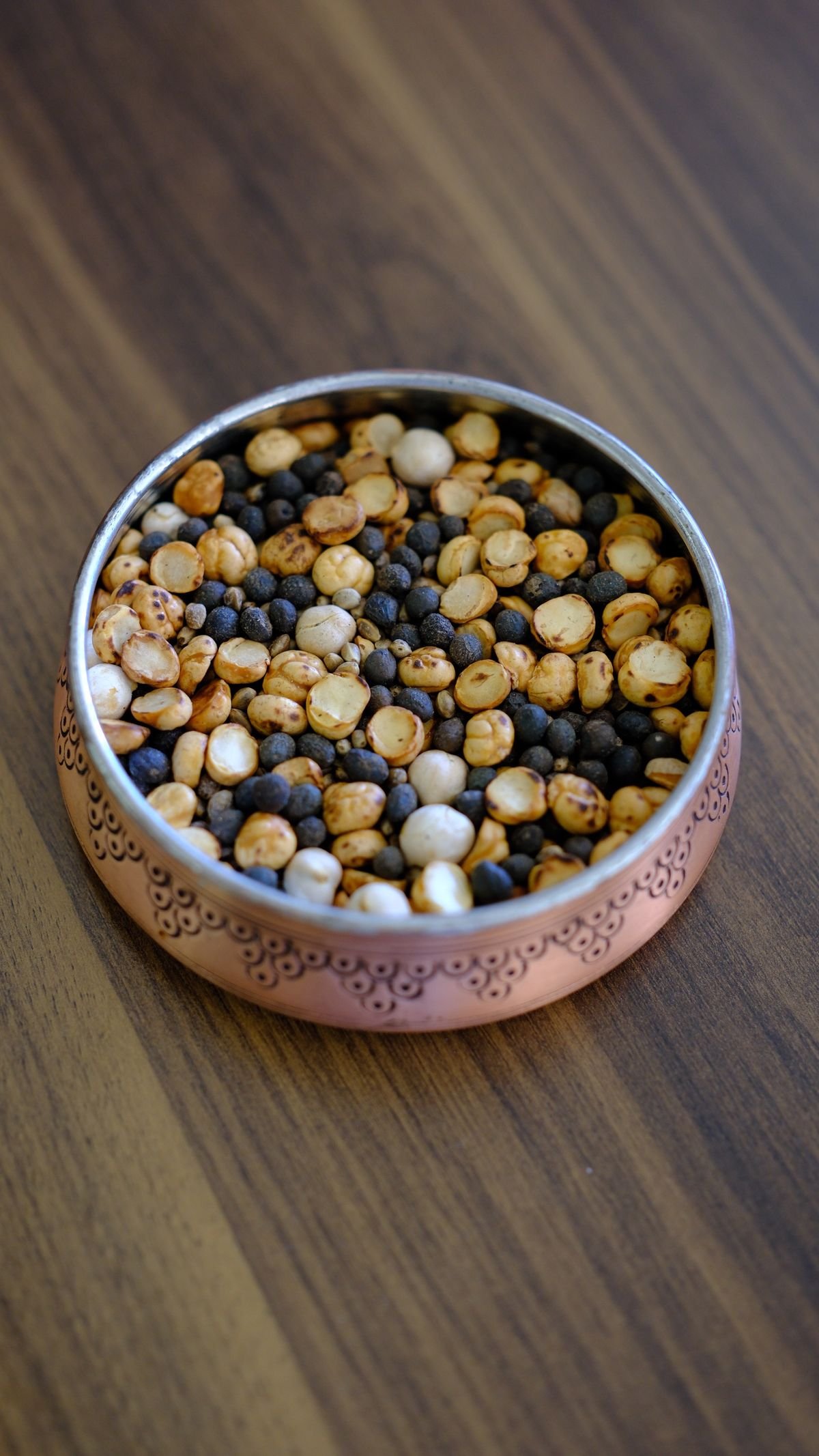
Roasted gram — bhuna chana in Hindi — is made from desi chickpeas, the small dark variety of chickpea also called Bengal gram or kala chana. The chickpeas are dried, then roasted, usually in a hot pan or in sand, until they turn crisp and golden. The skin is often left on, which adds fibre, though some people remove it.
Roasted gram is not the same as the large, pale kabuli chickpeas used in chole. Desi chickpeas are smaller, darker and richer in fibre, and they roast into a crunchy, nutty snack. It is also different from chana dal, which is the split, skinned version of the same chickpea, and from besan, the flour made by grinding roasted gram. All of them come from the same plant, but they are used in different ways — Healthline’s guide to the benefits of chickpea flour explains how the flour form keeps most of the same nutrition, with about half the carbs of wheat flour and a low glycemic index.
Roasted gram is also the main ingredient of sattu, the roasted gram flour that is mixed with water, lemon and salt to make a cooling summer drink. Our guide on sattu benefits for weight loss explains how sattu is traditionally prepared and why it is so filling.
Roasted Gram Nutrition: What Is Inside It?
The benefits of eating roasted gram start with its nutrition. Per 100 grams, roasted gram contains about 355–368 calories, 17–20 grams of protein, 12–17 grams of fibre, about 58–66 grams of carbohydrates and only 5–6 grams of fat. It is also a good source of iron, folate, magnesium, manganese, phosphorus, potassium and zinc, along with B vitamins.
For comparison, one cup of cooked chickpeas (about 164 grams) provides 269 calories, 14.5 grams of protein and 12.5 grams of dietary fibre, according to the US Department of Agriculture — along with about 71% of the daily need for folate, 84% for manganese, and roughly a quarter of the daily need for iron. Roasted gram is more concentrated than cooked chickpeas because the water has been roasted out, so a small handful goes a long way.
One honest note: chickpeas contain all nine essential amino acids, but they are low in two of them, methionine and cysteine, so their protein is not quite complete on its own. Eating roasted gram with grains — roti, rice or bread — fixes that, because grains are rich in exactly the amino acids that chickpeas lack. That is why chana with roti is such a sensible meal.
10 Benefits of Eating Roasted Gram
1. A Rich Source of Plant Protein
The first of the benefits of eating roasted gram is protein. At 17–20 grams of protein per 100 grams, roasted gram is one of the richest plant protein foods available in India — far ahead of most snacks, and cheaper than eggs, paneer or nuts. Protein builds and repairs muscle, keeps you full, and supports immunity. For vegetarians, who often struggle to get enough protein, a daily handful of roasted gram is one of the simplest ways to close the gap. A small handful of about 30 grams gives you roughly 5–6 grams of protein — about the same as one egg.
2. Helps With Weight Loss
The benefits of eating roasted gram for weight come from fullness. Protein and fibre slow digestion, so you feel full for longer after eating. A handful of roasted gram as an evening snack stops the hunger that leads to biscuits, namkeen and fried food, and it does so for very few calories — about 100–110 calories for a 30-gram handful. Studies on legumes have found that people who eat chickpeas and lentils regularly tend to feel fuller and eat less at the next meal. Roasted gram is not a weight-loss food by itself — it works only as part of a healthy diet — but as a snack swap, it is one of the best choices you can make.
3. Supports Digestion
Roasted gram is rich in fibre, and fibre is what keeps digestion moving. It adds bulk to the stool, feeds the good bacteria in the gut, and helps prevent constipation. Chickpeas contain a soluble fibre called raffinose, which gut bacteria ferment into butyrate — a short-chain fatty acid that nourishes the cells lining the colon and helps reduce inflammation in the gut. Medical News Today’s guide to chickpeas explains the same mechanism: the raffinose in chickpeas is fermented by beneficial gut bacteria, producing butyrate that supports colon health. That is also why roasted gram can cause gas: the same fermentation that feeds good bacteria produces gas. The fix is to start with a small amount and increase slowly, and to drink enough water with it.
4. Helps Control Blood Sugar
One of the most useful benefits of eating roasted gram is blood sugar control. Chickpeas have a low glycemic index — around 28 for whole chickpeas, and 28–35 for snacks made from chickpea flour — which means they raise blood sugar slowly and steadily instead of in a spike. The protein and fibre slow down how fast the carbohydrates are absorbed, so energy is released gradually. That makes roasted gram a good snack for people with diabetes or prediabetes, and a far better choice than biscuits, white bread or fried snacks. It is not a treatment for diabetes, and anyone taking diabetes medicine should talk to their doctor — but as a food choice, it is one of the safest snacks for blood sugar.
5. Good for Heart Health
The benefits of eating roasted gram for the heart come from three directions: soluble fibre, which helps lower LDL (bad) cholesterol; potassium and magnesium, which help control blood pressure; and polyunsaturated fats, which help keep blood vessels healthy. WebMD’s guide to the health benefits of chickpeas notes that the soluble fibre in chickpeas can lessen total cholesterol and LDL cholesterol, which lowers the risk of heart disease. Chickpeas are naturally very low in sodium and cholesterol-free. These are modest, supportive effects — roasted gram supports heart health as part of a balanced diet, it does not treat heart disease.
6. Strengthens Bones
Roasted gram contains calcium, magnesium, phosphorus, manganese and vitamin K — all of which play a role in bone health. Manganese helps form connective tissue and bone, magnesium helps the body absorb calcium, and phosphorus is a building block of bone itself. A handful of roasted gram will not replace milk or a calcium-rich diet, but as a regular snack it adds a useful amount of these minerals every day. For older adults, whose bones weaken with age, a protein- and mineral-rich snack like roasted gram is a sensible daily habit.
7. Gives Steady Energy
The benefits of eating roasted gram for energy come from its mix of complex carbohydrates, protein and fibre. Unlike sugar or white bread, which give a quick spike followed by a crash, roasted gram releases its energy slowly over several hours. That makes it a good pre-workout snack — eaten an hour before exercise — and a good mid-morning snack for students and office workers. Iron also plays a part: roasted gram is a useful source of iron, and iron carries oxygen in the blood. Low iron means tiredness, so a food that supplies iron helps fight fatigue. Dates are another iron-rich food — our guide on the benefits of eating dates daily explains how many to eat and the best time.
8. Good for Skin and Hair
Protein, iron, zinc and B vitamins all matter for skin and hair, and roasted gram supplies all of them. Protein is the building block of hair, iron carries oxygen to the hair roots, and zinc supports skin repair. Chickpeas also contain manganese, which helps the body form collagen — the protein that keeps skin firm. Roasted gram will not cure acne or stop hair fall on its own, but as part of a balanced diet it gives the skin and hair the raw materials they need.
9. Supports Immunity
A strong immune system needs protein, iron, zinc, folate and antioxidants, and roasted gram contains all of them. Folate is needed to make new blood cells, iron carries oxygen to immune cells, and zinc is involved in making and activating the white blood cells that fight infection. Roasted gram will not stop you catching a cold, but a diet that includes it regularly gives your immune system better support than a diet built on refined snacks.
10. May Help Fight Tiredness and Anaemia
The last of the benefits of eating roasted gram is iron. A 100-gram serving provides roughly 4–5 mg of iron — about a quarter to a third of the daily need for most adults — and iron deficiency is one of the most common causes of tiredness, weakness and pale skin in India, especially among women. The iron in plant foods is absorbed less well than the iron in meat, but eating roasted gram with a source of vitamin C — lemon, amla or orange — improves absorption a lot. That is one reason the classic combination of roasted gram with jaggery and a squeeze of lemon works so well: our guide on jaggery benefits explains how jaggery itself also supplies iron.
How to Eat Roasted Gram
The benefits of eating roasted gram are easiest to get from plain, unsalted gram, and there are several good ways to enjoy it:
- With jaggery: The classic combination — a handful of roasted gram with a small piece of jaggery — balances the nutty, dry taste of the gram with sweetness, and adds iron from the jaggery. It is one of the healthiest traditional snacks in India.
- As a morning snack: Eat a small handful (30–50 grams) with your morning tea instead of biscuits. It keeps you full until lunch without a sugar crash.
- In salads and chaat: Toss roasted gram into a salad with onion, tomato, cucumber, lemon and chaat masala. It adds crunch and protein, and turns a light salad into a filling meal.
- As sattu: Grind roasted gram into flour and mix it with water, lemon, salt and roasted cumin for a cooling drink — or make sattu parathas. Our guide on sattu benefits for weight loss explains how it is traditionally prepared and how much to drink.
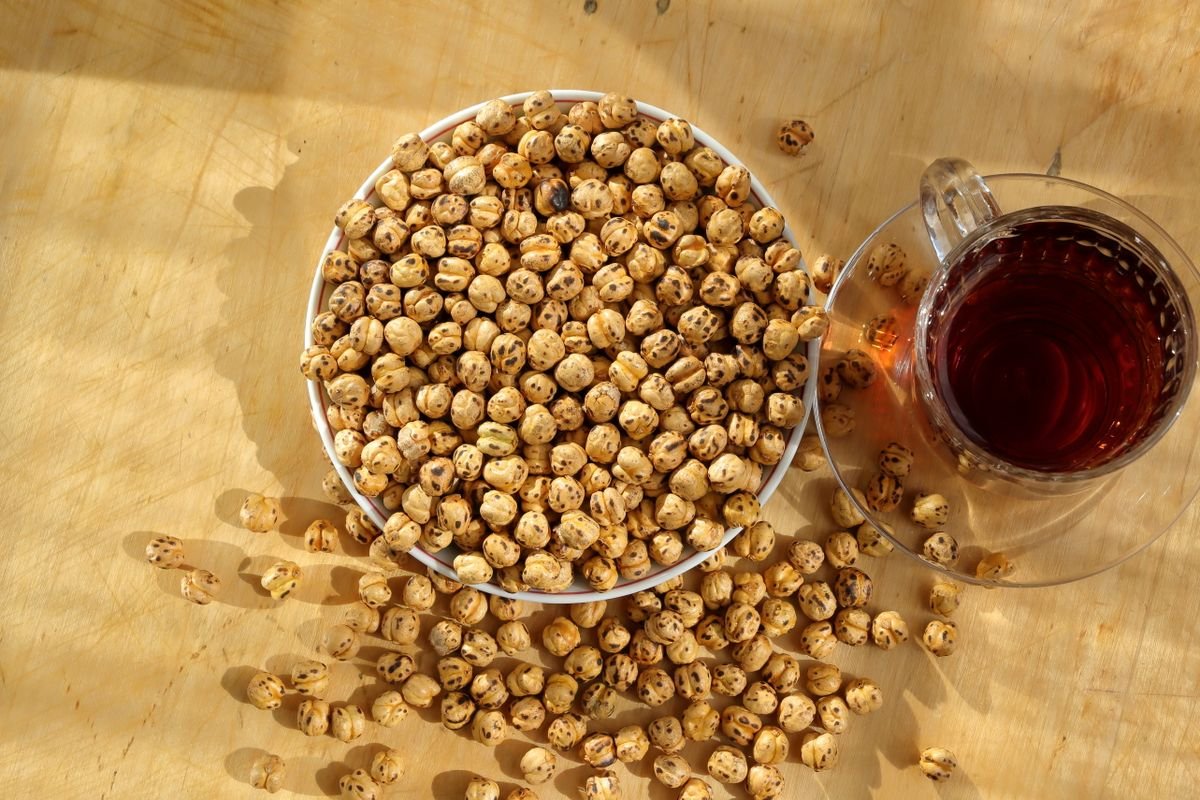
- With tea: A bowl of roasted gram with a cup of tea in the evening is a far better snack than fried namkeen or biscuits — a familiar, healthy sight in many Indian homes.
Roasted Gram vs Soaked Gram: Which Is Better?
Both are good, and the best choice depends on what you want. Roasted gram is dry, crunchy and portable, with more concentrated protein and fibre per gram, and it keeps for weeks without a fridge. Soaked gram is softer, easier to digest, and slightly higher in water-soluble vitamins, because soaking reduces some of the compounds that block mineral absorption. Soaked gram is gentler on the stomach and better for people who get gas from roasted gram. If you have a sensitive stomach, soak the gram overnight and eat it in the morning. If you want a portable snack, roasted gram is the better choice. Many people eat both — roasted gram as a snack and soaked gram at breakfast.
How Much Roasted Gram Should You Eat Daily?
To get the full benefits of eating roasted gram, a small handful — about 30 to 50 grams a day — is enough for most adults. That gives you roughly 5–10 grams of protein and 4–8 grams of fibre, for about 100–180 calories. Eating much more than 100 grams a day is not harmful for most people, but it can cause gas and bloating, and it adds calories that can work against weight loss. Start with 30 grams a day, drink enough water with it, and increase slowly if your stomach handles it well.
Side Effects and Who Should Be Careful With Roasted Gram
The benefits of eating roasted gram are real, but a few people should be careful:
- Gas and bloating: The fibre and oligosaccharides in chickpeas can cause gas, bloating and stomach discomfort, especially in large amounts or when introduced suddenly. Start small, chew well, and drink enough water.
- Kidney stones: Chickpeas contain oxalates, which can contribute to kidney stones in people who are prone to them. If you have had kidney stones, ask your doctor how much legume food is safe for you.
- Gout: Chickpeas contain moderate amounts of purines, which the body turns into uric acid. People with gout should eat them in moderation rather than in large amounts.
- Legume allergy: Chickpea allergy is uncommon, but it exists — especially in people allergic to peanuts or soy, which are in the same plant family. If you have a peanut allergy, try a very small amount first.
- Excess salt: Many shop-bought roasted gram snacks are heavily salted. Too much salt raises blood pressure and makes you thirsty. Choose plain, unsalted roasted gram, or roast it yourself with just a pinch of salt.
- Digestive conditions: People with irritable bowel syndrome (IBS) may find chickpeas trigger symptoms, because of their fermentable fibre. If you have a digestive condition, introduce roasted gram slowly, or choose soaked gram instead. A healthy diet also supports the liver — our fatty liver diet plan for Indian vegetarians lists foods and habits that support liver health.
FAQs — Benefits of Eating Roasted Gram
What are the benefits of eating roasted gram?
The main benefits of eating roasted gram are more protein, better digestion, steadier blood sugar, weight control, heart and bone support, steady energy, and a good supply of iron and folate — all from a cheap, natural snack.
Is roasted gram good for weight loss?
Yes. Roasted gram is high in protein and fibre and low in fat, so it keeps you full for longer and helps you eat less at the next meal. A 30-gram handful has only about 100 calories, making it a much better snack than biscuits or fried food.
How much roasted gram should I eat daily?
About 30 to 50 grams a day — a small handful — is enough for most adults. That gives you 5–10 grams of protein and 4–8 grams of fibre. Eating much more can cause gas and bloating.
Is roasted gram better than soaked gram?
Neither is clearly better. Roasted gram is more portable, keeps longer, and is more concentrated in protein and fibre per gram. Soaked gram is softer, easier to digest, and gentler on the stomach. Choose roasted gram for snacking and soaked gram for breakfast, or eat both.
Can people with diabetes eat roasted gram?
Yes — roasted gram is one of the safest snacks for blood sugar, because chickpeas have a low glycemic index and their protein and fibre slow down sugar absorption. It is not a diabetes treatment, so people taking diabetes medicine should check with their doctor.
Is roasted gram good for muscle gain?
It helps. With 17–20 grams of protein per 100 grams, roasted gram is a useful plant protein for muscle building, especially for vegetarians. But it is not a complete protein on its own, so eat it with grains like roti or rice, and combine it with other protein foods.
Can I eat roasted gram at night?
Yes, a small handful is fine as a light evening snack — it is filling without being heavy, and it will not spike your blood sugar. But avoid eating a large amount late at night, because the fibre can cause gas and disturb sleep. A light, warm dinner eaten early is better — our guide to an ayurveda dinner explains why dinner should be light, warm and early.
Conclusion
The benefits of eating roasted gram are simple and honest: a cheap, natural snack that gives you protein, fibre, iron and folate, keeps you full, steadies your blood sugar, and supports your digestion, heart, bones and energy. It will not transform your health on its own, and it is not a medicine — but as a daily habit, replacing biscuits and fried snacks with a handful of roasted gram is one of the easiest upgrades you can make to your diet.
Start small — 30 grams a day, with a piece of jaggery or a cup of tea — and give it a few weeks. Choose plain, unsalted gram, drink enough water, and chew well. If you get gas, reduce the amount and increase slowly. Used wisely, roasted gram is exactly what a good snack should be: cheap, filling, nutritious and easy to carry.
Disclaimer: This article is for general health information only and is not a substitute for medical advice. If you have diabetes, kidney disease, gout, a digestive disorder, a legume allergy, or any medical condition, or if you are pregnant, talk to your doctor or a registered dietitian before changing your diet. Raw banana flour is another food that supports gut health through its resistant starch — our guide on raw banana flour benefits explains how it works and how to use it.