

Dinner is the meal most of us get wrong. After a long day, it is tempting to eat a heavy meal late at night — fried food, a big thali, dessert, and then straight to bed. The result is familiar: heaviness, acidity, disturbed sleep, and a sluggish morning. Ayurveda, the traditional Indian system of medicine, has a simple answer: make dinner light, warm, and early.
An ayurveda dinner is not a diet plan or a list of forbidden foods. It is a way of eating in the evening that works with your body’s natural rhythm: digestion is strongest at midday and weakest at night, so lunch should be the biggest meal of the day and dinner the lightest. This guide explains the principles of an ayurveda dinner, what to eat and what to avoid at night, how to adjust for your body type, and five simple dinner ideas you can start tonight.
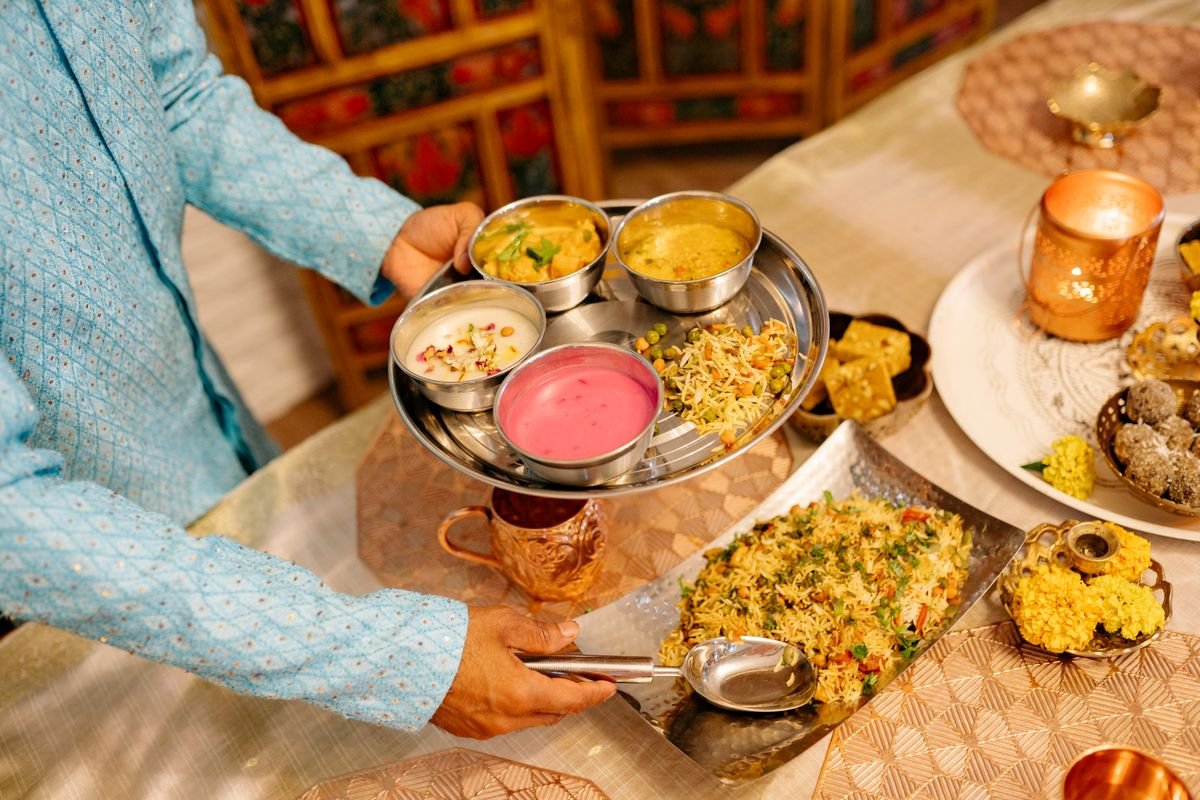
What Is an Ayurveda Dinner?
Ayurveda is a traditional system of medicine that originated in India more than 3,000 years ago. Its name comes from the Sanskrit words “ayur” (life) and “veda” (knowledge). Ayurveda teaches that health depends on balance — between the body, mind, and environment, and between three energies called doshas: Vata, Pitta, and Kapha.
Food is central to this system. Ayurveda does not count calories. Instead, it asks: is this food easy to digest at this time of day? Does it suit my body type? Is it fresh, warm, and cooked? An ayurveda dinner follows these questions. It is a meal light enough to digest before sleep, warm and cooked so it is gentle on the stomach, and eaten early enough — ideally by sunset, or at least two to three hours before bed — that the body can finish digesting it before you lie down. The Healthline guide to the Ayurvedic diet explains the same idea: eat according to your dosha, eat mindfully, and choose foods that are fresh and easy to digest. Dinner is where these rules matter most, because a heavy late meal works against the body’s night-time repair.
Why Dinner Matters So Much in Ayurveda
In Ayurveda, digestion is governed by “agni”, the digestive fire. Agni is strongest at midday and weakest in the evening, just as a real fire burns brightest at noon and dies down after sunset. When you eat a heavy meal at night, your weak evening agni cannot digest it fully. The undigested food, called “ama” in Ayurveda, is said to build up and cause heaviness, gas, acidity, poor sleep, and over time, weight gain.
Modern science does not use the words agni or ama, but it agrees with the practical advice. Eating late at night is linked to poorer sleep, higher blood sugar the next morning, and weight gain, and a large meal close to bedtime can worsen acid reflux, because lying down with a full stomach lets acid flow back into the food pipe. Poor sleep itself affects the whole body — our guide on how sleep quality affects your skin and overall health explains how a single bad night shows up in energy, skin, and mood. That is why an ayurveda dinner should be light, early, and calm, so the body can spend the night repairing instead of digesting.
5 Rules of an Ayurveda Dinner
1. Eat Early — Ideally by Sunset
The first rule of an ayurveda dinner is timing. Ayurveda recommends eating dinner before sunset, or at least by 7 pm. If that is not possible, eat at least two to three hours before bedtime. A meal eaten at 9 pm when you sleep at 11 pm is still being digested when you lie down. A meal eaten at 7 pm is mostly digested by bedtime, so you sleep lighter and wake up fresher.
2. Keep It Light — Half the Size of Lunch
In Ayurveda, lunch is the main meal and dinner the lightest — about half the size of lunch: a small bowl of khichdi, a bowl of soup with a roti, or steamed vegetables with dal, not a full thali with three curries, fried snacks, and dessert. If you feel hungry again before bed, a small cup of warm milk with turmeric is the traditional answer, not a second meal.
3. Eat Warm, Cooked Food — Not Raw or Cold
Warm, cooked food is easier to digest than raw or cold food, especially at night when digestion is weak. Soups, stews, steamed vegetables, dal, and khichdi are ideal; raw salads, cold curd, ice cream, and cold drinks are best avoided. This does not mean never eating salad — only that at dinner, cooked food is kinder to your stomach than raw food.
4. Eat Slowly, Sitting Down, Without Screens
Ayurveda treats eating as an activity in itself, not something to do while watching television or scrolling a phone. Sit down, eat slowly, chew well, and pay attention to the food. Eating slowly helps you notice when you are full, and chewing well is the first step of digestion. A calm, unhurried dinner is easier to digest than the same food eaten quickly while stressed.
5. Drink Warm Water, Not Ice-Cold Drinks
Cold water and cold drinks are said to weaken agni, the digestive fire. At dinner, Ayurveda recommends warm water or a warm herbal drink instead — a small cup of warm water with cumin seeds, or ginger tea. Avoid alcohol and caffeine in the evening entirely: both disturb sleep, and alcohol burdens the liver at the very time it should be resting.
What to Eat in an Ayurveda Dinner
The best foods for an ayurveda dinner are light, warm, soft, and easy to digest:
- Khichdi: Rice and moong dal cooked with mild spices is the classic Ayurvedic dinner — light, complete in protein, easy to digest, and soothing, often recommended for people recovering from illness.
- Vegetable soup: A warm soup of carrots, pumpkin, bottle gourd (lauki), or spinach is light and hydrating, and a bowl of lentil soup gives protein without heaviness.
- Dal and rice: A small bowl of thin dal with a little rice is simple and balanced. Keep the dal light — moong or masoor dal rather than heavy urad dal — with mild spices like cumin, coriander, and turmeric.
- Steamed vegetables: Steamed or lightly sautéed vegetables such as bottle gourd, pumpkin, carrots, beans, and spinach are easy on the stomach. Sweet potato is another gentle option — see our sweet potato benefits guide for how to cook it and who it suits.
- Roti with light sabzi: One small whole-wheat roti with a light vegetable curry is enough. Avoid heavy paneer dishes, deep-fried sabzi, and creamy gravies at night.
- Buttermilk (chaas): A small glass of thin buttermilk with roasted cumin is a traditional Ayurvedic drink with dinner. It is light, aids digestion, and is far better than a sweet lassi or a cold drink at night.
- A light drink: If you feel hungry after dinner, a small glass of sattu — the roasted gram drink popular in India — can be a light, cooling option. Read our guide on sattu benefits for weight loss to learn how it is traditionally prepared.
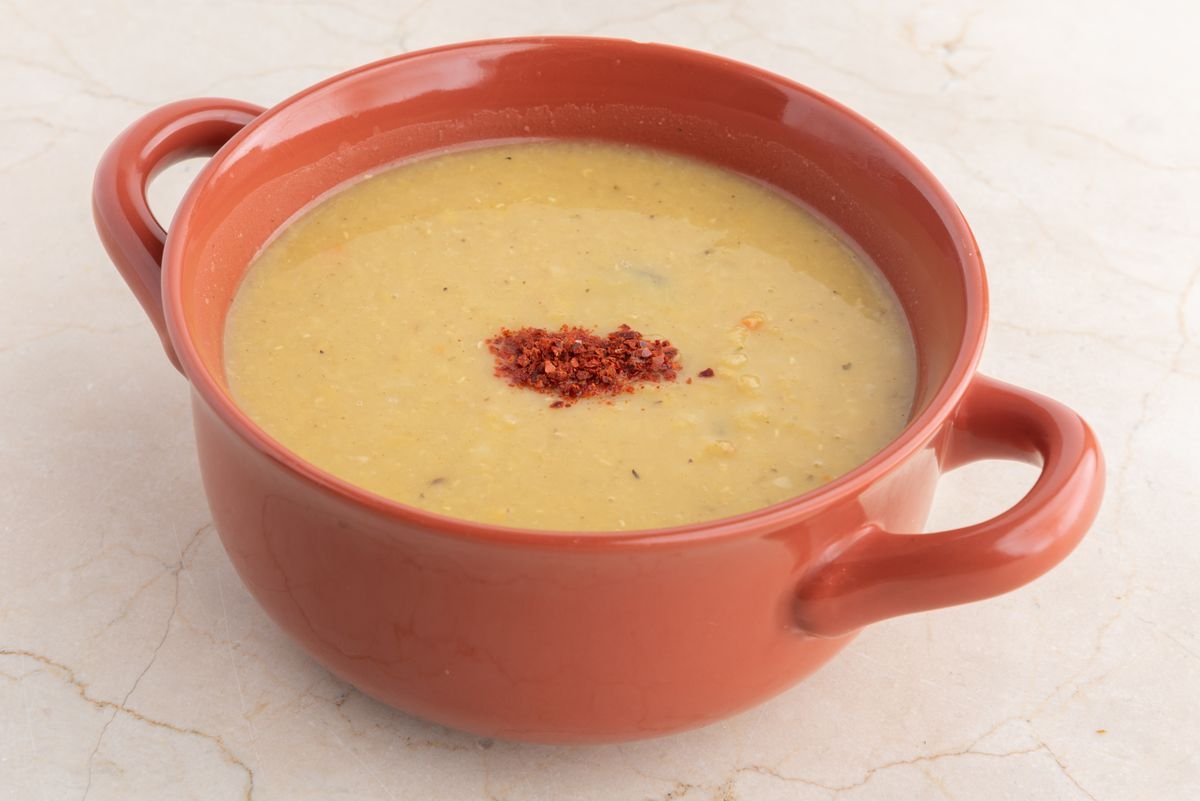
Spices matter too. Ayurveda recommends gentle digestive spices at dinner: cumin, coriander, fennel, ginger, turmeric, and asafoetida (hing). These are said to kindle agni and reduce gas. Avoid very hot chillies and heavy masalas at night — they can cause acidity and disturb sleep.
What to Avoid at Night
Just as important as what to eat in an ayurveda dinner is what not to eat:
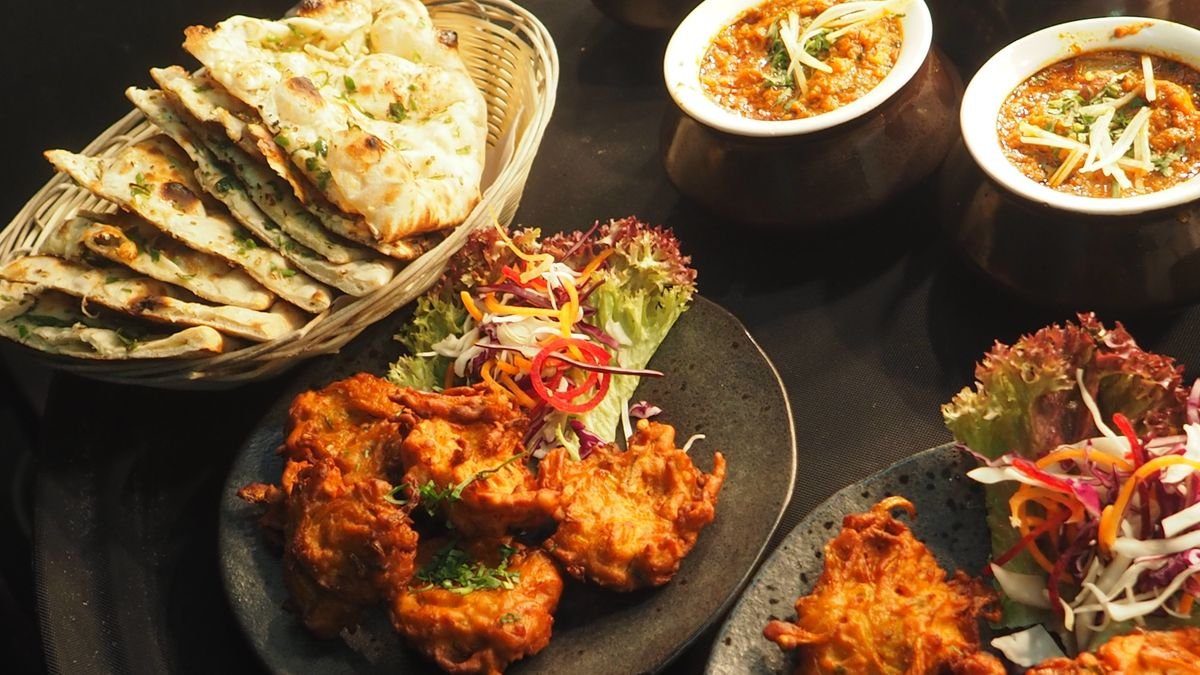
- Heavy, fried food: Pakoras, samosas, fried snacks, and deep-fried curries are hard to digest at night and commonly cause acidity and disturbed sleep.
- Heavy proteins: Red meat, large portions of paneer, and heavy legumes like rajma and chana take a long time to digest — save them for lunch.
- Raw food: Raw salads, raw onions, and uncooked food are harder to digest when agni is weak. If you like salad, have it at lunch instead.
- Cold and leftover food: Food straight from the fridge, reheated leftovers, and cold desserts are discouraged at dinner — Ayurveda prefers freshly cooked, warm food.
- Curd at night: In Ayurveda, curd is generally not recommended at night, because it is said to increase mucus and heaviness. Buttermilk, which is lighter, is the preferred alternative.
- Caffeine, alcohol, and sugary desserts: Tea, coffee, alcohol, and heavy sweets all disturb sleep and digestion. If you want something sweet after dinner, a single date is enough — our guide on the benefits of eating dates daily explains how many to eat and the best time.
- Eating very late: A meal after 9 or 10 pm is the biggest single mistake. Even a light meal eaten very late is worse than a slightly heavier meal eaten early.
Ayurveda Dinner by Dosha
Ayurveda recognises three doshas, or body energies. Most people recognise their own tendency:
- Vata (air and space): Vata types tend to be light, dry, and irregular, often skipping meals and feeling gassy or bloated. For Vata, dinner should be warm, moist, and regular — khichdi with ghee, warm soup, and cooked root vegetables — and eaten at the same time every night.
- Pitta (fire and water): Pitta types tend to be intense, warm, and hungry, getting irritable when hungry and often suffering acidity. For Pitta, dinner should be cooling and mild — steamed vegetables, rice, moong dal, and buttermilk — avoiding very spicy, sour, and fried food.
- Kapha (earth and water): Kapha types tend to be steady, heavy, and slow, gaining weight easily and feeling sluggish after heavy meals. For Kapha, dinner should be the lightest of all — a small bowl of vegetable soup or steamed vegetables with light spices, and no dessert.
Most people are a mix of two doshas. The practical rule is simple: if you tend to feel cold and gassy, eat warmer and moister food; if you tend to feel hot and acidic, eat cooler and milder food; if you tend to feel heavy and sluggish, eat lighter and less.
5 Simple Ayurvedic Dinner Ideas
Here are five complete ayurveda dinner ideas. Each one is light, warm, and easy to prepare:
- Moong dal khichdi: Rice and moong dal cooked with turmeric, cumin, and a spoon of ghee, served with steamed vegetables. The classic Ayurvedic dinner, and the best choice when you feel unwell or tired.
- Vegetable soup and roti: A bowl of mixed vegetable soup — carrot, pumpkin, and bottle gourd — with one small whole-wheat roti. Light, warm, and filling without heaviness.
- Dal, rice, and steamed vegetables: A small bowl of thin moong dal, a small serving of rice, and steamed carrots and beans with cumin. Add a small glass of buttermilk.
- Lauki soup with toast: Bottle gourd soup with ginger and cumin, with one slice of toasted whole-wheat bread. Very light — a good choice when you have eaten a heavy lunch.
- Steamed vegetables with millet: Steamed pumpkin, carrots, and spinach with a small serving of cooked millet or rice, flavoured with turmeric and coriander. A good Kapha-friendly dinner.
Each takes 20 to 30 minutes to cook, uses ordinary ingredients, and leaves you feeling light rather than heavy. Try one for a week and notice how your sleep and morning energy change.
Benefits of an Ayurveda Dinner
People who switch usually notice the benefits within a few days: better digestion, with less gas, bloating, and acidity; better sleep, because the body is not working hard to digest a heavy meal; more morning energy; easier weight management, because a light dinner reduces daily calories and gives a longer overnight fast; and less acid reflux, because eating early and avoiding fried, spicy food at night is one of the simplest ways to reduce it.
These benefits are not magic — they are the natural result of eating lightly, early, and calmly. Modern research on time-restricted eating and late-night eating points in the same direction: when you eat matters almost as much as what you eat.
Who Should Be Careful?
An ayurveda dinner is safe for most healthy adults, but some people should be careful:
- People with diabetes: A light dinner is good, but do not skip dinner entirely — that can cause low blood sugar overnight. Keep a small, balanced meal with protein and fibre, and check your blood sugar as your doctor advises.
- Pregnant women: Do not eat too little at night. A light but nourishing dinner with protein, such as dal and rice, is better than skipping the meal.
- People who are underweight or recovering from illness: A very light dinner may not give enough energy. Add a little more food, or a cup of warm milk before bed, and discuss your diet with your doctor.
- People taking medicines: Some medicines must be taken with food, and some Ayurvedic herbs can interact with medicines. The Memorial Sloan Kettering guide to Ayurveda notes that Ayurvedic herbal preparations can have side effects and interactions, and should be used under supervision — so tell your doctor about any Ayurvedic products you take.
- People with liver disease: A light, early dinner is helpful, but avoid alcohol and heavy food completely. Our fatty liver diet plan for Indian vegetarians lists foods and habits that support liver health.
- Anyone with persistent digestive symptoms: If you have ongoing stomach pain, vomiting, blood in your stool, or diarrhoea that lasts more than a few days, see a doctor rather than changing your diet alone. Our guide on the key signs of gastroenteritis explains the warning signs that need medical care.
Ayurveda is a traditional system, and the US National Center for Complementary and Integrative Health notes that the scientific evidence for many Ayurvedic practices is limited, and that some Ayurvedic products have been found to contain harmful substances. So use the food principles — light, warm, early, fresh — but be cautious with Ayurvedic medicines and herbal products, and always tell your doctor about them.
FAQs — Ayurveda Dinner
What is the best time to eat an ayurveda dinner?
Ayurveda recommends eating dinner before sunset, or at least by 7 pm. If that is not possible, eat at least two to three hours before bedtime, so digestion is mostly finished before you sleep.
What should I eat for dinner in Ayurveda?
The best foods are light, warm, and easy to digest: khichdi, vegetable or lentil soup, thin dal with rice, steamed vegetables, one small roti with light sabzi, and buttermilk. Avoid heavy, fried, raw, and cold food at night.
Is it good to skip dinner in Ayurveda?
No. Ayurveda does not recommend skipping dinner. It recommends a light dinner, not no dinner. Skipping dinner can cause weakness, poor sleep, and low blood sugar, especially for people with diabetes or those who are underweight.
Can I eat curd at night in Ayurveda?
Ayurveda generally advises against curd at night, because it is said to increase mucus and heaviness. Thin buttermilk with roasted cumin is the preferred alternative with dinner.
Is khichdi good for dinner?
Yes. Moong dal khichdi is the classic Ayurvedic dinner — light, complete in protein, easy to digest, and soothing, often recommended for people who are unwell, tired, or recovering from illness.
What should I avoid eating at night in Ayurveda?
Avoid heavy and fried food, red meat, large portions of paneer, heavy legumes like rajma, raw salads, cold food, curd, caffeine, alcohol, and sugary desserts. Also avoid eating very late — a meal after 9 or 10 pm is the biggest single mistake.
Does an Ayurveda dinner help with weight loss?
It can help. A light, early dinner reduces daily calories and gives the body a longer overnight fast. But it works only as part of an overall healthy pattern — a light dinner does not cancel out a heavy lunch or a day of overeating.
Conclusion
An ayurveda dinner is simple: eat early, eat light, eat warm, and eat calmly. Make lunch your biggest meal, and let your ayurveda dinner be a small, warm, freshly cooked meal — khichdi, soup, dal and rice, or steamed vegetables — eaten at least two to three hours before bed. Avoid heavy, fried, raw, and cold food at night, and skip the late-night snacks.
The benefits are practical and quick to notice: easier digestion, less acidity, deeper sleep, and a fresher morning. You do not need special ingredients or a strict diet to start. Cook one of the five dinner ideas in this guide tonight, eat it early and slowly, and see how you feel tomorrow morning. That is the whole secret — not a new rule to follow, but an old rhythm to return to.
Disclaimer: This article is for general health information only and is not a substitute for medical advice. Ayurveda is a traditional system of medicine, and the scientific evidence for many of its practices is limited. If you have diabetes, liver disease, a digestive disorder, or any medical condition, or if you are pregnant, talk to your doctor or a registered dietitian before changing your diet, and tell your doctor about any Ayurvedic medicines or herbal products you use.