

A small blue berry that fits on your fingertip is one of the most studied brain foods in the world. Blueberries are sweet, cheap, easy to eat, and packed with deep-blue pigments called anthocyanins — the same compounds that give the berry its colour and, scientists believe, much of its power for the brain.
The blueberry brain benefits people talk about are impressive: better memory, sharper focus, slower brain ageing, and a brighter mood. But how much is real? The honest answer is that the evidence is promising but still young — mostly small, short studies in older adults — and blueberries help the brain best as part of a healthy diet, not as a magic fruit.
This guide explains why blueberries help the brain, 10 benefits with honest evidence, how many to eat, the best ways to eat them, frozen versus fresh, and who should be careful.
Why Blueberries Help the Brain
Blueberries help the brain mainly because of anthocyanins, the flavonoid pigments that make them blue. Anthocyanins are strong antioxidants: they help protect brain cells from damage caused by free radicals, the unstable molecules linked to ageing and disease. Unlike many plant compounds, anthocyanins can cross the blood-brain barrier, the protective filter around the brain, and collect in the parts of the brain involved in learning and memory — the hippocampus and the cortex. That is one reason researchers take the blueberry brain benefits seriously: the active compounds actually reach the brain.
Blueberries are also rich in vitamin C, vitamin K, manganese and fibre, and they are low in calories — about 80 calories in a cup (around 150 grams), with about 4 grams of fibre. They have a low glycemic index, which means they raise blood sugar slowly. A healthy brain also needs good blood flow, and the flavonoids in blueberries help blood vessels relax and widen, which improves the flow of oxygen and nutrients to the brain. Healthline’s guide to the proven benefits of blueberries explains the same link: the anthocyanins in blueberries are linked to improved brain function, delayed mental decline, and better memory.
Blueberries are not the only brain food, but they are one of the easiest ways to get the blueberry brain benefits into a daily diet — no cooking, no preparation, just a handful a day.

10 Blueberry Brain Benefits
1. May Improve Memory
The best-known of the blueberry brain benefits is memory. Small studies in older adults have found that eating blueberries daily for several weeks can improve memory, especially short-term and working memory — the kind you use to remember a phone number or where you left your keys. The effect is thought to come from anthocyanins improving communication between brain cells and protecting the hippocampus, the brain’s memory centre. The studies are small and short, so this is promising, not proven — but it is the strongest evidence blueberries have for the brain.
2. May Sharpen Focus and Attention
Blueberries may help you concentrate better, especially when you are tired. The flavonoids in blueberries improve blood flow to the brain, and better blood flow means more oxygen and glucose reaching the brain cells that handle attention. Some studies have found that children and adults perform better on attention tasks after drinking blueberry juice or eating blueberries, with the effect appearing within a few hours. The benefit is modest and short-lived — a handful of blueberries is not a substitute for sleep — but as a daily habit it supports the focus you need for study and work.
3. May Support Learning
Learning a new skill — a language, an instrument, a new job — depends on the brain forming new connections between its cells. Anthocyanins are thought to help this process by supporting the growth of new connections and by increasing BDNF (brain-derived neurotrophic factor), a protein that helps brain cells grow and survive. Animal studies show this clearly; human studies are still early. The honest summary is that the blueberry brain benefits for learning are real in animals and plausible in people, but not yet proven in large human trials.
4. May Slow Brain Ageing
As we age, memory and thinking speed naturally decline, and the brain becomes more vulnerable to oxidative stress. Blueberries are one of the most antioxidant-rich foods, and regular eating is linked in population studies to slower cognitive decline in older adults. People who eat berries regularly tend to keep their memory longer than people who rarely eat them. This is association, not proof — berry eaters also tend to eat better overall — but it is consistent with what the laboratory studies show about anthocyanins protecting brain cells.
5. May Lift Your Mood
The blueberry brain benefits include mood. Flavonoid-rich foods are linked to a lower risk of depression in population studies, and blueberries are one of the richest sources of flavonoids. The link is thought to work through reduced inflammation and better blood flow in the brain, and through the gut: the fibre in blueberries feeds good gut bacteria, and the gut and the brain are closely connected — a healthy gut supports a steadier mood. Blueberries are not a treatment for depression, and anyone feeling low for more than two weeks should talk to a doctor, but as a food, they are a good choice for mood.
6. May Improve Blood Flow to the Brain
Good thinking needs good blood flow. The flavonoids in blueberries help the lining of blood vessels work better, so vessels relax and widen and more blood reaches the brain. Better blood flow means more oxygen and nutrients for brain cells, and better clearance of waste. This is also one reason the blueberry brain benefits are linked to heart health: the same flavonoids that help the brain’s blood vessels help the heart’s too. WebMD’s guide to the health benefits of blueberries notes the same point: blueberries support heart health, and a healthy heart supports a healthy brain.
7. May Protect Against Oxidative Stress
Oxidative stress — damage from free radicals — is one of the main drivers of brain ageing and of diseases such as Alzheimer’s and Parkinson’s. Blueberries are among the highest-scoring foods for antioxidant capacity, and their anthocyanins directly neutralise free radicals in the brain. Eating blueberries regularly gives the brain a steady supply of these protectors. This does not mean blueberries prevent Alzheimer’s — no food does — but reducing oxidative stress is one of the most sensible things you can do for long-term brain health, and blueberries are a simple way to do it.
8. May Support the Growth of New Brain Cells
For a long time, scientists believed the adult brain could not grow new cells. We now know it can — in the hippocampus, the memory centre, new neurons are born throughout life, a process called neurogenesis. Animal studies show that blueberry-rich diets increase neurogenesis and improve memory, probably through BDNF and reduced inflammation. Human evidence is still indirect, but the mechanism is real, and it is one of the most exciting blueberry brain benefits being studied today.
9. May Help You Sleep Better
Blueberries contain small amounts of melatonin, the hormone that tells the body it is time to sleep, and their antioxidants may support the body’s own melatonin production. Eating blueberries in the evening will not knock you out like a sleeping pill, but as part of an evening routine — a light dinner, no screens, a regular bedtime — they are a sensible choice. A light, warm dinner eaten early is also good for sleep — our guide to an ayurveda dinner explains why dinner should be light, warm and early, which is good for both digestion and sleep.
10. May Support the Heart-Brain Connection
The brain and the heart share the same blood vessels, so what helps one helps the other. Blueberries are linked to lower blood pressure, better cholesterol, and healthier blood vessels, and all of these support the brain by keeping its blood supply strong. Medical News Today’s guide to blueberries covers this heart-brain link: the same anthocyanins that protect the heart also protect the brain, and eating berries regularly is one of the simplest habits for both. A healthy diet also supports the liver, which processes fats and clears toxins — our fatty liver diet plan for Indian vegetarians lists foods and habits that support liver health.
How Many Blueberries Should You Eat?
To get the blueberry brain benefits, about one cup a day — roughly 150 grams, or a small handful — is the amount most often used in studies and recommended by nutrition experts. That is about 80 calories, so it fits easily into any diet. Half a cup a day is still useful, and more than a cup is fine too, but there is no extra benefit in eating very large amounts.
The key is regularity: eating a cup of blueberries a few times a week, every week, matters far more than eating a whole box once, and that steady habit is what delivers the blueberry brain benefits. Fresh blueberries are in season in summer, but frozen blueberries are just as good — they are frozen at harvest, when the anthocyanins are at their peak, and they are cheaper and available all year. Wild blueberries, the small dark ones, have even more anthocyanins than the larger cultivated kind, so if you can find them, they are the best choice.
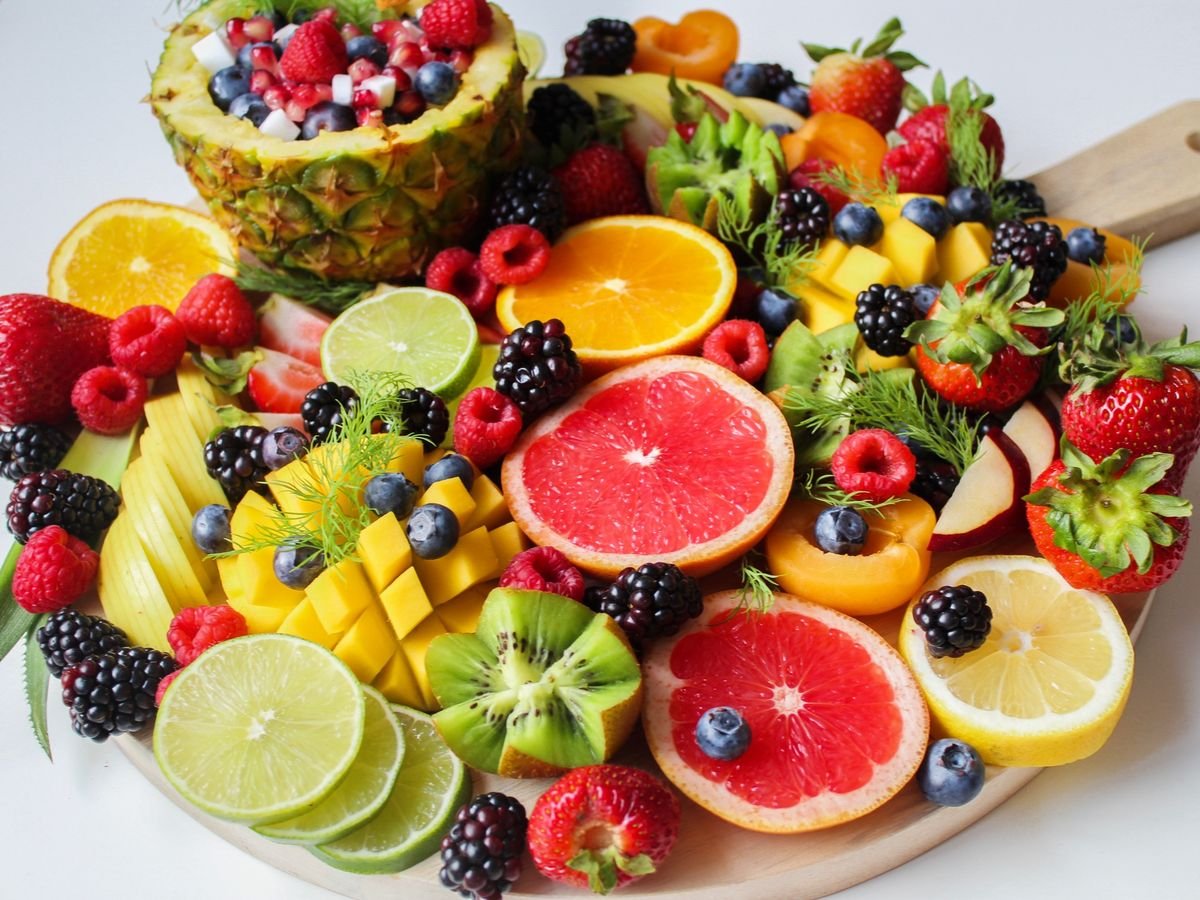
Best Ways to Eat Blueberries
Blueberries are one of the easiest foods to add to your day, because they need no cooking:
- On their own: A handful straight from the box is the simplest snack — wash them first, and eat them slowly.
- With yogurt or curd: A bowl of curd with a handful of blueberries and a spoon of oats makes a filling breakfast that is good for the brain and the gut.
- In a smoothie: Blend a cup of blueberries with a banana, curd and a little milk for a quick breakfast. A smoothie bowl topped with fresh berries, nuts and seeds is a popular way to eat them — and it looks as good as it tastes.
- On oatmeal or porridge: Stir blueberries into hot oats, where they soften slightly and turn the oats a lovely purple.
- In salads: Toss blueberries into a green salad with nuts and cheese — the sweet-sour pop works well with leafy greens.
- Frozen: Eat frozen blueberries straight from the freezer as a cool snack in summer, or blend them into smoothies.
A traditional drink like sattu is another good breakfast choice — it is rich in protein and minerals and has no added sugar — our guide on sattu benefits for weight loss explains how it is traditionally prepared. And if you sweeten your breakfast, remember that jaggery is a traditional option, but it is still sugar — our guide on jaggery benefits explains how it compares with refined sugar and why it needs moderation.

Fresh vs Frozen Blueberries
Fresh blueberries taste best and are ideal when they are in season and cheap. But frozen blueberries are just as nutritious — sometimes more so, because they are frozen within hours of picking, when their anthocyanins are highest, while fresh berries lose some of their goodness during transport and storage. Frozen blueberries are also cheaper, available all year, and perfect for smoothies and cooking.
The one thing to avoid is blueberry products with added sugar: blueberry jam, sweetened dried blueberries, and blueberry-flavoured snacks and drinks usually contain far more sugar than blueberries, and the sugar cancels out much of the benefit. If you want the full blueberry brain benefits, a handful of fresh or frozen blueberries is always better than a blueberry muffin or a blueberry juice drink. Dates are another naturally sweet food that also gives you fibre and iron — our guide on the benefits of eating dates daily explains how many to eat and the best time.
Side Effects and Who Should Be Careful
Blueberries are safe for almost everyone in normal food amounts, but a few people should be careful:
- Blood thinners: Blueberries are rich in vitamin K, which helps blood clot. If you take a blood thinner such as warfarin, a sudden large change in how many blueberries you eat can affect how the medicine works. A normal handful a day is usually fine, but keep your intake steady and tell your doctor.
- Diabetes: Blueberries are low in sugar for a fruit and have a low glycemic index, so they are one of the safest fruits for blood sugar. But they still contain natural sugars, so eat them in a normal portion — a cup, not a whole box — and check your blood sugar as usual.
- Allergy: Blueberry allergy is rare, but it exists, especially in people allergic to other berries. If you develop itching, swelling or trouble breathing after eating blueberries, stop and seek medical help.
- Salicylate sensitivity: Blueberries contain natural salicylates, the same family of compounds as aspirin. People sensitive to aspirin should eat them in moderation.
- Stomach upset: Eating very large amounts of blueberries at once can cause bloating and loose stools, because of their fibre. A cup a day is the sensible amount.
Raw banana flour is another food that supports gut health through its resistant starch — our guide on raw banana flour benefits explains how it works and how to use it — and a healthy gut supports a healthy brain too.
FAQs — Blueberry Brain Benefits
What are the blueberry brain benefits?
The main blueberry brain benefits are better memory, sharper focus, support for learning, slower brain ageing, a brighter mood, better blood flow to the brain, protection against oxidative stress, and support for new brain cells — strongest for memory and blood flow.
How many blueberries should I eat a day for brain health?
About one cup a day — roughly 150 grams, or a small handful — is the amount most often used in studies. Half a cup a few times a week is still useful, and regularity matters more than eating a large amount once.
Are frozen blueberries as good as fresh for the brain?
Yes. Frozen blueberries are frozen at harvest, when their anthocyanins are at their peak, so they keep almost all of their nutrition. They are cheaper, available all year, and just as good for the brain as fresh ones.
Do blueberries really improve memory?
Small studies in older adults have found that eating blueberries daily for several weeks can improve memory, especially short-term and working memory. The evidence is promising but still young — the studies are small and short — so blueberries support memory, they do not guarantee it.
Can blueberries prevent Alzheimer’s disease?
No food can prevent Alzheimer’s. But a diet rich in berries and other flavonoid foods is linked in population studies to slower cognitive decline, and the anthocyanins in blueberries protect brain cells from oxidative stress, which is one factor in brain ageing.
Are blueberries good for children?
Yes. Blueberries are safe and healthy for children, and their flavonoids may help with attention and learning. A small handful in a lunchbox or with breakfast is a good choice. Children should not be given blueberry supplements — whole fruit is the right form.
When should I see a doctor about memory problems?
See a doctor if memory problems are getting worse, if you forget recent conversations or appointments often, if you get lost in familiar places, or if family members are worried about your memory. These can be signs of a condition that needs checking, and no food can replace a proper assessment.
Conclusion
The blueberry brain benefits are real and worth taking seriously: better memory, sharper focus, slower brain ageing, a brighter mood, and better blood flow to the brain, all from a small, sweet fruit that needs no cooking and costs very little. The evidence is still young — mostly small, short studies — so blueberries are not a cure for anything, and they work best as part of a healthy diet with good sleep, regular movement, and other brain-friendly foods.
Start simply: a cup of blueberries a day, fresh in summer and frozen in winter, with yogurt, oats, or on their own. Give it a few weeks, and keep it going for months — the brain changes slowly, and the habits that help it are the ones you can keep. A handful of blueberries a day is one of the easiest upgrades you can make to your diet, and your brain will thank you for it.
Disclaimer: This article is for general health information only and is not a substitute for medical advice. Blueberries are a healthy food, not a treatment for memory loss, Alzheimer’s disease, depression, or any medical condition. If you have memory problems that are getting worse, depression, diabetes, or any medical condition, or if you take blood thinners or any regular medicine, talk to your doctor before changing your diet. Seek medical care promptly if you notice sudden confusion, severe memory loss, or any worrying symptom.