

In Indian kitchens, buttermilk — chaas — is not a health fad. It is the glass that arrives after lunch, thin, cool, lightly spiced with roasted cumin and salt, and it has been arriving that way for generations. Long before probiotic drinks came in fancy bottles, grandmothers were serving the same idea in a steel glass: leftover curd, churned, diluted, and seasoned.
The benefits of drinking buttermilk daily are real, but they are also easy to exaggerate. Buttermilk is not a medicine, and it will not melt fat or cure disease. What it is, is a low-calorie, protein- and calcium-rich fermented drink that supports digestion, keeps you hydrated in hot weather, and fits easily into a daily routine — at a cost of almost nothing.
This guide explains what buttermilk actually is, 12 benefits with honest evidence, how much to drink and when, how to make plain and masala chaas at home, how it compares with lassi and curd, and who should be careful.
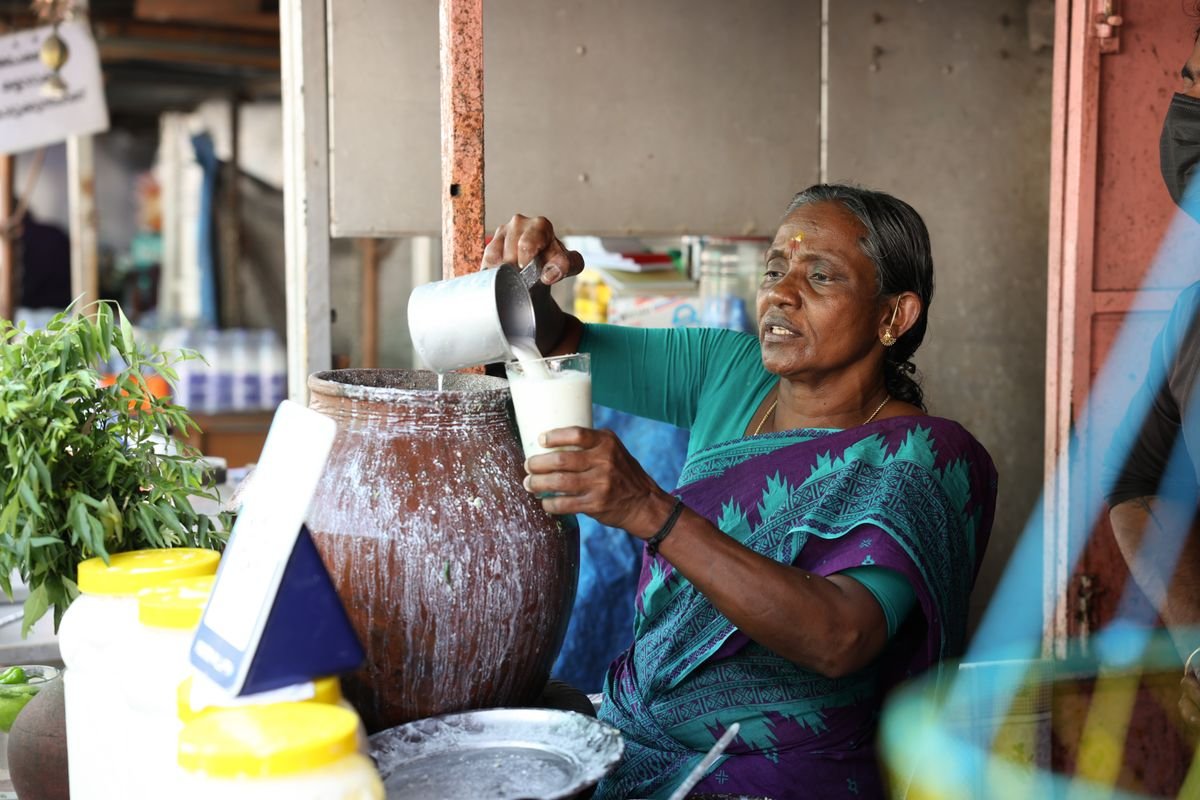
What Is Buttermilk, Really?
There are two kinds of buttermilk, and the difference matters more than most people realise.
Traditional buttermilk is the thin liquid left after churning butter from curd. It is naturally fermented, lightly sour, and contains live lactic-acid bacteria — the same kind of friendly microbes that make curd good for the gut. This is the chaas of Indian homes, and it is the version this article is about.
Cultured buttermilk, sold in cartons in supermarkets in the US and Europe, is milk with bacterial cultures added to it. It is thicker, tangier, and often used for baking. Healthline’s guide to probiotic foods makes an important distinction: traditional buttermilk contains probiotics, while cultured supermarket buttermilk generally does not have probiotic benefits, because the cultures used are not the probiotic kind.
So when you read about the benefits of drinking buttermilk daily, check which kind is meant. A glass of homemade chaas made from live curd is a probiotic drink. A carton of cultured buttermilk is still nutritious — protein, calcium, B vitamins — but it is not a probiotic. In India, the homemade kind is the default, which is good news: the cheapest version is also the best one.
A cup (about 240 ml) of traditional buttermilk has roughly 30–40 calories, about 2 grams of protein, very little fat, and useful amounts of calcium, phosphorus, potassium, vitamin B12 and riboflavin. It is mostly water, which is why it hydrates so well in summer.
12 Benefits of Drinking Buttermilk Daily
1. Improves Digestion
This is the best-known of the benefits of drinking buttermilk daily, and the one with the most support. The live bacteria in traditional buttermilk help keep the gut’s microbial balance healthy, which supports regular digestion and reduces bloating after heavy meals. The lactic acid in buttermilk also helps the stomach work more efficiently. That is why chaas is traditionally served after lunch, not before it: it helps the meal you have just eaten digest better. It is a gentle aid, not a treatment — if you have persistent acidity, ulcers or IBS, buttermilk can help or hurt depending on the cause, so pay attention to how your own stomach responds.
2. May Ease Bloating and Gas
Bloating after a meal is often caused by food sitting too long in the stomach, or by gas-forming foods like beans, cabbage and onions. Buttermilk helps in two small ways: its acidity supports digestion, and its live cultures support the gut bacteria that break food down. A glass of thin chaas with a pinch of roasted cumin and black salt after a heavy lunch is one of the oldest Indian remedies for a heavy, gassy stomach — and it works, modestly, for most people. Do not expect it to fix bloating caused by overeating or by a food intolerance; it eases the symptom, it does not remove the cause.
3. Keeps You Hydrated in Hot Weather
Buttermilk is about 90% water, with a pinch of salt and natural electrolytes — potassium, sodium and calcium — which is exactly what the body loses in sweat. In Indian summers, a glass of cool chaas hydrates better than plain water for many people, because the salt helps the body hold on to the water, and the taste makes you drink more of it — and that cooling hydration is one of the most practical benefits of drinking buttermilk daily in summer. Our guide to functional drinks for gut health compares buttermilk with kombucha, kefir and prebiotic sodas on sugar, live cultures, cost and availability — and buttermilk wins on cost and availability in India by a wide margin.
4. Low in Calories, So It Helps With Weight
A cup of buttermilk has about a quarter of the calories of a cup of full-cream milk, and far fewer than a sweet lassi or a soft drink. That makes it one of the easiest swaps for weight management: replace a sugary drink after lunch with chaas, and you save 100–150 calories a day without feeling hungry, because the protein in buttermilk still fills you up. Buttermilk does not burn fat — no drink does — but it helps you stay in a calorie deficit without feeling deprived, and that easy calorie saving is one of the quieter benefits of drinking buttermilk daily. A traditional drink like sattu works the same way: it is filling, protein-rich and cheap — our guide on sattu benefits for weight loss explains how it is traditionally prepared.
5. Supports Gut Bacteria (Probiotics)
Traditional buttermilk is a probiotic food: it contains live Lactobacillus and other lactic-acid bacteria. These microbes help maintain the gut microbiome, the community of bacteria that affects digestion, immunity and even mood. After a course of antibiotics or a stomach infection, the gut’s good bacteria can be depleted, and fermented foods like buttermilk, curd and kefir help rebuild them. The effect is real but modest — a glass of chaas is not a probiotic capsule, and its bacterial strains and amounts vary with every batch of curd. Medical News Today’s guide to yogurt explains the same idea for fermented milk foods: the probiotics in them help regulate the digestive system and can reduce gas, diarrhoea, constipation and bloating, which is another of the benefits of drinking buttermilk daily. For a stronger probiotic effect, eat it daily and combine it with fibre-rich foods, which feed the good bacteria. Raw banana flour is one food that supports gut health through its resistant starch — our guide on raw banana flour benefits explains how it works and how to use it.
6. Good for Bones — Calcium, Phosphorus and B12
Buttermilk is a useful source of calcium, phosphorus and vitamin B12, all of which matter for bones. A cup provides roughly 10–12% of the daily calcium an adult needs, in a form the body absorbs well, because the fermentation makes the minerals more available. It will not replace milk or curd for bone health — both have more calcium per cup — but as a daily drink it adds up, and that steady calcium top-up is one of the long-term benefits of drinking buttermilk daily. For older adults, who often drink less milk, a glass of chaas a day is an easy way to top up calcium without extra calories. Vitamin D, which buttermilk does not naturally contain, is still needed to absorb that calcium, so sunlight and a balanced diet matter too.
7. May Help Lower Blood Pressure
Some studies have found that buttermilk, and the bioactive peptides produced during its fermentation, can help lower blood pressure slightly. The mechanism is plausible: fermented dairy produces peptides that inhibit the same enzyme targeted by some blood-pressure medicines, and the potassium in buttermilk helps balance sodium. The effect is small — a few points, not a cure — and it only appears with regular, daily drinking, so the blood-pressure support is one of the slower benefits of drinking buttermilk daily. Buttermilk is not a substitute for blood-pressure medicine, and anyone with hypertension should keep taking their medicine and check their pressure regularly. Think of it as a supportive habit, not a treatment.
8. Easier to Digest Than Milk
Many people who cannot digest milk comfortably can drink buttermilk without trouble. Fermentation breaks down much of the lactose in milk into lactic acid, so there is less lactose left to cause problems. WebMD’s guide to buttermilk notes the same point: people with lactose intolerance may find buttermilk easier to digest than standard milk, because the bacteria have already done part of the digestive work. This is not a guarantee — people with severe lactose intolerance or a milk allergy can still react — so start with a small glass and see how you feel. For people who gave up milk because it upset their stomach, being able to enjoy dairy again is one of the most welcome benefits of drinking buttermilk daily. And it does not apply to cultured buttermilk in the same way, because its lactose content is higher.
9. Cools the Body and Soothes Acidity
In Ayurveda, buttermilk is considered cooling, and it is recommended in summer and for people with excess heat in the body. There is a simple truth behind the tradition: a cool, thin, mildly acidic drink soothes a hot, irritated stomach, and it is gentler than cold water on an empty stomach. Many people find that a glass of plain chaas calms mild acidity after a spicy meal. But the opposite can also happen: for people with severe acidity, reflux or ulcers, the acidity of buttermilk can make things worse. If chaas burns your chest, stop drinking it on an empty stomach, drink it after food instead, and talk to a doctor if the acidity keeps coming back.
10. Good for Skin — From the Inside
Buttermilk will not clear your skin on its own, and any claim that it does is exaggerated. But the chain is real: better digestion and better hydration usually show up on the skin, because a settled gut and enough water mean fewer breakouts and less dullness for many people. Buttermilk also contains riboflavin (vitamin B2) and B12, both of which support healthy skin, and the lactic acid in it is the same gentle exfoliant used in skincare — though drinking it is not the same as applying it. Treat this benefit honestly: chaas supports skin as part of a healthy diet, it is not a skin treatment — but that inside-out support is still one of the gentler benefits of drinking buttermilk daily.
11. Provides Protein Without Heaviness
A cup of buttermilk gives about 2 grams of protein — less than milk, but in a form that is light and easy to digest, and with almost no fat. For people who find milk heavy, or who want a light protein top-up between meals, it is a useful option. It is not a protein drink — dal, curd, eggs and sattu give far more protein per serving — but as a daily habit it adds a little protein without adding heaviness or calories. For older adults and for people recovering from illness, that lightness is exactly the point: something nourishing that the stomach accepts easily.
12. Cheap, Simple and Easy to Keep Up
The last of the benefits of drinking buttermilk daily is the most practical one: it is the easiest healthy habit to keep. It costs almost nothing — it is made from curd you already have — it takes two minutes to make, it needs no special equipment, and it tastes good. Health habits fail when they are expensive, complicated or unpleasant. Buttermilk is none of those, which is why it has survived in Indian homes for centuries while fancier health drinks come and go. A habit you actually keep beats a perfect habit you quit after a week.
How Much Buttermilk Should You Drink, and When?
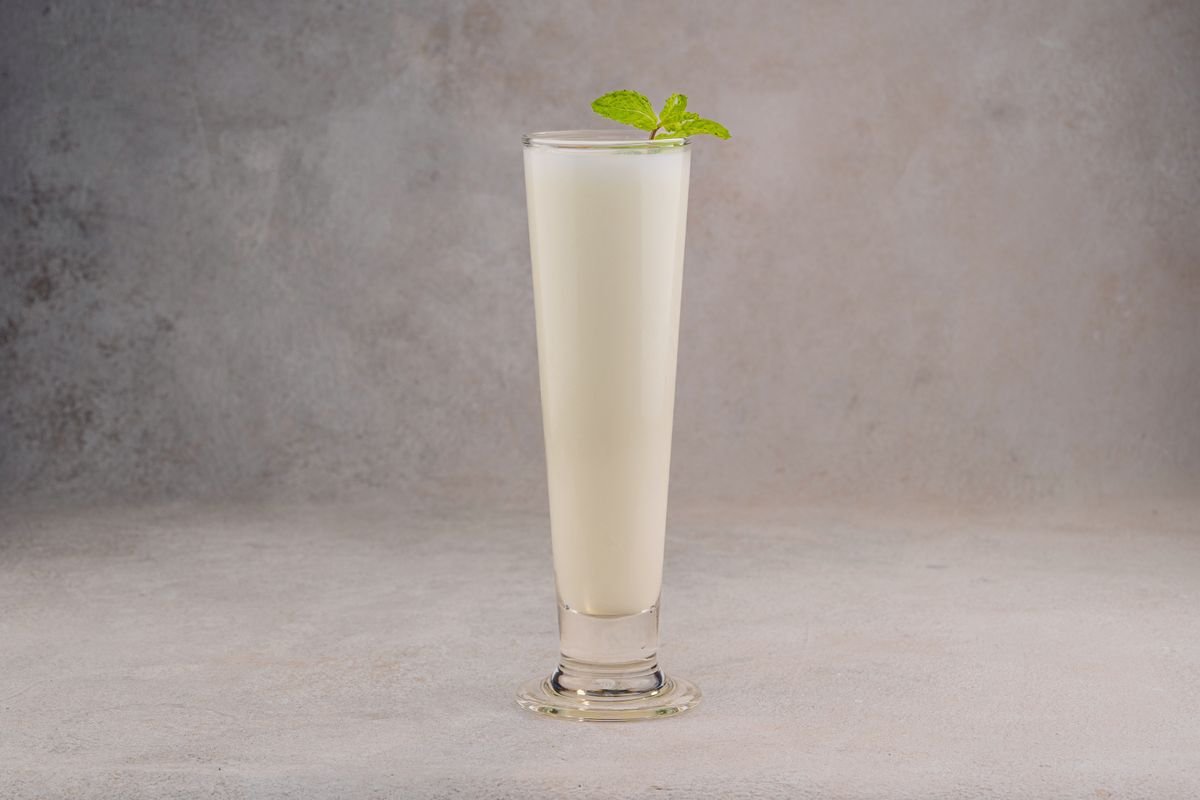
One to two glasses a day — about 240 to 480 ml — is the sensible amount for most adults, and that is enough to get the benefits of drinking buttermilk daily without overdoing the salt. One glass after lunch is the classic timing, and it is the best one: it aids digestion of the meal, rehydrates you in the afternoon, and keeps you full until evening. A second glass can be taken after dinner, or in the evening in summer, but avoid drinking a large glass late at night if it disturbs your sleep — the salt and fluid can mean a trip to the bathroom.
Drink it fresh, the same day it is made. Buttermilk kept in the fridge is fine for a day, but after that it turns too sour and the live cultures decline. Do not drink it first thing in the morning on an empty stomach if you have acidity — after food is safer. And do not add sugar: sweet chaas is a dessert, not a health drink, and the sugar cancels out much of the benefit. If you sweeten your food, remember that jaggery is a traditional option, but it is still sugar — our guide on jaggery benefits explains how it compares with refined sugar and why it needs moderation.
How to Make Buttermilk at Home
Plain chaas takes two minutes. Whisk one part fresh curd with three parts cool water until smooth, add a pinch of salt, and drink it. That is the whole recipe, and it is the best version for daily drinking.
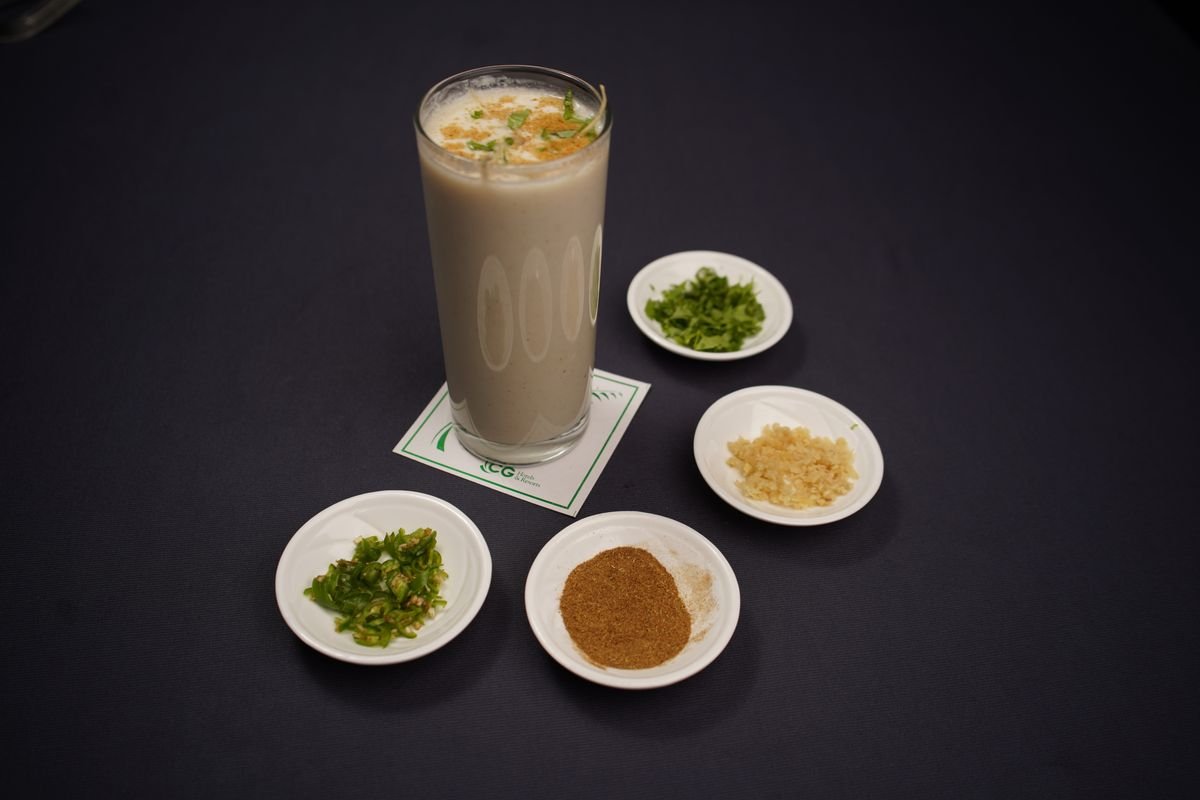
Masala chaas adds flavour and digestion: to the plain chaas, add a pinch of roasted cumin powder, a pinch of black salt, a few chopped curry leaves or coriander, and a small piece of grated ginger. Some people add a pinch of asafoetida (hing) for gas. Stir well and serve cool, not ice-cold — very cold drinks slow digestion.
A few practical notes: use fresh curd, not sour curd, for a daily drink — sour curd makes chaas too acidic. Use steel or glass, not plastic, for storing. And if you buy buttermilk, check the label: it should list live cultures and no added sugar. If it lists sugar, flavouring or a long list of additives, it is a soft drink with a healthy name.
Buttermilk vs Lassi vs Curd — What Is the Difference?
People mix these up, so here is the simple version. Curd (dahi) is set milk, thick and spoonable, with the most protein and the most live cultures per spoonful. Buttermilk (chaas) is curd thinned with water and churned — lighter, more hydrating, fewer calories, and easier to drink in quantity. Lassi is curd blended thick, often sweetened, sometimes with fruit — a meal in a glass, with far more calories and sugar than chaas. For daily drinking, chaas is the best choice: it gives you the probiotic benefit of curd in a light, hydrating form you can drink every day without gaining weight. For a filling breakfast, curd or a small lassi is better. They are the same family, used differently.
Side Effects and Who Should Be Careful
Buttermilk is safe for almost everyone in normal food amounts, but a few people should be careful:
- Milk allergy: Buttermilk is a dairy product. People with a true milk allergy should not drink it at all — fermentation does not remove the milk proteins that cause allergy.
- Severe lactose intolerance: Most people with mild intolerance tolerate buttermilk, but severe cases can still react. Start with half a glass and see how you feel.
- Acidity, reflux and ulcers: Plain chaas helps mild acidity, but it can worsen severe acidity and reflux, especially on an empty stomach. Drink it after food, keep it thin and lightly salted, and stop if it burns.
- Kidney disease: Buttermilk contains potassium and phosphorus, which people with kidney disease are often told to limit. Check with your doctor before drinking it daily.
- High blood pressure and salt: A pinch of salt in chaas is fine, but if you add a lot of salt — or drink several salty glasses a day — the sodium adds up. Keep the salt light, especially if you have high blood pressure.
- Diabetes: Unsweetened buttermilk is low in sugar and safe for most people with diabetes, but sweetened or flavoured buttermilk is not — check the label and avoid added sugar.
- Sour or stale buttermilk: Do not drink buttermilk that has been kept for more than a day, or that smells strongly sour. Stale fermented drinks can cause stomach upset.
Fasting also has a place in a healthy routine for some people: a gentle daily fast, such as eating within a 12-hour window, gives the digestive system a rest — our guide on fasting benefits explains how to start safely and who should not fast. And a light, warm dinner eaten early supports digestion too — our guide to an ayurveda dinner explains why dinner should be light, warm and early, which is good for both digestion and sleep.
FAQs — Benefits of Drinking Buttermilk Daily
What are the benefits of drinking buttermilk daily?
The main benefits of drinking buttermilk daily are better digestion, less bloating, hydration in hot weather, low calories for weight management, probiotic support for gut bacteria, calcium for bones, easier digestion than milk, and a cooling effect on the stomach — all at almost no cost.
How much buttermilk should I drink a day?
One to two glasses a day — about 240 to 480 ml — is the sensible amount for most adults. One glass after lunch is the classic timing. More than that is not harmful for most people, but it adds salt and can cause loose motions in some people.
What is the best time to drink buttermilk?
After lunch is the best time, because it aids digestion of the meal and rehydrates you in the afternoon. After dinner is also fine. Avoid drinking a large glass late at night, and avoid it on an empty stomach if you have acidity.
Is buttermilk good for weight loss?
It helps, indirectly. Buttermilk is very low in calories and filling for its size, so replacing a sugary drink with chaas saves 100–150 calories a day. But it does not burn fat on its own — weight loss still needs a sensible diet and movement.
Is buttermilk good for acidity?
For mild acidity after a spicy meal, plain chaas often helps. For severe acidity, reflux or ulcers, it can make things worse, especially on an empty stomach. Drink it after food, keep it thin, and talk to a doctor if acidity keeps coming back.
Can I drink buttermilk every day if I am lactose intolerant?
Many people with mild lactose intolerance tolerate buttermilk well, because fermentation breaks down much of the lactose. Start with half a glass and see how you feel. People with severe intolerance or a milk allergy should be careful, and should check with a doctor.
Is buttermilk better than curd?
Neither is better — they are used differently. Curd has more protein and more live cultures per spoonful. Buttermilk is lighter, more hydrating and lower in calories, so you can drink it daily in larger amounts. For a daily drink, chaas wins; for a filling food, curd wins.
Conclusion
The benefits of drinking buttermilk daily are modest, honest and worth having: better digestion, less bloating, good hydration, low calories, probiotic support, calcium for bones, and a drink that is easy on the stomach and the wallet. It will not cure disease or melt fat, and the cultured carton version is not the same as the traditional homemade kind — but a glass of fresh, unsweetened chaas after lunch is one of the simplest healthy habits in Indian food, and it has lasted for centuries for a reason.
Start simply: one glass after lunch, made from fresh curd, water, a pinch of salt and roasted cumin. Keep it up for a few weeks and notice how your stomach feels after meals. That is the real test of a health habit — not what it promises, but whether you can keep it, and whether your body thanks you for it.
Disclaimer: This article is for general health information only and is not a substitute for medical advice. Buttermilk is a healthy food, not a treatment for acidity, high blood pressure, diabetes, or any medical condition. If you have a milk allergy, severe lactose intolerance, kidney disease, high blood pressure, or any medical condition, or if you take regular medicine, talk to your doctor before drinking buttermilk daily. Seek medical care promptly if you notice a rash, swelling, severe stomach pain, or any worrying symptom.