

Papaya is one of the most underrated fruits in India. It grows easily, it is cheap, it is available all year, and it is eaten in almost every home — as a fruit, in salads, in sabzi when raw, and as a digestive remedy after heavy meals. Our grandmothers served papaya after dinner for a reason: it settles the stomach.
The papaya benefits for digestion are real and well studied. Papaya contains papain, an enzyme that breaks down protein and helps the stomach digest food, along with fibre, vitamin C, vitamin A and antioxidants. Research supports its use for constipation, bloating and gut health, and it is one of the gentlest digestive remedies there is — a food, not a medicine.
This guide explains what papaya is, what is inside it, 10 papaya benefits for digestion and overall health, the best ways to eat papaya, when to eat it, and who should be careful.
What Is Papaya?
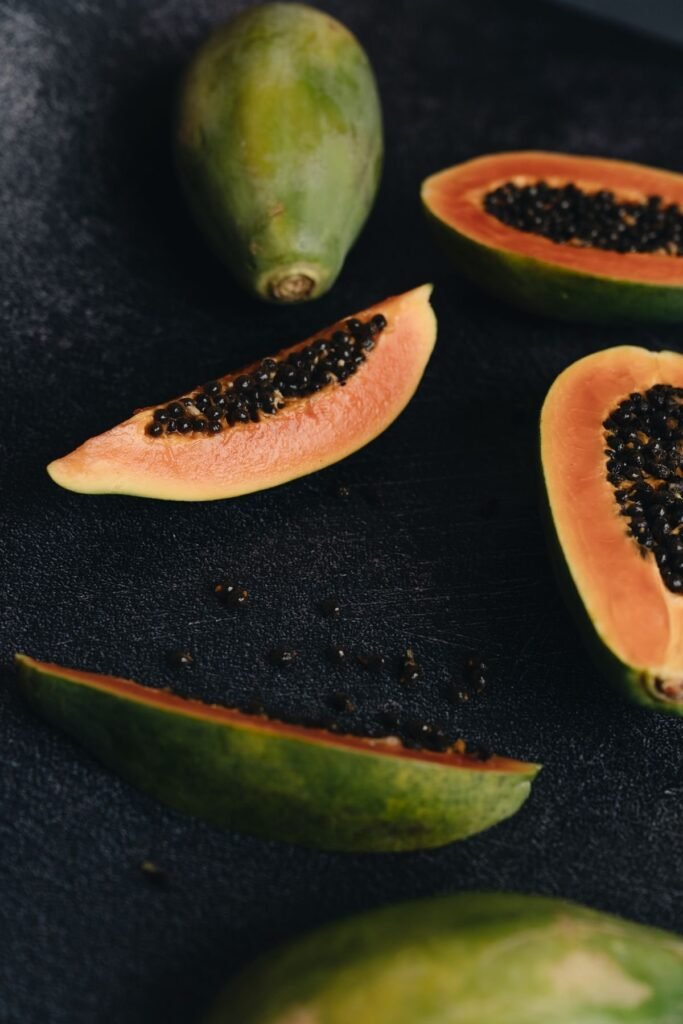
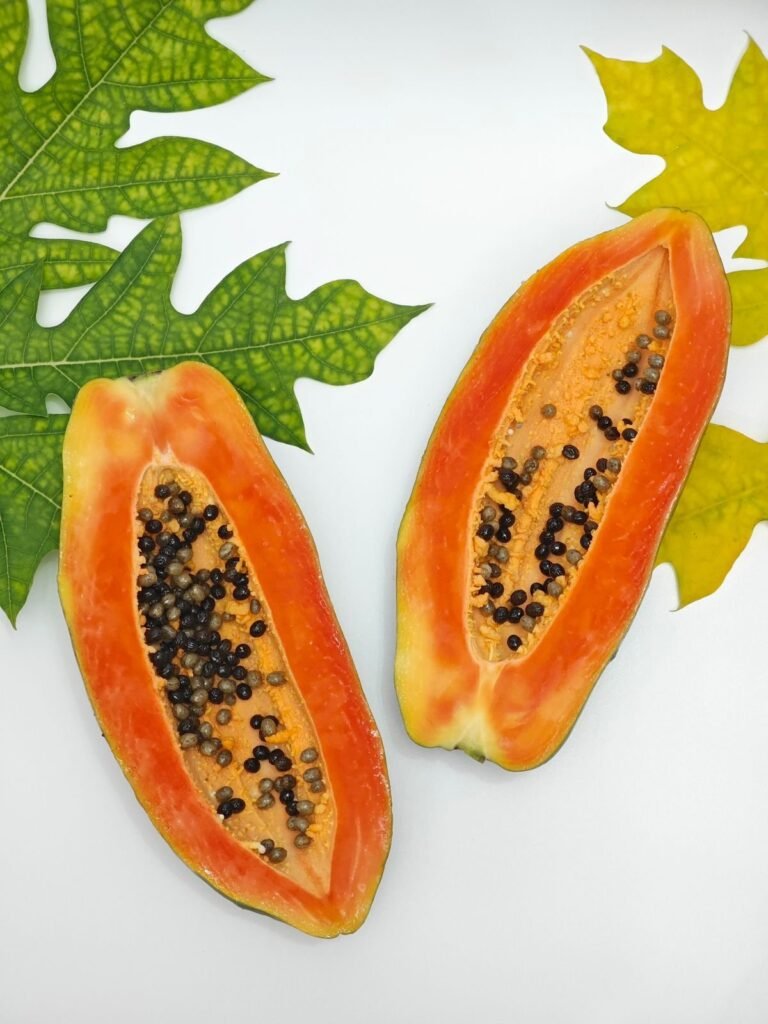
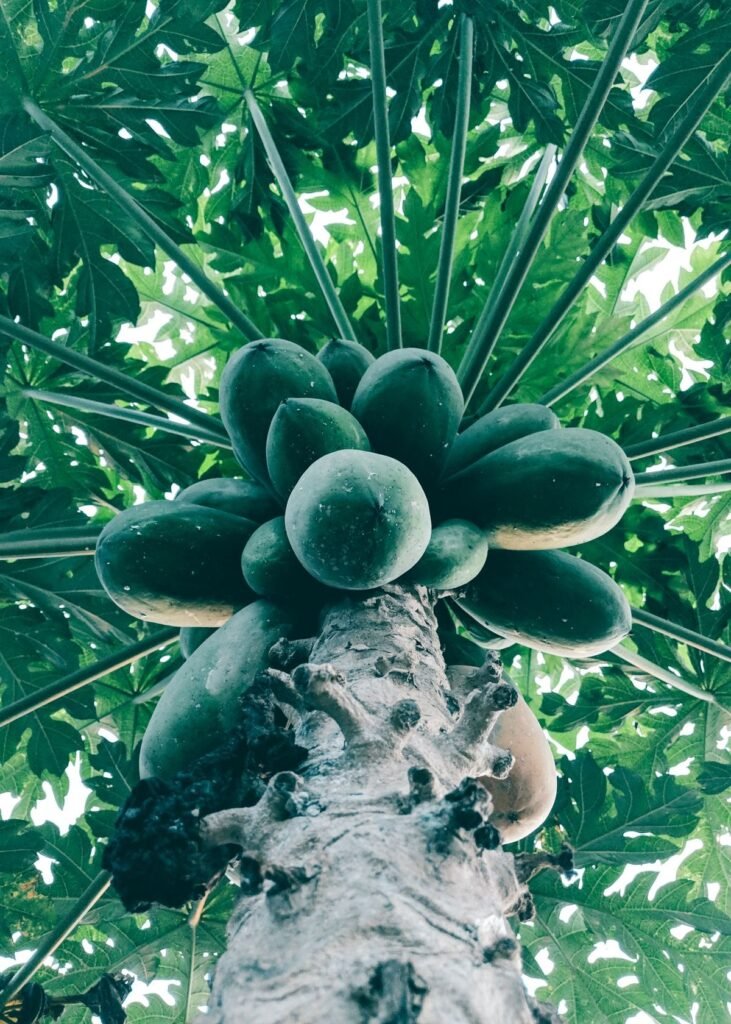
Papaya is the fruit of the papaya tree (Carica papaya), a fast-growing plant native to Central America and now grown across India, Southeast Asia and other tropical regions. The fruit is large and oval, with green skin that turns yellow-orange as it ripens, sweet orange flesh, and a central cavity full of small black seeds.
In India, ripe papaya is eaten as a fruit, while raw (green) papaya is cooked as a vegetable, added to curries, and used as a meat tenderiser — because papain breaks down tough protein, people have used papaya to tenderise meat for thousands of years. The leaves, seeds and latex of the plant are also used in traditional medicine, though this guide is about the ripe fruit, which is the safest and most useful part.
Papaya is different from most fruits because of papain. No other common Indian fruit contains a protein-digesting enzyme in such amounts, which is why papaya has a special place in digestion. Our triphala benefits guide explains another Ayurvedic remedy for digestion that works well alongside papaya.
What Is Inside Papaya?
The papaya benefits for digestion start with what is inside the fruit. One small papaya (about 152 grams) gives you roughly 68 calories, 3 grams of fibre, 98 mg of vitamin C (more than the daily requirement), vitamin A, folate, potassium, calcium and magnesium. Per 100 grams, papaya contains about 43 calories and 1.7 grams of fibre.
Papaya is also rich in antioxidants, especially carotenoids such as lycopene and beta-carotene, and it contains two enzymes — papain and chymopapain — that digest protein and reduce inflammation. Healthline’s guide to the benefits of papaya notes that papaya is high in vitamin C and antioxidants, and that papain may help with digestion. WebMD adds that papaya’s fibre and enzymes may help with digestion and reduce inflammation. Medical News Today also covers papaya’s nutrition, health benefits and risks in detail.
10 Papaya Benefits for Digestion
1. Relieves Constipation
The best-known of all papaya benefits for digestion is relief from constipation. Papaya’s fibre adds bulk to the stool and helps it move through the intestines, and its high water content (about 88 percent) keeps the stool soft. Eating papaya in the morning is one of the simplest and most effective home remedies for constipation in India.
For constipation, eat a bowl of ripe papaya on an empty stomach in the morning, and drink enough water through the day. Our guide on constipation home remedies lists more Indian foods and habits that work well alongside papaya. If constipation lasts more than two weeks, or comes with pain, blood or unexplained weight loss, see a doctor.
2. Reduces Bloating and Gas
Papaya may help with bloating and gas in the same way it helps constipation. Papain helps the stomach break down protein more completely, so less undigested food reaches the gut bacteria that produce gas. The fibre also keeps digestion moving, which reduces the heavy, swollen feeling of bloating.
For bloating, eat papaya after a heavy meal rather than before it, and chew it slowly. Our guide on bloating after eating explains the common causes and more natural ways to reduce it — papaya is one of the gentlest options on that list.
3. Helps Digest Protein-Rich Meals
Papain is the reason papaya is special. It is a proteolytic enzyme, which means it breaks down protein into smaller pieces that the stomach can handle more easily. That is why papaya is traditionally eaten after a heavy, protein-rich meal, and why raw papaya is used to tenderise meat.
If you often feel heavy after eating dal, paneer, eggs or meat, try a small bowl of papaya afterwards. It will not undo a very heavy meal, but it makes digestion noticeably easier. People who take papain supplements should know that the enzyme in fresh fruit is gentler and safer than concentrated supplements.
4. Soothes Acidity and Heartburn
Papaya may help with acidity and heartburn. Its alkaline nature and its enzymes may calm an irritated stomach lining, and its fibre helps food move through the stomach instead of sitting and producing acid. In Ayurveda, ripe papaya is recommended for people with acidity, while raw papaya is avoided because it is harder to digest.
For acidity, eat ripe papaya — not raw or unripe — and eat it in the morning or as a snack, not immediately after a large meal. If acidity is frequent or severe, see a doctor, because it can be a sign of gastritis or reflux disease that needs treatment.
5. Supports a Healthy Gut Microbiome
The papaya benefits for digestion include support for the gut microbiome — the trillions of bacteria that live in the intestines. Papaya’s fibre feeds the good bacteria, and research suggests that fermented papaya may improve gut health. A healthy gut microbiome is linked to better digestion, stronger immunity and even better mood.
Papaya works best for the gut as part of a varied diet. Our guide on fermented foods for gut health explains the other foods that feed good gut bacteria — curd, buttermilk, idli, dosa and pickles — and papaya fits naturally alongside them.
6. May Help with IBS Symptoms
Papaya may help some people with irritable bowel syndrome (IBS), especially constipation-type IBS. Its fibre and enzymes may reduce bloating and make bowel movements more regular, and it is generally well tolerated. A small study found that papaya extract improved constipation and bloating in people with IBS, though the study used a concentrated extract, not fresh fruit, so the effect of eating papaya itself is likely milder.
If you have IBS, introduce papaya slowly — start with a small bowl every other day — and notice how your gut responds. Everyone with IBS is different, and a food diary helps more than any single remedy. Our guide on gut health and anxiety explains the gut-brain connection, which matters for IBS because stress and digestion affect each other.
7. Supports Weight Management
Papaya may help with weight management in two small ways. First, it is low in calories (about 43 per 100 grams) and high in water and fibre, so it fills you up without adding many calories. Second, its fibre and enzymes support digestion, which reduces bloating and makes the belly look flatter.
The effect is modest — papaya will not cause weight loss on its own. But as a snack, it is far better than biscuits, namkeen or sweets. A bowl of papaya with a handful of nuts is a filling, healthy evening snack that supports both digestion and weight.
8. Supports Heart Health
Papaya is good for the heart because of its fibre, potassium, vitamin C and antioxidants. Fibre helps lower LDL (bad) cholesterol, potassium helps control blood pressure, and antioxidants like lycopene protect blood vessels from damage. Healthline notes that papaya’s high vitamin C and lycopene content may reduce the risk of heart disease.
If you have high blood pressure or heart disease, keep taking your prescribed medicine — papaya is a support, not a replacement. But as part of a heart-healthy diet, it is one of the best fruits to eat regularly.
9. Supports Healthy Skin
The papaya benefits for digestion are linked to its skin benefits, because gut health and skin health are connected. Papaya’s vitamin C supports collagen production, which keeps skin firm, and its antioxidants protect skin cells from damage. Papain is also used in face packs and scrubs because it gently removes dead skin.
Eating papaya helps skin from the inside, and a papaya face pack — mashed ripe papaya applied for 15 minutes — can brighten dull skin. But keep expectations realistic: papaya supports skin health, it does not clear acne or remove pigmentation on its own.
10. May Help Control Blood Sugar
Papaya may help with blood sugar control. It has a low glycaemic index for a sweet fruit, and its fibre slows down how quickly sugar from food enters the blood. Some studies suggest papaya’s antioxidants may also support blood sugar management, though the evidence is early.
For people with diabetes, papaya is one of the safer fruits — but portion matters. A small bowl (about one cup) is a sensible serving; a whole large papaya at once is too much sugar. If you take diabetes medicine, check your sugar after eating papaya the first few times to see how your body responds.
How to Eat Papaya for Digestion
The papaya benefits for digestion are easy to get, because papaya is simple to eat. Here are the five best ways:
- Eat it ripe, on an empty stomach. Eat a bowl of ripe papaya in the morning, before breakfast. This is the traditional way and the best for constipation, because the fibre and enzymes work on an empty stomach.
- Eat it after a heavy meal. A small bowl of papaya after lunch or dinner helps digest a protein-rich meal. Do not eat a large quantity at night — a small bowl is enough.
- Papaya smoothie. Blend ripe papaya with curd and a little honey for a cooling breakfast smoothie. The curd adds probiotics, which support the gut further. Do not add sugar — papaya is sweet enough on its own.
- Papaya salad. Mix papaya cubes with cucumber, lemon juice, black salt and a little chaat masala. This is a light, digestive evening snack that is far better than fried snacks.
- Raw papaya as a vegetable. Cook raw green papaya as a sabzi or add it to dal. Raw papaya has more papain than ripe papaya, which is why it is used as a meat tenderiser, but it must always be cooked — never eat raw papaya uncooked, especially during pregnancy.
When and How Much Papaya to Eat
One to two cups (about 150 to 300 grams) of ripe papaya a day is a sensible amount for most adults. That is roughly one small papaya, or half a large one. Eat it in the morning or as a snack, not late at night, and not immediately after a very heavy meal.
Choose a ripe papaya: the skin should be mostly yellow-orange, the fruit should give slightly when pressed, and it should smell sweet. An unripe papaya is hard, green and bitter — it is only for cooking, not for eating raw. Store a ripe papaya in the fridge and eat it within two or three days.
Who Should Be Careful with Papaya?
Papaya is safe for most people, but some people should be careful:
- Pregnant women should avoid unripe and semi-ripe papaya, because its latex may stimulate contractions. Ripe papaya in normal amounts is generally considered safe, but ask your doctor first.
- People allergic to latex may also react to papaya, because papaya contains similar proteins. Stop eating it if you get itching, swelling or a rash.
- People taking blood thinners should tell their doctor, because papaya may slow blood clotting in large amounts.
- People with diabetes should watch the portion — a small bowl is fine, a whole large papaya at once is too much sugar.
- People with a latex or pollen allergy (especially to birch pollen) may react to papaya. Start with a small amount the first time.
Papaya seeds are traditionally used as a remedy for intestinal worms, but the evidence is mixed and the seeds are very bitter. Do not eat large quantities of seeds, and do not give them to children.
Papaya vs Banana vs Apple: Which Is Better for Digestion?
Papaya, banana and apple are the three most common digestive fruits in India. Papaya is best for constipation and protein digestion, because of papain and fibre, and it is the gentlest on an empty stomach. Banana is best for quick energy and for loose motions, because of its potassium and soluble fibre. Apple is best for overall gut health, because of pectin, a soluble fibre that feeds good gut bacteria. In practice, rotate between them: papaya in the morning, banana as a snack, and apple in the evening. Our guide on isabgol benefits for constipation explains a stronger fibre remedy for when fruit alone is not enough — isabgol (psyllium husk) is the classic Indian remedy for stubborn constipation.
FAQs About Papaya Benefits for Digestion
Can I eat papaya every day?
Yes, one to two cups of ripe papaya a day is safe for most adults. Eating it in the morning on an empty stomach is the best habit for digestion.
Is papaya good for constipation?
Yes, papaya is one of the best fruits for constipation, because of its fibre, water content and papain. Eat it in the morning and drink enough water through the day.
Should I eat papaya before or after meals?
Both work, but for digestion, eat it on an empty stomach in the morning or as a snack between meals. A small bowl after a heavy meal also helps digest protein.
Can people with diabetes eat papaya?
Yes, in small portions. Papaya has a low glycaemic index for a sweet fruit, but a whole large papaya at once is too much sugar. Stick to one small bowl and check your sugar.
Conclusion
The papaya benefits for digestion are real, simple and easy to get. Papaya relieves constipation, reduces bloating, helps digest protein, soothes acidity, supports the gut microbiome and even helps the heart, skin and blood sugar. It costs very little, it is available all year, and it has been used safely for centuries.
Start tomorrow morning: eat a bowl of ripe papaya on an empty stomach, and notice how your stomach feels through the day. Use it daily for two weeks and see the difference. That is the honest test — and for most people, it works.
If you liked this guide, read our triphala benefits guide next, and try rotating papaya with other gut-friendly foods through the week.
Disclaimer: This article is for general information only and is not medical advice. Papaya is a food, not a medicine. Pregnant women should avoid unripe papaya. If you are pregnant, breastfeeding, taking regular medicine, or have a medical condition, talk to your doctor before making major diet changes. If symptoms persist or get worse, seek medical care.