

If you have ever had a sore throat in an Indian home, someone has probably handed you a small brown stick and said, “chew this”. That stick is mulethi — licorice root — one of the oldest remedies in Ayurveda. It tastes sweet — almost fifty times sweeter than sugar — and has been used for thousands of years for cough, acidity, mouth ulcers and skin problems.
The mulethi benefits go far beyond a sore throat. Mulethi contains glycyrrhizin, flavonoids and other plant compounds with anti-inflammatory, antimicrobial, antioxidant and soothing properties. Modern research supports several traditional uses, especially for the throat, stomach and skin — though it also warns that too much mulethi can raise blood pressure, so dose and duration matter.
This guide explains what mulethi is, what is inside it, 10 mulethi benefits, how to use it safely, how much to take, and who should avoid it.
What Is Mulethi?
Mulethi is the Hindi name for licorice root, the dried root of the licorice plant (Glycyrrhiza glabra). The plant grows in Asia, Southern Europe and the Middle East, and in India it is used in Ayurveda, in kadha, in paan, and as a natural sweetener. The root is sold as whole sticks, cut pieces, powder and tea, with a sweet, earthy taste and a mild anise flavour.
In Ayurveda, mulethi is considered cooling and sweet, used to balance pitta, soothe the throat and stomach, and clear the skin. It is one of the most common ingredients in Ayurvedic cough syrups and kadha — our immunity kadha recipe uses it alongside tulsi, ginger and other herbs.
Mulethi is not the same as the black licorice candy sold in the West, which often contains very little real licorice root and a lot of sugar — this guide is about the real root and its powder. It is different from giloy and tulsi, though all three are used for immunity — our giloy benefits guide explains how giloy works for fever and immunity rather than for the throat.

What Is Inside Mulethi?
The mulethi benefits come from its chemistry. The root contains glycyrrhizin (also called glycyrrhizic acid), responsible for both its sweetness and most of its effects, plus flavonoids such as glabridin and liquiritin, saponins, coumarins and small amounts of minerals.
Healthline’s guide to licorice root explains that it contains nearly 300 compounds, and that glycyrrhizin gives it antioxidant, anti-inflammatory and antimicrobial properties — and also the reason mulethi must be used carefully, since it can raise blood pressure and lower potassium in large amounts or over a long time.
10 Mulethi Benefits
1. Soothes Sore Throat and Cough
The best-known of all mulethi benefits is for a sore throat. Mulethi coats and soothes the irritated throat lining, reduces inflammation, and helps loosen mucus so a cough becomes more productive. That is why it is in almost every Ayurvedic cough syrup and why chewing a small piece of root is the traditional first remedy for a sore throat.
For a cough, chew a small piece of mulethi stick slowly or drink warm mulethi tea with honey twice a day. Our guide on home remedies for cold and cough lists more options that work well alongside mulethi, including ginger, honey and steam. If a cough lasts more than two weeks, comes with fever, blood or breathlessness, see a doctor — mulethi soothes a cough, it does not treat pneumonia or tuberculosis.
2. May Ease Acidity and Heartburn
Mulethi may help with acidity, heartburn and indigestion. It increases mucus production in the stomach lining, which protects the stomach wall from acid, and its anti-inflammatory effects calm an irritated gut. Some studies have found deglycyrrhizinated licorice (DGL, mulethi with glycyrrhizin removed) helpful for functional dyspepsia and heartburn.
Healthline notes that in a 30-day study of 50 adults with indigestion, a 75-mg licorice capsule twice daily improved symptoms compared with a placebo. For everyday acidity, a cup of mulethi tea after meals is the gentlest way to use it — and our guide on gas problem home remedies lists more kitchen remedies that pair well with mulethi.
3. Supports Digestion
The mulethi benefits for digestion go beyond acidity. Mulethi may help with bloating, stomach pain and sluggish digestion by reducing gut inflammation and supporting the stomach lining. In Ayurveda, it is given after meals for heaviness and used in formulas for gastritis and ulcers.
Medical News Today notes that licorice root may help treat peptic ulcers, partly because it may fight H. pylori, the bacterium behind many ulcers. The evidence is promising but not conclusive, and ulcers need medical treatment — mulethi can support healing, not replace antibiotics or prescribed ulcer medicine. Our triphala benefits guide explains another Ayurvedic remedy for digestion that works well on alternate days with mulethi.
4. May Help Heal Mouth Ulcers
Mulethi is a traditional remedy for mouth ulcers: its anti-inflammatory and antimicrobial compounds may help ulcers heal faster and hurt less. In Ayurveda, mulethi powder is applied directly to the ulcer or used as a mouth rinse.
To use it, mix half a teaspoon of mulethi powder with a little honey into a paste and apply it to the ulcer two or three times a day, or rinse your mouth with cooled mulethi tea. If mouth ulcers keep coming back, are very large, or do not heal within two weeks, see a dentist or doctor — recurring ulcers can signal a vitamin deficiency or another condition.
5. Supports Healthy Skin
The mulethi benefits for skin come from glabridin, a flavonoid that may reduce pigmentation and calm inflammation. Mulethi extract is used in many skin-lightening and anti-acne products, and research suggests it may help eczema, acne and dark spots by reducing melanin production and fighting skin bacteria.
Healthline notes that in a two-week study of 60 adults, a gel containing licorice root extract significantly improved eczema. For home use, mix mulethi powder with rose water or milk into a face pack and apply it once or twice a week. Do a patch test first, and keep expectations realistic — mulethi supports skin health, it does not remove pigmentation or clear severe acne on its own.
6. May Help with Hair Fall
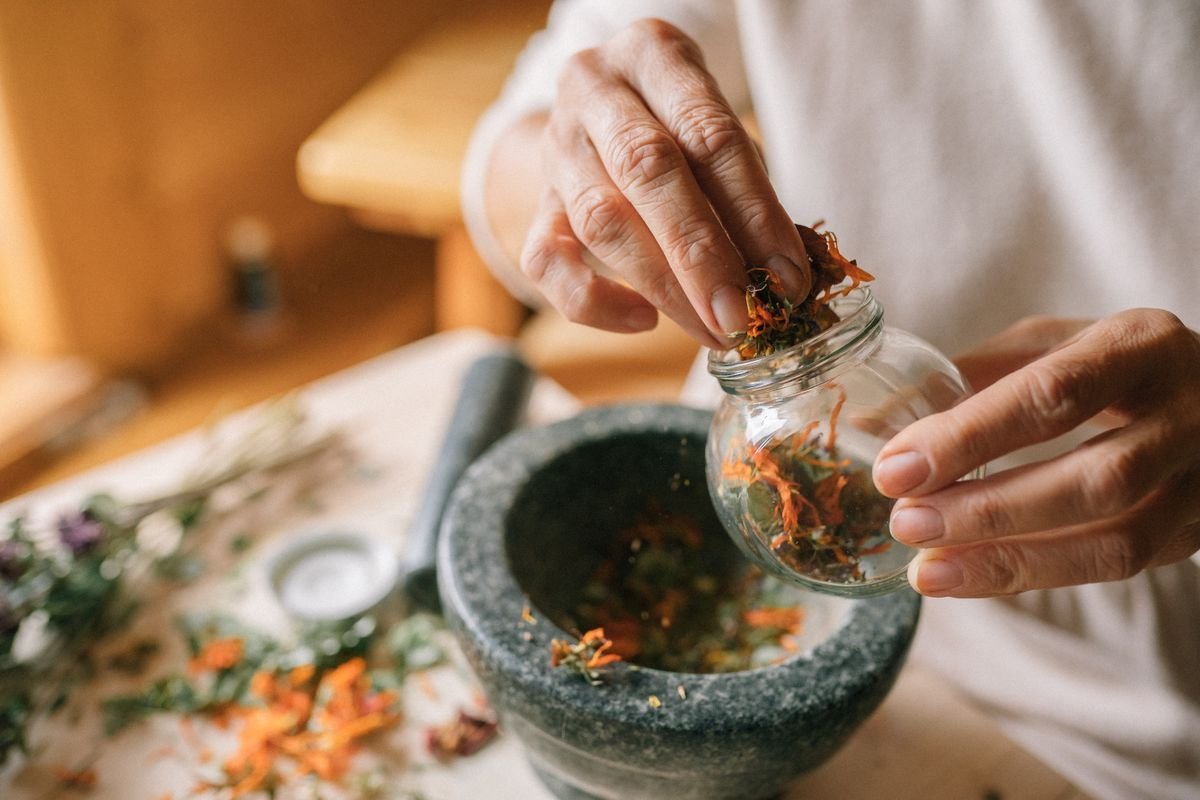
Mulethi is traditionally used for hair fall and scalp health. Its anti-inflammatory compounds may soothe an irritated scalp, and it is believed to strengthen hair roots and reduce dandruff. It is a common ingredient in Ayurvedic hair oils and hair packs.
Mix mulethi powder with coconut or amla oil, massage it into the scalp, leave it for an hour and wash it off, once or twice a week. If hair fall is severe, get your iron, vitamin D and thyroid levels checked — mulethi helps the scalp, but it does not fix a nutrient deficiency or a hormonal cause.
7. Supports Immunity
Mulethi is traditionally used to strengthen immunity. Its antioxidants help fight the free radicals that weaken the immune system, and its antimicrobial action may help the body fight infections. In Ayurveda, mulethi is a standard kadha ingredient, the immunity decoction drunk during seasonal change.
A cup of kadha with mulethi, tulsi and ginger once a day during winter is the traditional immunity habit — our immunity kadha recipe gives the full method. Do not drink kadha every day for months without a break; strong herbs are best used in short courses.
8. May Ease Joint Pain and Inflammation
Mulethi contains compounds with anti-inflammatory effects and is traditionally used for joint pain and swelling. Some animal and test-tube studies suggest licorice flavonoids may reduce inflammation, though human evidence for joint pain specifically is limited.
For joint pain, mulethi works best as a support alongside the basics: regular gentle movement, a healthy weight and enough sleep. It is not a replacement for prescribed arthritis medicine — ask your doctor before using mulethi daily if you take regular medicine for joints.
9. May Support Liver Health
The liver filters everything we eat and drink, and mulethi’s antioxidants may help protect it from damage. Animal studies suggest licorice root extract can reduce oxidative stress in the liver, and in Ayurveda mulethi is given as part of liver-supporting routines for this reason.
The evidence is from animal studies, not human trials, so do not overstate this benefit. For liver health, the basics remain: avoid alcohol, eat less fried food, stay at a healthy weight, and do not take unnecessary medicines. Mulethi can support a healthy liver; it cannot repair a damaged one.
10. May Help with Stress and Tiredness
Mulethi has traditionally been used as a tonic for tiredness and low energy. It is believed to support the adrenal glands, which manage the body’s stress response, and some small studies suggest licorice may help with fatigue — though the evidence here is early and mostly traditional.
A cup of mulethi tea in the morning is a gentle way to use it for energy, but it is not a substitute for sleep. If you are tired all the time, check your sleep, iron, vitamin D and thyroid levels first — no herb fixes exhaustion caused by poor sleep or a deficiency.
How to Use Mulethi at Home
The mulethi benefits are easy to get, because the methods are simple. Here are the five most useful ways:
- Mulethi tea. Add half a teaspoon of mulethi powder (or a small piece of root) to a cup of boiling water. Simmer for 5 minutes, strain, add honey if you like, and drink it warm — best for sore throat, cough and acidity, once or twice a day for up to two weeks.
- Chew the stick. Chew a small piece of mulethi root slowly and swallow the juice — the oldest method and the best for a sore throat, because the root coats the throat directly. A small piece, two or three times a day, is enough.
- Mulethi powder with honey. Mix half a teaspoon of mulethi powder with a teaspoon of honey and take it twice a day for cough and sore throat — the simplest method, and the one most Ayurvedic doctors recommend first.
- In kadha. Add mulethi to your kadha with tulsi, ginger, black pepper and cinnamon. Boil, strain and drink it warm — our immunity kadha recipe gives exact quantities, and mulethi is one of its key ingredients.
- Face pack. Mix one teaspoon of mulethi powder with rose water or raw milk into a smooth paste. Apply it to the face for 15 minutes, then wash it off, once or twice a week for pigmentation and dull skin. Do a patch test first.
How Much Mulethi Per Day?
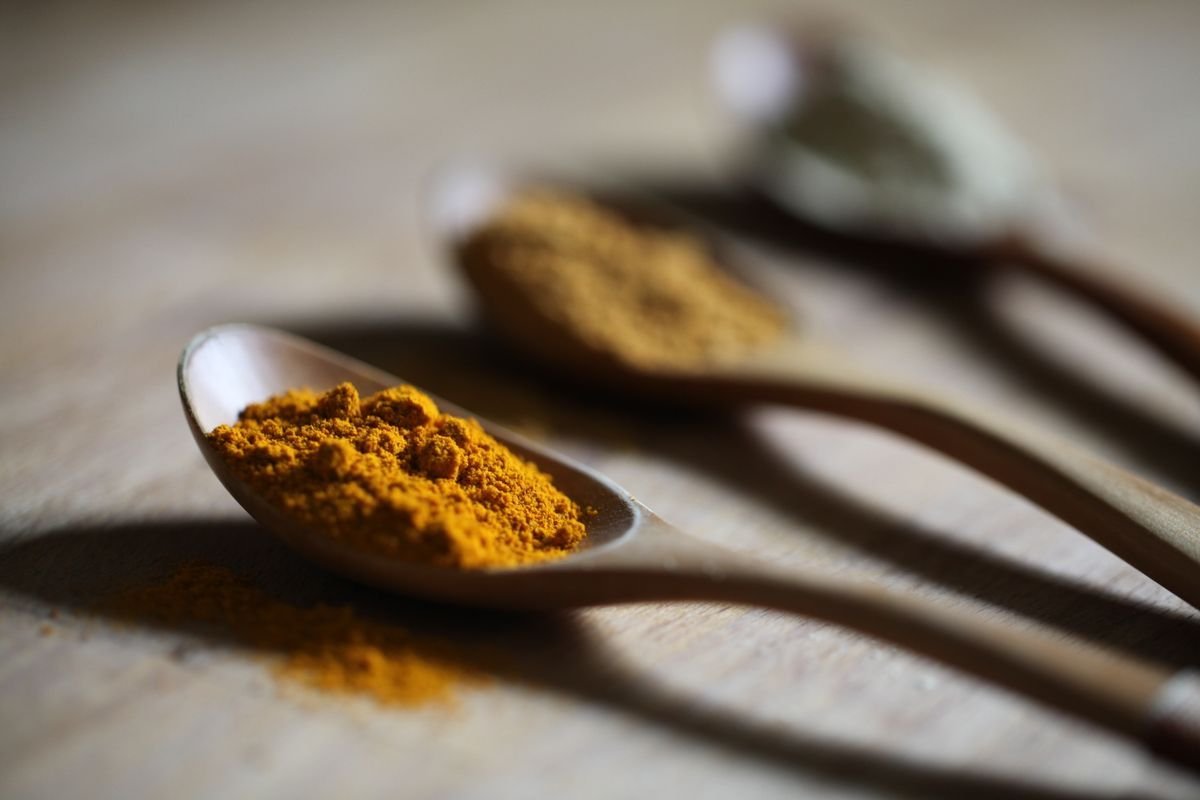
For most adults, half to one teaspoon (about 1 to 2 grams) of mulethi powder per day, or one small stick chewed two or three times a day, is sensible. Use it for short courses of one to two weeks, then take a break. Do not take mulethi daily for months — glycyrrhizin builds up and can raise blood pressure and lower potassium.
Deglycyrrhizinated licorice (DGL) has the glycyrrhizin removed and is safer for longer use, especially for acidity and ulcers. If you need mulethi for more than two weeks, ask a doctor or Ayurvedic practitioner about DGL instead.
Who Should Avoid Mulethi?
Mulethi is safe for most people in small amounts for short periods, but some people should be careful:
- People with high blood pressure should avoid mulethi — glycyrrhizin can raise blood pressure further and lower potassium. This is the most important warning.
- Pregnant and breastfeeding women should avoid mulethi in medicinal amounts, because it may affect pregnancy. Food amounts are different — ask your doctor.
- People with kidney disease, heart disease or liver disease should not take mulethi without a doctor’s advice.
- People taking blood pressure medicine, diuretics (water tablets), blood thinners or diabetes medicine should tell their doctor, because mulethi can interact with them — WebMD’s licorice page lists these interactions in detail.
- Children can have small amounts in kadha or tea, but do not give mulethi powder or strong mulethi tea to babies and young children without a doctor’s advice.
Stop using mulethi and see a doctor if you get a headache, swelling in the legs, muscle weakness, or your blood pressure rises after using it. These can be signs of glycyrrhizin building up.
Mulethi vs Giloy vs Tulsi: Which Is Better?
Mulethi, giloy and tulsi are the three most famous immunity herbs in Indian homes, often used together in kadha. Mulethi (licorice root) is sweet and soothing — best for sore throat, cough, acidity and mouth ulcers, and the one to be most careful with because of blood pressure. Giloy is bitter and warming — best for fever, immunity and blood sugar, as our giloy benefits guide explains. Tulsi (holy basil) is calming and gentle — best for stress, colds and daily use as a tea, as our tulsi holy basil benefits guide explains. In practice, many homes use all three: tulsi tea every morning, giloy during fever season, and mulethi for a sore throat or cough.
FAQs About Mulethi Benefits
Can I take mulethi every day?
Yes, but only for short courses of one to two weeks — half to one teaspoon of powder a day is safe for most healthy adults. Do not take it daily for months, because glycyrrhizin can raise blood pressure and lower potassium.
Is mulethi good for cough?
Yes, mulethi is one of the best traditional remedies for cough and sore throat — chew a small piece of root or drink mulethi tea with honey twice a day. If the cough lasts more than two weeks, see a doctor.
Can people with high blood pressure take mulethi?
No — people with high blood pressure should avoid mulethi, because it can raise blood pressure further. DGL (deglycyrrhizinated licorice) is a safer alternative; ask your doctor first.
Is mulethi safe for children?
In small amounts, yes — a little mulethi in kadha or tea is fine for older children, but do not give mulethi powder or strong mulethi tea to babies and young children without a doctor’s advice.
Conclusion
The mulethi benefits are real and wide-ranging: a soothed throat, less cough, calmer acidity, better digestion, clearer skin and stronger immunity. Mulethi has been India’s sweet root medicine for thousands of years, and modern research is slowly confirming what tradition knew.
Use it wisely: mulethi tea for your throat, mulethi powder with honey for a cough, mulethi in kadha during seasonal change — always in short courses, never every day for months. That is how a strong medicine stays safe, especially if you watch your blood pressure.
If you liked this guide, read our giloy benefits guide next, and try adding mulethi to your kadha this winter — in small amounts, for two weeks at a time.
Disclaimer: This article is for general information only and is not medical advice. Mulethi is a strong medicinal herb. Pregnant and breastfeeding women, children, and people with high blood pressure, kidney disease, heart disease or liver disease, or people taking regular medicine, should talk to a doctor before using mulethi. If symptoms persist or get worse, seek medical care.