
Mounjaro India weight loss is one of the most searched health topics of 2025 and 2026. A patient asks her doctor whether Mounjaro or Ozempic can help her lose weight. Her doctor explains that these medicines do not melt fat away, rather they change appetite after eating and how fast food leaves the stomach. The weight-loss results depend on diet, training, sleep and your body’s starting point. When used carefully, GLP-1 weight loss in India — with drugs such as Mounjaro (tirzepatide) and Ozempic (semaglutide) — can be life-changing for an individual who has lived with obesity for years. When these drugs are used in a rush or without a doctor’s supervision, they can also cause extreme nausea, muscle loss and vomiting.
In this guide, we explain how these injections work, how much weight people usually lose in India, their side effects, their cost and why protein matters more than ever when you use them.
What Are GLP-1s and How Do They Work?
GLP-1 (glucagon-like peptide-1) is a hormone your gut makes after you eat. Its main job is to make the pancreas release insulin when blood sugar rises. In simple words, it tells the body to release insulin after sugary food intake to bring blood sugar down. GLP-1 is also released when you feel full because it causes a signal to communicate to your brain that you are full sooner, resulting in less hunger feeling. GLP-1s are lab-made copies of this natural hormone. They work in three ways:
- Making you feel full quickly: by signalling your brain earlier that the stomach is beginning to fill.
- Reducing cravings: by allowing the brain to maintain eating habits rather than automatically returning to snacks.
- Improving blood sugar levels: by slowing how quickly food leaves the stomach, so sugar rises more slowly.
Mounjaro vs Ozempic: Which GLP-1 Is Better for Weight Loss?
| Medicine | Key ingredient | How it works | Typical weight loss | Main use | Who it might be used for |
|---|---|---|---|---|---|
| Mounjaro | Tirzepatide | Uses two hormones — GLP-1 and GIP | 0.11 kg per week to 0.21 kg per week | Weight loss and blood sugar (type 2 diabetes) | People with diabetes and obesity, and obese people if their doctor advises it |
| Ozempic | Semaglutide | Uses one hormone — GLP-1 | 0.075 kg per week to 0.16 kg per week | Weight loss and blood sugar (type 2 diabetes) | People with diabetes and weight to lose |
| Wegovy | Semaglutide | Uses one hormone — GLP-1 | 0.1 kg per week to 0.24 kg per week | Weight loss only | People who are obese or overweight with health risks |
| Rybelsus | Semaglutide | GLP-1 in oral tablet form | Varies | Blood sugar (type 2 diabetes) | People who prefer once-daily tablets |
| Other GLP-1 medicines | Mainly tirzepatide | Same action as Mounjaro | Varies | Weight loss and blood sugar | People who are unsure of which GLP-1 to choose |
| “Slimming” or “fat-burner” injections | Not GLP-1 | Not related to appetite hormones | Very little evidence | Weight loss | Anyone seeking off-label weight loss |
| “Mounjaro/KwikPen” | Tirzepatide | Same as Mounjaro | Not sold in India yet | Weight loss and diabetes | People unable to access the injectable form |
These are general ranges, not guarantees. The actual loss depends on the person’s age, body type, diet, calorie intake and dose.
How Much Weight Can You Actually Lose on Mounjaro in India?
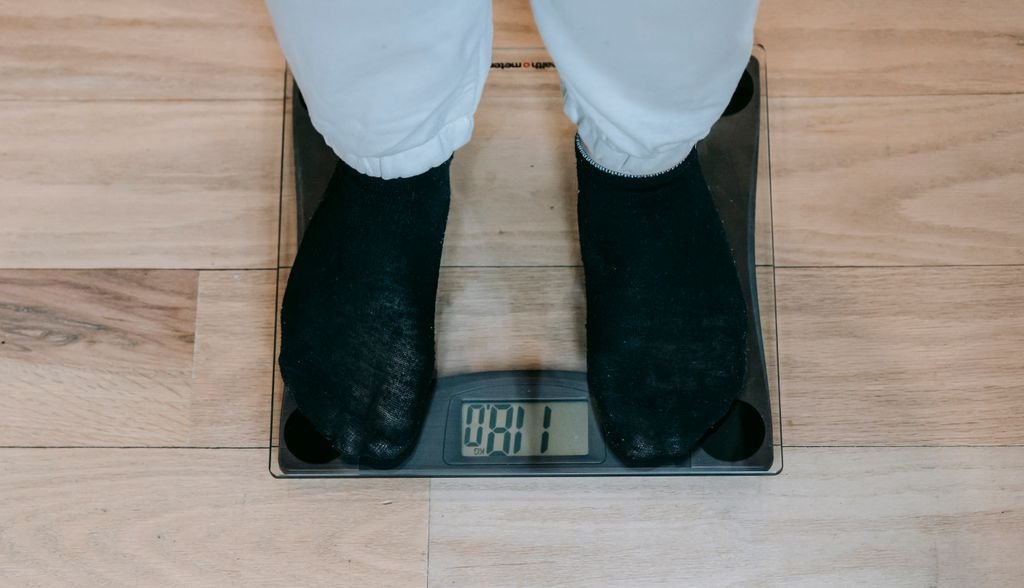
Weight loss on Mounjaro in India depends on the person’s baseline weight, whether they take it in addition to a low-calorie diet, and whether they exercise. On average, a person using Mounjaro may lose about 1 kg to 2 kg a month on a low dose, about 2 kg to 4 kg a month on a high dose, and 7 kg to 15 kg in 6–12 months (roughly 10–20% of body weight). People taking Mounjaro for weight loss in India should be aware that these figures depend on the treatment plan, dietary intake and exercise. People who take Mounjaro with a diet and exercise regime will lose more weight than those who rely on the injection alone.
Mounjaro India Weight Loss and the Muscle Problem: How GLP-1s Change Body Composition
Consuming less food usually leads to weight reduction by reducing both fat and muscle mass. Studies of the GLP-1 weight-loss medications indicate that of the weight lost, approximately 20% to 40% is muscle mass, not fat. Losing muscle is a problem because your metabolic rate falls, your risk of regaining weight increases and your strength decreases, making daily activities harder later. Protein is the lever that protects muscle on these medicines — see Protein for Indian Vegetarians: How to Hit Your Daily Target Without Meat or Powder.
The three strategies below help protect muscle on a GLP-1:
- Eat protein at every meal: 1.2–1.6 g per kg of body weight per day is recommended by Desai, and 1.6–2 g per kg is recommended if you are at risk of muscle loss.
- Exercise: Strength training twice a week improves muscle protein synthesis and is one of the most reliable ways to preserve muscle mass.
- Healthy diet: Skipping food after meals can make weight loss slow and uncomfortable.
Side Effects of Mounjaro and Ozempic: What to Expect and When to Call a Doctor
Most side effects are mild and are related to the gut. The most common are:
| Side effect | How often | What helps |
|---|---|---|
| Nausea | Common in the first weeks | Smaller meals, avoid spicy or fried foods |
| Vomiting | Frequent at higher doses | High doses of anti-nausea medicine, as advised by the doctor |
| Diarrhoea or constipation | Common | More water and fibre |
| Loss of appetite | Common | Protein-rich food at each meal |
Serious side effects are uncommon, but you should seek help if you have severe abdominal pain, persistent vomiting, or signs of a pancreas or gallbladder problem. Do not self-medicate. A doctor decides whether the medicine is safe for you.
Who Should (and Should Not) Use GLP-1 Medicines?
Who may benefit (with a doctor’s advice):
- People with obesity or overweight alongside type 2 diabetes, high blood pressure or sleep apnoea
- Adults whose weight has not come down even after diet and exercise
Who should avoid them:
- People who are pregnant or are trying to become pregnant
- People with a personal or family history of medullary thyroid cancer (MTC) or multiple endocrine neoplasia (MEN)
- People with recent pancreatitis or gastroparesis
A doctor’s assessment is necessary to decide whether Mounjaro or Ozempic is appropriate for the individual. These medicines are for people with obesity or related metabolic and heart risks and should be used as part of a long-term plan, not as a shortcut. Earlier health profiles of wellhealthorganic.com suggest that surgery and weight loss are not supported by Mounjaro or Ozempic. The latest update of wellhealthorganic.com on 25 May 2026 says it is unclear whether their use for weight loss is sustainable, because appetite returns once the medication is stopped.
How Much Does Mounjaro Cost in India?
Mounjaro is now available in India as a weekly injection (KwikPen). The first month may cost more, depending on the clinic and the dose. Prices vary by city, dose and the doctor’s prescription. Self-medication is not advised, and a doctor’s prescription is necessary.
What Eating Looks Like on a GLP-1: A Practical Indian Plate
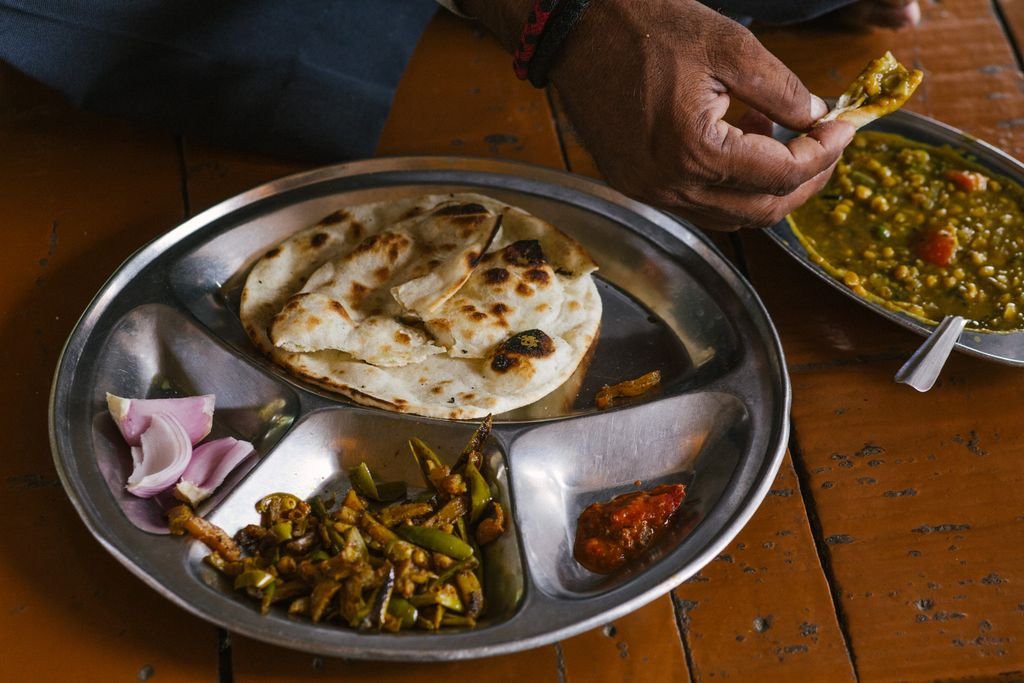
When your appetite is low, every bite should count. A whole Indian plate supplies protein, fibre and healthy fats without making you feel stuffed:
| Meal | What to eat | Why it works |
|---|---|---|
| Breakfast | Moong dal chilla + curd; or paneer bhurji | Protein keeps you full |
| Lunch | Dal + sabzi + roti + curd; or khichdi | Balanced and easy to digest |
| Snack | Sprouts chaat or roasted chana | Protein and fibre |
| Dinner | Paneer/tofu curry + vegetables | High protein, low oil |
| Water | 2–2.5 litres per day | Helps with nausea and constipation |
Notice: To adapt to your specific appetite and medications, use a small plate and eat slowly.
FAQs
Is Mounjaro available in India?
Yes. Mounjaro (tirzepatide) is available in India as a prescription-only weekly injection for type 2 diabetes and weight management, with availability depending on the city.
Is Ozempic available in India?
Ozempic (semaglutide) is available in India under prescription, often for type 2 diabetes; availability varies, and doctors also use Wegovy (the weight-loss form of semaglutide) where it is listed.
How much weight can I lose on Mounjaro in a month?
In Indian practice, many people lose around 1 kg to 4 kg per month, depending on the dose, food, and daily movement.
Will I regain weight after stopping Mounjaro or Ozempic?
Appetite often returns after stopping the medicine, so people who have not changed how they eat, move and sleep tend to regain some weight, say Desai.
Do I need protein supplements with GLP-1 medicines?
Food should come first — dal, paneer, soya and curd — but a doctor or dietitian may add protein powder if your intake stays below 1 g per kg per day, noted Desai.
Bottom Line
GLP-1 medicines such as Mounjaro and Ozempic can help break a weight stall, but they are not a quick fix. They work best with Indian or vegetarian-friendly food, regular movement and enough sleep, and enough protein to save muscle: food is your friend, movement is your engine and sleep keeps the cycle working.
Disclaimer: This article is for general information only and is not a substitute for medical advice. GLP-1 medicines are prescription-only. If you have diabetes, thyroid disease, pancreatitis, gallbladder disease or are pregnant or breastfeeding, consult your doctor before starting or stopping these medicines.