
Eczema is one of the most common skin conditions in India, and if you’ve lived with it, you know how exhausting it can be. Itchy nights. Dry patches. Flare-ups that seem to come out of nowhere.
Let’s be clear up front: there is no home cure for eczema, and this article won’t promise one. What home care can do is reduce flare-ups, protect the skin barrier, and make day-to-day life more comfortable. That means learning your triggers, moisturising in the right way, bathing gently, and knowing when a flare-up needs a doctor rather than another home remedy. This guide covers all of that, with practical steps that fit Indian homes, water, and weather.
What Is Eczema?
Eczema, also called atopic dermatitis, is a condition where the skin barrier — the outer layer that keeps moisture in and irritants out — doesn’t work as well as it should. The skin becomes dry, itchy, and inflamed, and reacts more easily to soaps, heat, dust, and scratching.
It is not contagious, and it is not caused by poor hygiene. It often runs in families, and is linked to allergies, asthma, and hay fever in some people. In babies it often appears on the cheeks and scalp, in children in the elbow and knee folds, and in adults on the hands, neck, and face. Flare-ups come and go. So the goal of home care isn’t to make eczema disappear forever — it’s to lengthen the calm periods and shorten and soften the flare-ups.
Common Triggers in Indian Homes
Triggers vary from person to person, and keeping a simple diary for two to three weeks — noting food, products, clothing, and weather when a flare-up started — is often more useful than guessing. The most common triggers in India are harsh soaps and detergents, which strip the skin’s natural oils; heat and sweat, especially in humid summers; hard tap water, which can leave skin dry and tight; dust, pollen, and pollution; wool and rough synthetic fabrics (soft, loose cotton is usually better); stress and poor sleep, which can trigger a flare-up and worsen itching at night.
And, for a small number of children, food allergy. For most adults, food is not the main cause — do not cut out whole food groups without a doctor’s advice.
Moisturisers: The Most Important Daily Step
If there’s one home-care step that matters most for eczema, it’s moisturising — regularly, generously, and with the right product.
What to choose: a plain, fragrance-free moisturiser, cream, or ointment. Ointments are greasiest and often best for very dry skin, especially at night; creams are a good daily middle option; lotions are lighter and often not enough on their own. Look for ceramides, glycerin, or shea butter, and avoid fragrance, alcohol, or strong essential oils. A plain petroleum jelly or simple fragrance-free cream from a pharmacy (often ₹150–₹400) can work well — an expensive brand is not necessary.
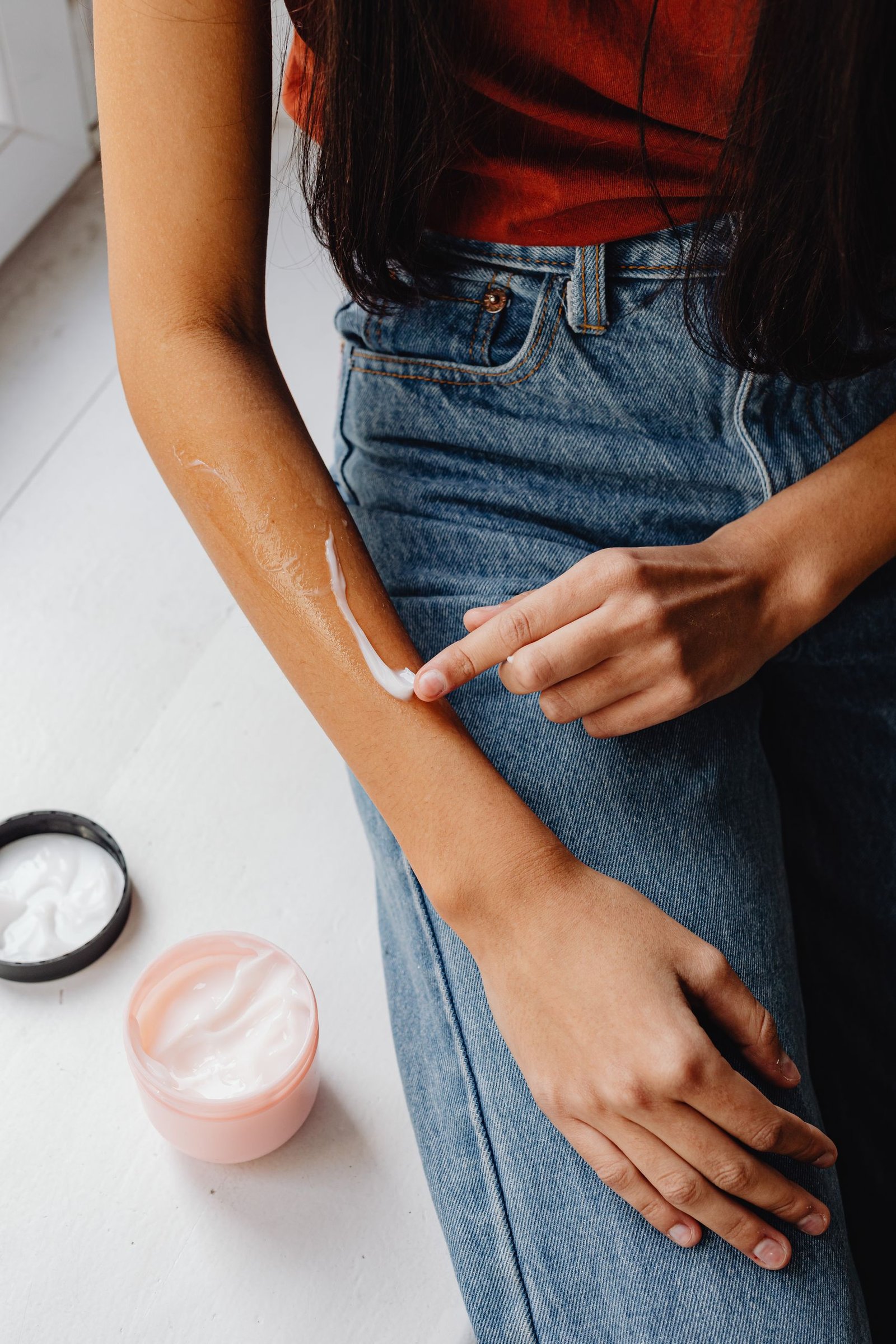
How to apply — the soak-and-seal method: after a lukewarm bath, pat skin gently so it is damp, not fully dry. Within three minutes, apply moisturiser generously over the whole body, not just itchy patches — an adult should use roughly 250–500 grams a week during a flare-up.
Apply in smooth strokes in the direction of hair growth, reapply at least twice a day (more often on very dry days or in North Indian winters), and apply a thicker layer at night. Cotton gloves or soft cotton clothing over moisturised hands can help at night, and keeping nails short reduces damage from scratching.

Gentle Bathing: How to Wash Without Making Things Worse
Bathing can help eczema if done gently, and harm it if done harshly. Keep baths short (five to ten minutes) and lukewarm — hot water strips oils and makes itching worse afterwards. Use a soap-free, fragrance-free cleanser, or a very mild soap only on the areas that need it, and avoid bubble baths, harsh scrubs, and antibacterial soaps. Pat dry, do not rub, and moisturise immediately afterwards. Wash new clothes before wearing them, in a mild, fragrance-free detergent, and rinse well. In hard-water areas, a shorter bath and a good moisturiser afterwards matter more than any special filter.
Natural Supports: Oat Baths, Plant Oils, and What to Be Careful About
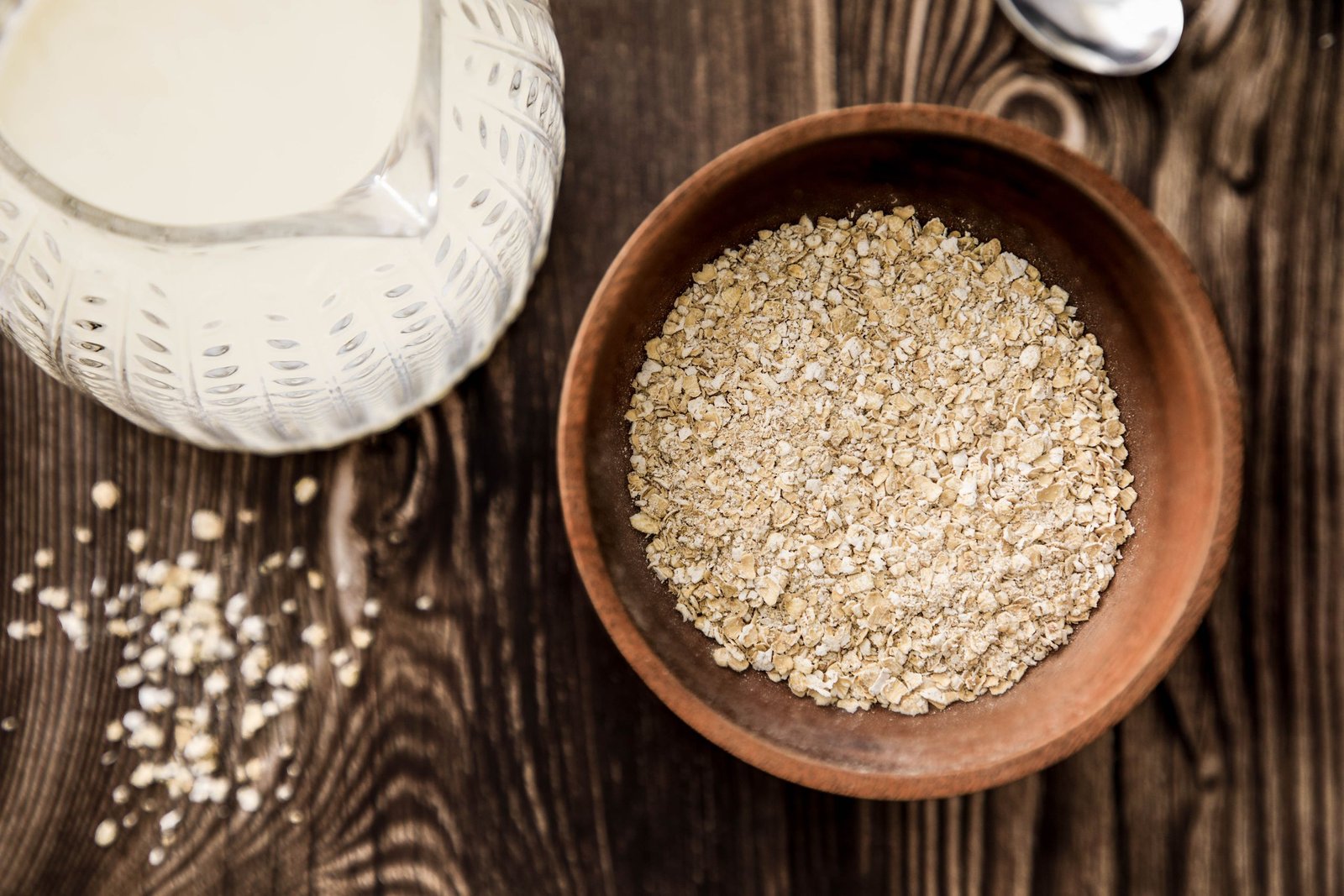
Several natural options are popular for eczema, and some have modest evidence behind them. None replaces a moisturiser or medical treatment during a bad flare-up. Colloidal oatmeal — finely ground oatmeal stirred into lukewarm bath water, soaked for 10 minutes, then pat dry and moisturise — is one of the better-supported options for soothing itching.
Plain coconut oil, sunflower oil, or olive oil can act as a moisturiser for some people, applied to damp skin after bathing, though oils can trap heat and worsen itching in hot, humid weather. A plain, fragrance-free aloe vera gel can feel cooling on irritated skin; patch-test first.
Allergy cautions: do not use nut oils on a baby or child with a known nut allergy, or if a nut allergy has not been ruled out. Do not apply turmeric paste, lemon juice, neem paste, or any homemade herbal paste to broken or weeping eczema skin — these can sting, irritate, and cause infection. Do not use essential oils, including tea tree oil, undiluted on eczema skin. Patch-test any new natural product on a small area first, and stop if you notice redness, itching, or swelling. “Natural” does not mean safe for eczema.
Daily Habits That Reduce Flare-Ups
Small changes add up over weeks: wear loose, breathable cotton and wash it in a mild detergent with an extra rinse; keep the bedroom cool, use cotton bedsheets, and wash bedding weekly; keep nails short, wear cotton gloves at night if scratching in sleep is a problem, and try a cold compress on an itchy spot; keep regular sleep and gentle exercise, which can help break the itch-stress cycle; and when washing hands, use lukewarm water and a mild cleanser, pat dry, moisturise after each wash, and wear gloves for dishes or cleaning.
Red Flags: When to See a Doctor
Home care is for mild, familiar flare-ups. See a doctor promptly if skin is weeping, crusty, blistered, or has yellow crusts; if there is spreading redness, warmth, swelling, pain, or fever; if eczema does not improve after one to two weeks of good moisturising and trigger care; if it covers a large part of the body or stops you or your child sleeping most nights; if new eczema appeared suddenly in an adult, or a patch looks very different from your usual eczema; or if there are signs of an allergic reaction, such as swelling of the lips or face, or difficulty breathing — seek urgent care.
A doctor may prescribe a medicated cream for a flare-up, such as a topical steroid or a non-steroid anti-inflammatory cream, and can advise on the right strength and duration. These medicines are effective when used correctly, but the dose and duration should be decided by a doctor, not by trial and error at home. A doctor can also refer you for allergy testing if needed.
Frequently Asked Questions
Can eczema be cured with home remedies?
No. Eczema is a long-term condition, and home remedies cannot cure it. What they can do is support the skin barrier, reduce itching, and make flare-ups less frequent and less severe. Moisturising, gentle bathing, and avoiding triggers are the most reliable home measures.
Is coconut oil good for eczema?
It can help some people as a moisturiser, especially in cooler weather or on mildly dry skin. It is not a treatment for a flare-up, and it can make itching worse in hot, humid conditions. If you use it, apply it to damp skin after bathing, patch-test first, and stop if irritation increases. Avoid nut oils if there is a nut allergy in the family.
What foods should I avoid if I have eczema?
For most people, no specific food needs to be avoided. Food allergy is a trigger for only a small number of people with eczema, mainly young children. Do not cut out foods without a doctor’s advice and, if needed, allergy testing. An unnecessary restricted diet can cause nutritional deficiencies.
The Bottom Line
Eczema care at home is about consistency, not expensive products. Moisturise generously every day with a plain, fragrance-free cream or ointment. Bathe in lukewarm water for a short time, use gentle cleansers, and learn your own triggers — soaps, heat, sweat, dust, and stress are the most common in Indian homes.
Natural supports such as an oatmeal bath can help soothe itching, but use them cautiously, patch-test everything, and avoid applying herbal pastes or oils to broken skin. And most importantly, know the red flags: weeping, crusting, spreading redness, fever, or eczema that doesn’t improve in one to two weeks all need a doctor. With steady home care and the right medical help when needed, eczema can be managed — and life can be much more comfortable.
Disclaimer: This article is general information only and is not medical advice. It does not replace advice from a qualified doctor or dermatologist. See a doctor for diagnosis or before starting a supplement or treatment, especially if eczema is infected, spreading, or not improving with home care.