
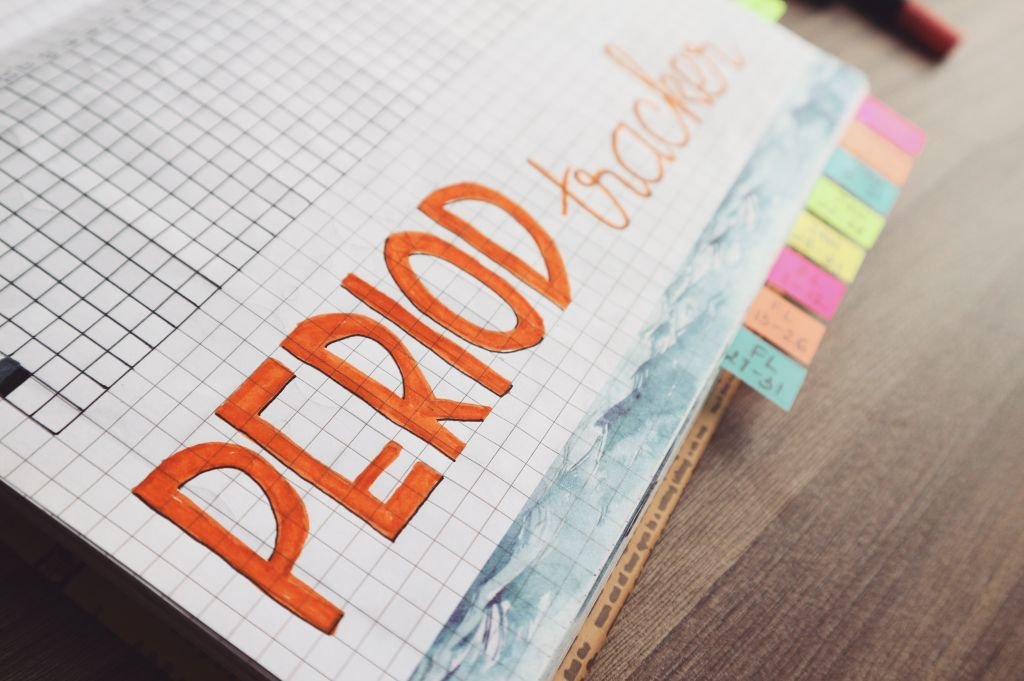
Growing up comes with a long list of firsts, and for many girls, one of the most talked-about milestones is the arrival of their first period. It’s a moment filled with curiosity, nervousness, and sometimes confusion, which is exactly why a first period quiz has become such a popular tool among teens, parents, and educators. These quizzes aren’t meant to predict an exact date on a calendar. Instead, they help young girls understand the signs their bodies are showing and prepare them emotionally and practically for what’s coming next.
A first period quiz usually walks through a series of simple questions about physical changes, emotional shifts, and general knowledge about menstruation. The goal isn’t to test someone the way a school exam would. It’s designed to open a conversation, spark curiosity, and gently introduce facts that many girls haven’t been taught yet. For a lot of preteens, this is often the first time they engage with the topic in a way that feels safe, private, and non-judgmental.
Why First Period Quizzes Have Become So Popular
Search interest around “first period quiz” has grown steadily over the past few years, and there’s a clear reason behind it. Traditional health class lessons often move quickly and don’t leave much room for personal questions. Many girls feel embarrassed to ask their teacher something in front of classmates, and not every household has open conversations about puberty at the dinner table.
A quiz format removes that pressure. It allows a girl to explore the topic privately, at her own pace, without worrying about being judged. Because it feels more like a fun online activity than a lecture, it lowers the emotional barrier that usually surrounds puberty education. This is part of why parents and health educators increasingly recommend these quizzes as a supplement to formal sex education.
There’s also a psychological comfort in structure. When something as unpredictable as puberty is broken down into simple questions and clear answers, it starts to feel more manageable. Instead of a vague sense of “something is happening to my body,” a quiz gives girls specific signs to watch for and a better sense of what’s considered normal.
Common Signs a First Period Quiz Might Ask About
Most quizzes begin by asking about the physical changes a girl may have noticed recently. Breast development is usually one of the earliest signs, often appearing one to two years before the first period actually begins. Growth spurts are another common marker, since many girls experience a noticeable increase in height right before menstruation starts.
Body hair growth, particularly underarm and pubic hair, tends to show up around the same time. Quizzes often ask whether a girl has noticed any of these changes, since their presence together usually signals that puberty is well underway. Skin changes, including some oiliness or occasional breakouts, are also frequently mentioned, since hormonal shifts affect the skin just as much as they affect reproductive development.
Vaginal discharge is another sign that quizzes touch on, though it’s one that’s often left out of casual conversations. A clear or whitish discharge appearing in the months leading up to the first period is completely normal and is usually one of the clearest physical indicators that menstruation is close. Recognizing this sign without alarm is one of the most valuable things a quiz can teach.
Mood changes round out the list of common questions. Increased irritability, sudden sadness, or feeling more sensitive than usual can be tied to the hormonal fluctuations that come before a first period. When a quiz explains that these feelings are biological rather than something to be ashamed of, it can be incredibly reassuring for a young girl who’s been struggling to understand her own emotions.
What Age Do Most Girls Get Their First Period
One of the most searched questions alongside “first period quiz” is the average age of menarche, which is the medical term for a first period. In the United States and United Kingdom, most girls start menstruating between the ages of eleven and fourteen, with twelve being the most common age. However, this range is wide, and starting as early as nine or as late as sixteen still falls within a healthy range for many girls.
Genetics play a significant role in determining when a girl will start her period. It’s common for daughters to begin menstruating around the same age their mothers did, though this isn’t a strict rule. Body weight, overall health, and even geographic or environmental factors can influence timing as well.
Quizzes often reassure users that there’s no single “right” age to start, which helps ease anxiety for girls who may feel like they’re developing earlier or later than their friends. This kind of normalization is one of the biggest benefits these quizzes offer, since feeling “different” from peers is often one of the most stressful parts of puberty for young girls.
How These Quizzes Help With Emotional Preparation
Beyond the physical signs, a first period quiz often spends time addressing the emotional side of this transition. Anxiety about staining clothes, uncertainty about how to use period products, and worry about telling a parent or guardian are all common concerns that come up during this stage of growing up.
By walking through these worries in a low-pressure quiz format, girls can mentally rehearse how they might handle a real situation before it happens. This kind of preparation reduces panic in the moment. A girl who has already thought through what she would do if her period started at school is far less likely to feel overwhelmed if that actually happens.
Quizzes also often introduce the idea that having an emotional reaction, whether it’s excitement, nervousness, or even sadness, is completely valid. Puberty isn’t just a physical process, and acknowledging the emotional weight of this transition helps girls feel understood rather than dismissed.
The Role of Parents and Trusted Adults
While a quiz can provide helpful information, most well-designed resources encourage girls to talk to a parent, guardian, or trusted adult about what they’re experiencing. Quizzes often include gentle prompts suggesting that sharing results or discoveries with someone they trust can make the transition feel less isolating.
For parents, these quizzes can actually serve as a conversation starter. Instead of initiating an awkward, out-of-nowhere talk about periods, a parent can ask their daughter what she learned from a quiz she took online. This creates a natural opening for deeper conversations about hygiene products, comfort, and support without either person feeling put on the spot.
Teachers and school counselors have also started incorporating quiz-based learning into health education curriculums. The interactive nature keeps students more engaged than a traditional lecture, and it allows for private reflection before any group discussion takes place.
Understanding Period Products Through a Quiz
Many first period quizzes include a section on period products, since choosing the right one can feel overwhelming for a first-timer. Pads are usually recommended as the easiest starting point because they’re simple to use and don’t require any internal insertion, which can feel intimidating for a young girl who has never dealt with a period before.
Tampons and menstrual cups are typically introduced as options to consider once a girl feels more comfortable with her cycle, often a year or more after her first period. Quizzes tend to explain the basic differences between these products in a way that feels informative rather than clinical, helping girls understand that there’s no single “correct” choice and that comfort should guide the decision.
Period underwear has also become a popular topic in more recent quizzes, reflecting how much the menstrual product industry has evolved. Explaining these newer options alongside traditional pads gives girls a fuller picture of what’s available, which can make the entire experience feel less daunting.
Debunking Common Period Myths
A well-written first period quiz doesn’t just test knowledge, it corrects misinformation. Many girls grow up hearing myths passed down through friends or older siblings, and a quiz format is an effective way to gently challenge these misconceptions.
One common myth is that periods are always heavy and last for a full week. In reality, cycle length and flow vary significantly from person to person, and it often takes a year or two for a cycle to settle into a predictable pattern. Another myth involves the idea that a first period always comes with severe pain, when in fact many girls experience only mild discomfort, especially during their very first cycle.
There’s also a persistent myth that periods are something to hide or be embarrassed about. Quizzes that address this directly, framing menstruation as a normal and healthy biological process, play an important role in reducing the stigma that still surrounds this topic in many households and communities.
How Schools and Health Educators Use These Quizzes
Health education programs across the USA and UK have increasingly adopted interactive quiz formats to teach students about puberty and menstruation. Compared with traditional textbook learning, quizzes provide immediate feedback, reinforcing accurate information right away rather than leaving students to look things up later on their own.
Some schools use these quizzes as a pre-lesson tool to gauge what students already know, allowing teachers to tailor their lessons around common gaps in understanding. Others use them as a post-lesson review to confirm that key concepts, like recognizing physical signs or understanding hygiene basics, have actually been retained.
The anonymous nature of most online quizzes also removes the fear of embarrassment that often comes with raising a hand to ask a question in a classroom setting. This has made them a valuable supplement, particularly for students who are naturally more reserved or who come from households where these topics aren’t openly discussed.
Building Confidence Through Knowledge
At its core, a first period quiz is about building confidence. Puberty can feel unpredictable, and unpredictability tends to create anxiety, especially for a young person who’s already navigating so many other changes at once. Knowledge acts as a stabilizing force in that process.
When a girl understands what signs to look for, roughly what age range to expect, and what products are available to her, the entire experience becomes far less intimidating. She’s no longer waiting for something mysterious to happen to her body. Instead, she’s equipped with information that lets her feel a sense of control over a transition that can otherwise feel completely out of her hands.
This shift, from uncertainty to preparedness, is exactly why first period quizzes continue to grow in popularity. They meet young people where they are, offering a private, judgment-free space to learn about a topic that deserves far more openness than it traditionally receives. As more schools, parents, and health platforms recognize the value of this approach, quizzes are likely to remain a lasting part of how puberty education is delivered to the next generation.
FAQs: First Period Quiz
1. What is a first period quiz?
A first period quiz is an educational tool that helps girls understand puberty changes, signs of menstruation, emotional changes, and basic information about their first period. It is designed to create awareness and confidence rather than test knowledge like a school exam.
2. What signs indicate that a first period may be coming?
Common signs include breast development, growth spurts, body hair growth, skin changes, vaginal discharge, and emotional changes. These signs usually show that puberty is progressing and the first period may be approaching.
3. What age do most girls get their first period?
Most girls begin menstruating between ages 11 and 14, with around age 12 being common. However, starting earlier or later can still be normal depending on individual development.
4. Can a first period quiz predict exactly when a girl will get her period?
No, a first period quiz cannot predict an exact date. It helps girls recognize body changes and prepare emotionally and practically for menstruation.
5. Why are first period quizzes helpful for girls?
These quizzes provide private, easy-to-understand information that can reduce confusion and anxiety about puberty. They allow girls to learn at their own pace without feeling embarrassed.
6. What emotional changes can happen before the first period?
Some girls may experience mood changes, increased sensitivity, sadness, or irritability due to hormonal changes during puberty. Understanding these feelings can help girls feel more prepared.
7. Which period product is best for a first period?
Many first period resources introduce pads as a simple starting option because they are easy to use and do not require internal insertion. Other products can be considered when a girl feels comfortable.
8. Should girls talk to parents or trusted adults about their first period?
Yes, talking with a parent, guardian, or trusted adult can make the transition easier and provide support, guidance, and answers to questions.
9. Are periods something to be embarrassed about?
No. Menstruation is a normal biological process. Learning accurate information through resources like quizzes can help reduce fear and embarrassment.
10. How can a first period quiz build confidence?
A first period quiz helps girls understand what changes to expect, what products are available, and how to handle situations related to menstruation, making the experience feel less uncertain.