

A few drops of lemon oil in a diffuser can fill a room with a fresh, clean scent. A drop mixed into a carrier oil can be dabbed on the skin. It is one of the most popular essential oils in the world — and one of the most misunderstood. The health benefits of lemon oil are real, but they are also modest, and many of the big claims made about it have weak evidence behind them.
Lemon oil is not lemon juice. It is a concentrated oil pressed from the peel of fresh lemons, and it is far stronger than the fruit itself. Used the right way — diluted on the skin or diffused in the air — it can lift your mood, freshen your home, and support your skin. Used the wrong way — neat on the skin, in the sun, or swallowed — it can burn, irritate, or make you sick.
This guide gives you the honest picture of the health benefits of lemon oil: what it is, 10 uses for skin, hair, mood and home, how to use it safely, and who should avoid it.
What Is Lemon Oil?
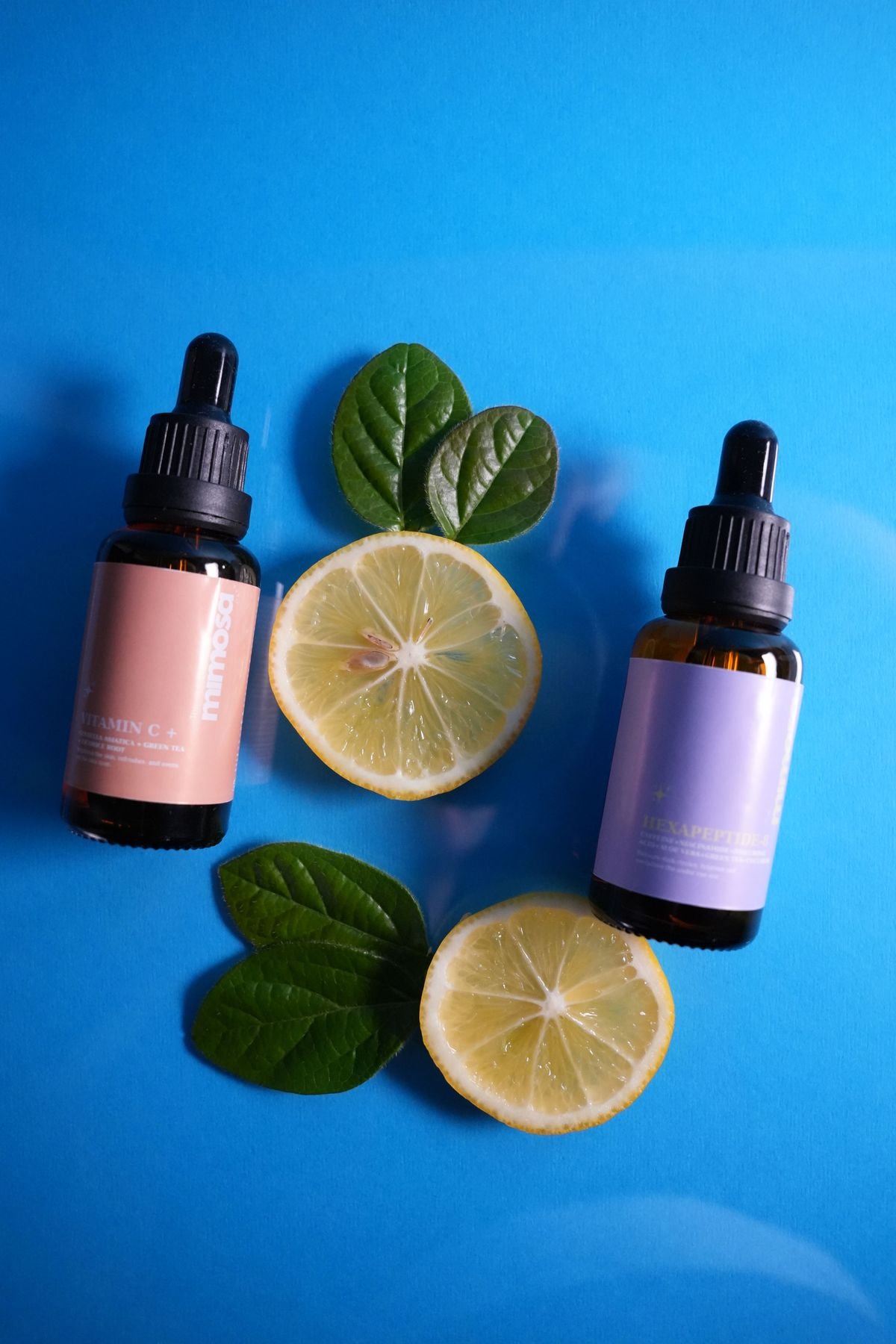
Lemon oil, also called lemon essential oil, is extracted from the peel of fresh lemons (Citrus limon). It is made in two main ways: steam distillation, where steam carries the oil out of the peel, and cold-pressing, where the peel is pricked and rolled so the oil is released. Cold-pressed oil is the more common type in shops.
The oil is pale yellow, thin, and smells sharply of fresh lemon. Its main active compound is limonene, which makes up most of the oil, along with smaller amounts of other citrus compounds. Limonene is also found in orange and grapefruit peel, and it is the ingredient behind most of the health benefits of lemon oil, from its fresh scent to its antibacterial action.
Lemon oil is not the same as lemon juice or lemon extract. Lemon juice is the sour liquid from the fruit, rich in vitamin C and citric acid. Lemon extract, used in cooking, is usually lemon oil mixed into alcohol. Pure lemon essential oil is highly concentrated — a single drop is far stronger than a squeeze of lemon — which is why it must always be diluted before it touches the skin, and why it should never be swallowed. Healthline’s guide to lemon essential oil explains the same distinction: the oil is a concentrated peel product, not a food, and it needs to be handled with care.
10 Health Benefits of Lemon Oil
1. May Lift Mood and Ease Stress
The best-known of the health benefits of lemon oil is mood. The fresh citrus scent is uplifting, and small studies suggest that inhaling lemon oil can reduce stress and anxiety. A 2006 study in mice found that lemon oil had a strong calming and mood-improving effect in stress tests, and it worked better than lavender and rose oils in the same tests. A small 2016 study found that lemon essential oil reduced anxiety in people after orthopaedic surgery. The evidence in humans is still small and early, so this is a “may help” benefit, not a proven treatment — but for many people, diffusing lemon oil for 30 minutes is a simple way to feel fresher and calmer. Good sleep matters just as much for mood, as explained in our guide on how sleep quality affects your skin and overall health.
2. May Help Clear Skin
Lemon oil has antibacterial and antifungal properties, and laboratory studies have shown it to be effective against bacteria such as Staphylococcus aureus and E. coli. That is why it is used in skin care for oily and acne-prone skin. Its astringent quality can help reduce excess oil, and its gentle exfoliating effect can help fade dark marks left by spots. Healthline’s guide to lemon oil for skin notes that it may help with acne, hyperpigmentation and dullness — but also warns that it can be too strong and cause red, peeling skin if it is not diluted properly. Our guide on lemon juice for dark spots covers a gentler, food-based way to care for dark marks, which many people find easier to use every day.
3. May Brighten Dull Skin
The antioxidants in lemon oil may help brighten the skin and protect it from damage. Lemon oil contains compounds that fight free radicals, the unstable molecules linked to ageing and dull skin. When diluted and used at night, it can give the skin a fresher, more even tone over time. The key word is “at night” — lemon oil makes the skin sensitive to sunlight, so it should never be used on skin that will be exposed to the sun. Use it in the evening, wash it off, and wear sunscreen the next day.
4. May Help With Hair and Scalp
Lemon oil is used in hair care for oily scalps and dandruff. Its astringent and antifungal properties can help reduce excess oil on the scalp and the yeast that contributes to dandruff. A few drops mixed into a carrier oil such as coconut or jojoba oil, massaged into the scalp and washed out after 15 to 20 minutes, is the usual method. This is one of the least proven health benefits of lemon oil — there are no large human trials showing it works for hair growth — and it should never be applied neat to the scalp, because it can irritate the skin and make it sensitive to the sun.
5. May Ease Nausea
One of the most practical health benefits of lemon oil is for nausea. In a 2014 study of 100 pregnant women, inhaling lemon essential oil significantly reduced nausea and vomiting compared with a control group. The scent appears to calm the stomach, possibly by affecting the brain’s nausea centre. A few drops on a cotton ball or tissue, held near the nose for a few minutes, is the usual method. This is inhalation only — the oil itself should never be swallowed, and pregnant women should talk to their doctor before using any essential oil.

6. May Boost Alertness and Focus
The brisk scent of lemon oil has an invigorating effect on the mind. Some studies suggest that citrus scents can improve alertness and concentration, and lemon oil is often used in offices and study rooms for this reason. WebMD’s guide to the health benefits of lemon oil notes that the scent can stimulate the mind and improve mental alertness. A diffuser in the morning, or a few drops on a tissue during work, is a simple way to use it. If you need steady energy through the day, a light drink like sattu can help too — read our guide on sattu benefits for weight loss to learn how it is traditionally prepared.
7. May Support the Immune System
Lemon oil is rich in antioxidants, including limonene, which may help protect cells from damage. Some people use it in diffusers during cold season, believing it cleans the air and supports immunity. There is no good human evidence that lemon oil prevents colds or infections, so like several of the health benefits of lemon oil, this is a traditional use rather than a proven benefit. What is true is that a clean, fresh-smelling home and good sleep support overall health — and foods rich in vitamin C and antioxidants help far more than any oil. Dates, for example, are a useful everyday source of antioxidants — our guide on the benefits of eating dates daily explains how many to eat and the best time.
8. A Natural Cleaner for the Home
One of the most useful health benefits of lemon oil has nothing to do with the body. Lemon oil is a natural cleaner: its antibacterial properties and fresh scent make it popular for cleaning kitchen counters, chopping boards, and bathrooms. A few drops mixed with water and white vinegar in a spray bottle makes a simple surface cleaner. It can also remove sticky residue and freshen the air. Keep it away from granite and marble worktops, which citrus can damage, and never use it on surfaces where food is prepared without rinsing afterwards.
9. May Ease a Sore Throat and Congestion
When you have a cold, the steam from a bowl of hot water with a few drops of lemon oil can feel soothing. The warm, citrus-scented steam may help clear a blocked nose and ease a sore throat, in the same way that lemon and honey in hot water does. There is no strong evidence that it shortens a cold, but as a comfort measure it is widely used. Never add lemon oil to drinking water or tea — essential oils should not be swallowed. If a sore throat comes with a high fever, vomiting, or diarrhoea, it may be a different illness — our guide on the key signs of gastroenteritis explains the warning signs that need a doctor’s care.
10. May Help With Pain and Tiredness
In aromatherapy, lemon oil is sometimes used as a natural analgesic — a pain reliever. The idea is that its anti-stress and mood-lifting effects change how the body experiences pain, making it feel less intense. Small studies suggest that inhaling lemon oil can reduce the perception of pain, though the evidence is early and mostly indirect. It is also used for tiredness: the fresh scent can make people feel more awake and less fatigued. Lemon oil is not a treatment for pain or chronic fatigue — if pain is severe or long-lasting, see a doctor rather than relying on an oil.
How to Use Lemon Oil Safely
Using lemon oil safely is simple, but the rules matter — and they are what make the health benefits of lemon oil worth having without the risks:
- Always dilute it for skin: Mix 1 to 2 drops of lemon oil into a teaspoon (5 ml) of carrier oil such as coconut, jojoba, or sweet almond oil before it touches your skin. That is roughly a 1 to 2% dilution. Never apply undiluted lemon oil to the skin.
- Do a patch test: Before using it on your face or a large area, put a small amount of the diluted oil on the inside of your wrist and wait 24 hours. If the skin turns red, itchy, or swollen, do not use it.
- Diffusing: Add 3 to 5 drops to a diffuser with water, in a well-ventilated room, for 30 minutes at a time. Do not diffuse for hours without a break, and do not diffuse around babies, small children, or pets without checking safety first.
- Use it at night on skin: Because lemon oil makes skin sensitive to sunlight, use it on the skin only in the evening, and wash it off before going out in the sun. Wear sunscreen the next day.
- Baths: Mix 5 to 10 drops into a cup of carrier oil first, then add the mixture to a warm bath. Never drop neat essential oil directly into bath water — it floats on the surface and can irritate the skin.
- Storage: Keep the bottle sealed, in a cool, dark place. Lemon oil goes stale and oxidises over time, and old oil is more likely to cause an allergy, so replace it within a year of opening.
Side Effects and Who Should Avoid Lemon Oil
Lemon oil is considered safe for most people when it is used as directed, but it has real risks:
- Photosensitivity: This is the biggest risk. Cold-pressed lemon oil contains compounds called furocoumarins that make the skin react to sunlight. Skin treated with lemon oil and then exposed to the sun can turn red, blister, or burn — a reaction called phototoxicity. Avoid sun exposure for at least 12 hours after applying lemon oil to the skin.
- Skin irritation and allergy: Undiluted lemon oil can cause redness, peeling, and irritation. Some people are allergic to citrus oils, and oxidised (old) oil is more likely to cause a reaction.
- Never swallow it: Lemon oil should never be ingested. It can irritate the stomach and, in larger amounts, can be toxic. If you want lemon flavour in food or drink, use fresh lemon juice or a food-grade lemon extract, not essential oil.
- Pregnant women and children: Pregnant women should talk to a doctor before using essential oils, even by inhalation. Essential oils should not be used on babies, and only with care on young children.
- Pets: Diffused essential oils can be harmful to cats, dogs, and birds. Never diffuse lemon oil in a closed room with a pet, and keep the bottle out of reach.
- People with liver disease: The liver processes the compounds in essential oils, so people with liver problems should be cautious. Our fatty liver diet plan for Indian vegetarians lists foods and habits that support liver health, and any new product should be checked with a doctor first.
FAQs — Health Benefits of Lemon Oil
What are the health benefits of lemon oil?
The main health benefits of lemon oil are a better mood, clearer and brighter skin, help with nausea and alertness, and a natural cleaner for the home. The evidence is strongest for mood and nausea, and weakest for immunity and hair growth.
Can I apply lemon oil directly to my skin?
No. Lemon oil should always be diluted in a carrier oil — 1 to 2 drops per teaspoon of carrier oil — and patch-tested first. Undiluted lemon oil can irritate the skin, and it makes the skin sensitive to sunlight.
Is lemon oil safe in the sun?
No. Lemon oil causes photosensitivity: skin treated with it can burn or blister in sunlight. Use it on the skin only at night, wash it off, and wear sunscreen the next day.
Can I drink lemon oil in water?
No. Lemon oil should never be swallowed. If you want lemon in water or tea, use fresh lemon juice or a food-grade lemon extract instead.
Is lemon oil good for acne?
It may help, because of its antibacterial and astringent properties — one of the skin-related health benefits of lemon oil — but there are no large human trials proving it. It can also irritate the skin and make it more sensitive to the sun, so use it diluted, at night, and stop if your skin turns red or peels.
Can lemon oil help with anxiety?
It may help. Small studies suggest that inhaling lemon oil can reduce stress and anxiety, and many people find the fresh scent calming. It is not a treatment for anxiety or depression — if symptoms are severe or long-lasting, talk to a doctor.
How do I store lemon oil?
Keep it sealed, in a cool, dark place, and replace it within a year of opening. Old, oxidised lemon oil is more likely to cause an allergic reaction.
Conclusion
The health benefits of lemon oil are real but modest: a fresh scent that can lift your mood and sharpen your focus, a diluted oil that may help oily or dull skin, a simple way to ease nausea, and a natural cleaner for your home. None of these make it a medicine, and none of them work without the safety rules — always dilute it, never swallow it, keep it off sun-exposed skin, and patch-test first.
Used the right way, lemon oil is a pleasant, useful addition to a home — a small bottle that freshens the air, supports your skin care, and smells like a clean kitchen. Used carelessly, it can burn and irritate. Respect its strength, and it will do its job well.
Disclaimer: This article is for general health information only and is not a substitute for medical advice. Essential oils are not regulated medicines and should never be swallowed. If you have a skin condition, are pregnant or breastfeeding, take regular medicines, or have liver disease, talk to your doctor before using lemon oil or any essential oil.