
When people talk about living longer, they usually talk about a diet — a plan, a set of rules, a list of forbidden foods. But the places where people live the longest, and the Ayurvedic tradition that has guided Indian life for centuries, point to something different. It’s not one diet. It’s a set of everyday habits, repeated for decades. The longevity diet habits that matter most aren’t exotic or expensive. They’re beans and millets, a walk after lunch, a regular sleep time, and a meal eaten with family. This article brings together ten of them, drawn from the Blue Zones and from Ayurveda, and shows how they fit into an ordinary Indian life.
The Blue Zones are five regions — in Japan, Italy, Greece, Costa Rica, and the United States — where people live unusually long, healthy lives. Researchers found they didn’t follow a single diet plan. They ate mostly plants, moved naturally, had a sense of purpose, managed stress with daily rituals, and stayed connected to family and community. Ayurveda describes a similar daily routine, dinacharya — waking early, regular meals, and sleep by a regular hour. The goal here is healthspan, not immortality: the years you live in good health, able to walk, think clearly, and enjoy life. No habit can guarantee a long life, but the habits below have the strongest support and are within reach for most people.
1. Make Beans and Lentils the Centre of the Plate
In every Blue Zone, beans are a daily staple — black beans in Costa Rica, lentils in Greece, soy in Japan. In India, we already have this habit: dal, rajma, chole, moong, and lobia. Legumes provide protein, fibre, and minerals, and they keep you full for hours. The longevity diet habits start here, because this one change replaces refined food with something far more nourishing.
Aim for a legume at least once a day, ideally twice. A bowl of dal at lunch and rajma or chole at dinner is a simple pattern. If you eat meat, keep it as a small side rather than the main event, a few times a week rather than daily.
2. Choose Millets and Whole Grains Over Refined Ones
Refined rice and maida digest quickly and leave you hungry again soon. Millets — ragi, jowar, bajra — and whole wheat digest slowly, keep blood sugar steadier, and bring fibre and minerals with them. In Okinawa, the long-lived residents traditionally ate sweet potatoes rather than white rice. In India, the equivalent swap is a jowar roti instead of a maida roti, or a millet khichdi instead of white rice.
Start with a mix — half wheat, half jowar for rotis — and increase the millet share over a few weeks. The goal isn’t to ban rice, but to make whole grains the default.
3. Eat Fermented Foods Every Day
Curd, buttermilk, idli, dosa, kanji, and pickles are part of everyday Indian eating, and they support the gut microbiome — the community of bacteria that influences digestion, immunity, and even mood. The Blue Zones have their own fermented foods, from miso in Japan to sourdough in Italy. The principle is the same: a little fermented food each day keeps the gut diverse and healthy.
A bowl of curd at lunch, a glass of chaas in the afternoon, or idli for breakfast is enough. Choose homemade or simple versions over heavily sweetened or salty packaged products, and remember that fermented food is a support, not a cure.
4. Eat Until You Are 80 Percent Full
In Okinawa there’s a saying, hara hachi bu — eat until you are 80 percent full. It’s a simple rule against overeating, and it’s echoed in Ayurveda, which advises eating in moderation and not filling the stomach completely. Most of us eat quickly, in front of a screen, and only notice we’re full when we’re uncomfortably so.
Try eating more slowly, putting your spoon down between bites, and stopping when you feel satisfied rather than stuffed. Serve food on a smaller plate, and wait ten minutes before deciding whether you want more. This one habit, practised daily, does more for weight and digestion than any short-term diet.
5. Walk Every Day, and Move Naturally
Blue Zone residents rarely go to a gym. They walk to the market, garden, climb stairs, and work with their hands. Their movement is built into the day rather than added as a chore. In India, the equivalent is a morning walk in the park, walking to the local shop instead of taking the scooter, climbing stairs, and doing household work yourself.
Aim for at least 30 minutes of walking a day, and a short 10-minute walk after lunch and dinner. That after-meal walk is a particularly Indian habit worth keeping — it aids digestion and helps keep blood sugar steadier. Add gardening, sweeping, or any activity that keeps you on your feet, and you’re moving the way long-lived people move.

6. Build Strength Twice a Week
Walking keeps the heart healthy, but strength is what keeps you independent as you age — able to climb stairs, carry groceries, and get up from the floor without help. Muscle loss with age is one of the main reasons older people become frail, and it’s preventable. Strength training doesn’t mean a gym membership or heavy weights. Bodyweight exercises at home — squats holding a chair, wall push-ups, and standing up from a chair without using your hands — are enough to start.
Two short sessions a week, of 20 to 30 minutes each, make a real difference over months and years. Add protein at each meal — dal, paneer, eggs, curd, or soy — because muscle is built from protein as well as exercise. If you have a health condition or joint pain, ask a doctor or physiotherapist for a safe starting routine.
7. Sleep on a Regular Schedule
Long-lived people sleep well, and they sleep regularly. Ayurveda’s dinacharya recommends waking with the sun and sleeping by a regular hour, and modern sleep science agrees: a consistent sleep and wake time matters as much as the number of hours. Irregular sleep — late nights on weekends, early mornings on weekdays — disrupts the body clock and affects mood, appetite, and immunity.
Aim for 7 to 8 hours, with the same bedtime and wake time most days. Keep the bedroom dark and cool, avoid heavy meals and screens in the last hour before bed, and get morning light — a walk or a few minutes on the balcony — to set your body clock for the day. If you snore loudly, wake with headaches, or feel sleepy during the day, read the site’s guide on sleep apnea and consider a sleep test, because untreated sleep problems affect heart health as well as energy.
8. Have a Daily Stress Ritual
Stress itself isn’t the enemy — stress without recovery is what harms health. In the Blue Zones, people have daily rituals that bring them down from stress: prayer, a tea ceremony, a siesta. Ayurveda offers the same idea through dinacharya: a few quiet minutes in the morning, breathing, or meditation. Choose a ritual you’ll actually do — five minutes of slow breathing, a short prayer, a walk without your phone, or ten minutes sitting quietly with tea. The point is regularity, not perfection.
9. Stay Connected to People
Of all the longevity habits, this one is the most often overlooked — and one of the most powerful. In the Blue Zones, older people live with or near family, eat together, and belong to a community. Loneliness, by contrast, is linked to poorer health in study after study. Eat at least one meal a day with family, without phones at the table. Call a friend regularly, join a walking group or community group, or take up a hobby class. Connection isn’t a luxury; it’s part of the diet of a long life.
10. Follow a Simple Daily Routine — Dinacharya
The final habit ties the others together. Dinacharya is Ayurveda’s daily routine, and it’s less a list of rules than a rhythm: wake at a similar time, clean your tongue and brush your teeth, do a few minutes of movement or breathing, eat meals at regular times, work and rest in balance, and sleep at a regular hour. The Blue Zones have the same idea under a different name: a life with a predictable, calm structure.
You don’t need to adopt every element at once. Start with three anchors: a fixed wake time, a regular lunch time, and a fixed bedtime. Add a morning walk and a meal eaten with family. Once those feel natural, add a stress ritual or a strength session. A routine that’s simple enough to keep for years is worth far more than a perfect routine kept for a week.
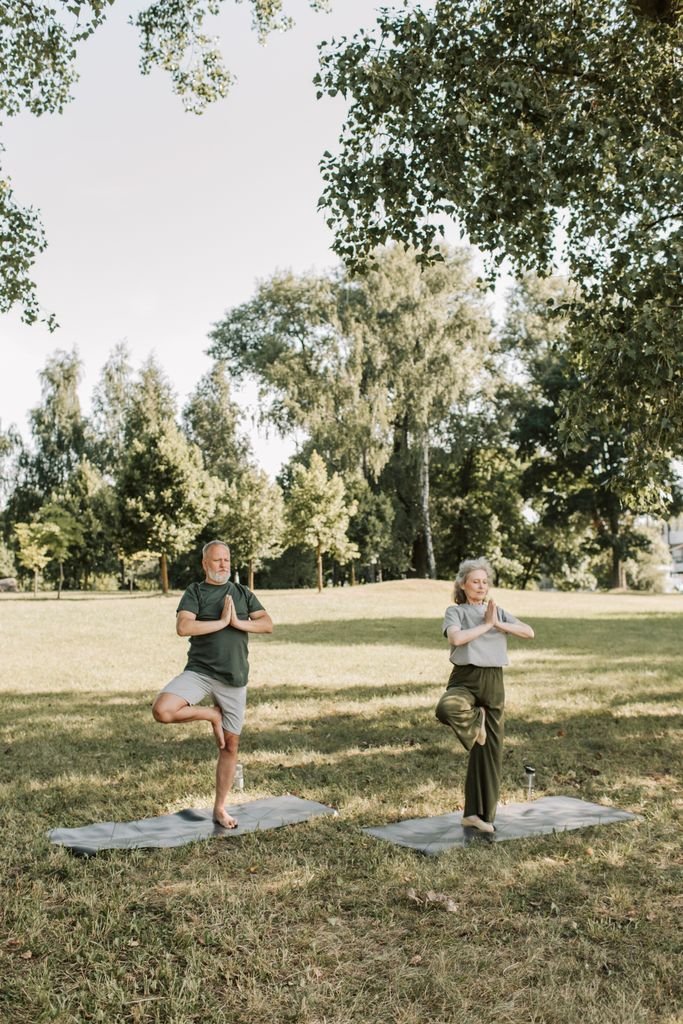
How to Start: Pick Three Habits
Ten habits at once is too many. Pick three that feel easiest and start there: if your diet needs work, start with beans daily, millets instead of refined grains, and eating until 80 percent full; if your body needs movement, start with a daily walk, a walk after meals, and strength twice a week; if your mind needs rest, start with a regular sleep time, a daily stress ritual, and a meal eaten with family. Do those three for a month. When they feel like part of your day rather than a task, add one more. Longevity is built in the small choices repeated for years.
Frequently Asked Questions
Is there a single longevity diet I should follow?
No. The Blue Zones do not share one diet, and Ayurveda does not prescribe one menu for everyone. The shared pattern is mostly plant-based eating — beans, whole grains, vegetables, and fermented foods — with meat as a small, occasional part, and meals eaten slowly and in moderation.
Can these habits help if I start at 50 or 60?
Yes. It is never too late to benefit from walking, strength, better sleep, and a varied diet. Improvements in strength, blood sugar, mood, and energy can appear within weeks to months, and the benefits accumulate over years. Start gently, and check with a doctor before a new exercise routine if you have a health condition.
Do I need supplements to live longer?
No supplement has been shown to extend life on its own, and the long-lived populations studied did not rely on them. A varied diet, movement, sleep, and connection are the foundation. Supplements are for a confirmed deficiency, on a doctor’s advice — not a shortcut to longevity.
The Bottom Line
The longevity diet habits that matter aren’t a secret formula. They’re beans and millets, fermented foods, eating until you are 80 percent full, walking daily, building strength, sleeping regularly, a daily stress ritual, staying connected, and a simple daily routine. They come from the Blue Zones and from Ayurveda, and they agree with each other because they describe the same thing: a life lived steadily, in rhythm, with food, movement, rest, and people in balance. You don’t need to live forever. You need to live well, for as long as you have — and these ten habits are a practical way to start.
Disclaimer: This article is general information only and is not medical advice. It does not replace advice from a qualified doctor or dietitian. See a doctor for diagnosis or before starting a supplement or treatment, especially if you have a health condition or are starting a new exercise routine.