
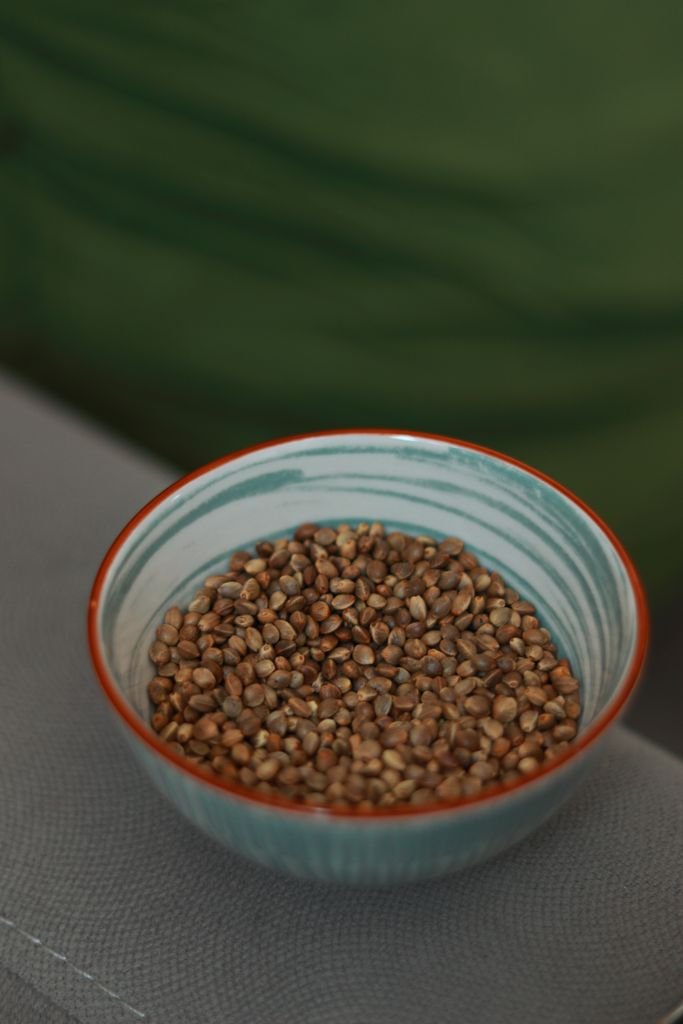
Methi seeds — fenugreek — sit in almost every Indian kitchen, in the masala dabba for tadka. But for diabetes, people use them in a different way: soaked overnight, ground into powder, or boiled into methi water. If you are wondering about methi seeds for diabetes how to use them, this guide covers what the seeds may do, the three common ways to use them, how much is sensible, and who should be careful.
First, a clear note: methi seeds are a food, not a medicine. They may help sugar control a little, as part of a balanced diet, but they do not replace diabetes medicine. If you take medicine, talk to your doctor before starting methi daily, because the two together can push sugar low.
Methi Seeds for Diabetes How to Use: Why People Use Them
Methi seeds are rich in soluble fibre, especially a type called galactomannan. That fibre forms a gel in the stomach and slows how fast sugar from food enters the blood. The seeds also contain compounds that may help the body use insulin better, though the evidence is still growing.
Small studies have found that people who took methi daily saw modest drops in fasting sugar and in sugar after meals. The drops were small, and the studies were often short. That is why doctors call methi a helpful food addition, not a treatment on its own.
Methi fits into Indian food easily. It costs very little — about ₹30–₹50 for 100 g — and it keeps for months in a dry jar.
Methi Seeds for Diabetes How to Use: 3 Simple Ways
1. Soaked methi seeds (the most common way)
Take 1 teaspoon (about 5 g) of methi seeds. Soak them in a glass of water overnight. In the morning, chew the soft seeds and drink the water on an empty stomach, or 15–20 minutes before breakfast.
Soaking makes the seeds soft and releases some fibre into the water. If the taste is too bitter, start with half a teaspoon for a week and build up to 1 teaspoon. Some people soak the seeds in curd instead — that softens the bitter taste.
2. Methi water
Boil 1 teaspoon of methi seeds in 1 cup of water for 5 minutes. Strain, let it cool a little, and drink it warm in the morning or before a meal. You can add a little lemon or ginger for taste, but don’t add sugar or honey.
Methi water is easier than chewing seeds for people who dislike the bitter taste.
3. Methi powder
Dry-roast methi seeds lightly in a pan, let them cool, and grind them into a fine powder. Store it in an airtight jar. Take half to 1 teaspoon of powder a day — mix it into dal, sabzi, curd, chaas or warm water.
Powder is the easiest way to add methi to normal cooking. A pinch in tadka does not count as a dose, though — the amounts in cooking are far smaller. If you want a daily amount, use one of the three ways above, not just tadka.
Methi Seeds for Diabetes How to Use: How Much Is Sensible?
There is no single official dose, because methi is a food, not a drug. The amounts used in most studies are:
- Soaked seeds: 1 teaspoon (about 5 g) a day, soaked overnight.
- Methi powder: Half to 1 teaspoon (about 2–5 g) a day, in food or water.
- Methi water: 1 cup a day, made with 1 teaspoon of seeds.
Some studies used larger amounts — up to 10–25 g a day — but those often caused stomach upset. For home use, start low. Try half a teaspoon for a week. If your stomach is fine, go up to 1 teaspoon. If you feel gassy, go back down or take it with food instead of on an empty stomach.
Take methi at the same time each day. Check your fasting sugar and your sugar two hours after a meal for a few weeks. If sugar drops a lot, or you feel shaky, tell your doctor — your medicine may need adjusting. Never stop or change your medicine on your own because of methi.
Methi Seeds for Diabetes How to Use: Benefits Beyond Sugar
Methi may help in a few other ways, though these benefits are modest:
- Fibre and fullness: The fibre in methi helps you feel full, which can make it easier to eat less.
- Digestion: Methi has long been used in Indian homes for digestion. A small amount with food can help some people, though it can cause gas in others.
- Cholesterol: Some studies found small drops in total cholesterol with daily methi.
- Gut health: Fibre feeds gut bacteria. For more on fibre-rich foods, the site’s guide on Fermented Foods for Gut Health is worth a read — it covers curd, idli, dosa and other fermented foods that pair well with a methi habit.
These benefits do not make methi a cure. They make it a useful, cheap, everyday food — one piece of a larger plan that includes vegetables, dal, whole grains and daily walking.
Methi Seeds for Diabetes How to Use: Side Effects and Who Should Be Careful
Methi is safe for most adults in food amounts, but it can cause side effects in larger amounts:
- Gas, bloating and loose motions: The most common side effects. Start with a small amount and take it with food if it upsets your stomach.
- Low blood sugar: If you take diabetes medicine, methi plus medicine can push sugar too low. Watch for shakiness or sweating, and keep glucose tablets handy. Tell your doctor you are taking methi daily.
- Allergy: People allergic to peanuts, chickpeas or soya may also react to methi. If you get a rash or swelling, stop and see a doctor.
- Pregnancy: Large amounts of methi are not advised in pregnancy. If you are pregnant, ask your doctor before taking methi daily.
- Breastfeeding: Small amounts in food are usually fine, but talk to your doctor before taking methi powder or water daily while breastfeeding.
- Other medicines: Methi may affect how some medicines work. If you take blood thinners or thyroid medicine, ask your doctor first.
If you are on any daily medicine, or you are pregnant, check with your doctor before starting a daily methi habit.
Methi Seeds for Diabetes How to Use in Indian Cooking: Easy Daily Ideas
You don’t need a special routine to get methi into your day:
- Methi dana in dal: Add half a teaspoon of methi seeds to the tadka for dal.
- Methi leaves: Fresh methi leaves in paratha, thepla or sabzi are rich in iron and fibre. Use them often in winter when they are cheap.
- Methi powder in curd: Stir half a teaspoon of methi powder into curd with a pinch of salt and jeera.
- Methi water before breakfast: Soak at night, drink in the morning.
- Sprouted methi: Soak seeds for a day, then let them sprout for another day in a damp cloth. Add to salads and chaat.
Methi works best as part of a full food plan, not on its own. A balanced Indian thali — half vegetables, a quarter dal, a quarter whole grains — does far more for sugar
than any single seed. The site’s Diabetes Diet Chart for Indian Vegetarians gives a full 7-day plan with those proportions, so you can see where methi fits into real meals.

Methi vs Karela and Other Home Remedies
Methi is not the only home remedy people try for diabetes. Karela (bitter gourd) juice is another common one, and many people use both. Karela can also cause stomach upset and low sugar in large amounts. The site’s guide on Karela Juice for Diabetes explains how to make it, how much is sensible, and who should avoid it — read it before you start karela juice, especially if you already use methi daily.
Other common remedies — jamun seed powder, cinnamon, amla juice, neem — have far less evidence than methi. A small amount in food is usually fine, but none replaces medicine, food changes or exercise. If a remedy promises to “cure” diabetes, be careful. No food can do that.
Use home remedies one at a time, in small amounts, with sugar checks, and with your doctor in the loop. Add methi first, check for a few weeks, and only then think about adding another.
For general guidance on diabetes, diet and activity, the US National Institute of Diabetes and Digestive and Kidney Diseases has a clear guide.
Frequently Asked Questions
Methi seeds for diabetes how to use: how do I start?
Soak 1 teaspoon of methi seeds in water overnight, then chew the seeds and drink the water in the morning. Or boil 1 teaspoon in a cup of water and drink the strained water. Or take half to 1 teaspoon of methi powder in curd or dal. Start with half a teaspoon for a week.
How long does it take for methi seeds to lower blood sugar?
Any effect is small and slow. Most studies ran for 4–8 weeks before showing modest drops in fasting sugar. Don’t expect a change in a few days.
Can I take methi seeds every day?
Yes, most adults can take 1 teaspoon of soaked seeds or powder a day, if their stomach tolerates it. Take it at the same time each day. If you take diabetes medicine, tell your doctor, because methi plus medicine can push sugar low.
What are the side effects of methi seeds for diabetes?
Gas, bloating and loose motions are the most common. Low sugar is possible if you take diabetes medicine. Allergy is rare, especially if you are allergic to peanuts or chickpeas. Large amounts are not advised in pregnancy. Start low and stop if you feel unwell.
Methi seeds for diabetes how to use: is methi water or soaked seeds better?
Both work in a similar way. Soaked seeds give you the fibre as well as the water, so they may be slightly better. Methi water is easier if you dislike chewing bitter seeds. Pick the one you can keep up every day — the habit matters more than the form.
Disclaimer: This article is for general information only and is not medical advice. Please consult a doctor for personal advice.