

If you’ve ever stared at a tub of yoghurt or a supplement bottle and wondered what prebiotics vs probiotics vs postbiotics actually means, you’re far from alone. Honestly, the three words sound almost identical. They pop up everywhere — on curd packs, health drinks, even face creams — and people toss them around like they’re interchangeable. They’re not. Each one does a different job in your gut, and knowing the difference can save you a fair bit of money. Because for most of us, the answer isn’t the priciest bottle on the shelf.
Here’s the short version. Probiotics are live, helpful microbes. Prebiotics are the food those microbes eat. And postbiotics are the useful stuff left behind once the microbes have finished their work. All three matter. But they matter in a particular order — and ordinary food can give you all three.
What Are Prebiotics?
Prebiotics are a type of fibre your body can’t digest, but your gut bacteria can. They travel through your stomach and small intestine more or less unchanged, then arrive in the large intestine, where the helpful bacteria get to work fermenting them. That fermentation feeds the bacteria — and produces useful compounds in the process.
The most common ones are inulin, fructo-oligosaccharides (FOS), and galacto-oligosaccharides (GOS). You don’t need to memorise those names, though. The food list is what actually matters.
Good Indian food sources of prebiotics include:
- Onions, garlic, and leeks — used daily in tadka, sabzi, and dal.
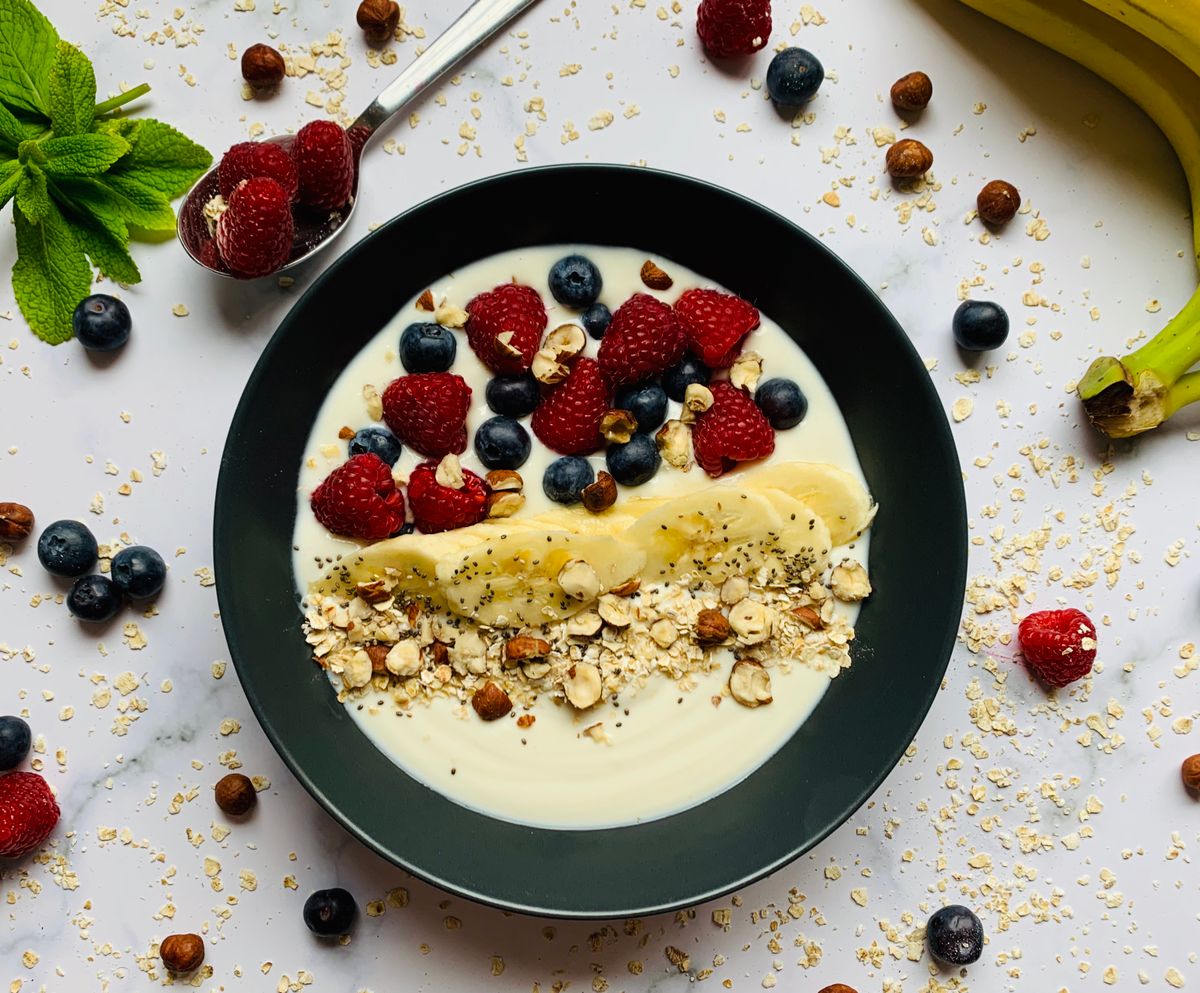
- Bananas, especially slightly under-ripe ones — a cheap, everyday fruit.
- Whole grains — wheat, oats, barley, and millets such as jowar and bajra.
- Legumes — dal, rajma, chole, moong, and lobia.
- Other vegetables — asparagus, artichoke, and green peas where available.
Chances are you already eat prebiotics every day — a dal with onions and garlic, a roti made from whole wheat, a banana with breakfast. The real problem for most people isn’t some exotic missing food. It’s that fibre overall has quietly dropped out of the diet, pushed aside by white rice, maida, and packaged snacks.
Who benefits most from prebiotics? Pretty much anyone eating too little fibre. If vegetables, dal and whole grains rarely make it onto your plate, adding prebiotic foods is the single most useful step you can take for your gut. Just build up slowly, over two to three weeks, and drink enough water along the way. A sudden jump in fibre is one of the commonest reasons people end up bloated and gassy.
What Are Probiotics?
Probiotics are live microorganisms — usually bacteria, sometimes yeast — that are meant to top up the helpful microbes in your gut when you eat enough of them. The best-known groups are Lactobacillus and Bifidobacterium, but there are plenty of strains out there, and different strains do different things.
Good food sources of probiotics include:
- Curd and buttermilk (chaas) — the most practical Indian source, eaten daily in many homes.
- Kefir — a fermented milk drink with a wider mix of microbes than curd.
- Kombucha and kanji — fermented drinks, in small portions.
- Fermented vegetables and traditional pickles — naturally fermented, not vinegar-preserved.
- Idli and dosa batter — fermented, though cooking kills most live microbes.
Then there are probiotic supplements. They contain named strains in measured amounts, often counted in billions of colony-forming units (CFUs). They have their place — a doctor might suggest one during or after a course of antibiotics, say, or for a particular gut condition. But a supplement isn’t a general requirement for a healthy gut, and the evidence for taking one “just in case” is pretty thin.
Who benefits most from probiotics? People who rarely eat fermented foods, and people whose doctor has recommended a specific strain for a specific reason. If you already eat curd daily and your diet is reasonably varied, a probiotic capsule probably won’t add much.
One word of caution: probiotic supplements aren’t all the same, and they aren’t regulated as tightly as medicines. A product might not actually contain the strains — or the numbers — it claims on the label, and it might not survive storage or stomach acid. If you do buy one, look for named strains, a CFU count, an expiry date, and storage instructions — and talk to your doctor first if you have a weak immune system or a serious gut condition.
What Are Postbiotics?
Postbiotics are the newest of the three words, and the one shoppers understand least. They’re not live microbes. They’re the useful substances produced when probiotic bacteria ferment prebiotic fibre — or, in products, the inactivated microbes and their by-products.
The main postbiotics are short-chain fatty acids, and the best known is butyrate. Your gut makes butyrate when bacteria ferment fibre, and it’s an important fuel for the cells lining your colon. Other postbiotics include certain peptides, cell-wall fragments, and organic acids.
Here’s the bit worth remembering: you do not need to buy postbiotics to get them. Your gut makes them when you eat prebiotic fibre and have a healthy mix of gut bacteria. Eating dal, vegetables, and whole grains is, in effect, a postbiotic strategy — your bacteria do the manufacturing for you.
Postbiotic supplements and skincare products are being sold now, and some early research looks promising. But the evidence is still young, and for gut health, the food-first route — fibre plus fermented foods — has the strongest support behind it. Be wary of products that use “postbiotic” as a marketing word without naming what the postbiotic actually is, or what it’s supposed to do.
Who benefits most from postbiotics? In practice, the same people who benefit from prebiotics: anyone eating too little fibre. Feed your gut bacteria well and they’ll produce postbiotics for you. People who can’t eat fermented foods — because of a medical condition, for example — may one day benefit from postbiotic products, but that’s a decision for a doctor, not a shop shelf.
Prebiotics vs Probiotics vs Postbiotics: At a Glance
| Prebiotics | Probiotics | Postbiotics | |
|---|---|---|---|
| What it is | Fibre that feeds gut bacteria | Live helpful microbes | Useful compounds made by microbes |
| Found in | Onions, garlic, bananas, dal, oats, millets | Curd, chaas, kefir, kombucha, kanji | Made in your gut from fibre; also in some fermented foods and supplements |
| Main job | Feed the bacteria you already have | Add helpful microbes | Support the gut lining and immune signals |
| Do you need a supplement? | Rarely — food is enough | Only for a specific reason, ideally on a doctor’s advice | Rarely — your gut makes them from fibre |
| Cost in India | Very low — everyday foods | Low from food; ₹500–₹2,000+ a month for supplements | Supplements vary widely; food route costs nothing extra |
Prebiotics vs Probiotics vs Postbiotics: Which One Does Your Gut Really Need?
The honest answer, for most people, is prebiotics first.
Think of your gut as a garden. Probiotics are like planting new seeds. Prebiotics are like watering and feeding the plants already there. Postbiotics are like the fruit those plants produce. Planting more seeds won’t help much if the soil is dry and nothing’s being fed. And a low-fibre Indian diet is, in that sense, an under-watered garden.
So the order that makes sense is:
- Feed what you have. Eat more prebiotic fibre — dal, vegetables, whole grains, millets, onions, garlic, and fruit — and build up gradually.
- Add fermented foods. A small bowl of curd a day, chaas, idli, or kanji in season. This is your everyday probiotic, and it costs very little.
- Consider supplements only if there is a reason. A specific gut problem, a course of antibiotics, or a doctor’s suggestion. Do not buy a probiotic or postbiotic supplement because an advertisement says your gut “needs” it.
This food-first approach is also the cheapest. A month of dal, vegetables, and curd costs far less than a month of probiotic capsules — and it gives you protein, vitamins, and minerals at the same time.

A Practical Day That Covers All Three
You don’t need a special plan. A normal, varied Indian day already covers all three if you choose whole foods:
- Breakfast: Oats or ragi porridge with a banana, or idli with sambar. (Prebiotics from oats, ragi, banana, and dal.)
- Lunch: Dal, sabzi with onion and garlic, whole-wheat or jowar roti, salad, and a small bowl of curd. (Prebiotics plus probiotics from curd.)
- Evening snack: Roasted chana or a fruit, rather than a packaged biscuit.
- Dinner: Khichdi with moong dal and vegetables, or rajma with rice, plus a small bowl of curd or chaas.
Your gut bacteria ferment the fibre from those meals overnight and produce postbiotics such as butyrate. No extra product needed.
When to See a Doctor
Food can support gut health, but it can’t diagnose or treat a gut condition. See a doctor if you have persistent diarrhoea or constipation, blood in your stool, unexplained weight loss, severe or ongoing abdominal pain, or symptoms that last more than a few weeks. Don’t try to treat those with a supplement, however well it’s marketed.
FAQ
Do I need to take a probiotic supplement every day?
For most healthy people, no. A varied diet with fibre and fermented foods such as curd is usually enough. Supplements are for specific situations, and a doctor is the right person to suggest one.
Can I get postbiotics from food?
Yes, in the most useful way: your gut bacteria make postbiotics when they ferment fibre from foods like dal, vegetables, and whole grains. You do not need a postbiotic supplement to get them.
What is the simplest way to improve my gut health?
Eat more fibre, gradually — more dal, vegetables, and whole grains — and add one fermented food a day, such as curd. Drink enough water, sleep regularly, and move daily. Those four habits matter more than any supplement.
Disclaimer: This article is general information only, not medical advice. See a doctor for diagnosis, or before starting a supplement or treatment.