
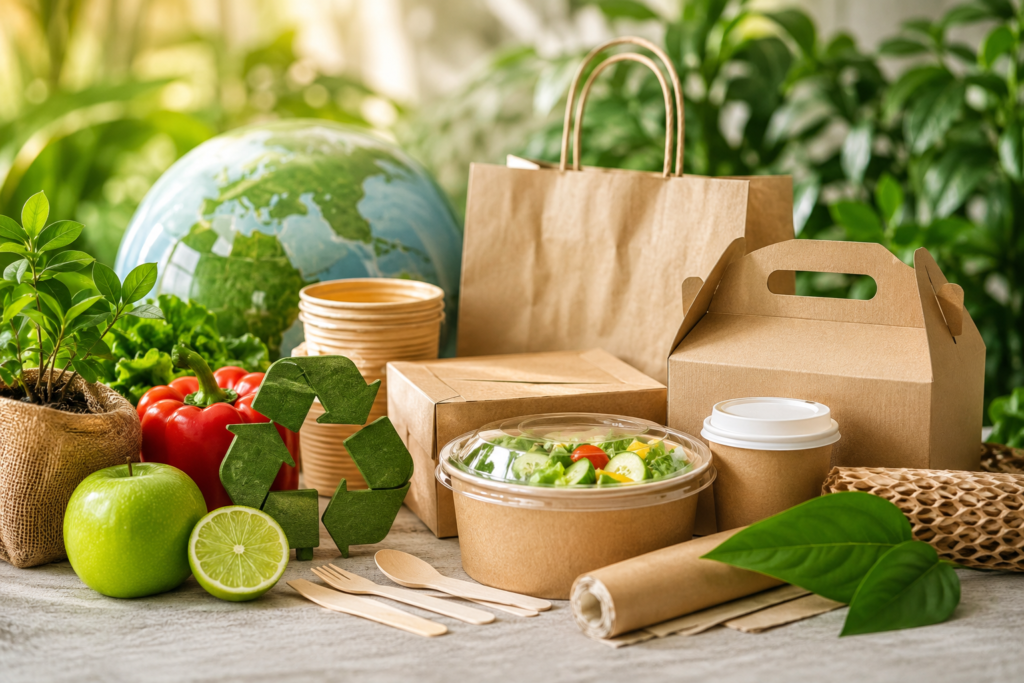
As consumers become more health-conscious, their purchasing decisions extend beyond the products they buy. Today, people also pay attention to how those products are packaged. Eco-friendly packaging has become an essential part of promoting healthier lifestyles because it helps reduce exposure to harmful materials while protecting the environment.
Traditional packaging often relies on plastics and chemicals that may negatively impact both human health and nature. In contrast, sustainable packaging solutions use recyclable, biodegradable, or renewable materials that are safer for consumers and the planet.
This article explores how eco-friendly packaging contributes to better health and why businesses are increasingly adopting sustainable packaging practices.
What Is Eco-Friendly Packaging?
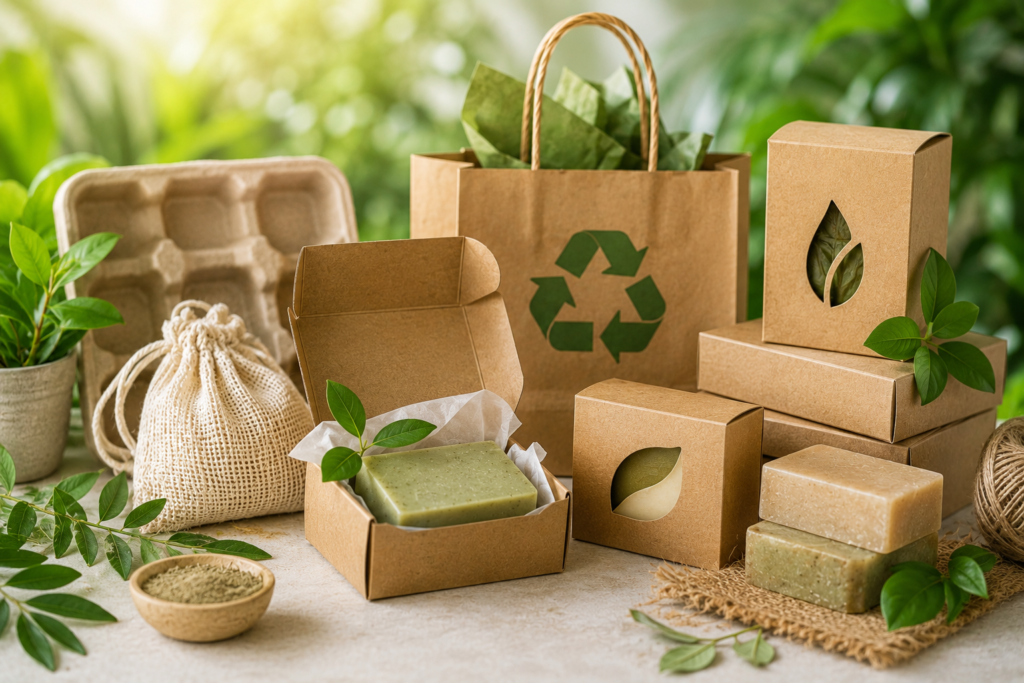
Eco-friendly packaging refers to packaging materials designed to minimize environmental impact throughout their lifecycle. These materials are often recyclable, compostable, reusable, or biodegradable. Common examples include recycled cardboard boxes, kraft paper packaging, compostable mailers, and eco- friendly soap boxes, which provide sustainable protection for handmade and organic soaps while helping reduce packaging waste and supporting environmentally responsible business practices.
Examples include:
- Recycled cardboard
- Kraft paper
- Corrugated boxes
- Plant-based plastics
- Compostable mailers
- Recyclable paper packaging
Unlike conventional plastic packaging, these alternatives help reduce waste while maintaining product quality and safety.
How Eco-Friendly Packaging Supports Better Health
1. Reduces Exposure to Harmful Chemicals
Many traditional packaging materials contain chemicals that may migrate into food or personal care products under certain conditions. Eco-friendly packaging generally uses safer materials with fewer harmful substances, helping consumers make healthier choices.
Food-safe packaging is especially important for fresh produce, organic products, herbal supplements, and health-related goods.
2. Improves Food Safety
Food packaging plays a vital role in protecting products from contamination.
High-quality sustainable packaging helps:
- Keep food fresh longer
- Prevent moisture damage
- Reduce contamination risks
- Protect against dust and bacteria during transportation
This contributes to better food hygiene and reduces unnecessary food waste.
3. Encourages Cleaner Living
A healthier lifestyle is closely connected with a cleaner environment.
Eco-friendly packaging reduces plastic pollution that can contaminate water sources, soil, and ecosystems. Less pollution ultimately contributes to cleaner communities and healthier living conditions.
Individuals who choose environmentally responsible products often develop healthier everyday habits as well.
Environmental Health and Human Well-Being
Human health and environmental health are deeply connected.
Plastic waste contributes to pollution that affects air quality, drinking water, and wildlife. Over time, these environmental issues can indirectly impact public health.
Choosing sustainable packaging helps lower carbon emissions, reduces landfill waste, and supports cleaner ecosystems that benefit everyone.
Small changes made by businesses and consumers can collectively create significant long-term improvements.
The Importance of Sustainable Packaging for Businesses
Modern consumers appreciate companies that care about sustainability.
Businesses adopting eco-friendly packaging can:
- Build customer trust
- Strengthen brand reputation
- Reduce environmental impact
- Meet growing consumer expectations
- Support corporate sustainability goals
Many organizations now invest in recyclable packaging because customers increasingly value responsible business practices.
For businesses looking for reliable custom packaging solutions, professional manufacturers offer customizable packaging options that combine product protection with environmentally conscious materials, making it easier for brands to adopt sustainable packaging without compromising quality.
Eco-Friendly Packaging in Everyday Life
Eco-friendly packaging is becoming common across multiple industries, including:
- Organic food
- Cosmetics
- Healthcare
- Supplements
- E-commerce
- Personal care products
- Retail packaging
Consumers are now more likely to support brands that actively reduce unnecessary plastic and embrace recyclable materials.
Tips for Choosing Eco-Friendly Packaging
Whether you’re a consumer or a business owner, consider these simple tips:
- Choose recyclable materials whenever possible.
- Avoid excessive plastic packaging.
- Look for biodegradable alternatives.
- Support companies with sustainable practices.
- Reuse packaging before recycling it.
- Properly separate recyclable waste.
These small decisions contribute to healthier communities and a cleaner environment.
Future of Sustainable Packaging
Innovation continues to improve sustainable packaging technology.
Manufacturers are developing packaging made from agricultural waste, seaweed, mushrooms, bamboo, and other renewable materials. These innovations reduce dependence on traditional plastics while offering excellent durability and product protection.As environmental awareness grows, eco-friendly packaging is expected to become the industry standard rather than the exception.
Conclusion
Eco-friendly packaging is much more than an environmental trend. It directly contributes to better health by reducing harmful materials, improving food safety, minimizing pollution, and encouraging sustainable living.Businesses that embrace environmentally responsible packaging not only help protect the planet but also strengthen customer trust and promote healthier lifestyles. As consumers continue to prioritize sustainability, custom packaging boxes will remain an essential part of creating a cleaner, safer, and healthier future.
FAQs
1. What is eco-friendly packaging?
Eco-friendly packaging uses recyclable, biodegradable, compostable, or reusable materials designed to reduce environmental impact.
2. How does eco-friendly packaging benefit health?
It reduces exposure to harmful materials, supports food safety, lowers pollution, and promotes cleaner living environments.
3. Why is sustainable packaging important for businesses?
It improves brand reputation, attracts environmentally conscious customers, and supports long-term sustainability goals.
4. Can eco-friendly packaging protect products effectively?
Yes. Modern sustainable packaging provides excellent protection while reducing environmental impact.
5. Is eco-friendly packaging more expensive?
While some options may have a slightly higher upfront cost, they often provide long-term environmental and branding benefits that outweigh the initial investment.