
If you have just been told your blood sugar is high, food can feel confusing overnight. A diabetes diet chart Indian vegetarian 7 day plan helps because it takes the guesswork out of breakfast, lunch and dinner. You don’t need fancy imported food or a strict diet that leaves you hungry. You need a simple Indian thali, built the right way, with the right portions, at the right times.
This plan is for Indian vegetarians — people who eat dal, sabzi, roti, rice, curd and seasonal vegetables, but no meat, fish or eggs. It suits type 2 diabetes and prediabetes for many people, but your medicine and weight change things. Use it as a starting point and adjust with a doctor if something does not suit you.
How a Diabetes Diet Chart Indian Vegetarian 7 Day Plan Works
Think of your plate first. Half should be non-starchy vegetables — lauki, bhindi, cabbage, spinach, methi, cucumber and salad. One quarter should be protein — dal, chana, rajma, paneer, curd or soya. The last quarter should be slow carbs — one or two whole wheat rotis, a small bowl of brown rice, or dalia or millets.
That one change does most of the work. Vegetables and dal add fibre, fibre slows down sugar, and protein keeps you full. Eat at roughly the same times each day. Keep roti to 1–2 per meal and rice to about 1 small katori (100–120 g cooked). Drink water, chaas or unsweetened green tea, and skip sweet drinks. A 20–30 minute walk after meals helps too, if your doctor has cleared you for it.
Diabetes Diet Chart Indian Vegetarian 7 Day — The Full Week
Here is the full plan. Swap vegetables by season and by what is fresh in your market. The structure stays the same, so you can repeat this week again and again.
Day 1 — Monday
Breakfast: 1 bowl vegetable dalia with curd, or 2 moong dal chillas with green chutney. Mid-morning: 1 small guava with roasted chana. Lunch: 1–2 rotis, moong dal, lauki sabzi, salad and curd. Evening: green tea with sprouts chaat. Dinner: 1 roti, palak paneer made with little oil, salad and curd.
Day 2 — Tuesday
Breakfast: 2 besan chillas with tomato-onion filling and curd. Mid-morning: 1 small bowl of papaya (about 100 g). Lunch: 1–2 rotis, rajma made with less oil, cabbage sabzi, salad and chaas. Evening: roasted makhana (about 30 g) with green tea. Dinner: 1 bowl vegetable khichdi made with moong dal and brown rice or millets, with curd and salad.

Day 3 — Wednesday
Breakfast: 1 bowl oats upma with vegetables, or 2 ragi dosas with sambar. Mid-morning: 1 small pear or orange. Lunch: 1–2 rotis, chana dal, bhindi sabzi, salad and curd. Evening: 1 small bowl of sprouted moong chaat with onion, tomato and lemon. Dinner: 1 roti, soya chunk curry made with little oil, tinda sabzi and salad.
Day 4 — Thursday
Breakfast: 1 bowl vegetable poha with lots of vegetables and curd. Mid-morning: 1 small guava with roasted chana. Lunch: 1 small katori brown rice, dal tadka, mixed vegetable sabzi, salad and chaas. Evening: 1 cup buttermilk with roasted jeera and 2 khakhras. Dinner: 2 moong dal chillas with paneer filling, green chutney and salad.
Day 5 — Friday
Breakfast: 1 bowl dalia with vegetables and curd, or 1 besan chilla. Mid-morning: 1 small apple with a few nuts. Lunch: 1–2 rotis, lobia (black-eyed beans), cauliflower sabzi, salad and curd. Evening: 1 small bowl of roasted chana and makhana mix. Dinner: 1 roti, palak dal, carrot-beans sabzi and salad.
Day 6 — Saturday
Breakfast: 2 ragi or jowar rotis with vegetable curry, or 1 bowl millet upma. Mid-morning: 1 small orange or a small bowl of berries in season. Lunch: 1–2 rotis, moong dal, methi sabzi, salad and curd. Evening: green tea with sprouts chaat. Dinner: 1 bowl vegetable soup, 1 roti, paneer bhurji made with little oil, and salad. Keep dinner light if lunch was heavy.
Day 7 — Sunday
Breakfast: 2 idlis with sambar and a little coconut chutney, or 1 bowl vegetable dalia. Mid-morning: 1 small guava or papaya. Lunch: 1–2 rotis, dal makhani made at home with very little butter, seasonal sabzi, salad and chaas. This is your slightly relaxed meal — still keep the roti count the same. Evening: roasted makhana and green tea. Dinner: 1 roti, lauki-chana dal, salad and curd.
That is the full diabetes diet chart Indian vegetarian 7 day plan. Copy this week, change the sabzi and dal each day, and you have a new week without starting from zero.
Diabetes Diet Chart Indian Vegetarian 7 Day: Foods to Eat Every Day
These foods are cheap, easy to find in India, and kind to blood sugar.
- High-fibre vegetables: Lauki, bhindi, cabbage, cauliflower, spinach, methi, karela, cucumber, tomato, beans and capsicum. Aim for 2–3 katoris a day.
- Pulses: Moong dal, masoor dal, chana dal, rajma, chole, lobia and sprouts. They give protein and fibre together.
- Whole grains in small portions: Whole wheat roti, dalia, oats, brown rice, ragi, jowar and bajra. Portion matters more than the grain.
- Low-fat dairy: Curd, chaas and paneer in modest amounts.
- Nuts and seeds: Almonds, walnuts, flaxseed and pumpkin seeds, about 20–30 g a day.
- Cooking oil, used lightly: Mustard, groundnut or olive oil, about 3–4 teaspoons a day in total.
If you want one more idea for fibre-rich meals, the site’s guide on Millets for Gut Health is worth a read — it explains how millets fit into a daily Indian thali and which ones are easiest to start with.
Diabetes Diet Chart Indian Vegetarian 7 Day: Foods to Avoid or Limit
- Sugar and sweets: Sugar in chai, mithai, halwa, kheer, cakes and pastries. Even “sugar-free” sweets often have maida and fat, so keep them rare. Jaggery is a common trap here — the site’s guide on Is Jaggery Good for Diabetes? explains why gur raises sugar almost like white sugar.
- Maida foods: White bread, naan, bhatura, noodles, biscuits and bakery items. Maida turns into sugar quickly.
- White rice in large portions: A small katori is fine for many people, but a heaped plate raises sugar fast.
- Starchy vegetables in large amounts: A few pieces of potato in a mixed sabzi are fine; a full katori of aloo sabzi is not.
- Sweet drinks: Cold drinks, packaged juice, sweet lassi and milkshakes. A glass of juice can carry as much sugar as a cold drink.
- Fried food: Samosa, pakora, puri and chips. Fry less, use less oil, and eat a smaller portion.
- Alcohol: Talk to your doctor first. Alcohol can push sugar low, especially with diabetes medicine.
How to Make This Diabetes Diet Chart Indian Vegetarian 7 Day Plan Work in Real Life
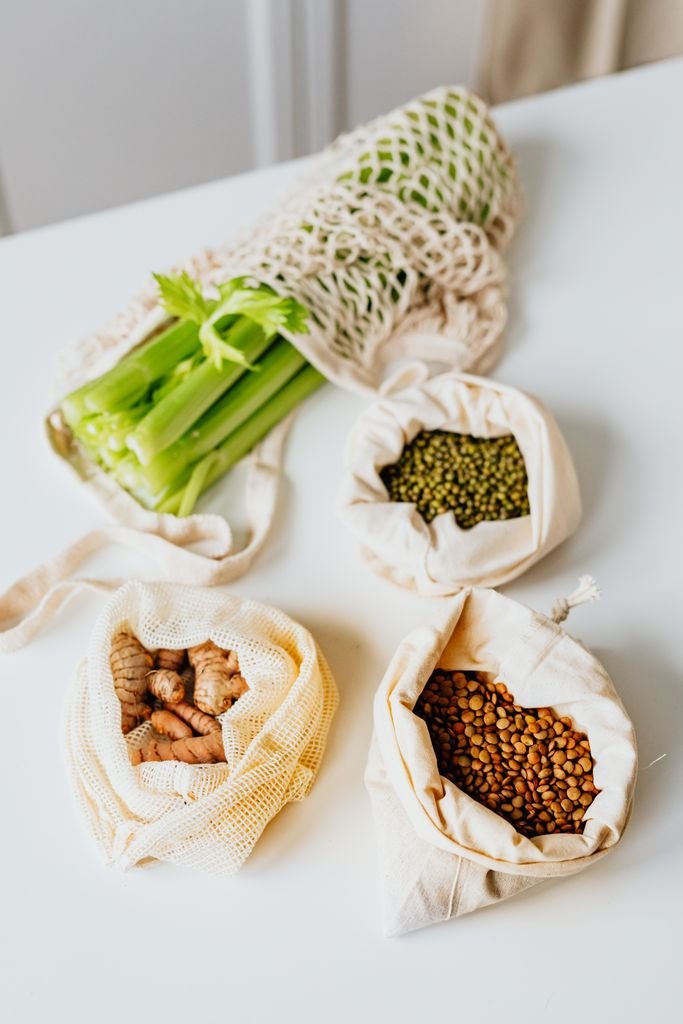
Cook once, eat twice — make extra dal and sabzi at lunch and use the same sabzi with one roti at dinner. Stock your kitchen with moong dal, chana, rajma, oats, dalia, ragi atta, roasted chana, makhana, flaxseed, curd and seasonal vegetables.
Use a small plate, fill half with vegetables, and stop when you are about 80% full. Watch hidden sugar too: breakfast cereals, tomato sauce, flavoured curd and “healthy” biscuits often hide it. If sugar, jaggery, honey or glucose is in the first three ingredients, treat it as a sweet.
Note what you ate and your sugar reading two hours after a meal for the first few weeks. Patterns show up fast. Don’t skip meals to “save” sugar — skipping breakfast and then eating a big lunch often makes sugar worse.
This plan is not costly. Dal, seasonal sabzi, roti, curd and sprouts cost about ₹150–₹250 a day for one person in most Indian cities. Millets and nuts cost more, so use them a few times a week.
Fasting, Festivals and Eating Out on a Diabetes Diet Chart Indian Vegetarian 7 Day Plan
If you fast, do not go without food and water for a whole day if you take diabetes medicine — low sugar can be risky. Talk to your doctor before a fast, keep a small snack ready, and break the fast if you feel shaky or very hungry. For festivals, enjoy a small piece of sweet after a balanced meal, not on an empty stomach, and walk after. When eating out, pick dal, sabzi and roti over creamy curries and fried starters. One meal out will not undo a week of good eating — the daily pattern is what counts.
For more on how food and activity shape blood sugar, the US National Institute of Diabetes and Digestive and Kidney Diseases has a clear guide on diet, eating and physical activity for diabetes.
Frequently Asked Questions
Can I follow this diabetes diet chart Indian vegetarian 7 day plan if I have prediabetes?
Yes, it suits prediabetes too, since it is built on fibre, vegetables, pulses and small portions of whole grains. Get your sugar checked regularly and talk to your doctor about your target range.
How many rotis can I eat in a day on a diabetes diet chart Indian vegetarian 7 day plan?
Most adults do well with 1–2 rotis per meal, about 4–6 a day, plus a small portion of rice or dalia at one meal. Your weight, activity and medicine matter, so ask your doctor or dietitian for a number that fits you.
Is rice allowed in a diabetes diet chart for Indian vegetarians?
Yes, but portion matters. A small katori of brown rice with lots of dal and vegetables is very different from a large plate of rice alone. Mix rice with dal, add salad, and keep the portion small.
Can I eat fruits on this plan?
Yes. Whole fruits — guava, apple, pear, orange, papaya and berries — in small portions are usually fine. Eat fruit with a meal or with nuts, not as juice. Avoid large portions of mango, banana, chikoo and grapes in one sitting. For a fuller list, the site’s guide on What Fruits Can Diabetic Patients Eat in India? covers safe fruits, portions and GI values.
Do I need to give up chai completely?
No. Chai without sugar is fine for most people. The sugar is the problem, not the chai. If you drink 3–4 cups a day with two spoons of sugar each, that adds up fast — cut the sugar first.
Disclaimer: This article is for general information only and is not medical advice. Please consult a doctor for personal advice.