
If you have diabetes, fruit can feel like a trap. Everyone says fruit is healthy, yet your sugar meter tells a different story after a big bowl of mango. So what fruits can diabetic patients eat in India, and how much is safe? Most whole fruits are fine in small portions. The problem is rarely the fruit itself. It is the portion, the ripeness, and whether you drink it as juice instead of eating it whole.
This guide covers the safest fruits in India, their glycaemic index (GI) values, sensible portions, and the fruits to eat only in small amounts. Use it with your own sugar checks.
What Fruits Can Diabetic Patients Eat in India? The Safe List
The safest fruits share three traits: plenty of fibre, a low or medium GI, and a portion you can hold in one hand. Fibre slows sugar down, a low GI means sugar rises more slowly, and a small portion means less total sugar in one go.
Here are the best everyday choices:
- Guava (amrood) — GI about 24. One small guava (about 100 g) is one of the best fruits for diabetes in India. It is high in fibre and cheap. Eat it with the skin.
- Apple — GI about 36. One small apple (about 100 g), eaten with the skin. Pair one with a few nuts and it keeps you full longer.
- Pear (nashpati) — GI about 38. One small pear (about 100 g). Pears have good fibre.
- Orange — GI about 43. One small orange (about 100 g). Eat the whole orange, don’t drink the juice.
- Papaya — GI about 60, but low sugar per portion. One small bowl (about 100 g) is usually fine. Papaya is light and a good breakfast fruit.
- Sweet lime (mosambi) — GI about 43. One small mosambi (about 100 g). Again, eat it whole, not as juice.
- Berries — GI about 25. A small bowl of strawberries, or a handful of jamun in season (about 80–100 g). Jamun has a low GI.
- Peach and plum (aloo bukhara) — GI about 28–40. One small peach or 2 small plums (about 100 g total).
One fruit portion is about 100 g, roughly the size of your fist. One or two portions a day, spread out, suits most people. Ask your doctor how many fit your plan.
What Fruits Can Diabetic Patients Eat in India — GI Table
GI values vary a bit by ripeness, so treat these as guides. Low GI is 55 or below, medium is 56–69, high is 70 or above.
| Fruit | GI (approx.) | Safe portion | Notes |
|---|---|---|---|
| Guava | 24 | 1 small (100 g) | Very high fibre, best everyday choice |
| Jamun | 25 | 80–100 g | Seasonal, low GI |
| Strawberry | 25 | 1 small bowl (100 g) | Pricier, eat in season |
| Apple | 36 | 1 small (100 g) | Eat with skin, pair with nuts |
| Pear | 38 | 1 small (100 g) | Good fibre, gentle on stomach |
| Plum | 40 | 2 small (100 g) | Summer fruit |
| Orange | 43 | 1 small (100 g) | Eat whole, never as juice |
| Mosambi | 43 | 1 small (100 g) | Eat whole, not as juice |
| Papaya | 60 | 1 small bowl (100 g) | Light, low sugar per portion |
| Banana | 51 | 1 small (about 80 g) | Eat slightly unripe, not overripe |
| Mango | 51 | 1 small slice (about 80 g) | Small portion only, with a meal |
| Grapes | 59 | 10–12 grapes | Easy to overeat, count them out |
| Chikoo | 55 | 1 small (about 80 g) | Sweet, keep portion small |
| Watermelon | 72 | 1 small bowl (100 g) | High GI, but low sugar per bowl |
Mango and banana have a medium GI, not a very high one. The trouble is portion. One small slice of mango is very different from two whole mangoes after lunch. Watermelon has a high GI, but a small bowl has little total sugar.
What Fruits Can Diabetic Patients Eat in India: Fruits to Limit, Not Ban
No fruit needs a total ban for most people, but these need care:
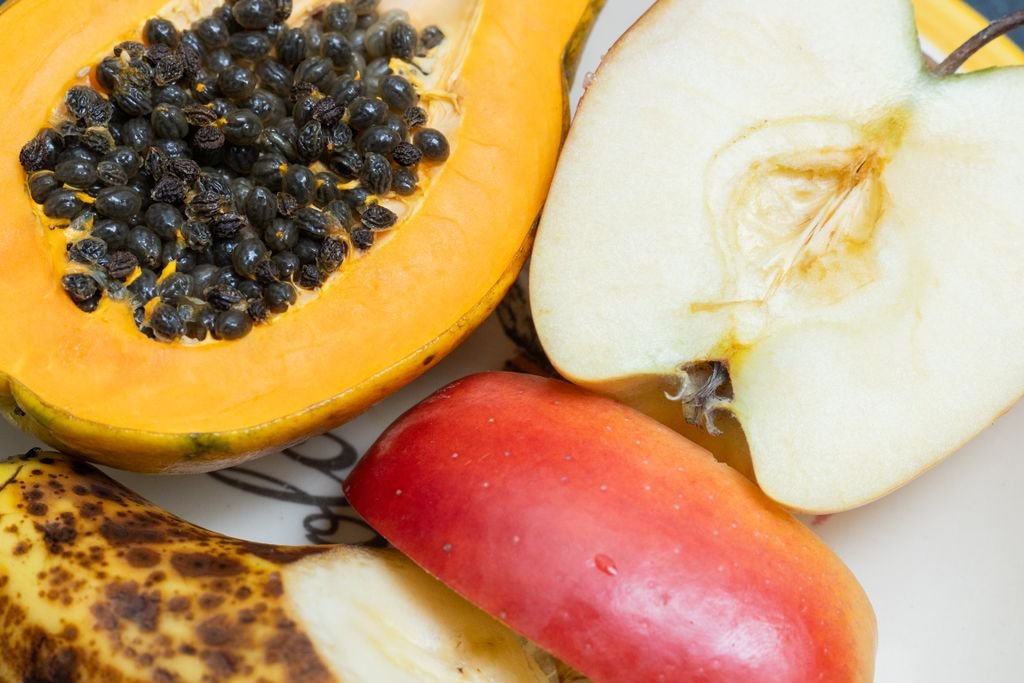
- Mango: The king of fruits, and the hardest to portion. One small slice (about 80 g) after a meal with dal and vegetables is far safer than a full mango on an empty stomach. In mango season, enjoy it a few times a week in a small portion, not daily in large amounts.
- Banana: A small, slightly unripe banana (about 80 g) is better than a large overripe one. Overripe bananas have more free sugar and a higher GI. Avoid banana shakes with sugar and milk — they pack a lot of sugar into one glass.
- Chikoo (sapota): Sweet and dense. One small chikoo is enough. Chikoo milkshake is best avoided.
- Grapes: Easy to eat 30 grapes without noticing. Count out 10–12 and put the packet away.
- Custard apple (sitaphal): Tasty, but high in natural sugar. Half a small sitaphal, shared or eaten slowly, is a safer portion.
- Dates (khajoor): Two dates (about 15 g) are a common portion. They are concentrated sugar, so keep the count low.
- Dried fruits: Raisins, dried figs and dried apricots are sugar in a small package. A tablespoon of raisins (about 15 g) is enough.
If you want one more idea for building fibre-rich meals around fruit, the site’s guide on Millets for Gut Health is worth a read — it shows how whole grains and fibre work together to slow sugar down.
How to Eat Fruit Without Spiking Sugar: What Fruits Can Diabetic Patients Eat in India
Portion is only half the story. How and when you eat fruit matters just as much.
Eat fruit whole, never as juice. Juice removes fibre and lets sugar hit fast. A glass of juice can raise sugar far more than the same fruit eaten whole.
Pair fruit with protein or fat. An apple with a few almonds, or guava with roasted chana, slows sugar down compared with fruit alone on an empty stomach.
Eat fruit with a meal, not between meals on an empty stomach. For many people, fruit after lunch or dinner gives a smaller rise than fruit first thing in the morning. That is why the site’s Diabetes Diet Chart for Indian Vegetarians plans fruit as part of a balanced thali, with dal and vegetables alongside it.
Watch ripeness. A slightly firm banana or guava has a lower GI than a very soft, overripe one.
Spread portions through the day. Two small portions at different times are steadier than one large bowl at once.
Check two hours after eating. Note the fruit, the portion and the reading. After a few weeks you will know which fruits suit you best, without guessing.
Fruit, Sugar and Common Myths: What Fruits Can Diabetic Patients Eat in India
“Fruit sugar is safe because it is natural.” Natural sugar is still sugar. Fruit is far better than sweets, but the sugar still counts. Portion keeps it safe.
“Diabetic patients cannot eat mango at all.” Not true for most people. A small portion with a meal is fine for many. A whole mango every day is the problem.
“Juice is healthy.” Juice without fibre is closer to a sweet drink than to whole fruit. Eat the fruit. Drink water. The same trap applies to sweeteners — the site’s guide on Is Jaggery Good for Diabetes? explains why gur is not a safe swap for sugar.
“Only eat sour fruits.” Sour does not always mean low sugar. GI and portion matter more than taste.
“Sugar-free fruit is best.” There is no sugar-free fruit. Guava, jamun, berries and papaya are lower in sugar — use them most days, and save mango and chikoo for small, occasional treats.
A Simple Daily Fruit Plan for India: What Fruits Can Diabetic Patients Eat in India
Here is a practical pattern that works for many people.
- Breakfast: 1 small bowl of papaya, or half a guava, with breakfast.
- Mid-morning: 1 small apple or pear, with 5–6 almonds or a small handful of roasted chana.
- Lunch: No fruit needed.
- Evening: 1 small orange or mosambi, eaten whole, with green tea.
- Dinner: No fruit needed, or a few slices of guava.
In summer, swap in a small slice of mango once or twice a week. Seasonal fruit is almost always the cheapest choice — a kilo of guava often costs ₹40–₹80, while imported berries can cost ₹300 or more.
For general guidance on eating well with diabetes, MedlinePlus has a clear summary of diabetes, its symptoms and how diet and activity help.
Frequently Asked Questions: What Fruits Can Diabetic Patients Eat in India?
What fruits can diabetic patients eat in India every day?
Guava, apple, pear, orange, mosambi, papaya and jamun in season are good daily choices, in portions of about 100 g. One or two portions a day, spread out, suits most people. Check your sugar two hours after eating to see how you respond.
What fruits can diabetic patients eat in India — is banana good for diabetes?
A small, slightly unripe banana (about 80 g) is usually fine. A large overripe banana raises sugar more. Avoid banana shakes with sugar, and check your sugar after eating banana.
What fruits can diabetic patients eat in India — can they eat mango?
Yes, in a small portion — about 80 g, or one small slice — eaten with a meal, a few times a week in season. A whole mango, or mango juice, is much more likely to spike sugar.
What fruits can diabetic patients eat in India — is fruit juice safe for diabetic patients?
No, not really. Juice removes the fibre and packs the sugar of several fruits into one glass. Eat whole fruit instead and drink water, chaas or unsweetened tea. Even fresh home-made juice behaves the same way.
What fruits can diabetic patients eat in India with the lowest sugar, and what fruits can diabetic patients eat in India only in small portions?
Guava, jamun and berries are among the lowest, with a GI around 24–25 and good fibre. Amla is also very low in sugar. Use these as your daily fruits, and keep mango, chikoo, grapes and custard apple to small, occasional portions.
Disclaimer: This article is for general information only and is not medical advice. Please consult a doctor for personal advice.