
Walk into any Indian kitchen and you will find gur — jaggery — in a dabba next to the sugar. It goes into chai, dal, til laddoo, kheer and winter sweets. Many people switch from white sugar to jaggery after a diabetes diagnosis, thinking it is the healthy option. So is jaggery good for diabetes? The honest answer is no. Jaggery is a little less processed than white sugar, but for blood sugar it behaves almost the same way.
That does not mean you can never taste gur again. Know what it does, how much is safe, and when no sweetener is better.
Is Jaggery Good for Diabetes? What Gur Actually Is
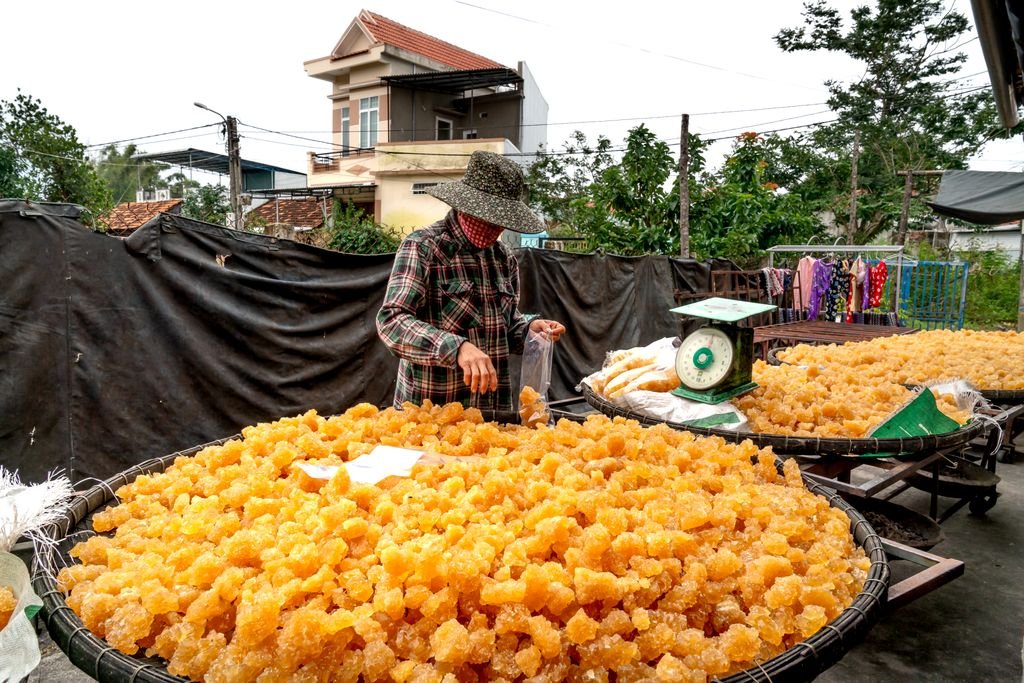
Jaggery is made by boiling sugarcane juice until it thickens and sets. Unlike white sugar, it is not refined to pure sucrose, so it keeps small amounts of iron, magnesium and potassium from the cane. That is why it is often called “natural” and “healthy.”
A teaspoon of jaggery (about 5 g) has around 19 calories and about 4–5 g of sugar. White sugar has about the same. The minerals in jaggery are present in tiny amounts — far too small to offset the sugar.
In short, jaggery is sugar with a brown colour and a few trace minerals. Your body treats it much like white sugar: it breaks it down into glucose, and blood sugar rises.
Is Jaggery Good for Diabetes? Jaggery vs Sugar: The Numbers
Here is how jaggery and sugar stack up side by side:
| Jaggery (gur) | White sugar | |
|---|---|---|
| Calories per teaspoon (5 g) | About 19 | About 20 |
| Sugar per teaspoon | About 4–5 g | About 5 g |
| Glycaemic index (GI) | About 84 | About 65 |
| Processing | Less refined | Highly refined |
| Minerals | Trace amounts of iron, magnesium, potassium | Almost none |
| Effect on blood sugar | Raises it fast | Raises it fast |
The GI of jaggery is often listed higher than white sugar, around 84, because it is mostly sucrose. GI numbers vary by source, but the point stays the same: gur is not a low-GI food.
Honey is in the same boat. It has a GI of about 58, but a tablespoon still has about 17 g of sugar. Brown sugar, khandsari, mishri and coconut sugar are also forms of sugar. The name changes; the sugar does not.
Why People Ask: Is Jaggery Good for Diabetes?
The idea comes from a few real facts that get stretched too far.
“Jaggery is natural.” It is less processed than white sugar, yes. But “natural” does not mean “safe for diabetes.” Mango is natural too, and a whole mango still raises sugar.
“Jaggery has iron, so it helps anaemia.” Gur does have a little iron, but a teaspoon gives you only a tiny fraction of what you need in a day. Dal, leafy greens and other foods give far more iron without the sugar load. If you are low on iron, ask your doctor — don’t rely on gur.
“Jaggery helps digestion.” A small piece of gur after a meal is an old Indian habit, and many people find it settles the stomach. That may be true in a small amount, but the sugar effect is still there. If you like the habit, keep the piece very small — a piece the size of a chana, not a full cube — and eat it after a balanced meal, not on an empty stomach.
“Ayurveda says jaggery is good.” Ayurveda does use gur in some preparations, often in small amounts with herbs and spices. That is very different from adding two spoons of gur to chai three times a day. Traditional use in tiny amounts is not the same as daily use as a sweetener.
Is Jaggery Good for Diabetes in Small Amounts? How Much Is Safe
For most people with diabetes, the safest answer is: as little as possible, and not every day. There is no official “safe dose” of jaggery for diabetes, because it is not a food you need.
- In chai: Try chai without any sweetener first. If you cannot enjoy it plain, use a very small amount of gur — half a teaspoon — and only once a day. Two spoons in each of three cups adds up to about 30 g of sugar a day, just from chai.
- In cooking: A small piece of gur in dal for a whole family pot is a small amount per person. That is very different from gur in kheer or halwa, where the portion per person is much larger.
- In sweets: Til laddoo, gur-papdi, rewari and kheer made with gur still count as sweets. One small piece after a meal, once in a while, is the limit for most people. A daily sweet, even a “healthy” one made with gur, will push sugar up. If you want something sweet, whole fruit is a better choice — the site’s guide on What Fruits Can Diabetic Patients Eat in India? lists the safest fruits and portions.
- As a habit after meals: If you eat a small piece of gur after lunch, keep it tiny and check your sugar two hours later for a few days. If the reading jumps, drop the habit.
If you take diabetes medicine, talk to your doctor before using gur regularly.

Is Jaggery Good for Diabetes Compared With Other Sweeteners?
If you want sweetness without the sugar spike, these are the common options:
- Stevia: A plant-based sweetener with almost no calories and no sugar. It tastes a little different from sugar, but many people get used to it. Look for pure stevia, not blends that add sugar.
- Sucralose and aspartame: Common in sugar-free products. They add sweetness without sugar. Talk to your doctor if you are unsure about them.
- Monk fruit: Less common in India and pricier, but another zero-sugar option.
- Dates, in small amounts: Two dates can sweeten a smoothie or a small dessert, but they still carry sugar, so they are not a free pass.
- No sweetener at all: After two or three weeks without sugar in chai, many people find plain chai tastes normal again. Your taste buds adjust faster than you expect.
What about “diabetic sweets” from the market? Read the label. Many use maltitol or sorbitol, which still raise sugar a little, and many are high in fat. “Sugar-free” on the pack does not mean “eat as much as you like.”
If you want a fuller picture of how weight and sugar link together, the site’s guide on GLP-1 Weight Loss in India is worth a read — it explains how newer weight-loss medicines work and who they suit, so you can have an informed chat with your doctor.
Is Jaggery Good for Diabetes in Indian Cooking? Practical Swaps
You don’t need to throw out every family recipe. Small swaps keep the flavour and cut the sugar.
- Chai: Try half a teaspoon of gur, then try no sweetener at all with ginger and elaichi. The spices add flavour without sugar. The site’s Diabetes Diet Chart for Indian Vegetarians shows how unsweetened chai fits into a full day of meals, with portions for roti, dal and vegetables.
- Dal and sambar: Skip the gur, or use a tiny piece only when the dal is very sour. A squeeze of lemon often balances the taste.
- Til laddoo and chikki: Make them small — bite-size, not palm-size — and eat one, not three.
- Kheer and halwa: Make them for festivals, not every week. Use less gur than the recipe says, and serve a small katori.
- Winter sweets (gond laddoo, panjiri): These are often made with gur and ghee, so they are high in both sugar and calories. One small laddoo, once in a while, is better than one a day all winter.
Check your sugar two hours after a meal that had gur in it, and compare it with the same meal without gur.
When Jaggery Can Be Useful (Rarely)
There is one time when fast sugar helps: low blood sugar. If you take diabetes medicine and your sugar drops too low — you feel shaky, sweaty or very hungry — you need fast sugar right away. A small piece of gur or a few glucose tablets can help, exactly as your doctor has advised. That is a medical use, not a daily habit.
For general information on diabetes, its symptoms and how diet helps, MedlinePlus has a clear summary.
Frequently Asked Questions
Is jaggery good for diabetes?
No, not really. Jaggery is mostly sugar, with a GI around 84 and about the same calories as white sugar. It has trace minerals, but far too little to offset the sugar. It raises blood sugar almost the same way sugar does. Use it rarely, in tiny amounts, or not at all.
Can diabetic patients eat jaggery in small amounts?
A very small amount — a piece the size of a chana after a meal, or half a teaspoon in chai once a day — is the limit for many people. Check your sugar two hours after to see how you respond. If the reading jumps, skip it. Ask your doctor what fits your plan.
Is jaggery good for diabetes or better than sugar?
Only slightly, and not in a way that matters much. Jaggery is less processed and has trace minerals, but its sugar and calories are almost the same as white sugar, and its GI is higher. Switching from sugar to jaggery does not make a sweet safe.
Is honey better than jaggery for diabetes?
Honey has a slightly lower GI, but a tablespoon still has about 17 g of sugar. It is not a safe sweetener for diabetes in normal amounts. Use it rarely, in small amounts, if at all.
What is the best sweetener for diabetic patients in India?
Stevia is a common choice — plant-based, almost no calories and no sugar. Sucralose is another option many doctors are comfortable with. The best choice is often no sweetener at all in chai, with spices like ginger and elaichi for flavour. Ask your doctor which option suits you.
Disclaimer: This article is for general information only and is not medical advice. Please consult a doctor for personal advice.