
If you have diabetes in the family, you have probably heard someone say, “drink karela juice every morning and your sugar will come down.” The idea of karela juice for diabetes benefits is so common in Indian homes that it almost feels like settled wisdom. But does it actually help? And if it does, how much should you drink, when, and who should stay away from it? This guide sorts out what we know, what we don’t, and how to use it safely alongside your food and medicine — not instead of them.
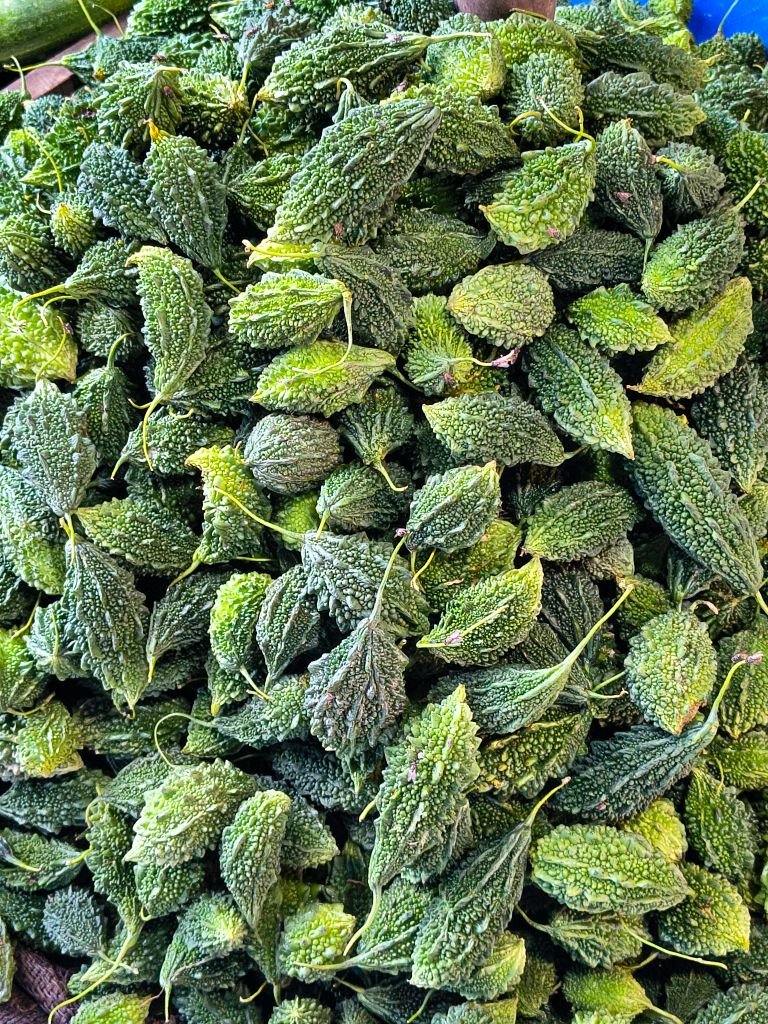
Karela, or bitter gourd, is bitter — no getting around that. Yet it keeps showing up in diabetes conversations because it contains natural compounds that seem to affect blood sugar. Here’s the honest picture, without hype.
Karela Juice for Diabetes Benefits: What the Research Actually Says
Karela contains compounds researchers keep coming back to — charantin, a plant insulin-like compound called polypeptide-p, and vicine. In lab studies and small human trials, these have been linked to slightly lower fasting blood sugar. But the human studies so far are small, short and mixed: some people see a modest drop, others see nothing at all.
So think of karela juice as a helper, not a treatment. It can sit alongside a good diet, regular walking, and whatever medicine your doctor has prescribed. It cannot replace any of those.
In plain terms, the picture looks like this:
- It may help blunt blood sugar rises a little. The effect is modest, not dramatic.
- It is very low in calories and carbs. A small glass has almost no sugar of its own, unlike fruit juice.
- It brings fibre and micronutrients. Karela has vitamin C, folate, potassium and some fibre — all useful in a diabetes-friendly diet.
- It may support weight control. The juice is filling for almost no calories, and bitter foods can reduce appetite a little for some people.
- It fits easily into an Indian kitchen. Karela costs ₹30–60 a kilo, it is available all year, and the juice takes five minutes to make.
Karela isn’t the only kitchen remedy for blood sugar — methi seeds are another, and our guide on Methi Seeds for Diabetes How to Use: Benefits, Dosage & Side Effects explains how to soak them and how much to take.
Most strong claims online come from animal studies or concentrated extracts, not home-made juice — so keep expectations realistic.
Karela Juice for Diabetes Benefits: How to Make It at Home
A mixer-grinder does the job in about five minutes. Make it fresh in the morning and drink it the same day.
You will need:
- 1 medium karela (about 100–150 g)
- Half a lemon
- A small piece of ginger (about 1 inch)
- 1 cup of water
- A pinch of rock salt or black salt (optional)
- Half a small amla or a few mint leaves (optional, for taste)
Steps:
- Wash the karela, cut it lengthwise and scoop out the seeds and white pith — that is where most of the extra bitterness sits.
- Chop, soak in salted water for 10 minutes, then rinse.
- Blend with the water, ginger and amla or mint, strain through a fine sieve, and squeeze the lemon in at the end.
- Drink it fresh, within 15–20 minutes of making it.
Start with half a small glass (60–80 ml) a day, moving up to one small glass (100–150 ml) if your stomach handles it. More is not better — larger amounts are more likely to upset your stomach or push your sugar too low, especially with diabetes medicine.

When Is the Best Time to Drink Karela Juice for Diabetes Benefits?
Most people drink it first thing in the morning, 20–30 minutes before breakfast. If it gives you acidity, drink it with breakfast instead — the benefits don’t disappear.
A few tips to make it easier:
- Mix it with a little amla juice or lemon — both cut the bitterness and add vitamin C.
- Don’t add sugar, honey or jaggery; that defeats the whole point. Five or six days a week is plenty.
Karela Juice for Diabetes Benefits and Side Effects: Who Should Avoid It
Karela juice is a food, not a drug, but it can still cause problems. The bitterness comes from active compounds, and those compounds have real effects.
Common side effects:
- Stomach pain, cramps or loose motions, especially in large amounts or on a very empty stomach
- Nausea and a bitter aftertaste that lingers
- Headache or dizziness in some people
- Low blood sugar, mainly if you take diabetes medicine or insulin — the two can stack up
Who should avoid it or check with a doctor first:
- Pregnant women. Karela has traditionally been linked with uterine stimulation, so most doctors advise avoiding the juice in pregnancy — ask your doctor.
- Breastfeeding mothers — there is not enough safety data, so skip the juice.
- People on diabetes medicine or insulin. Karela can push your sugar lower, and combined with your medicine it can push it too low — check your sugar more often when you start, and talk to your doctor first.
- People who already get low-sugar episodes — adding karela juice is asking for trouble.
- Children — the juice is not meant for young children; it can cause low sugar and stomach upset.
- People with liver or kidney disease — check with your doctor first.
- Anyone scheduled for surgery — stop the juice at least two weeks before.
If you notice shivering, sweating, sudden hunger or confusion after drinking it, treat it as low sugar: have something sweet right away and tell your doctor.
How Karela Juice for Diabetes Benefits Fits Into a Full Diabetes Diet
Karela juice works best as one small piece of a bigger pattern. On its own, a glass of bitter juice cannot undo a plate of white rice, a sugary chai and no walking — but with the rest of your diet in decent shape, it can be a useful daily nudge.
A simple diabetes-friendly plate pairs well with it: half sabzi and salad, one quarter dal or another protein, one quarter roti or brown rice. Swap white rice for millets a few days a week — our guide on Millets for Gut Health: Ragi, Jowar and Bajra — Benefits, Recipes and Who Should Avoid Them shows how to make that switch without feeling like you are on a diet. And if you want the whole week mapped out, Diabetes Diet Chart Indian Vegetarian 7 Day Plan: Foods to Eat & Avoid lays out seven days of meals that keep sugar steady. Add a 30-minute walk after lunch or dinner, and you have already done more for your sugar than any single juice can do.
For a clear overview of how food, activity and weight fit together in diabetes care, see the US National Institute of Diabetes and Digestive and Kidney Diseases guide on healthy living with diabetes.
A few everyday habits that pair well with karela juice:
- Check your sugar and write it down. Check fasting sugar a few times a week when you start the juice, so you can see whether anything is actually changing.
- Keep your medicine going. Never stop or cut down diabetes medicine because you started drinking karela juice — that decision belongs to your doctor, based on your readings over weeks.
Frequently Asked Questions
Does karela juice for diabetes benefits really lower blood sugar?
It may lower fasting blood sugar a little in some people, but the effect is modest. It is a support food, not a replacement for medicine, diet or exercise.
How much karela juice for diabetes benefits should a diabetic person drink daily?
Start with 60–80 ml a day, going up to about 100–150 ml (one small glass) if it suits you. More than that raises the chance of stomach upset and low sugar.
Can karela juice replace diabetes medicine?
No. Never stop or reduce your medicine because of karela juice.
Is it safe to drink karela juice every day?
For most healthy adults with diabetes, a small glass five or six days a week is usually fine. If you take insulin or diabetes medicine, are pregnant, or have liver or kidney problems, check with your doctor first.
What is the best time to drink karela juice for diabetes benefits?
Early morning, 20–30 minutes before breakfast, is the most common timing. If it upsets your stomach, have it with breakfast instead.
Disclaimer: This article is for general information only and is not medical advice. Karela juice can affect blood sugar and may interact with diabetes medicines, so please consult your doctor for personal advice before starting it, especially if you are pregnant, take insulin, or have liver or kidney disease.