
If your knees ache when the temperature drops, you are not imagining it. For millions across India, joint pain in winter is a yearly problem — stairs feel harder in January and mornings feel stiffer. The good news: most of it can be eased at home. Here is why, and the 10 best joint pain in winter home remedies.
Why Does Joint Pain Get Worse in Winter?
Cold weather changes the body in small ways that add up to stiff joints. Muscles tighten in the cold, blood flow to the hands, knees and feet drops slightly, and most of us move less in winter, while joints that do not move get stiff faster. Warmth and movement are at the heart of these joint pain in winter home remedies.
There is also the sunlight factor. Short winter days mean less sun on the skin, and many Indians already run low on vitamin D, which is linked with weaker bones and more aches. See our vitamin D deficiency in India guide for symptoms, foods and sunlight needs. Your joints are not damaged — they need warmth, movement, extra care. That is why these joint pain in winter home remedies focus on warmth and sunlight.
10 Joint Pain in Winter Home Remedies That Actually Help
Warmth outside, the right foods inside, and gentle movement every day — try two or three for a week and see which suit you. The joint pain in winter home remedies below are simple and use kitchen ingredients.
1. Warm Mustard Oil Massage (Sarso Tel Malish)
Warm a little mustard oil — never hot enough to burn — and massage it into the sore knee for 10 minutes with slow, circular strokes. It warms the skin, improves blood flow and loosens tight muscles. Do it daily.
2. Haldi Doodh (Turmeric Milk) at Night
Warm milk with half a teaspoon of haldi, a pinch of black pepper and a little jaggery is an old Indian remedy for aches. Turmeric’s curcumin is studied for anti-
inflammatory effects, and black pepper helps the body absorb it. Drink it warm, an hour before sleep. For the exact recipe, see our turmeric milk (haldi doodh) guide.
3. Ajwain Potli (Hot Compress)
Heat a handful of ajwain seeds on a dry pan, tie them in a clean cotton cloth to make a potli, and press it gently on the painful joint for 10-15 minutes. The dry heat relaxes the muscles and feels soothing — best for morning stiffness, right after waking up.
4. Warm Epsom Salt Soak
If your feet or ankles ache, soak them in a bucket of warm water mixed with 2-3 tablespoons of Epsom salt for 15 minutes. The warm water relaxes the tissues and the magnesium is absorbed through the skin in small amounts. Do this in the evening — it also helps you sleep.
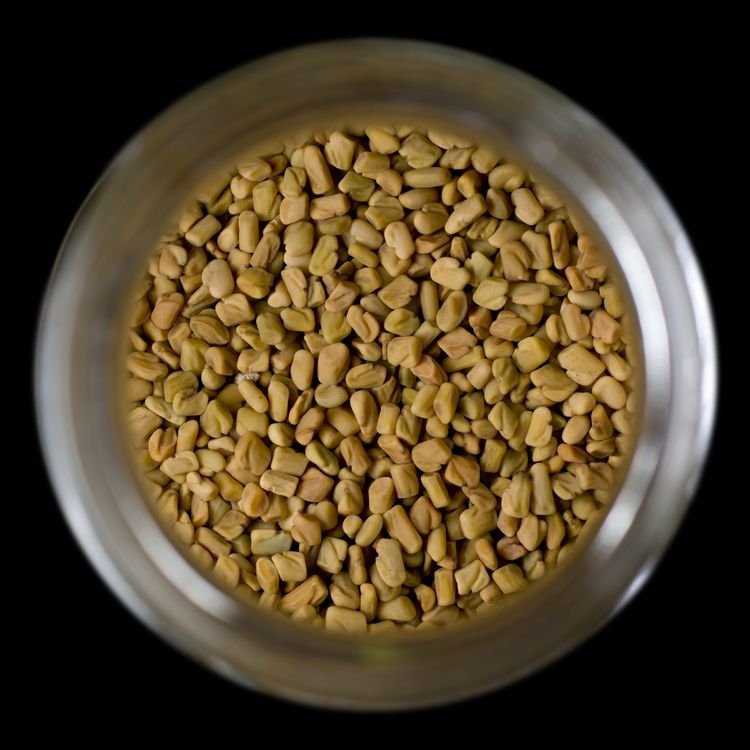
5. Methi Dana (Fenugreek Seeds) Water
Soak one teaspoon of methi dana in water overnight, then drink the water and chew the seeds in the morning. Fenugreek has long been used in Ayurveda for joint stiffness, and it also helps blood sugar and digestion. The taste is bitter, so mix in a little honey, and give it 3-4 weeks.
6. Gond Laddoo in Winter
Gond (edible gum) laddoos with atta, ghee, dry fruits and a little methi are a classic North Indian winter food. Gond is believed to lubricate the joints, and the laddoo gives slow, warming energy. One small laddoo a day is enough; if you have diabetes, skip the sugar version and ask your doctor first.
7. Gentle Movement Every Day
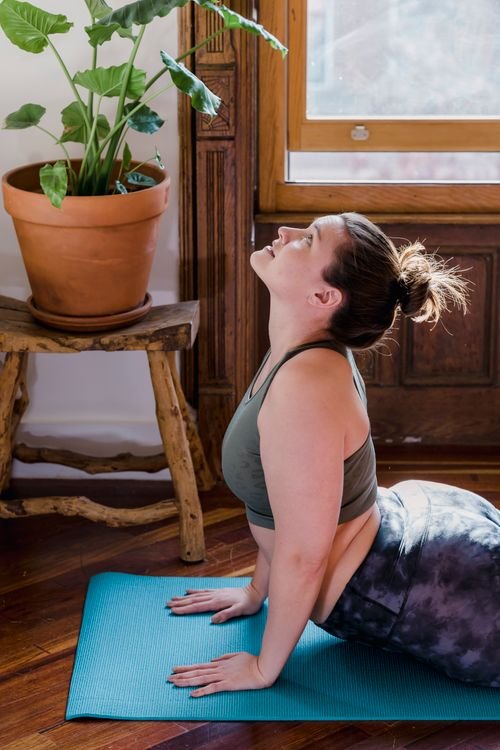
Resting all day makes winter joint pain worse, not better. A 20-30 minute morning walk in the sun, slow stretching, or a few rounds of surya namaskar keeps the joints oiled and the muscles warm. Move slowly, never force a painful joint; even 10 minutes of chair exercises counts on very cold days.
8. Stay Warm — Layers, Knee Caps and Hot Water Bags
Wear warm layers, keep your knees covered — a woollen knee cap costs ₹150-300 — and use a hot water bag on the painful joint for 15 minutes before bed. Keep the bedroom warm at night too, as a cold room worsens morning stiffness.
9. Sesame Oil (Til Tel) Massage
Til tel is lighter than mustard oil and suits people who find mustard oil too strong or irritating. Warm it slightly, massage it into the joints, and leave it on for at least 30 minutes before bathing. In Ayurveda, sesame oil is the standard warming oil for winter massage — do a patch test first if your skin is sensitive.
10. Adrak (Ginger) Tea or Paste
Ginger has natural anti-inflammatory compounds, so a cup of adrak chai in the morning warms the body from the inside. A paste of grated ginger and warm water can also be applied to a sore joint for 10 minutes — wash it off if the skin feels irritated.
A 10-Minute Morning Routine for Stiff Joints
Mornings are the worst time for winter joint pain, so a short routine right after waking up makes the whole day easier. On the bed, rotate each ankle and wrist 10 times, then bend and straighten each knee 10 times. Stand up, stretch your arms overhead, and do 5 slow side bends. Then press an ajwain potli or hot water bag to the worst joint for 5 minutes, and finish with a short walk in the sun. Sleep matters too: poor sleep worsens pain, and stiff muscles worsen sleep, so if sleep is a struggle, our magnesium for sleep guide explains which foods help. This routine pairs well with the joint pain in winter home remedies above.
Winter Foods That Support Your Joints
Food will not cure joint pain, but the right winter diet gives your joints what they need to stay strong. Eat calcium-rich milk, curd, ragi and sesame seeds; get vitamin D from eggs, mushrooms and fortified milk; and keep omega-3 fats in the diet with flaxseeds, walnuts and fish if you eat it. Prefer warm, cooked food — dal, khichdi, soups and sabzi with a little ghee — over cold salads. Drink enough water too — even mild dehydration can stiffen joints. These foods support the joint pain in winter home remedies in this guide.
What to Avoid in Winter If Your Joints Hurt
A few habits make winter joint pain worse. Sitting for hours without moving stiffens the knees fast, and very cold baths shock the joints, so lukewarm water is kinder. Crash diets can weaken the muscles that protect the joints, and daily painkillers without a doctor’s advice mask the pain while harming the stomach and kidneys. Avoiding these habits helps the joint pain in winter home remedies work better.
When Joint Pain Needs a Doctor
Home remedies are for mild, everyday pain. See a doctor quickly if a joint is swollen, red or warm; if pain does not improve in two weeks; if pain wakes you at night; or if a joint locks, gives way, or cannot bear weight. People with diabetes, rheumatoid arthritis or past fractures should not rely on home remedies alone. For more on arthritis, see MedlinePlus: https://medlineplus.gov/arthritis.html Until then, the joint pain in winter home remedies above are only for mild pain.
Frequently Asked Questions
Why do knees hurt more in winter?
Cold tightens the muscles around the knee, reduces blood flow, and thickens the joint fluid — so the knee moves less smoothly, especially in the morning.
Is haldi doodh good for joint pain in winter?
Yes, as a supportive remedy. The curcumin in turmeric has anti-inflammatory properties, and warm milk at night also helps sleep, which improves pain the next day. It works slowly — expect a few weeks, not overnight relief. It is one of the simplest joint pain in winter home remedies to try first.
Which oil is best for joint pain massage in winter?
Mustard oil is the most warming and the most common choice in North India; sesame (til) oil is lighter and suits sensitive skin. Both work — the massage and the warmth matter more than the oil.
How long does winter joint pain last?
For most people it eases as the weather warms up in February-March. If it stays the same in warm weather, or keeps getting worse, get it checked — it may not be weather-related at all.
Disclaimer
This article is for general information only and is not medical advice. Home remedies can ease mild, everyday joint pain, but they do not replace a doctor’s diagnosis. If your pain is severe, swollen, or does not improve in two weeks, please consult a doctor.