
There is hardly an Indian home where haldi doodh has not appeared at some point — after a fall on the playground, during a winter cold, or on a restless night when a grandmother insisted that warm milk would fix everything. The turmeric milk benefits people remember from childhood are simple ones: comfort, warmth, and a good night’s sleep. Today, the same drink is sold in cafes as a “golden latte” for ₹200 or more, but the home version costs just a few rupees a glass and takes five minutes to make.
The question is not whether haldi doodh is comforting — it clearly is — but what it can and cannot do, and how to make it properly. The correct recipe matters more than most people realise. Turmeric on its own is poorly absorbed by the body, and a pinch stirred into cold milk is not the same as turmeric simmered in warm milk with black pepper and a little fat. This article gives the correct recipe, explains when haldi doodh helps most, when it does not, and who should limit it.
What Is Haldi Doodh?
Haldi doodh is warm milk simmered with turmeric, traditionally with a pinch of black pepper and sometimes a little ghee, ginger, or cinnamon. In Ayurveda, turmeric (haldi) is considered warming and supportive of digestion and immunity, and milk is considered nourishing and calming, especially in the evening. Together, they form a bedtime drink that has been part of Indian home care for generations.
The active compound in turmeric that researchers study most is curcumin. Curcumin is what gives turmeric its yellow colour, and it is the compound linked in laboratory and small human studies to antioxidant and anti-inflammatory activity. But curcumin is poorly absorbed on its own, and it is quickly cleared from the body. That is why the traditional recipe — with pepper and fat — is not just a matter of taste. It is the practical wisdom that modern science has largely confirmed.
A glass of haldi doodh is also, quite simply, a glass of warm milk. Milk provides protein, calcium, and a sense of fullness, and a warm drink in the evening is a soothing ritual in itself. Some of the comfort people feel from haldi doodh probably comes from the milk, the warmth, and the routine, not from the turmeric alone. That does not make it less valuable — it just keeps expectations honest.
The Correct Recipe: Turmeric Milk Benefits Depend on How You Make It
Many people make haldi doodh by stirring a spoon of turmeric into hot milk and drinking it straight away. That version is fine, but the proper method gives you more from the same ingredients. The three keys are heat, black pepper, and a little fat.
Classic haldi doodh (1 glass)
- 1 glass (about 200 ml) milk — dairy milk, or a plant milk such as almond or oat milk if you prefer
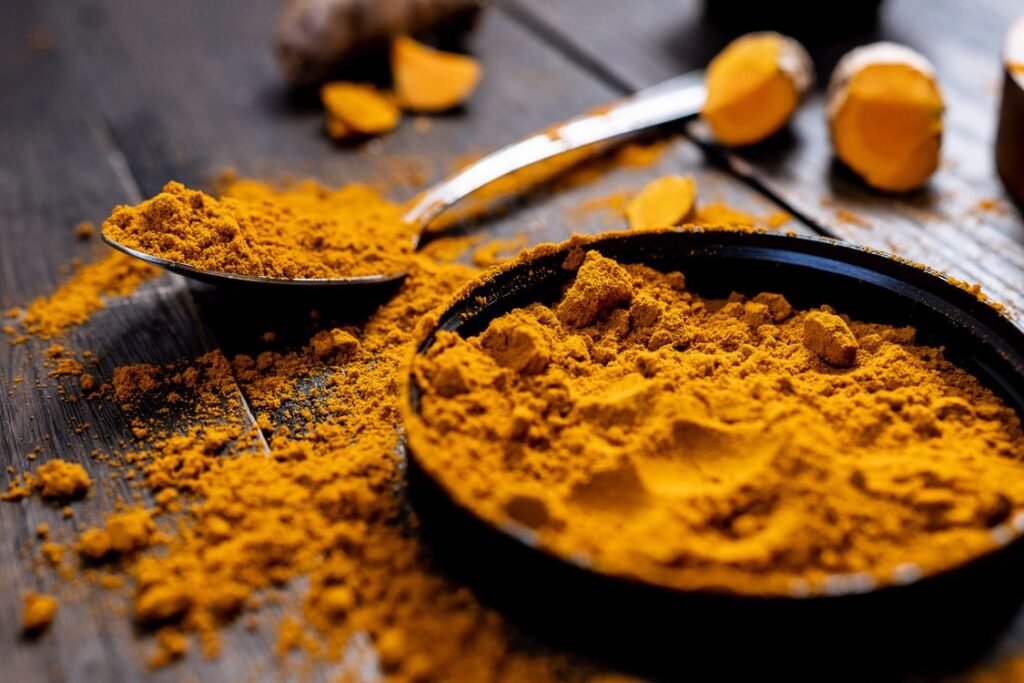
- ½ teaspoon turmeric powder (or a small piece of fresh turmeric, grated)
- A pinch of black pepper (just 2–3 twists of the mill, or a tiny pinch of ground pepper)
- ½ teaspoon ghee, or a few drops of coconut oil (optional, but helpful for absorption)
- Optional: a small piece of fresh ginger, grated; a pinch of cinnamon or cardamom; a little honey or jaggery to taste, added after the milk cools slightly
Method:
- Warm the milk in a small pan on a low flame. Do not boil it hard.
- Add the turmeric and ginger, if using, and stir well.
- Add the black pepper and ghee, and let the milk simmer gently for 3–4 minutes, stirring occasionally. This simmering step matters — it helps the curcumin dissolve into the fat and mix properly.
- Take it off the heat, let it cool for a minute or two, and add honey or jaggery if you like it sweet. Never add honey to boiling-hot milk.
- Drink it warm, ideally in the evening.
A few practical notes: use ½ teaspoon of turmeric, not a heaped tablespoon. More turmeric does not mean more benefit, and large amounts are more likely to upset the stomach. Black pepper should be a pinch, not a spoonful — a little is enough, and too much will irritate the throat. If you use fresh turmeric, a piece about the size of your thumbnail, peeled and grated, is enough for one glass. And if you are lactose-intolerant, a plant milk works well; choose one with a little fat in it, or add the ghee, so the same absorption principle applies.
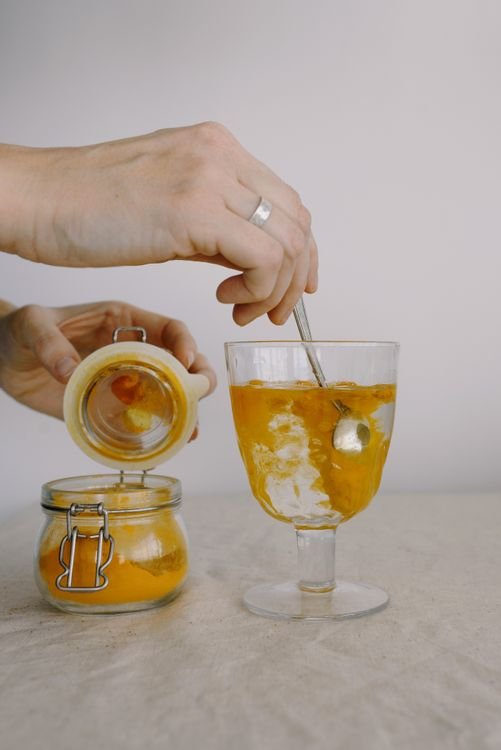
You can also make a simple turmeric paste in advance: simmer ¼ cup turmeric powder with ½ cup water and a pinch of pepper for a few minutes until it thickens, store it in a clean jar in the fridge for up to two weeks, and stir ½ teaspoon into warm milk when you want a glass. This is handy on busy evenings.
When Haldi Doodh Helps Most
Haldi doodh is best understood as a comforting home drink that may support general well-being, not as a medicine. Here are the situations where it is most often useful:
During a cold or sore throat. A warm drink soothes a scratchy throat, and the steam and warmth can feel comforting when you are congested. Adding ginger makes it more warming still. Haldi doodh will not cure a cold — no drink does — but it can make a cold evening more bearable, and it encourages you to rest and take fluids, which is what actually helps a cold run its course.
For sleep. Many people find a warm, milky drink in the evening helps them wind down. The ritual itself — making the drink, sitting quietly, drinking it slowly — is part of the effect. Warm milk contains tryptophan, an amino acid involved in sleep, although the amount in one glass is small. If haldi doodh helps you sleep, it is probably the combination of warmth, milk, routine, and a calm evening, rather than a single compound.
For general soreness after a tiring day. After a long day of physical work, a hard workout, or a day on your feet, a warm drink with turmeric is a traditional way to unwind. Some small studies suggest curcumin may have mild anti-inflammatory effects, but the amount in a single glass of haldi doodh is far smaller than the doses used in research. Do not expect it to replace rest, gentle stretching, or medical care for a real injury.
In winter. Haldi doodh is a winter drink for a reason. It is warming, it is made with ingredients most Indian kitchens already have, and it is a pleasant alternative to tea or coffee in the evening, especially if you want to avoid caffeine before bed.
When It Does Not Help
Honesty matters here. Haldi doodh is not a treatment for arthritis, diabetes, heart disease, cancer, or any serious illness, despite what some social media posts claim. Turmeric supplements used in research contain concentrated curcumin extracts at doses far higher than what you get from a glass of milk, and even those results are mixed. A home drink is not a substitute for prescribed medicine, and it should never be used to delay seeing a doctor for a real problem.
It also does not “detox” the body, “boost immunity” overnight, or cure a viral infection. Your liver and kidneys handle detoxification, and immunity is built over time through sleep, food, movement, and vaccination — not through a single drink. If a product or post promises that haldi doodh will do any of these things, treat it with scepticism.
Finally, haldi doodh is not a weight-loss drink. A glass of whole milk with ghee and honey contains calories — roughly 150 to 200, depending on what you add. That is fine as an evening drink, but if you are watching your weight, use low-fat milk, skip the ghee and honey, and count the glass as part of your daily food, not as an extra.
Who Should Limit Haldi Doodh
For most healthy adults, a glass of haldi doodh a few times a week is a low-risk, pleasant drink. But some people should be careful:
- People with acidity or reflux: Turmeric and black pepper can worsen heartburn or acidity in some people. If you notice burning after drinking it, try a smaller amount of turmeric, skip the pepper, or stop drinking it.
- People with gallbladder problems or gallstones: Turmeric can stimulate the gallbladder, so people with gallbladder disease should check with a doctor before taking turmeric regularly, including in large amounts.
- People taking blood thinners: Turmeric may have mild blood-thinning effects. If you take medicines such as warfarin or aspirin regularly, ask your doctor before drinking haldi doodh daily or taking turmeric supplements.
- People with diabetes: Haldi doodh itself is not a problem, but adding honey or jaggery adds sugar. If you have diabetes, skip the sweetener or use a very small amount, and count the milk in your daily food plan.
- People with kidney stones: Turmeric is relatively high in oxalates, which are linked to one type of kidney stone. If you have had oxalate kidney stones, ask your doctor whether regular turmeric is sensible for you.
- Pregnant women: A normal culinary amount of turmeric in food or a glass of haldi doodh is generally considered fine, but turmeric supplements in high doses are not recommended in pregnancy. Stick to food amounts, and ask your doctor if you are unsure.
- Children: A small, mild glass of haldi doodh is a traditional home drink for children over the age of one, but keep the turmeric and pepper light, skip the honey for children under one, and do not give turmeric supplements to children.
If you take any regular medicine, a quick word with your doctor or pharmacist is sensible before making haldi doodh a daily habit — not because a glass of milk is dangerous, but because turmeric in larger, regular amounts can interact with some medicines.
Simple Variations
Once you know the basic recipe, you can vary it to suit the season and your taste:
- For a cold: Add grated ginger and a pinch of cinnamon, and drink it hot.
- For sleep: Add a pinch of cardamom and a little nutmeg, and keep it mild on pepper.
- For a dairy-free version: Use almond or oat milk, add a little coconut oil instead of ghee, and sweeten with jaggery if you like.
- For a lighter version: Use low-fat milk, skip the ghee and sweetener, and keep the turmeric at ½ teaspoon.
- For children: Make it milder — less turmeric, no pepper, a little honey for children over one — and serve it in a small steel glass, the way many Indian families do.
Store-bought “golden milk” powders are convenient, but check the label. Some contain mostly sugar, flavouring, and very little turmeric. Making it at home from turmeric, milk, and pepper is cheaper — a glass costs roughly ₹10 to ₹15 at home — and you know exactly what is in it.
Frequently Asked Questions
How often can I drink haldi doodh?
For most healthy adults, a glass a few times a week, or daily in the evening during winter or a cold, is a reasonable home habit. There is no need to drink it several times a day, and more turmeric does not mean more benefit.
Should I drink haldi doodh in the morning or at night?
Evening is traditional, and it suits most people, because it is calming and caffeine-free. Morning is fine too if you prefer it, but avoid drinking it on an empty stomach if you have acidity.
Can haldi doodh replace turmeric supplements?
No, and it does not need to. A glass of haldi doodh contains far less curcumin than a supplement, but it is a food, not a medicine. If your doctor has recommended a turmeric or curcumin supplement for a specific reason, follow their advice and do not assume a home drink is an equivalent.
The Bottom Line
Haldi doodh is one of India’s simplest and most loved home drinks for a reason: it is warm, comforting, cheap, and easy to make. Made correctly — turmeric simmered in milk with a pinch of black pepper and a little fat — it gives you the best of what turmeric and milk can offer as foods. It is at its best in winter, during a cold, and as a calming evening ritual. It is not a cure for serious illness, and it should never replace medical care. Make it properly, drink it when it helps, and enjoy it for what it is: a small, golden piece of Indian home care.
Disclaimer: This article is general information only and is not medical advice. It does not diagnose or treat any condition. See a doctor for diagnosis, or before starting a supplement or treatment.