
If you have searched for better sleep in 2026, you have almost certainly seen magnesium for sleep recommended everywhere — in reels, in supplement ads, and in “sleepy girl mocktail” recipes. Magnesium is the most-searched sleep supplement in the US this year, and the trend has reached India too. But does it actually work, which form should you choose, and do you need a pill at all?
The honest answer is more measured than the marketing. Magnesium is a real mineral your body needs for muscles, nerves, and sleep regulation, and many Indian diets are low in it. Food sources should come first. Supplements help some people, in some situations, and the evidence is modest — not miraculous. This guide explains what the research actually says, which foods give you magnesium naturally, and how to think about the different forms if you ever consider a supplement, with a doctor’s guidance.
What Is Magnesium and Why Does It Matter for Sleep?
Magnesium is a mineral involved in hundreds of processes in the body, including muscle relaxation, nerve signalling, and the regulation of melatonin, the hormone that helps you feel sleepy. It also helps calm the nervous system by supporting GABA, a chemical messenger that promotes relaxation.
When magnesium levels are low, some people notice muscle cramps, restless legs, irritability, and trouble sleeping. But low magnesium is only one of many possible causes of poor sleep. Stress, irregular sleep times, late caffeine, acidity, and sleep apnea are often more important. That is why magnesium is best seen as one piece of a sleep routine, not a cure on its own.
Blood tests for magnesium are not always reliable for spotting a mild deficiency, because most magnesium is stored in bones and cells, not in blood. Doctors usually look at your diet, symptoms, and overall health rather than a single test number.
Does Magnesium for Sleep Actually Work?
The evidence is promising but modest. Small studies have found that magnesium supplements may help some people fall asleep a little faster and sleep a little longer, especially older adults and people whose diets are low in magnesium. The effect is usually small — minutes, not hours — and not everyone notices a difference.
What magnesium does not do is fix the common causes of poor sleep. If your sleep problem is a late-night screen habit, an irregular schedule, heavy late dinners, or loud snoring with pauses in breathing, a supplement will not solve it. Those need routine changes, and in the case of snoring and gasping, a doctor’s assessment.
It is also worth knowing that many magnesium studies are small and short. There is no large, long-term trial proving that magnesium is a reliable treatment for insomnia. So if you try food sources first and your sleep improves, that may be the magnesium, the routine, or both — and it does not matter much, as long as you feel better and the habit is safe.
Food Sources First: Magnesium in Indian Foods
This is the most useful part. Indian food is full of magnesium if you choose whole foods over refined ones. Here are the best everyday sources:
| Food (Indian, everyday) | Why it helps |
|---|---|
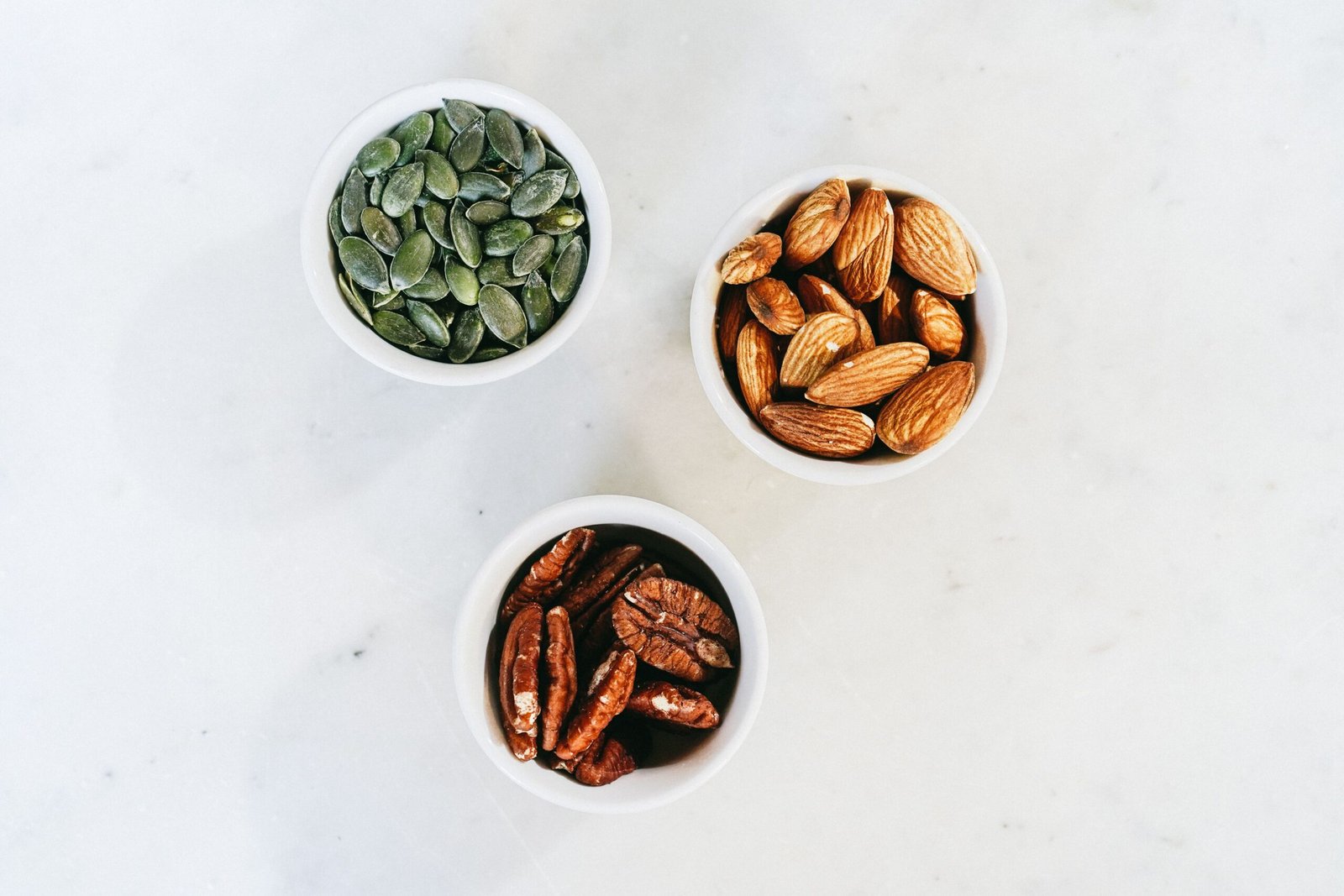
| Pumpkin seeds (kaddu ke beej) | One of the richest sources; a small handful a day |
| Ragi | High in magnesium and calcium; porridge or roti |
| Leafy greens (palak, methi, sarson) | Magnesium plus iron and folate |
| Dal, rajma, chole, moong | Magnesium plus fibre and protein |
| Peanuts, almonds, cashews | Magnesium plus healthy fats; small handful |
| Bananas | Modest magnesium plus potassium |
| Dark chocolate (70% cocoa or more) | Magnesium in a small square or two |
| Whole wheat, jowar, bajra | More magnesium than white rice or maida |
A day built on dal, millets, leafy vegetables, and a handful of seeds can cover a large part of your magnesium needs without any supplement. That is the food-first message: before buying a pill, check whether your plate already has these foods.
Practical ways to add magnesium:
- Add a tablespoon of pumpkin seeds to curd, poha, or salad.
- Make ragi porridge or jowar roti two or three times a week.
- Keep a bowl of dal and a green vegetable at lunch.
- Swap a biscuit snack for roasted chana and peanuts.
- Eat a banana or a square of dark chocolate as an evening snack, not a heavy dessert.
Which Form of Magnesium Is Best?
If you walk into a pharmacy or search online, you will see several forms: glycinate, citrate, oxide, threonate, and more. The names are confusing, so here is what they mean in plain language:
- Magnesium glycinate: Magnesium bound to glycine, an amino acid linked to calm. It is often suggested for sleep because it is gentle on the stomach and well absorbed. It is usually the most expensive form.
- Magnesium citrate: Well absorbed and commonly available. It can loosen the bowels in some people, which is a side effect to know about.
- Magnesium oxide: Cheap and widely sold, but poorly absorbed. A large part passes through without being used. It is more often used for constipation than for sleep.
- Magnesium threonate: Marketed for brain health. It is expensive, and the evidence that it is better than other forms for sleep is limited.
- Magnesium chloride and sulfate: Found in oils, sprays, and bath salts. Magnesium through the skin is popular, but there is little good evidence that it raises magnesium levels meaningfully.
There is no single “best” form for everyone. Glycinate is the form most often suggested for sleep because it is gentle and well absorbed, but the difference between forms is smaller than the marketing suggests. Dose, timing, and whether you actually need a supplement matter more than the brand name on the bottle.
Do not choose a form or a dose on your own. Magnesium supplements can interact with medicines, including some antibiotics, blood pressure medicines, and diuretics. They can also cause diarrhoea, nausea, and stomach cramps, especially at higher doses. People with kidney disease should be especially careful, because the kidneys clear excess magnesium. Always check with a doctor before starting a supplement, and tell your doctor about every supplement you take.
How People Usually Take It — and What to Watch Out For
People who take magnesium for sleep usually take it in the evening, about one to two hours before bed, with food to reduce stomach upset. But there is no standard dose that suits everyone, and supplement labels vary widely. This article deliberately does not give a dose to follow, because the right amount depends on your diet, your health, and your medicines. That is a decision for your doctor.
A few safety notes:
- Start with food, not a supplement, for at least two to three weeks.
- If you do take a supplement, buy from a reputable brand and check the label for the actual amount of elemental magnesium, not just the total compound weight.
- Stop and speak to a doctor if you develop persistent diarrhoea, muscle weakness, or an irregular heartbeat.
- Do not combine several magnesium products — a pill, a powder, a spray, and a bath salt — at the same time. The total can add up quickly.
- Keep supplements away from children. Magnesium is not a sweet or a snack.
If you take other medicines, ask your doctor or pharmacist about timing. Magnesium can reduce the absorption of some medicines if taken at the same time, so spacing them apart is often advised.
Magnesium Alone Will Not Fix Poor Sleep
This is the part the ads skip. Magnesium works best as part of a sleep routine, not as a replacement for one. The habits with the strongest evidence are simple and free:
- A regular wake time, seven days a week, within about an hour.
- Morning sunlight for 15 to 30 minutes.
- No caffeine after 2 pm if you struggle to sleep.
- A lighter dinner, finished two to three hours before bed.
- Screens off for the last 30 minutes before bed, and a dark, cool bedroom.
- A short wind-down: a warm shower, light stretching, or slow breathing.
Try food sources plus these habits for two to three weeks before deciding whether a supplement is worth discussing with your doctor. Many people find that sleep improves with routine alone, and the magnesium-rich foods are a bonus rather than the main fix.

Frequently Asked Questions
Does magnesium help you sleep?
It may help some people fall asleep a little faster and sleep a little longer, especially if their diet is low in magnesium. The effect is modest, and it does not fix poor sleep habits, stress, or sleep apnea. Food sources and a regular sleep routine come first.
Which magnesium is best for sleep?
Magnesium glycinate is often suggested because it is gentle on the stomach and well absorbed. Citrate is also well absorbed. Oxide is cheap but poorly absorbed. There is no single best form for everyone — check with a doctor before choosing a supplement or a dose.
What foods are high in magnesium in India?
Pumpkin seeds, ragi, leafy greens like palak and methi, dal and rajma, peanuts and almonds, bananas, and dark chocolate. A diet with dal, millets, and green vegetables covers much of your daily need.
The Bottom Line
Magnesium for sleep is worth understanding, but not worth overhyping. Your body needs magnesium, Indian food provides it well when you eat whole grains, dal, leafy greens, and seeds, and supplements help some people modestly — with a doctor’s guidance, not as a self-prescribed fix. Start with food, fix the sleep routine around it, and let a doctor decide whether a supplement has a place. That is the calm, food-first way to approach magnesium for sleep.
Disclaimer: This article is general information only and is not medical advice. It does not replace advice from a qualified doctor or dietitian. See a doctor for diagnosis or before starting a supplement or treatment, especially if you take regular medicines or have kidney disease.