
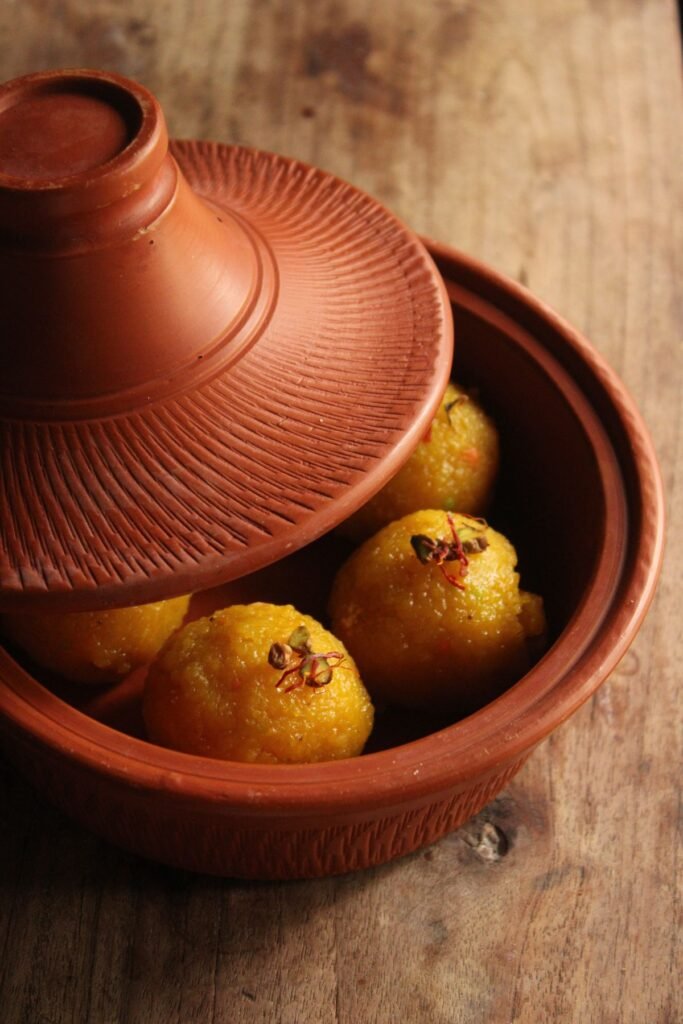
Every December, the same thing happens in Indian homes. The first cold morning arrives, and somewhere in the kitchen, a kadhai of ghee starts warming up. By evening, a steel dabba is full of round, golden laddus, and your dadi is telling you to eat one with your morning milk. Those are gond ke laddu, and the gond ke laddu benefits go far beyond taste. This old winter sweet is made for cold weather — it warms the body, supports bones and joints, and gives slow, steady energy. Here is what is in it, why it works, and how much.
What Is Gond Ke Laddu?
To understand the gond ke laddu benefits, it helps to know what goes into them. Gond is the edible gum from the babool (acacia) tree — small, hard, amber crystals sold in every Indian grocery store. To make the laddu, gond is fried in hot ghee till it puffs up like a tiny balloon, then crushed and mixed with roasted whole wheat flour, chopped almonds, cashews and pistachios, dry ginger powder (sonth), cardamom, and jaggery. The mix is rolled into round laddus while still warm.
The result is a dense, nutty, deeply warming sweet. In Ayurveda, gond is a “garam” food — one that heats the body from inside. That is why these laddus show up only in winter, and why North Indian winters have included them for generations. It is not a quick snack — it is a slow food, eaten one at a time, usually in the morning.
Gond Ke Laddu Benefits for Bones and Joints
Among all the gond ke laddu benefits, bone support is the one most people mention first. Ask anyone over fifty in the family why they eat gond ke laddu, and the answer is almost always the same: bones and joints. Winter makes joints stiff — cold tightens muscles, and old knee or back pain often feels worse in December and January. Gond is known for its calcium content, and calcium is the main mineral that keeps bones strong. The nuts add magnesium and healthy fats that support bone health too.
One laddu will not fix weak bones — but as part of a winter diet, it gives your bones a steady supply of minerals, right when cold weather is making joints ache. If joint pain is already a regular problem, these home remedies for joint pain in winter can help alongside the food side of things.
Warmth, Energy and Stamina in Winter
Warmth is one of the simplest gond ke laddu benefits, and one of the easiest to feel. The gond itself is heaty, the dry ginger adds more warmth, and the ghee carries it all into the body. Eat one on a cold morning and you feel it — hands and feet stay warmer, and the chill bites less.
Then there is the energy. A laddu is a small packet of slow fuel: wheat flour and jaggery for carbohydrates, nuts for protein and fat, ghee for dense calories. Unlike a biscuit or a chocolate, which gives you a quick spike and a crash, a gond laddu releases energy slowly. That is why people doing physical work in winter — farmers, labourers, anyone outdoors all day — have always eaten it. One laddu in the morning can keep you going till lunch without a mid-morning slump.
Gond Ke Laddu Benefits for New Mothers
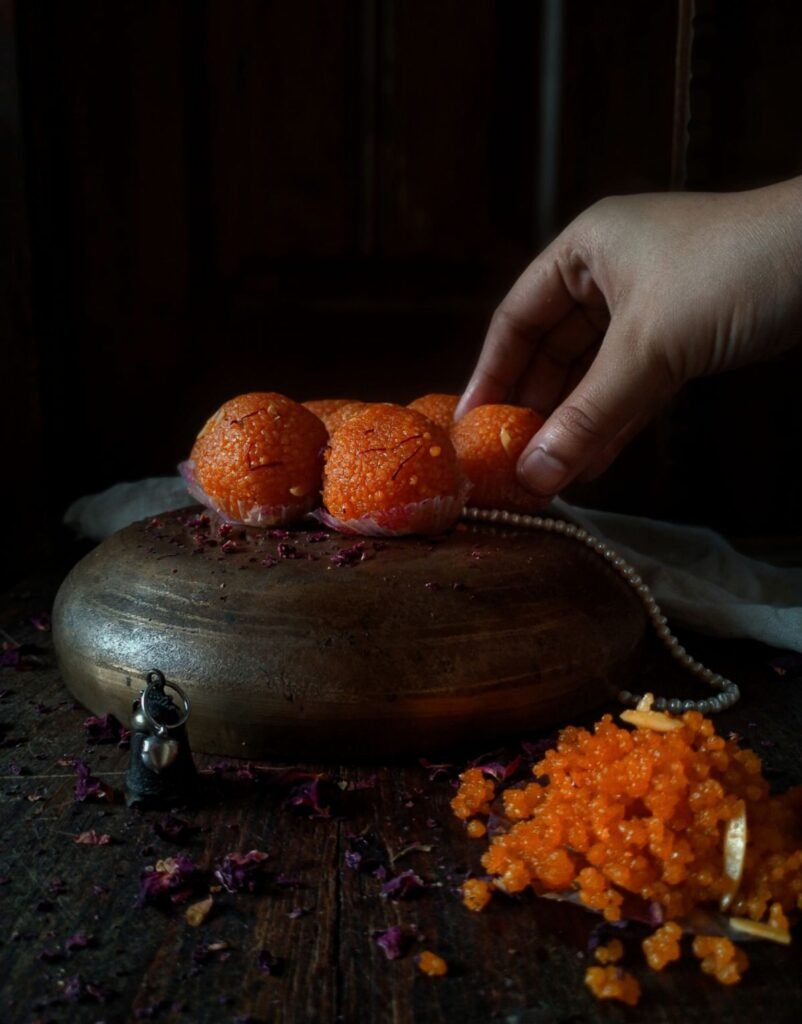
In many Indian families, gond ke laddu is the first food a new mother is given after delivery. During the 40-day chilla — the traditional rest period after childbirth — the mother is fed one or two laddus a day with milk. After delivery, the body needs warmth, strength and good food to recover — and gond laddu gives all three in one bite. The gond ke laddu benefits for new mothers come from the whole mix — the nuts and ghee help rebuild strength, and the laddu is also believed to support lactation, the milk supply a new mother needs for her baby.
Ask your doctor first, and read about other foods that increase breast milk naturally — gond laddu works best as part of a full, nourishing diet, not on its own.
Digestion, Immunity and Feeling Full
The gond ke laddu benefits do not stop at bones and warmth. The dry ginger in the laddu does quiet work. Sonth helps the stomach handle heavy food, reduces bloating, and keeps digestion moving in winter, when most of us eat heavier meals and move less. Ghee, in small amounts, supports the gut lining and helps absorb fat-soluble vitamins — see the desi ghee benefits in detail.
Immunity gets a small push too — nuts bring zinc and vitamin E, jaggery brings iron, and steady fuel matters when winter colds are going around. It is not a medicine and will not stop a cold on its own, but a well-fed, warm body fights infections better. A spoon of chyawanprash in the morning pairs well with it — both are winter foods built for the season.
A gond laddu also keeps you full — fibre, fat and protein in one bite hold hunger for three or four hours, which beats a packet of biscuits. That lasting fullness is one of the quieter gond ke laddu benefits.
How to Make Gond Ke Laddu at Home
You need: 1 cup gond, 2 cups whole wheat flour, 1 cup mixed nuts, 1 cup jaggery, half a cup of ghee, 1 teaspoon dry ginger powder, half a teaspoon of cardamom powder. Fry the gond in hot ghee in small batches till it puffs up, then crush it. In the same ghee, roast the wheat flour on low heat till it smells nutty and turns golden. Roast the nuts lightly and chop them. Melt the jaggery with a spoon of water, then mix everything together — flour, gond, nuts, ginger, cardamom — and roll into laddus while the mix is still warm. Cool, store in an airtight dabba — they keep 3 to 4 weeks in winter.
How Many Gond Ke Laddu Should You Eat in a Day?
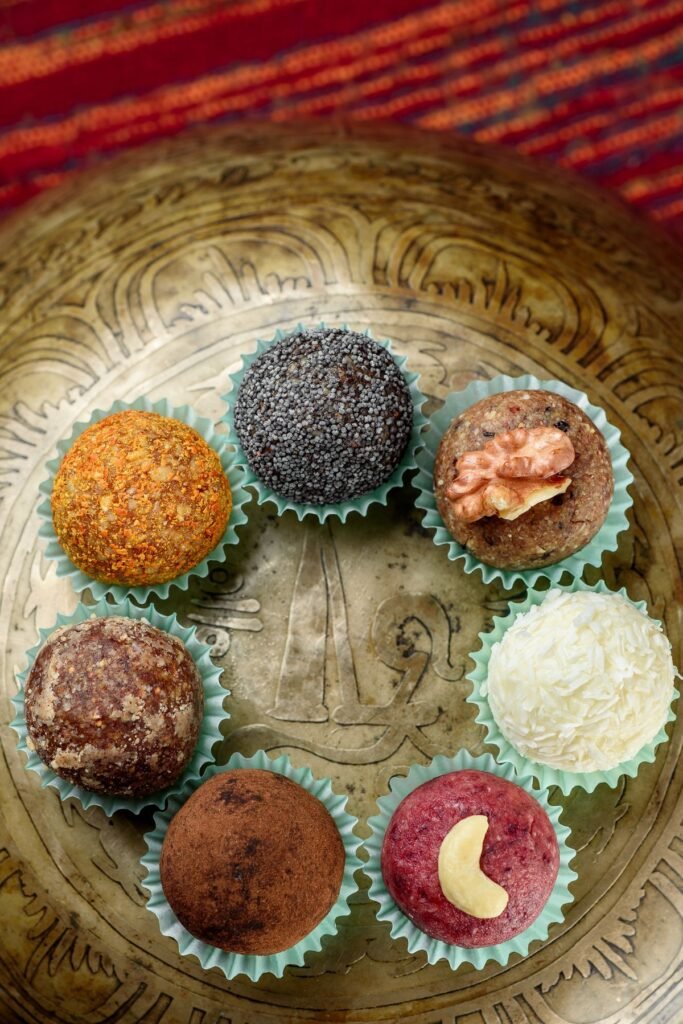
To get the gond ke laddu benefits without the extra calories, one a day is enough. One small laddu a day is the traditional amount, and it is a sensible one. A medium laddu carries roughly 200 to 250 calories — about the same as a small meal. Eat it in the morning, with milk or after breakfast, so your body has the whole day to use the energy.
Two or three a day is where the trouble starts — the calories add up fast, and the jaggery sugar shows on the scale within weeks. Late-night laddus are the worst — a heavy, heaty sweet before bed disturbs sleep and sits heavy on the stomach. One a day, in the morning, is the sweet spot.
Who Should Avoid Gond Ke Laddu?
Gond ke laddu is a wholesome food, but it is not for everyone.
- People with diabetes should be careful. Jaggery raises blood sugar almost like sugar does. A sugar-free version made with dates exists, but check with your doctor first.
- During pregnancy, many families avoid gond because it is heaty. There is no single rule here — ask your doctor before eating it.
- If you are trying to lose weight, one laddu a day can still fit in if you count it as part of your meals — two or three will undo a day of careful eating.
- Anyone with a nut allergy should skip it entirely, and children under two should not be given gond laddu.
When in doubt, ask your doctor.
Frequently Asked Questions
Are gond ke laddu good for bones?
Yes — that is one of the best-known gond ke laddu benefits. Gond is rich in calcium, and the nuts add magnesium and healthy fats. Eaten regularly through winter, it supports bone strength.
How many gond ke laddu should I eat daily?
One small laddu a day, in the morning with milk. Two or more adds a lot of calories and sugar, so stick to one.
Can gond ke laddu help with joint pain in winter?
Many people find it helps — calcium supports bones, and the warmth of gond and dry ginger can ease winter stiffness. It works best with gentle exercise and sunlight.
Is gond ke laddu good for new mothers?
Traditionally yes — it is given during the 40 days after delivery to help the mother recover strength, and it is believed to support lactation. Check with your doctor first.
Can diabetics eat gond ke laddu?
Avoid the regular jaggery version — it raises blood sugar. Some people make a sugar-free version with dates, but ask your doctor before trying it.
Disclaimer: This article is for general information only and is not medical advice. If you are pregnant, diabetic, or living with any health condition, please consult your doctor before adding gond ke laddu to your diet. Food amounts here are general guidance only.