
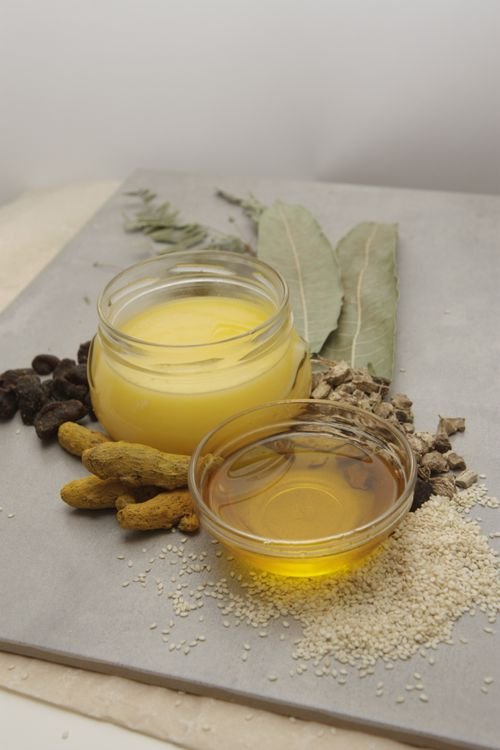
Every Indian kitchen has a steel dabba of ghee. But is desi ghee actually good for you? The honest answer: desi ghee benefits are real, but they depend on how much you eat. This guide covers what ghee is, its benefits, how much per day is healthy, and the myths.
What Is Desi Ghee, Really?
Desi ghee is clarified butter: butter is simmered until the water evaporates and the milk solids separate. What is left is almost entirely fat — about 99% — with no lactose and very little casein. Its smoke point is around 230-250°C, so it does not burn easily during tadka.
There are two common types. Regular ghee is usually made from cream, in factories — the one most of us buy in a tin or jar. Bilona ghee is made the slow way: curd is churned to butter, then simmered. It costs more — often ₹800-1,500 per litre — and has a grainier texture and stronger aroma.
6 Desi Ghee Benefits
Ghee has been used in Indian cooking and Ayurveda for centuries. Some benefits are well supported, others exaggerated. Here is the honest list.
1. Supports Digestion and Gut Health
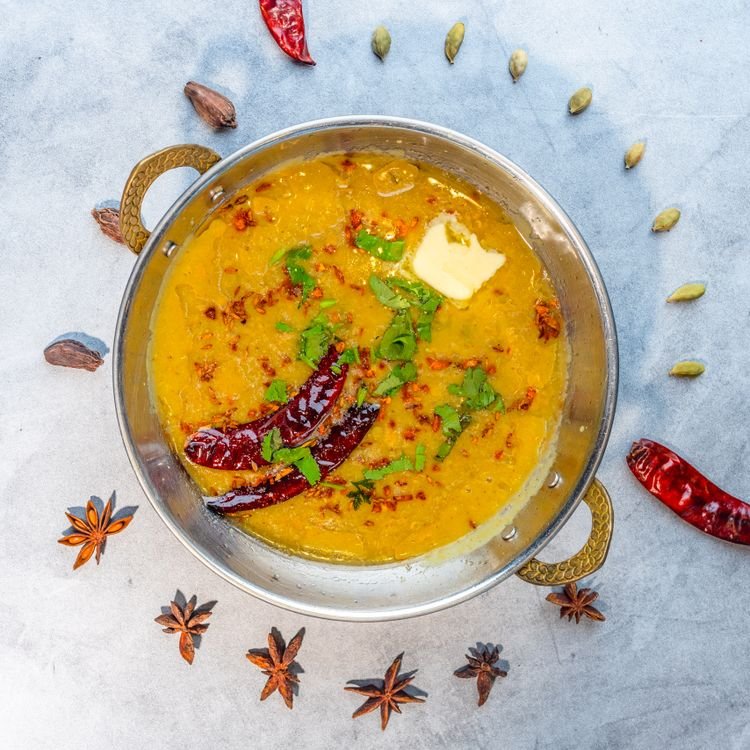
Ghee is one of the richest natural sources of butyric acid, which feeds the cells lining the gut. A healthy gut lining absorbs food better, and a teaspoon of ghee on dal helps the body absorb fat-soluble vitamins. For more gut-friendly Indian foods, see our millets for gut health guide.
2. Rich in Fat-Soluble Vitamins
Ghee carries vitamins A, D, E and K, which need fat to be absorbed. Vitamin A supports eyesight and skin, vitamin D supports bones, and vitamin E protects cells. A little ghee with food helps your body actually use these vitamins.
3. Good for Skin, Especially in Winter
Dry winter skin is where ghee earns its keep. A thin layer of warm ghee on cracked lips, dry elbows or rough heels softens the skin fast, and a gentle ghee massage before a bath is an old habit. It works because ghee is pure fat — it seals moisture into the skin.
4. Helps Joints Stay Lubricated
In Ayurveda, ghee is considered a lubricant for the joints, and winter is when people reach for it most. There is no strong proof that eating ghee directly oils your knees, but its vitamin D and healthy fats support bone and joint health, and a warm ghee massage feels soothing.
5. Supports Immunity in Winter
In cough-and-cold season, ghee plays a small part in the body’s defences. Its vitamin A supports the mucous membranes — the nose and throat lining that blocks germs — and its healthy fats help the body absorb nutrients. It is not a magic immunity booster, but as part of a good diet it helps. Our zinc for immunity guide covers the foods that matter more.
6. Gives Steady Energy in Winter
A spoon of ghee in the morning — on a roti, in dal, or in a laddoo — gives slow, lasting energy. Fat digests slowly, so ghee keeps you full longer than sugar would, and the body burns more energy staying warm in cold weather. This is why ghee features in winter foods like gond laddoo, panjiri, pinni and til laddoo. A glass of haldi doodh with a little ghee is a classic winter-night drink — see our turmeric milk guide for the recipe.
How Much Desi Ghee Per Day Is Healthy?
A little, every day. For most healthy adults, 1-2 teaspoons a day (about 5-10 grams) is sensible — enough for the desi ghee benefits without overloading on saturated fat.
| Who | Suggested amount per day |
|---|---|
| Children (2-10 years) | 1 teaspoon |
| Healthy adults | 1-2 teaspoons |
| Active people / manual workers | Up to 1 tablespoon |
| High cholesterol or heart issues | Ask your doctor first |
Remember that ghee is not the only fat you eat — cooking oil, butter, nuts and fried food all add up. Total fat in your day matters more than ghee alone, so if your cooking uses a lot of oil, keep the ghee to one teaspoon.
Bilona Ghee vs Regular Ghee: What’s the Difference?
Bilona ghee is made by churning curd into butter, then simmering it. Regular ghee is usually made from cream, often in large factories. Bilona has a grainier texture, a stronger nutty aroma, and costs much more. Some claim bilona has more nutrients, but the difference in desi ghee benefits is small — both are mostly saturated fat, so eat either in small amounts. If bilona fits your budget and you like the taste, buy it; if not, good regular ghee is fine.
How to Spot Pure Desi Ghee
Adulterated ghee is common, so check before you buy. Pure ghee solidifies in winter and melts in summer; it is grainy, not smooth and waxy; and it smells nutty, not like vegetable oil. Home test: rub a little ghee between your palms — pure ghee melts quickly and leaves no sticky residue. Another test: put a spoon of ghee in a hot pan — pure ghee melts clear, while adulterated ghee may leave a white layer. Buy from a trusted dairy or known brand, and be suspicious of very cheap ghee.
Desi Ghee Myths to Ignore
Three myths come up again and again. First, “ghee burns fat and helps weight loss” — no. Ghee is calorie-dense (about 45 calories per teaspoon), so eating more of it adds weight. Second, “ghee is bad for everyone” — also no. In small amounts, as part of a balanced diet, ghee is fine for most people. Third, “more ghee means more strength” — no. Strength comes from protein, exercise and sleep, not extra fat. The WHO’s healthy diet guidance is clear that saturated fat — which ghee mostly is — should stay a small part of total calories: https://www.who.int/news-room/fact-sheets/detail/healthy-diet
Who Should Limit or Avoid Desi Ghee
Most healthy people can enjoy the desi ghee benefits with 1-2 teaspoons a day without worry, but some should be careful. If you have high cholesterol, heart disease, or a family history of heart problems, ask your doctor how much ghee suits you — you may need to cut it to a few times a week. People who are overweight or trying to lose weight should keep the amount small, since every teaspoon adds about 45 calories. Gallbladder problems? Check with a doctor too. And never stop cholesterol medicine because you switched to ghee.
Frequently Asked Questions
How much desi ghee per day is healthy?
For most healthy adults, 1-2 teaspoons (5-10 grams) a day is sensible — enough to get the desi ghee benefits without overdoing saturated fat. Children: about 1 teaspoon; active people: up to a tablespoon. High cholesterol or heart issues? Ask your doctor first.
Is desi ghee good for weight loss?
No. Ghee is calorie-dense — about 45 calories per teaspoon — so eating more of it adds weight. It can be part of a weight-loss diet in small amounts, but it does not burn fat.
Which is better, bilona ghee or regular ghee?
Bilona ghee has a grainier texture and stronger aroma, and costs more, but the nutritional difference is small. Both give you the same desi ghee benefits in small amounts — buy bilona if you like the taste and the budget allows.
Can I eat desi ghee every day?
Yes, if you are healthy. One to two teaspoons a day is fine for most adults — just watch your total fat intake, and keep the ghee to one teaspoon if your cooking uses a lot of oil.
Is desi ghee good for skin?
Yes, for dry skin. A thin layer of warm ghee on cracked lips, dry elbows or rough heels softens the skin, and a gentle ghee massage before a bath is a traditional winter habit. Patch-test first.
Disclaimer
This article is for general information only and is not medical advice. Desi ghee is a food, not a medicine, and the amounts here are general guidance for healthy adults. If you have high cholesterol, heart disease, diabetes, or any long-term illness, check with your doctor before changing how much ghee you eat. Pregnant and breastfeeding women should also ask their doctor.