
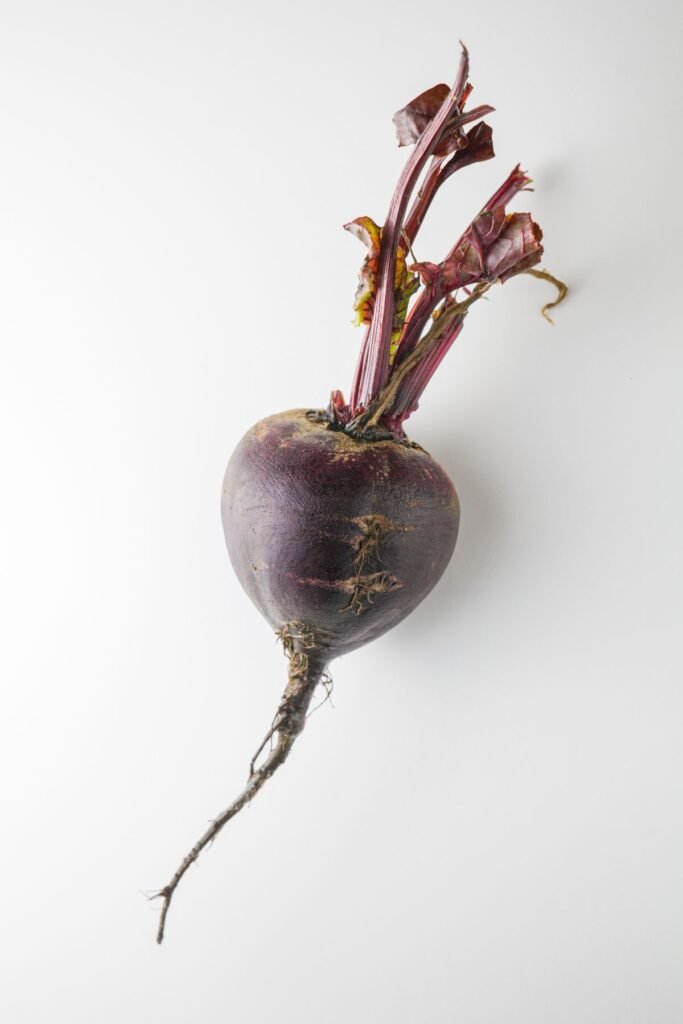
Cut a beetroot open and the colour does the talking. That deep red is the sign of the compounds that make chukandar one of winter’s most useful vegetables. Beetroot benefits go far beyond the pink it leaves on your plate: it can help blood pressure, support haemoglobin, add stamina and give skin a glow. It costs very little, grows all winter in India, and needs almost no cooking. Here is what is inside it, what it can do, and how much to eat.
What’s Inside One Beetroot?
A 100-gram serving — about one small beetroot — gives you roughly 43 calories, 1.6 grams of fibre, 325 mg of potassium, 109 mcg of folate and about 5 mg of vitamin C. The two compounds that matter most are dietary nitrate and betalains. Nitrate drives the blood-pressure story: your body turns it into nitric oxide, which relaxes blood vessels. Betalains are the red-purple pigments — betanin is the main one — and they act as antioxidants. It also brings a little iron, magnesium and manganese, and around 7 grams of natural sugars per 100 grams. It is the nitrate plus the fibre plus the folate, and that combination is the base of most beetroot benefits.
7 Beetroot Benefits That Make It a Winter Superfood
Here are the seven beetroot benefits that matter most in the cold months.
1. Blood Pressure — the Best-Studied Benefit
This is the best-studied of all beetroot benefits. In a 2008 trial, healthy volunteers who drank 500 ml of beetroot juice saw their blood pressure fall by about 10/8 mmHg within three hours — the nitrates turned into nitric oxide and relaxed their blood vessels. Later reviews pooled many trials and found a steadier effect: a 2025 review of beetroot juice trials in people with high blood pressure found systolic pressure down by around 5 mmHg on average. The honest version: beetroot helps blood pressure a few points, it is not a replacement for medicine, and the effect is biggest where readings are already high. For more foods that help, see our guide on high BP me kya khaye.
2. Haemoglobin and Iron
Beetroot will not fix low haemoglobin on its own, but it helps the pieces fall into place. It brings iron and folate — folate is needed to make red blood cells — and its vitamin C helps your body absorb iron from plant foods like dal and palak. If low haemoglobin is a real problem, read our guide on how to increase haemoglobin — food helps, but a doctor should check the cause first.
3. Stamina and Exercise
Stamina is one of the beetroot benefits athletes talk about most. The same nitrates that relax blood vessels also lower the oxygen cost of exercise — in a 2009 study, people used less oxygen for the same effort after drinking beetroot juice, so they tired later. For a morning walk or a gym session, a small glass two to three hours before exercise is the usual pattern in the studies. It will not turn you into an athlete overnight, but for steady, longer efforts the effect is real.
4. Digestion and Gut
One beetroot gives you close to 2 grams of fibre, and that fibre feeds the good bacteria in your gut and keeps food moving. Beetroot also contains betaine, a compound that supports bile flow and helps the liver handle fats. Winter means heavier food and less movement, so a fibre-rich salad or a bowl of beetroot soup does quiet work for digestion. It is not a cleanse — your liver does that on its own — but steady fibre is the honest version of the story.
5. Skin Glow
Vitamin C helps your body make collagen, the protein that keeps skin firm, and beetroot’s betalains add antioxidant cover against the dullness winter brings. Skin fed from the inside tends to look better, and beetroot is one of the cheapest ways to do it. It will not replace a moisturiser, but paired with a good routine it shows on your face over weeks. For another winter vitamin C fruit, orange works the same way from a different angle.
6. Heart Health
Beetroot helps the heart in small, steady ways. Its potassium helps balance sodium and supports healthy blood pressure, its folate helps keep homocysteine — a marker linked to heart risk — in check, and the nitrates keep blood vessels flexible. None of this is dramatic alone, and beetroot is no medicine for heart disease — but as a daily winter habit, with less salt and more walking, it points the right way.
7. Energy Without the Crash
A beetroot is a complex food, not a sugar rush. Its natural sugars come wrapped in fibre, so they reach your blood slowly, and its iron and folate support the blood that carries oxygen to your muscles. That is why a beetroot salad at lunch feels steadier than a packet of biscuits at 4 pm. For school children or anyone working long hours, it is one of the cheapest steady-energy foods around.
How to Eat Beetroot the Indian Way
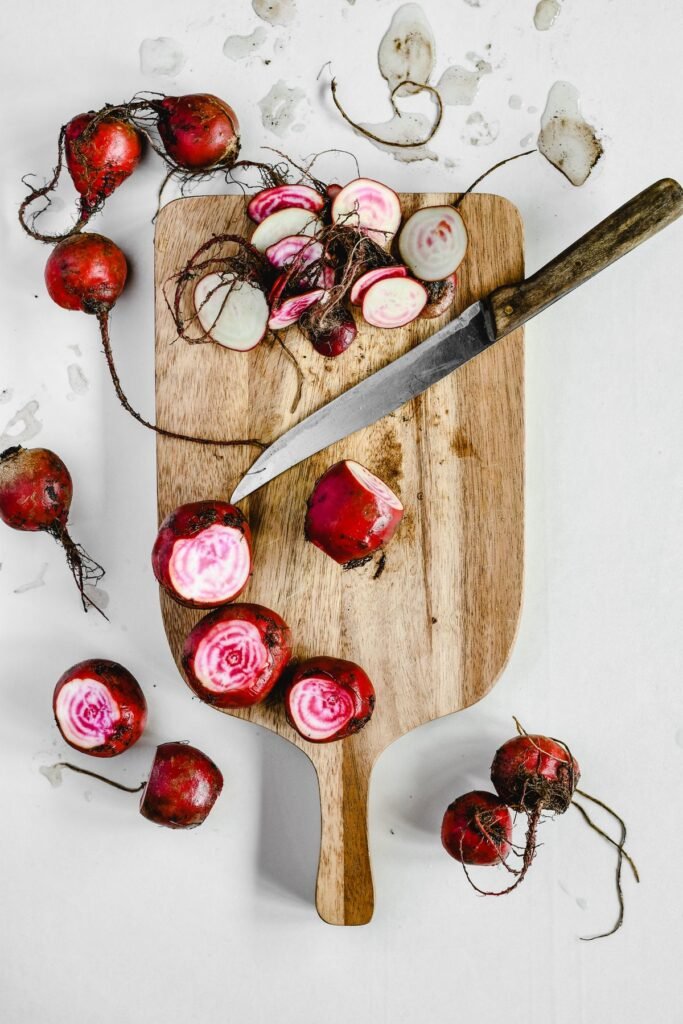
Grate it raw into a salad with onion, lemon and a pinch of chaat masala — raw keeps the folate and vitamin C intact. Roast it with a little oil and salt till the edges caramelise, blend it into a raita with curd, or cook it into a soup with tomato and ginger.
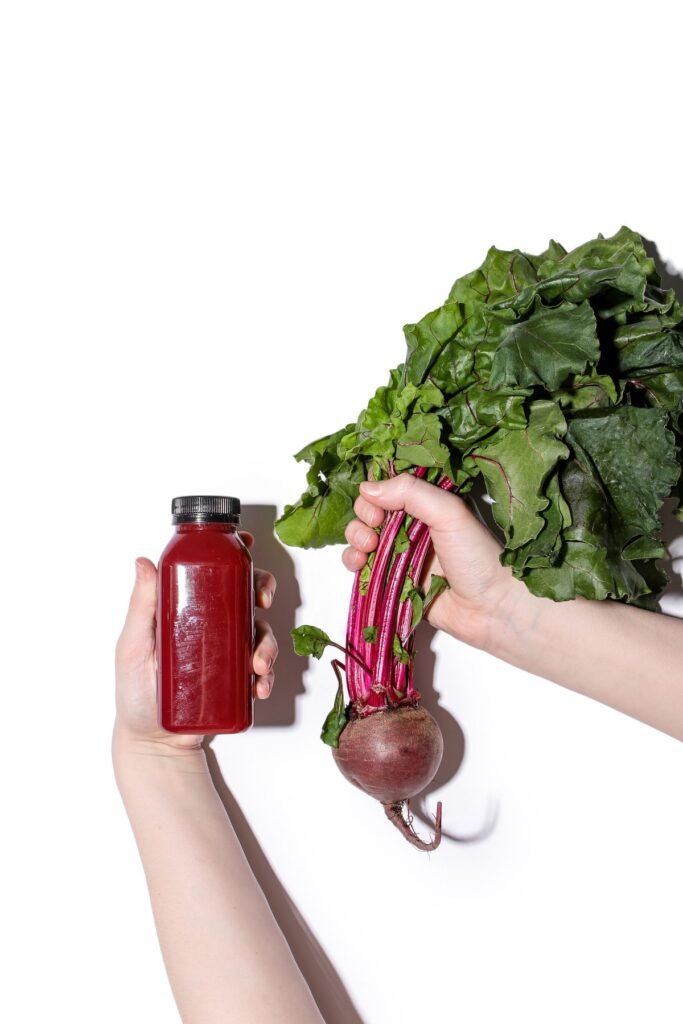
Beetroot juice is the strongest form — a small glass goes a long way — but whole beetroot is better than juice for most people, because the juice strips out the fibre and concentrates the sugars. If you like juice, mix it half and half with lauki juice or carrot juice.
How Much Beetroot Should You Eat in a Day?
One small to medium beetroot a day — about 100 to 150 grams — gives you the nitrate, fibre and folate without overdoing the sugars or oxalates. To get the full beetroot benefits, eat it fresh and whole rather than as packaged juice. Two a day is fine for most healthy adults; more can mean a restless stomach and very pink urine.
Who Should Be Careful With Beetroot?
Beetroot is safe for most people, with a few cautions. It is high in oxalates, so if you have had calcium oxalate kidney stones, large daily portions — especially big glasses of juice — are best avoided. If you have low blood pressure or take blood pressure medicine, be careful with concentrated beetroot juice: it can push pressure lower, so check with your doctor first. If you have diabetes, remember the sugars — the whole vegetable is fine in normal portions, but juice concentrates them, so prefer salad over juice. And if your urine or stool turns pink after eating beetroot, do not panic: that is beeturia, it happens to about one in ten people and is harmless.
Beetroot Benefits — Frequently Asked Questions
What are the main beetroot benefits?
The main beetroot benefits are lower blood pressure, better stamina, support for haemoglobin, fibre for digestion, and vitamin C and betalains for skin. One small beetroot a day covers it.
Can beetroot lower blood pressure?
Yes, modestly. Trials find systolic pressure down by around 5 mmHg on average with regular beetroot juice. It is a food, not a medicine — keep taking prescribed tablets.
How much beetroot should I eat daily?
About 100 to 150 grams — one small to medium beetroot. Whole beetroot is better than juice for most people, because juice strips out the fibre.
Is beetroot good for haemoglobin?
It helps — it brings iron and folate, and its vitamin C helps absorb iron from other foods. But it cannot fix low haemoglobin alone; get the cause checked.
Why does beetroot turn urine red?
That is beeturia — the red pigment betanin passing through. It happens to about one in ten people and is harmless. If the colour stays for days without eating beetroot, see a doctor.
The Short Version
Beetroot is proof that winter food in India does not have to be fancy. For a few rupees you get nitrates for blood pressure, folate and iron for haemoglobin, and fibre for the gut. Eat it raw in a salad, roasted with dinner, or as a small glass of juice — one a day, through winter. The beetroot benefits are real, modest and steady, and they add up.
Disclaimer: This article is for general information only and is not medical advice. If you have high or low blood pressure, kidney stones, diabetes, or take regular medicine, please consult your doctor before changing your diet. Food amounts mentioned here are general guidance only.