
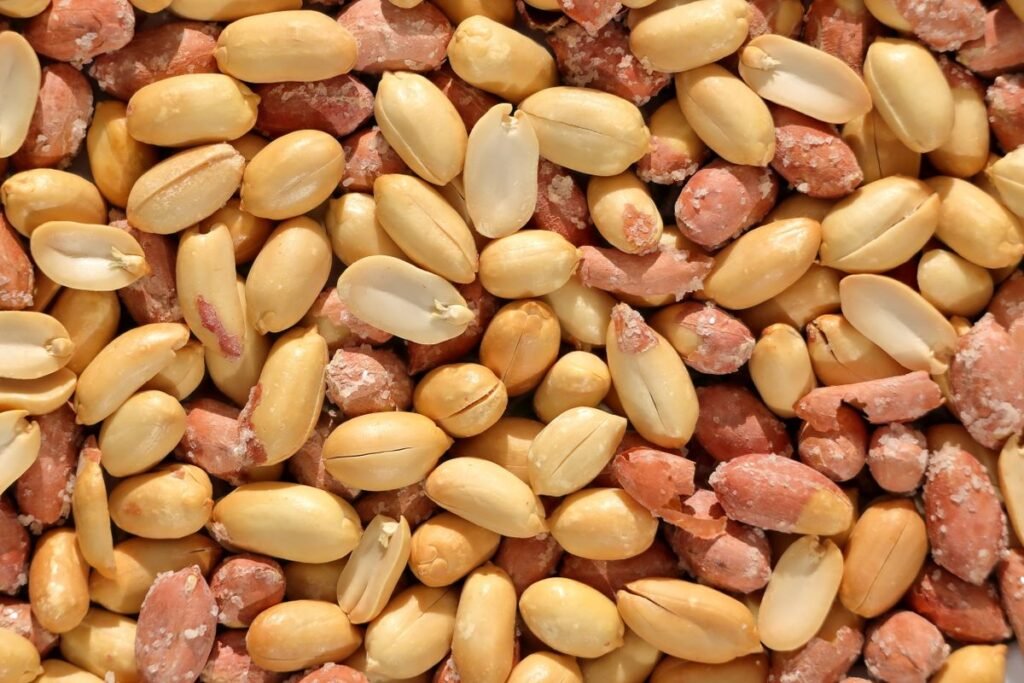
On a cold January evening in Delhi, the cart outside the metro station smells of wood smoke. The vendor shakes roasted moongphali over hot coals, pours a paper cone full, and hands it over with a small piece of gud. Twenty rupees, warm hands, and a full stomach till dinner. The peanuts benefits in winter go far beyond that warm feeling, though. This cheap, humble snack packs protein, healthy fats, vitamin E and magnesium into every handful — and in the cold months, when the body burns extra energy just to stay warm, that matters.
Peanuts are not actually nuts — they grow underground and belong to the legume family, the same as dal and chana. But nutritionally they behave like nuts: rich, filling and full of good fats. Here is what a daily handful does for you in winter, how much to eat, and the two warnings that matter.
What Is in a Handful of Peanuts?
A 30-gram handful — about one ounce — gives you roughly 7 grams of protein, 14 grams of fat (most of it the monounsaturated kind praised in olive oil), 2.4 grams of fibre, and around 160 calories. It also brings vitamin E, magnesium, folate and niacin. Harvard’s Nutrition Source on nuts lists peanuts among the foods linked to better heart health.
That mix makes peanuts a winter food, not just a snack: protein builds muscle, fat slows digestion so energy lasts, and magnesium supports hundreds of small jobs in the body.
Peanuts Benefits in Winter: 7 Reasons to Eat Moongphali
Here is what that small handful actually does for you in the cold months.
1. Warmth That Stays With You
In winter the body spends extra energy keeping warm, so you feel hungrier on cold days. Peanuts are calorie-dense, and their fat digests slowly, releasing heat and energy over hours rather than minutes. A cone of roasted moongphali on a cold evening is not just comfort — it is fuel the season asks for.
2. Protein for Strength
Seven grams of protein per handful is a lot for a plant snack — more than most other nuts, and close to an egg. Protein keeps muscles strong and keeps you full. For vegetarians, who often struggle to hit daily protein targets in winter, peanuts are one of the easiest fixes.
3. Healthy Fats for the Heart
Most of the fat in peanuts is monounsaturated, the kind that helps lower LDL (bad) cholesterol. Large studies link nut-eaters with lower rates of heart disease, and peanuts show the same pattern. The trick is the swap: peanuts instead of fried namkeen or biscuits, not on top of them.
4. Steady Energy, No Crash
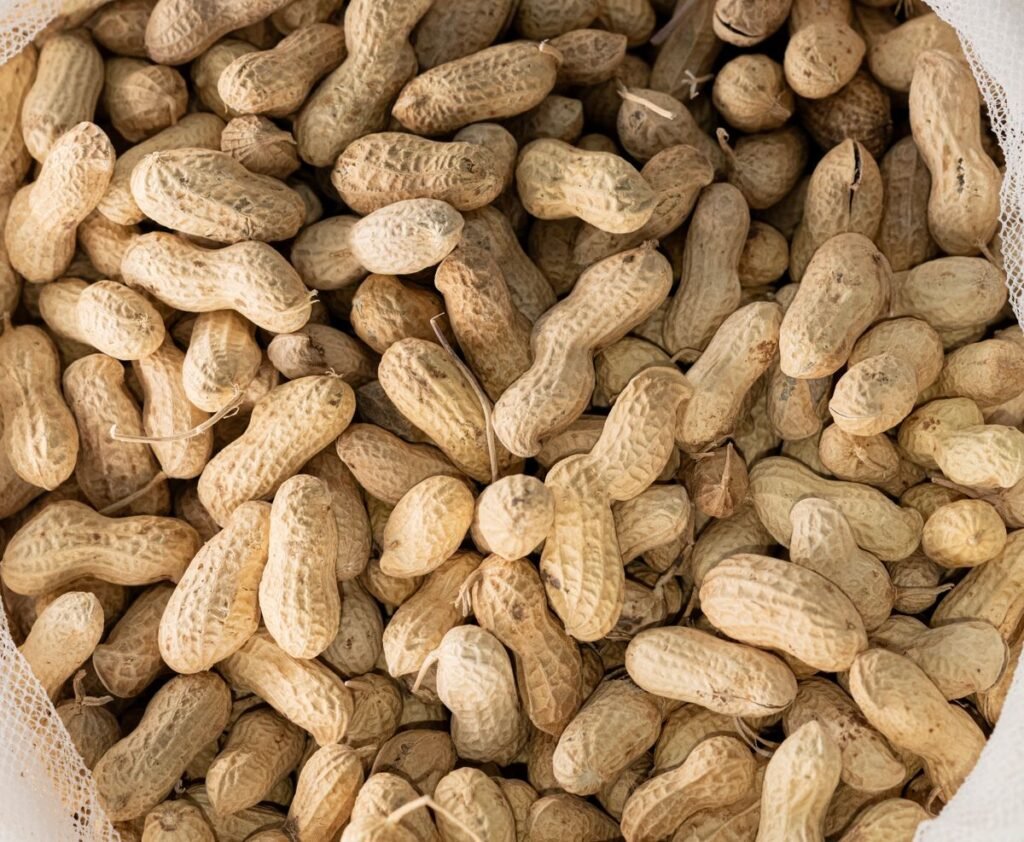
Peanuts mix protein, fat and fibre, so they digest slowly. Blood sugar rises gently and stays level, instead of the spike-and-crash you get from biscuits or a sweet tea. That makes a small handful a smart 4 pm snack.
5. Skin That Copes With Winter
Vitamin E is the skin’s quiet helper: it protects skin cells from damage and helps them hold moisture. Winter air strips moisture fast, and a diet short on vitamin E shows on the face. Peanuts are one of the richest everyday sources of it.
6. Stronger Bones and Relaxed Muscles
Magnesium rarely gets talked about, but it matters for bones, muscles and sleep. Peanuts give you a solid dose — about 50 mg per handful. In winter, when cold mornings make muscles tighten, magnesium helps them relax. It is one of the quieter peanuts benefits in winter, and one of the most useful.
7. A Sharper Brain
Peanuts bring niacin (vitamin B3), folate and vitamin E, all linked to brain health. Niacin supports memory and focus, and vitamin E protects brain cells from age-related damage. A daily handful will not make you a genius, but over years the nutrients add up — the same reason soaked almonds have a reputation as brain food.
How Many Peanuts Should You Eat in a Day?
For most adults, one small handful a day — about 30 grams — is the sweet spot. That gives you the protein, fats and vitamin E. Two handfuls is fine on a very active day. Three or more handfuls a day is where the calories show: at 160 calories an ounce, they are easy to overeat without noticing.
To get the full peanuts benefits in winter, eat your handful fresh rather than as a sweetened snack bar — the bars add sugar and oil for little extra nutrition. If you are trying to lose weight, weigh the portion once or twice so your eye learns what 30 grams looks like, then eat from a small bowl, not the packet.
Roasted vs Raw vs Salted: Which Is Best?
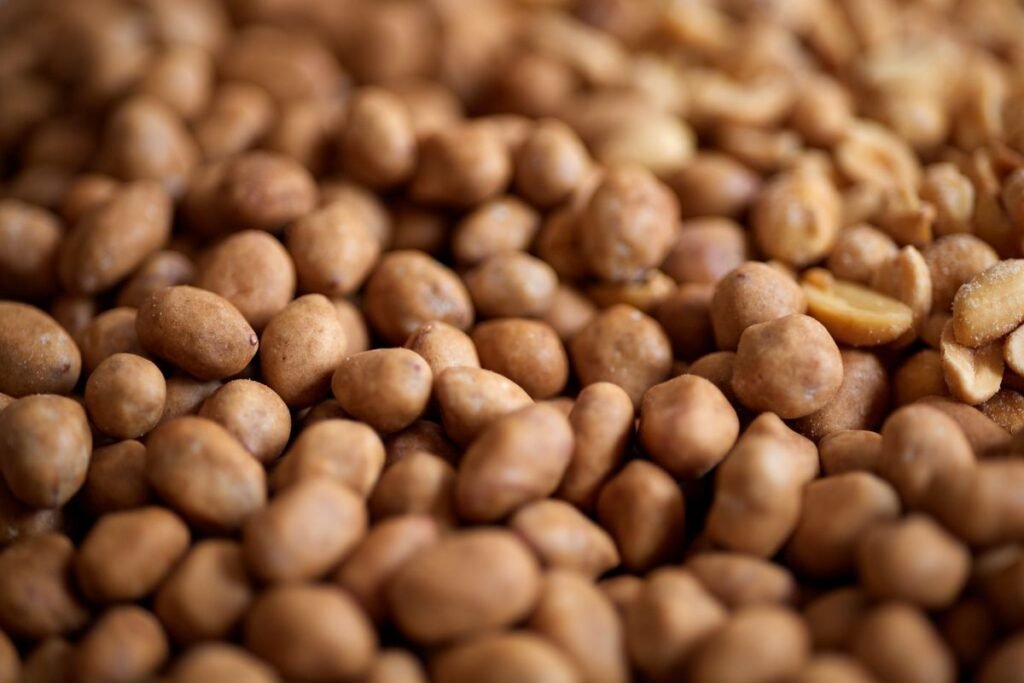
Roasted peanuts win for most people. Roasting deepens the flavour, makes the protein easier to digest, and kills surface germs. Dry-roasted or roasted in a kadhai with a pinch of salt is the best choice. Roasting does not reduce the peanuts benefits in winter — the protein, fats and vitamin E stay the same. Raw peanuts are fine too, but they spoil faster, so buy them fresh. Salted peanuts are the one to watch: the heavily salted, fried, masala-coated packets sold at railway stations can carry a day’s worth of sodium in one sitting. Love the masala taste? Make your own — roast plain peanuts, toss with rock salt, chilli powder and lemon.
Best Ways to Eat Peanuts in Winter
Roasted moongphali with a piece of gud is the classic — the jaggery adds iron. Peanut chikki, made with gud and no refined sugar, is another good one. Natural peanut butter — just peanuts, ground, with no added sugar or hydrogenated oil — works on toast or roti. For a richer winter breakfast, spread it on a roti with a little desi ghee. Peanuts pair well with other winter foods too — try them alongside soaked almonds and dates, or follow a handful with an orange to cover protein and vitamin C in one snack.
Who Should Be Careful With Peanuts?
Peanuts are safe for most people, but two warnings matter.
Peanut allergy can be life-threatening. If you or your child has ever had swelling of the lips or face, trouble breathing, or a severe rash after eating peanuts, treat it as an allergy until a doctor says otherwise. Never “test” it with a small amount, and never give peanuts to a baby under one year without your paediatrician’s advice. If a doctor has prescribed an epinephrine auto-injector, carry it.
Portion matters for weight. Peanuts are healthy but dense: 160 calories per handful adds up fast if you eat from the packet while watching TV. Weigh or count the portion.
Aflatoxin is the quiet risk. Peanuts stored damp can grow a mould that makes aflatoxin, a toxin linked to liver damage. Buy from a shop with fast turnover, store peanuts in a dry, airtight container, and throw away any that smell musty, taste bitter, or look mouldy. Never eat peanuts that taste off — that bitter taste is the warning.
Salt and kidney stones. High blood pressure? Stick to unsalted peanuts. Peanuts also carry oxalates, so people with a history of calcium-oxalate kidney stones should keep portions small and check with their doctor.
Frequently Asked Questions
What are the main peanuts benefits in winter?
The main peanuts benefits in winter are warmth and steady energy, 7 grams of protein per handful, heart-healthy fats, vitamin E for skin, and magnesium. One small handful a day — about 30 grams — covers all of them.
Are peanuts good for weight loss?
They can help — the protein and fat keep you full, so you snack less. But the portion decides it: one measured handful a day supports weight loss, while eating from the packet all evening will undo it.
Is peanut butter healthy?
Natural peanut butter — just peanuts, no added sugar or hydrogenated oil — is healthy. The sweetened spreads on supermarket shelves are a different food: check the label, and skip anything with added sugar or palm oil.
Can diabetics eat peanuts?
Yes, in small portions. Peanuts have a very low glycaemic index, and their fat and fibre slow sugar absorption. Stick to about 30 grams, unsalted.
The Bottom Line
Peanuts prove winter food in India does not have to be fancy. For a few rupees, a handful of roasted moongphali gives you protein, healthy fats, vitamin E and steady warmth. Eat one small handful a day, choose roasted over heavily salted, store them dry, and skip them entirely if allergy runs in the family. The peanuts benefits in winter are real.
Disclaimer: This article is for general information only and is not medical advice. If you have a peanut allergy, diabetes, kidney disease, or any health condition, please consult your doctor before changing your diet. Food amounts mentioned here are general guidance only.