

Wheat flour, rice flour, besan — every Indian kitchen has its flours. But there is a newer one quietly gaining fans: raw banana flour, made from unripe green bananas. It is naturally gluten-free, rich in a special kind of fibre called resistant starch, and it works in rotis, pancakes, smoothies and baking. The raw banana flour benefits go beyond being just another gluten-free option — this flour feeds your gut bacteria, helps steady blood sugar, and keeps you full for longer.
But is it really healthy, or just another health-food trend? The honest answer is that the raw banana flour benefits are real but modest, and they depend a lot on how you use it. Heat destroys much of its resistant starch, so a raw banana flour smoothie keeps more of the benefit than a fully baked cake. This guide explains what raw banana flour is, its nutrition, 10 benefits, how to use it, how to make it at home, and who should be careful with it.
What Is Raw Banana Flour?
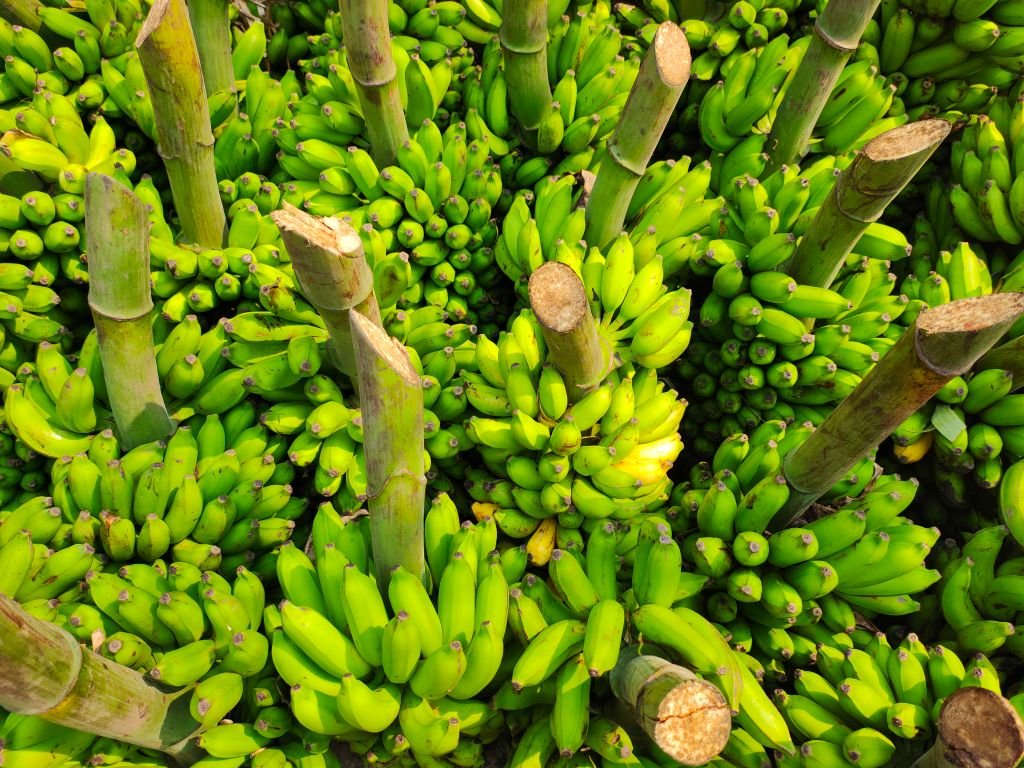
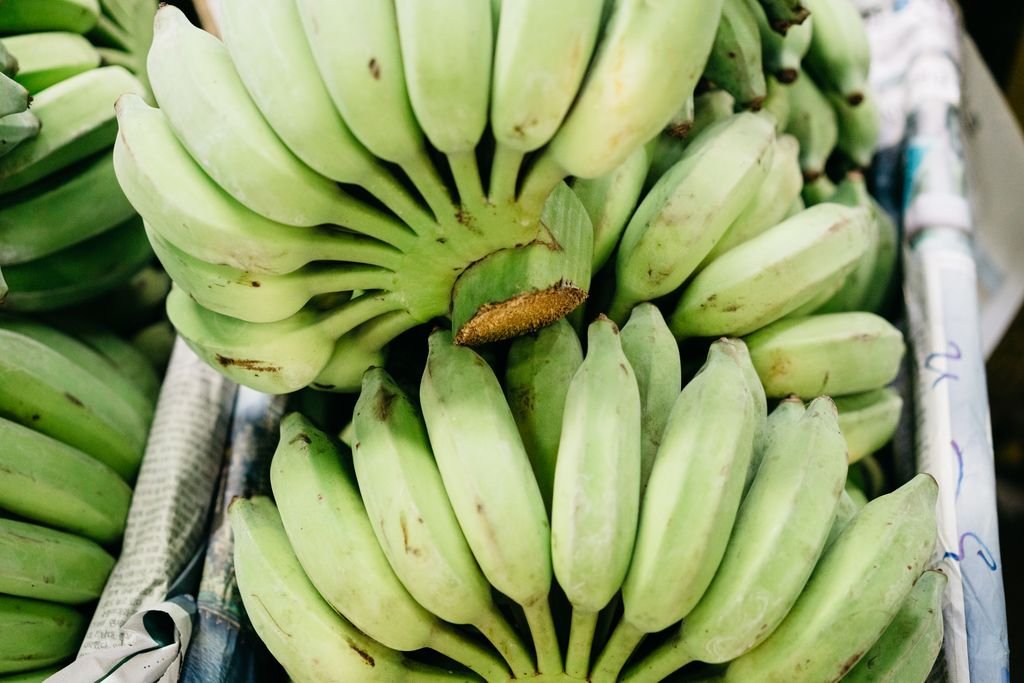
Raw banana flour — also called green banana flour — is made from unripe, green bananas. The bananas are peeled, sliced, dried at low temperature and milled into a fine, pale powder. Because the bananas are picked before they ripen, their starch has not yet turned into sugar. That is the whole point: a ripe banana is sweet and soft, while a green banana is starchy, firm and full of resistant starch.
The flour has a mild, slightly earthy taste and almost no banana flavour once cooked. Its texture is similar to lighter wheat flours, and it works well mixed with other flours. It is naturally gluten-free and grain-free, which makes it popular in gluten-free, paleo and grain-free baking. In parts of Africa and Jamaica, banana flour has been used for generations as a cheaper alternative to wheat flour — it is only recently that it has reached health-food shelves in India and the West.
Raw Banana Flour Nutrition: What Is Inside It?
The raw banana flour benefits start with its nutrition. Per 100 grams, green banana flour contains about 346 calories, 88 grams of carbohydrates, about 10 grams of fibre, 4 grams of protein and very little fat. Its standout mineral is potassium — about 1,491 mg per 100 grams, roughly 43% of the daily need — along with magnesium, manganese, vitamin B6, vitamin C, copper and small amounts of iron and zinc.
What makes it different from wheat flour is resistant starch. Green banana flour can contain roughly 15 to 20 grams of resistant starch per 100 grams, depending on the banana variety and how it is processed. Resistant starch is a type of starch that resists digestion in the small intestine. Instead of breaking down into sugar, it travels to the large intestine, where gut bacteria ferment it into short-chain fatty acids — mainly butyrate, acetate and propionate. Butyrate is the main fuel for the cells lining the colon. Healthline’s guide to foods high in resistant starch lists green bananas among the best natural sources, and UCLA Health explains that resistant starch feeds gut microbes and is linked to better blood sugar control, healthier blood lipids and greater fullness after meals.
One important detail: resistant starch is heat-sensitive. Cooking the flour above about 70°C converts much of it into ordinary digestible starch. So the raw banana flour benefits are strongest when the flour is used raw or only gently heated — in smoothies, overnight oats or no-bake recipes — and weaker in fully baked breads and cakes, where it still works as a gluten-free flour but loses much of its resistant starch.
10 Raw Banana Flour Benefits
1. Feeds Good Gut Bacteria
The best-known of all raw banana flour benefits is gut health. Resistant starch is a prebiotic — food for the good bacteria in your colon. When those bacteria ferment it, they produce butyrate, which nourishes the cells lining the gut and helps keep the gut barrier strong. A healthier gut microbiome is linked to better digestion, less bloating and stronger immunity. If you are new to resistant starch, start with a small amount — one tablespoon a day — and increase slowly, because a sudden large dose can cause gas and bloating.
2. May Help Control Blood Sugar
Because resistant starch is not digested into sugar in the small intestine, it does not raise blood glucose the way ordinary starch does. Green banana flour also has a low glycemic index, roughly in the 40s, compared with white wheat flour, which is much higher. That means foods made with it tend to raise blood sugar more slowly. For people watching their blood sugar, replacing part of the wheat flour in a recipe with raw banana flour can be a useful swap — but it is not a treatment for diabetes, and anyone taking diabetes medicine should talk to their doctor first, because better blood sugar control can change medicine needs.
3. Supports Weight Management
Raw banana flour benefits for weight come from fullness. Resistant starch and fibre slow digestion, so you feel full for longer after eating. A smoothie or pancake made with banana flour is more filling than the same food made with refined white flour, which can help you eat less at the next meal. A small study in Brazil found that green banana flour did not cause major weight loss on its own, but it did improve blood pressure and fasting blood sugar in women with metabolic syndrome. The honest summary is that it supports weight management as part of a healthy diet — it is not a weight-loss food by itself. Sattu, the roasted gram drink popular in India, is another traditional food that helps with fullness — read our guide on sattu benefits for weight loss.
4. May Improve Insulin Sensitivity
Insulin sensitivity means how well your body responds to insulin, the hormone that moves sugar from blood into cells. Resistant starch has been linked in studies to improved insulin sensitivity, partly through the short-chain fatty acids produced when gut bacteria ferment it. Animal studies suggest butyrate — the main product of this fermentation — may help prevent diet-related insulin resistance. Human evidence is still developing, so this is a “may help” benefit, not a proven one — but it is one of the most promising raw banana flour benefits for metabolic health.
5. Supports Colon Health
Butyrate, produced when gut bacteria ferment resistant starch, is the preferred fuel of colon cells. It helps keep the colon lining healthy and has been linked in research to a lower risk of colon problems. Diets rich in resistant starch are associated with better colonic health, and UCLA Health notes that the short-chain fatty acids from resistant starch are associated with lower rates of colorectal problems. Raw banana flour is one of the easiest ways to add resistant starch to the diet — a tablespoon in a smoothie is enough to start.
6. Naturally Gluten-Free
For people with coeliac disease or gluten sensitivity, raw banana flour benefits include being naturally gluten-free and grain-free. Unlike some gluten-free flours that are mostly starch with little nutrition, banana flour brings fibre, potassium and resistant starch with it. It does not behave exactly like wheat flour — it absorbs more water and needs about 25% less volume than wheat flour in recipes — so it works best mixed with other flours, such as rice flour or oat flour, rather than used alone.
7. Good for Heart Health
The raw banana flour benefits for the heart come from three directions: potassium, which helps control blood pressure; fibre, which helps lower cholesterol; and resistant starch, which is linked to healthier blood lipids. Foods rich in resistant starch have been associated in studies with better cholesterol levels and lower blood pressure — the Brazilian study mentioned above found lower systolic blood pressure in women who consumed green banana flour. These are modest, supportive effects, not a treatment for heart disease.
8. Rich in Potassium and Minerals
A quarter cup of raw banana flour provides about 330 mg of potassium, along with magnesium, manganese, vitamin B6 and vitamin C. Potassium matters for blood pressure, muscle function and fluid balance, and many people do not get enough of it. Dates are another potassium-rich food — our guide on the benefits of eating dates daily explains how many to eat and the best time. If you have kidney disease, though, be careful: kidneys remove excess potassium, and a high-potassium food can be a problem when kidneys are weak, so ask your doctor first.
9. May Help With Constipation
Fibre and resistant starch add bulk to the stool and feed the gut bacteria that keep digestion moving. That combination can help with mild constipation, especially when combined with enough water. Raw banana flour is not a laxative — it works slowly, over days and weeks — and drinking too little water with a high-fibre food can make constipation worse, not better. If constipation is severe or lasts for weeks, it needs a doctor’s check, not a new flour. Our guide on the key signs of gastroenteritis explains the warning signs that mean a gut problem needs medical care.
10. A Versatile, Waste-Reducing Flour
One of the most practical raw banana flour benefits is how easy it is to use. It has a neutral taste, works in sweet and savoury dishes, and it turns bananas that would otherwise go to waste into a shelf-stable flour. Green bananas that are too unripe to eat fresh can be dried and milled instead of thrown away. For home bakers, it is a simple way to add fibre and resistant starch to everyday food without changing the recipe much.
How to Use Raw Banana Flour
Start with one to two tablespoons a day and increase gradually. A few easy uses:
- Smoothies: Stir one tablespoon into a smoothie or lassi. This keeps the resistant starch intact, because the flour is not heated. Add banana, milk or curd, and a spoon of peanut butter for a filling breakfast.
- Roti and chilla: Mix raw banana flour with wheat or besan flour — about one part banana flour to three parts wheat flour — for rotis, chillas or parathas. Use a little extra water, because banana flour absorbs more liquid than wheat flour.
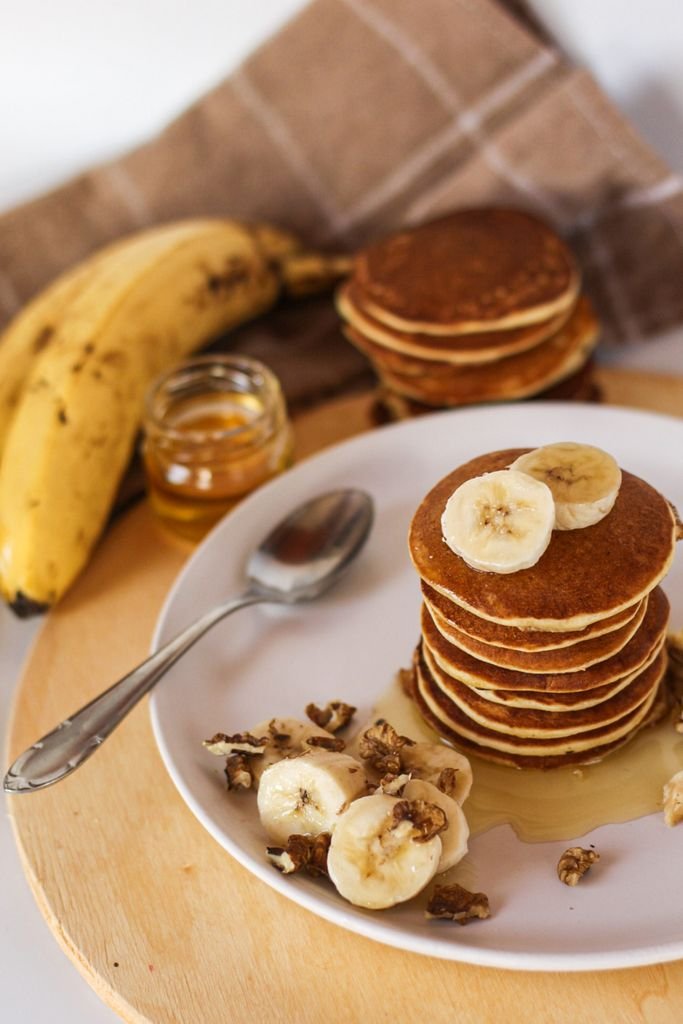
- Pancakes: Replace a quarter of the flour in a pancake recipe with raw banana flour. Add mashed banana, egg and milk for soft, filling pancakes that keep you full until lunch.
- Baking: Use it in muffins, cakes and cookies, replacing up to a quarter of the wheat flour. Expect a slightly denser texture, and remember that baking reduces the resistant starch, so the benefit here is mainly the fibre, potassium and gluten-free quality.
- Porridge and overnight oats: Stir a tablespoon into cooked oats or overnight oats. The oats add beta-glucan, another prebiotic fibre, and the combination feeds a wider range of gut bacteria than either food alone.
- Thickener: Use it to thicken soups, gravies and sauces instead of cornflour. It adds body and a little nutrition at the same time.
- Evening meals: Raw banana flour works well in light dinners — a small roti with steamed vegetables, for example. Our guide to an ayurveda dinner explains why dinner should be light, warm and early.
How to Make Raw Banana Flour at Home
You can buy raw banana flour online, but it is easy to make at home if you can find unripe green bananas:
- Choose firm, fully green bananas — not yellow, not spotted.
- Peel them and slice them thinly, about 3 to 5 mm thick. Wear gloves or oil your hands first, because green banana sap can stain skin.
- Soak the slices in water with a little lemon juice for 10 minutes, to stop them turning brown.
- Dry them completely — in a food dehydrator, in a low oven at 50 to 60°C for several hours, or in strong sun for 2 to 3 days. They must be fully dry and brittle, or the flour will spoil.
- Grind the dried slices in a mixer-grinder into a fine powder, then sieve it.
- Store the flour in an airtight jar in a cool, dry place. It keeps for 2 to 3 months.
Homemade flour is cheaper than shop-bought and you know exactly what is in it. The only risk is moisture — if the slices are not fully dry, the flour can go mouldy, so dry them properly and check the jar for any damp smell before using it.
Raw Banana Flour vs Wheat Flour
The two flours are quite different. Wheat flour is higher in protein and gluten, which gives bread its structure, but it is low in resistant starch and fibre once refined. Raw banana flour is gluten-free, higher in resistant starch and potassium, lower in protein, and it absorbs more water. It cannot replace wheat flour one-to-one in bread — the dough will not rise the same way — but it works well as a partial replacement, up to about 25% of the flour in a recipe, adding fibre and nutrients without changing the taste much.
Sweet potato is another starchy food that behaves similarly — when cooked and cooled, its starch also turns partly into resistant starch. Our sweet potato benefits guide explains how to cook it and who it suits.
Who Should Be Careful With Raw Banana Flour?
Raw banana flour is safe for most healthy adults, but a few people should be careful:
- People with kidney disease: The flour is high in potassium. If your kidneys cannot remove excess potassium, it can build up in the blood. Ask your doctor before using it regularly.
- People with diabetes on medicine: Better blood sugar control is good, but it can change how much medicine you need. Check your blood sugar more often when you start, and tell your doctor.
- People with banana or latex allergy: Banana allergy is uncommon, but people allergic to latex can also react to banana. If you have a latex allergy, try a very small amount first, or avoid it.
- People with IBS or sensitive digestion: Resistant starch can cause gas, bloating and stomach discomfort, especially in large amounts or when introduced suddenly. Start with one tablespoon and increase slowly.
- People with liver disease: Raw banana flour is generally fine, but any new food habit should be checked against your overall diet. Our fatty liver diet plan for Indian vegetarians lists foods and habits that support liver health.
FAQs — Raw Banana Flour Benefits
What is raw banana flour?
Raw banana flour is a fine powder made from unripe green bananas that are peeled, dried at low temperature and milled. It is naturally gluten-free, rich in resistant starch and potassium, and has almost no banana taste once cooked.
What are the raw banana flour benefits?
The main raw banana flour benefits are better gut health, steadier blood sugar, longer fullness, improved insulin sensitivity, colon support, heart health and a good supply of potassium and fibre — all from a naturally gluten-free flour.
Is raw banana flour good for diabetes?
It can help, because its resistant starch and low glycemic index mean it raises blood sugar more slowly than wheat flour. But it is not a diabetes treatment, and people taking diabetes medicine should check with their doctor first.
How much raw banana flour should I eat daily?
Start with one to two tablespoons a day, about 15 to 30 grams, and increase slowly. A sudden large amount can cause gas and bloating. There is no single official dose — listen to your digestion.
Can raw banana flour help with weight loss?
It can support weight management by keeping you full for longer, thanks to its fibre and resistant starch. But it does not burn fat on its own — it works only as part of a healthy diet with less refined flour and sugar overall.
Is raw banana flour gluten-free?
Yes, it is naturally gluten-free and grain-free. It works best mixed with other flours, because on its own it absorbs a lot of water and does not give bread the same structure as wheat flour.
Does cooking destroy the benefits of raw banana flour?
Partly. Heating above about 70°C converts much of the resistant starch into ordinary digestible starch, so smoothies and no-bake uses keep more of the benefit. Baking still keeps the fibre, potassium and gluten-free quality, just less resistant starch.
Conclusion
The raw banana flour benefits are real: a gluten-free flour that feeds good gut bacteria, steadies blood sugar, keeps you full, and adds potassium and fibre to everyday food. It is not a miracle food — the benefits are modest, and they are strongest when the flour is used raw or gently heated, not fully baked. But as a simple swap, replacing a quarter of the wheat flour in your roti, pancakes or smoothie with raw banana flour is an easy, cheap way to eat better without changing what you cook.
Start small, one tablespoon a day, increase slowly, drink enough water, and give it a few weeks. If you have kidney disease, diabetes, or a banana allergy, check with your doctor first. Used wisely, raw banana flour is a genuinely useful addition to a healthy Indian kitchen.
Disclaimer: This article is for general health information only and is not a substitute for medical advice. If you have diabetes, kidney disease, liver disease, a digestive disorder, or any medical condition, or if you are pregnant, talk to your doctor or a registered dietitian before changing your diet.