
A computer that can spot cancer on a scan before a doctor sees it. A watch that warns you about an irregular heartbeat. A chatbot that answers your health questions at 2 am. This is not science fiction — it is ai in healthcare, and it is already part of everyday medicine.
AI in healthcare means using computer programs that can learn from data to help doctors and patients. These programs can read X-rays and scans, sort through thousands of medical records in seconds, suggest treatments, and even help discover new medicines. Hospitals, clinics, and health apps around the world are using them right now — and the change is happening fast.
But AI also raises real questions. Can we trust a computer with our health? What happens to our private medical data? And will AI replace doctors? This guide explains what AI really is, how it is used today, its benefits and risks, how it is developing in India, and what it means for you as a patient.
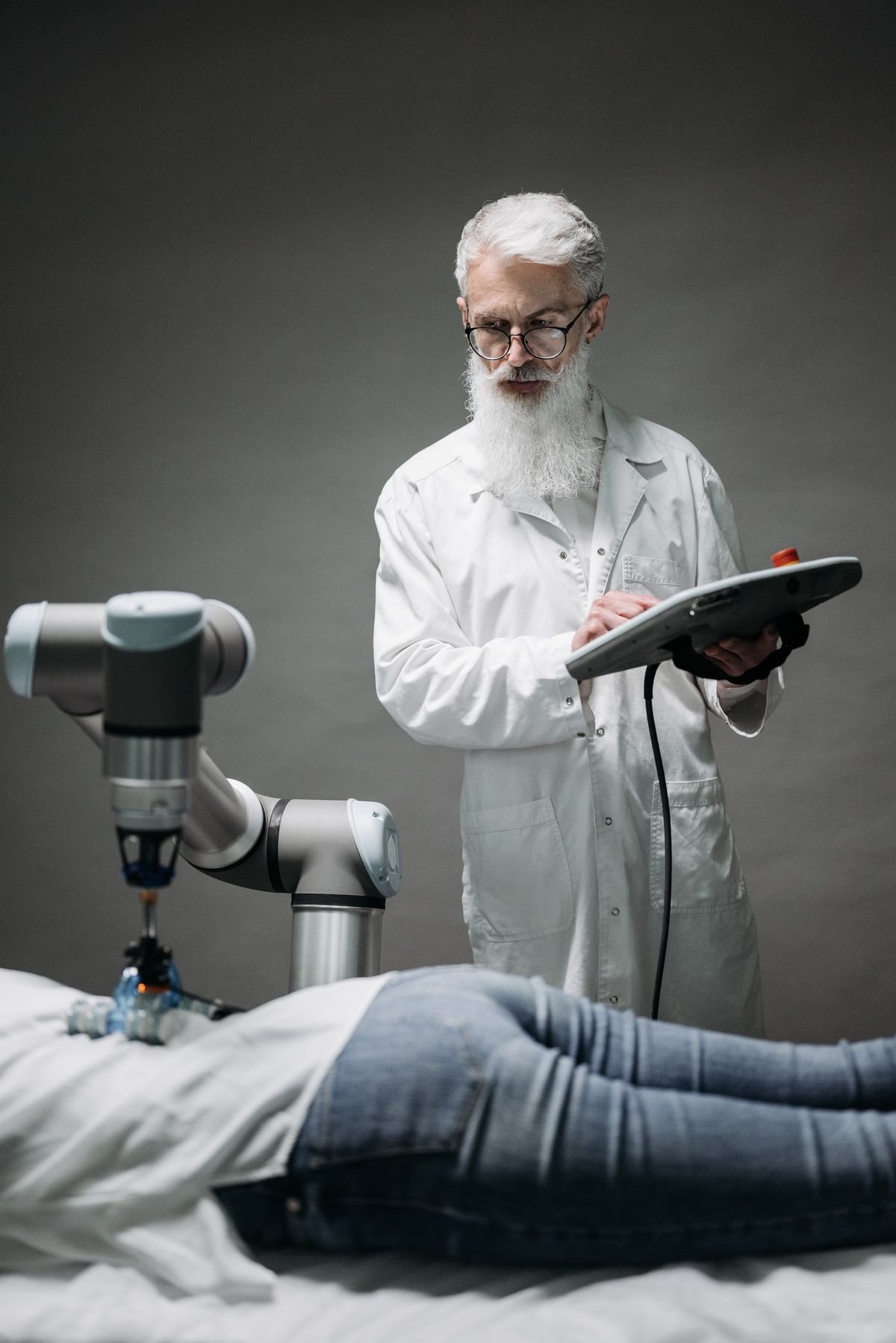
What Is AI in Healthcare?
Artificial intelligence, or AI, is a type of computer software that can learn from examples and make predictions. It does not think like a human. It finds patterns in huge amounts of data — patterns too subtle or too numerous for a person to spot.
In medicine, AI takes several forms. Machine learning is the most common: a program is trained on thousands of examples, such as X-rays labelled “healthy” or “diseased”, and learns to tell them apart. Deep learning uses layered networks that can recognise complex patterns in images and text. Natural language processing helps computers read and understand doctors’ notes and medical records. Computer vision lets machines “see” scans, microscope slides, and even photographs of skin.
The World Health Organization’s page on artificial intelligence in health tracks this field as one of the fastest-growing areas in medicine, with both great promise and real risks. The key point is simple: AI in healthcare is a tool. It works best when it supports doctors, not when it tries to replace them.
How AI in Healthcare Is Used Today
1. Faster, Sharper Diagnosis
Diagnosis is the most visible use of AI. AI programs can read medical images — X-rays, CT scans, MRIs, mammograms — and flag anything unusual. In some tasks, such as spotting early signs of breast cancer or eye disease, AI systems have matched or even beaten human specialists in trials. The US FDA has authorised hundreds of AI-enabled medical devices, many of them for reading images.
One well-known example is diabetic eye disease. An AI system can examine a photograph of the back of the eye and detect diabetic retinopathy, a complication of diabetes that can cause blindness if missed. In clinics without an eye specialist, this can mean the difference between early treatment and late diagnosis.
Mayo Clinic’s report on AI breakthroughs reaching patients sooner describes AI models that can spot early pancreatic cancer on scans taken more than a year before diagnosis, with 97% accuracy according to the hospital’s researchers. Mayo Clinic researchers have also built an AI tool that can detect a weak heart pump from a routine ECG — a problem that previously needed a stress test to find. AI can also help spot the warning signs of common illnesses early — our guide on the key signs of gastroenteritis explains the symptoms that need a doctor’s care.
2. Discovering New Medicines Faster
Finding a new medicine used to take ten years or more. AI is shortening that time. AI can predict the shape of proteins — the tiny machines inside our cells — which helps scientists design drugs that fit them. Google DeepMind’s AlphaFold program, which predicts protein structures, is now used by researchers all over the world and has changed how drug discovery works.
AI can also search through libraries of millions of chemical compounds and shortlist the ones most likely to work against a disease. In 2023, the first medicine designed with the help of AI entered human trials. Drug discovery is still slow, expensive, and full of failures — AI does not change that — but it helps scientists start with better candidates and waste less time on dead ends.
3. Personalised Treatment
No two patients are alike, and AI helps doctors tailor treatment to the individual. AI can combine a patient’s genes, medical history, scans, and lab results to suggest the treatment most likely to work for that person. In cancer care, this means choosing the drug that best matches the genetic profile of a tumour. In diabetes care, it means adjusting insulin doses based on a person’s own patterns of blood sugar, food, and activity.
For people with long-term conditions, AI tools can build personal diet plans — our fatty liver diet plan for Indian vegetarians is an example of the kind of structured food guidance these tools aim to personalise. AI nutrition apps may also suggest potassium-rich foods for recovery — our guide on the benefits of eating dates daily explains how many to eat and the best time.
4. Chatbots and Telemedicine
AI chatbots are now the first point of contact for many patients. They can answer common questions, book appointments, remind you to take medicines, and help you decide whether a symptom needs urgent care. During the COVID-19 pandemic, chatbots helped health systems answer millions of questions when phone lines were overwhelmed.
Telemedicine — seeing a doctor by video call — also uses AI. AI can take notes during a video consultation, translate between languages, and flag urgent cases for a doctor to review first. For patients in villages far from a hospital, a video consultation with AI support can be the difference between getting care and getting none.
5. Hospitals That Run More Smoothly
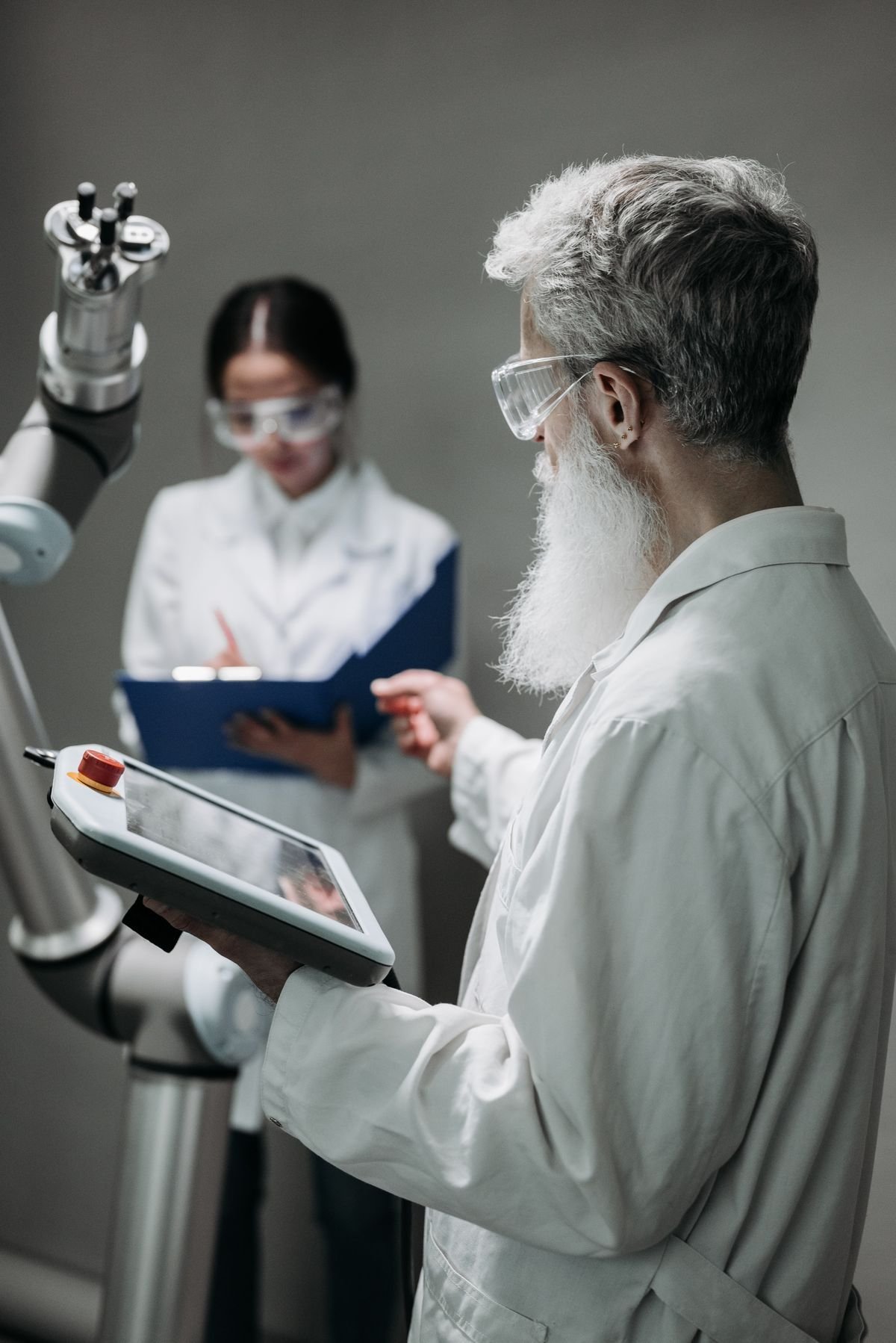
Much of this technology works behind the scenes. Hospitals use AI to predict which patients are most likely to need an intensive care bed, to schedule operating theatres, and to manage stocks of medicines. AI can read a doctor’s spoken notes and turn them into written records, saving hours of paperwork every week.
One of the most useful tools is a simple one: AI that reads through a patient’s medical records and writes a short summary before the appointment. Doctors at Mayo Clinic have reported saving between five and thirty minutes per patient visit with such a tool, because they no longer have to sort through dozens or even hundreds of pages of records by hand.
6. Wearables and Remote Monitoring
Smartwatches and fitness bands are now part of this change. They track heart rate, sleep, activity, and blood oxygen, and AI looks for patterns that might signal a problem — an irregular heartbeat, a fall, or a sudden change in sleep. Some watches can record a basic ECG and warn the wearer about possible atrial fibrillation, a heart rhythm problem that increases the risk of stroke.
AI-powered sleep trackers can show how long you sleep, how often you wake, and whether your sleep is deep or light. Poor sleep affects the whole body, as explained in our guide on how sleep quality affects your skin and overall health. For older adults living alone, a wearable that detects a fall and calls for help can be life-saving.
Benefits of AI in Healthcare
The benefits of ai in healthcare are real and growing:
- Earlier detection: AI can spot diseases earlier, when treatment works best — cancers, eye disease, heart problems.
- Speed: AI can read a scan or sort through records in seconds, freeing doctors to spend more time with patients.
- Access: AI brings specialist-level help to places with few doctors — rural clinics, small hospitals, and developing countries.
- Fewer mistakes: AI does not get tired or distracted, so it can catch things a busy doctor might miss — though it can also make its own mistakes.
- Less paperwork: AI handles notes, summaries, and scheduling, which is one of the biggest causes of doctor burnout.
- Better research: AI can analyse data from millions of patients to find new patterns and better treatments.
Risks and Limits of AI in Healthcare
AI in healthcare is powerful, but it is not magic — and it has serious limits:
- It can be wrong: AI makes mistakes, especially on cases unlike the ones it was trained on. An AI trained mostly on data from one group of people may perform badly on another group. This is called bias, and it is one of the biggest problems in medical AI.
- Privacy: AI needs huge amounts of patient data to learn. If that data leaks or is misused, the consequences are serious. Health data is among the most sensitive information a person has.
- Over-reliance: If doctors trust AI too much, they may stop thinking critically. AI should be a second opinion, not an automatic answer.
- Generative AI can invent things: Chatbots can produce confident-sounding answers that are wrong — sometimes called hallucinations. A health chatbot that invents medical advice is dangerous, which is why AI health tools must be tested carefully.
- Regulation is catching up: Laws and rules for medical AI are still developing in most countries. It is not always clear who is responsible when an AI system makes a mistake — the hospital, the software company, or the doctor.
- Cost and access: AI tools can be expensive, and the benefits may reach rich hospitals first. Without care, it could widen the gap between rich and poor patients instead of closing it.
The WHO’s guidance on the ethics and governance of AI for health stresses exactly these points: transparency about how AI works, accountability when things go wrong, and protecting patient privacy above all.
AI in Healthcare in India
India is one of the most interesting places for AI in medicine, because the need is so large and the number of doctors so small. India has about one doctor for every 1,500 people in many areas, far below the World Health Organization’s recommended ratio, and most specialists work in big cities.
The Indian government is building digital health infrastructure to close this gap. The Ayushman Bharat Digital Mission gives every citizen a digital health ID and a way to share medical records securely between hospitals. eSanjeevani, the national telemedicine service, has handled tens of millions of online consultations, connecting patients in villages with doctors in cities. AI tools are being added to these platforms to triage patients, read scans, and support doctors in small clinics.
Indian health-tech companies are also building AI tools for Indian conditions: screening for tuberculosis on chest X-rays, detecting diabetic eye disease in rural eye camps, and helping community health workers decide which patients need urgent referral. In India, AI health apps often combine modern advice with traditional foods — a drink like sattu, for example; read our guide on sattu benefits for weight loss to learn how it is traditionally prepared.
India’s medical research body, the ICMR, has published ethical guidelines for using AI in health research, covering consent, privacy, and fairness. The challenge for India is the same as everywhere else: making sure these tools reach the people who need it most, not just the richest hospitals.
Will AI Replace Doctors?
This is the question most people ask about AI, and the honest answer is no — not now, and not in the way people fear.
AI is very good at narrow, specific tasks: reading a scan, sorting records, spotting a pattern. It is very bad at the things that make a good doctor: listening to a worried patient, understanding a family’s situation, making a judgement call when the evidence is unclear, and taking responsibility for a decision.
What AI does is change what doctors spend their time on. If AI handles the paperwork and the first look at a scan, the doctor has more time to talk to the patient, think about the whole picture, and make the final call. The best model is a partnership: AI does the fast, repetitive work, and the doctor does the human work. A patient should always be able to ask: “Did a human check this?” — and the answer should be yes.
The Future of AI in Healthcare
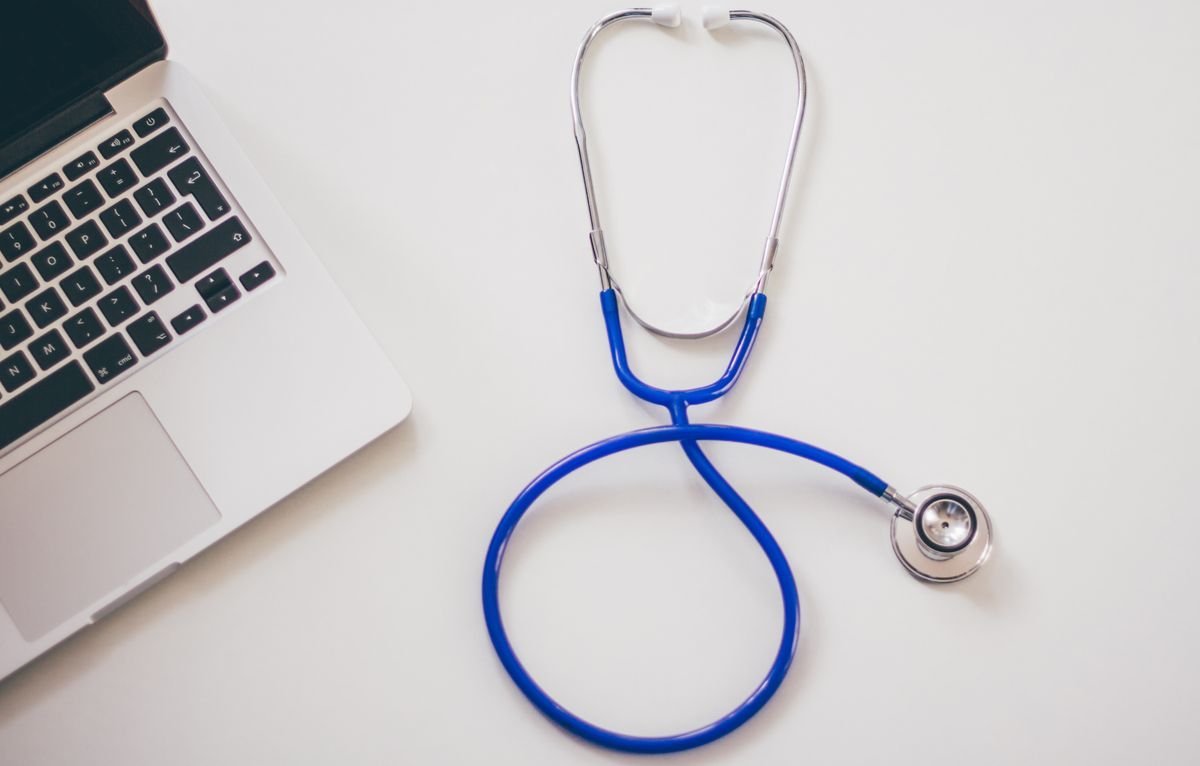
The next few years will bring more AI into everyday life. Doctors are already testing AI “scribes” that listen to a consultation and write the notes automatically. AI is being combined with genetic testing to predict a person’s risk of disease years in advance, so prevention can start early. Wearable devices will get better at warning about problems before symptoms appear.
But the most important change may be in prevention. Today, most medicine starts when you are already ill. AI could shift the focus to keeping you healthy: spotting risks early, suggesting small changes to diet, sleep, and exercise, and catching problems before they become serious. Some AI wellness apps already suggest personalised diet and sleep routines — for example, an ayurveda dinner of light, warm food eaten early — to support digestion and sleep.
The future will not be decided by the technology alone. It will be decided by the rules we set: who owns health data, how AI is tested, and whether the benefits reach everyone. Used well, it can make medicine faster, fairer, and more human. Used carelessly, it can do the opposite.
FAQs — AI in Healthcare
What is AI in healthcare?
It means using computer programs that learn from data to help doctors and patients — reading scans, sorting medical records, suggesting treatments, discovering medicines, and supporting telemedicine and remote monitoring.
Can AI diagnose diseases?
AI can help diagnose diseases, especially by reading medical images such as X-rays, scans, and eye photographs. But AI does not diagnose on its own — a doctor checks the result and makes the final decision.
Is AI in healthcare safe?
It can be safe when it is properly tested, regulated, and supervised by doctors. The risks are real: errors, bias, privacy leaks, and over-reliance. That is why health AI tools must be tested like medicines, not like ordinary apps.
Will AI replace doctors?
No. AI is best at narrow, repetitive tasks such as reading scans and sorting records. Doctors are still needed for listening, judgement, empathy, and taking responsibility for decisions.
How is AI used in Indian healthcare?
In India, AI is used for telemedicine through eSanjeevani, digital health records under the Ayushman Bharat Digital Mission, screening for tuberculosis and diabetic eye disease, and helping community health workers refer urgent cases.
Does AI use my private health data?
AI systems learn from patient data, which is why privacy rules matter so much. Good AI systems use data with consent, remove personal details where possible, and protects it with strong security — and patients should always be told how their data is used.
Can I trust a health chatbot?
Health chatbots can be useful for general information, booking appointments, and reminders. But they can also give wrong or invented answers, so never use a chatbot as a substitute for a doctor — especially for serious symptoms.
Conclusion
AI in healthcare is already changing medicine: faster diagnoses, new medicines, personalised treatment, telemedicine, and smarter hospitals. The benefits are real — earlier detection, better access, less paperwork, and more time for doctors to care for patients. The risks are real too — errors, bias, privacy, and over-reliance.
The future of this technology depends on how we use it. The goal is not to replace doctors, but to give them better tools, and to give patients faster, fairer care. As a patient, the most useful thing you can do is stay informed: ask your doctor how AI is used in your care, ask who checks its results, and remember that no computer can replace a human doctor’s judgement — or a human doctor’s care.
Disclaimer: This article is for general health information only and is not a substitute for medical advice. AI tools and health chatbots cannot diagnose you or replace a doctor. If you have symptoms, a serious illness, or a medical emergency, talk to a doctor or seek urgent medical care.