
If you grew up in an Indian home, you probably remember a thick aloe vera plant on the balcony, and someone breaking off a leaf for a sunburn or a bad hair day. The aloe vera benefits for skin and hair go far beyond a quick cooling gel — used the right way, aloe can calm irritated skin, add shine to dull hair, and save you money on products you may not need. This guide covers 15 practical uses, how to apply it, and the side effects nobody warns you about.
What Is Aloe Vera and What Are the Aloe Vera Benefits for Skin and Hair?
Aloe vera is a thick, fleshy succulent. Inside each leaf sits a clear gel made mostly of water, plus vitamins, minerals, and plant compounds that soothe and hydrate — which is why it feels cool the second it touches your skin.
The gel is a natural humectant, which means it pulls moisture into the skin and hair and helps hold it there. It also has mild anti-inflammatory and antibacterial properties, so it can calm redness and help small breakouts heal a little faster.
In India, fresh aloe is easy to find. A small plant costs ₹50–₹150 at a nursery, and one leaf can last you a week in the fridge. Store-bought gel works too, but check the label — look for a gel that lists aloe vera as the first ingredient and has little or no added fragrance, colour, or alcohol.
Aloe Vera Benefits for Skin and Hair: 15 Uses That Actually Help
Here are the uses worth trying, grouped so you can find what you need fast.
1. Soothes sunburn
This is the classic use. After a day in strong sun, aloe cools the burn, adds moisture back, and takes the sting down. Apply a thick layer of chilled gel and repeat 2-3 times a day. The NIH NCCIH page on aloe vera notes that research suggests topical aloe gel may speed burn healing and ease burn-related pain.
2. Light, oil-free moisturiser
If your skin gets oily by noon, a heavy cream only makes it worse. A thin layer of aloe gel sinks in fast, hydrates without grease, and sits well under sunscreen. Dry skin types can layer a light cream on top.
3. Calms acne and redness
Aloe will not clear severe acne on its own, but it can calm the redness around a fresh pimple and keep the area hydrated. Dab a small amount on the spot twice a day. Do not scrub the pimple or pile on five products at once — that usually makes things worse. If breakouts keep coming back, our guide on Home Remedies for Pimples Overnight: 10 Fast Fixes That Actually Work has gentle overnight options that pair well with aloe.
4. Helps minor cuts and razor burn
A small nick from shaving or a scraped knee — aloe forms a light, cooling layer and keeps the area from drying out. Clean the cut first with water, then apply gel. If a wound is deep, bleeding a lot, or looks infected, see a doctor instead.
5. Fades the look of dark spots over time
Aloe contains a compound called aloin, and some studies suggest it may help even out skin tone with regular use. Be honest with yourself here: this is slow, subtle work over weeks, not an overnight fairness fix. Pair it with daily sunscreen, or the sun will undo any progress. For sun-related darkening, our guide on How to Remove Tan from Face Naturally covers gentle ways to even out tanned skin.
6. Gentle makeup remover
On days you wore light makeup, aloe gel on a cotton pad can lift it off without stripping your skin — use a proper cleanser first for heavy or waterproof makeup.
7. Soothes skin after waxing or threading
Threading and waxing leave skin red and tender for a few hours. A cold layer of aloe gel calms that sting right away. Wait a few hours before applying anything with fragrance, and skip scrubs for a day or two.
8. Hydrates hair and adds shine
Dry, frizzy hair drinks up aloe. The gel smooths the hair shaft, so hair looks shinier and feels softer after a mask. Use it as a leave-in on damp ends, or as a pre-wash mask for 30 minutes.
9. Calms an itchy, flaky scalp
If your scalp feels tight or flaky in winter, massage aloe gel into the scalp, leave it for 20-30 minutes, then shampoo as usual. If you have heavy dandruff that keeps coming back, or red patches that spread, get it checked — that may need more than a home remedy.
10. Helps hair growth indirectly
Aloe does not grow hair overnight, but a clean, moisturised scalp creates better conditions for growth and less breakage over time.
11. Reduces frizz in humid weather
Humidity can turn good hair into a puffball by 10 am. A pea-sized amount of aloe gel smoothed over damp hair tames flyaways without the crunch of hair gel. Start small; too much will make hair feel sticky.
More everyday uses: aloe also works as a natural shaving gel, a soothing layer for chapped lips (follow with lip balm to seal it in), a gentle calmer for skin after a facial or peel, and a night treatment for cracked heels — massage it in, wear cotton socks, and repeat for a week.
Aloe Vera Benefits for Skin and Hair: How to Use Fresh Gel at Home
Fresh gel is better than most bottled gels, and it takes five minutes to prepare.
Cut a thick outer leaf, stand it upright for 10-15 minutes so the yellow latex drains out, then wash it, trim the edges, slice off the green skin, and scoop out the clear gel. Blend it if you want a smooth texture and store it in a clean jar in the fridge, where it stays good for about a week.
Patch test first: dab a little gel on your wrist, wait 24 hours, and check for redness before using it on your face.
Aloe Vera Benefits for Skin and Hair: Easy DIY Recipes
You do not need fancy ingredients. This simple mask covers most needs.
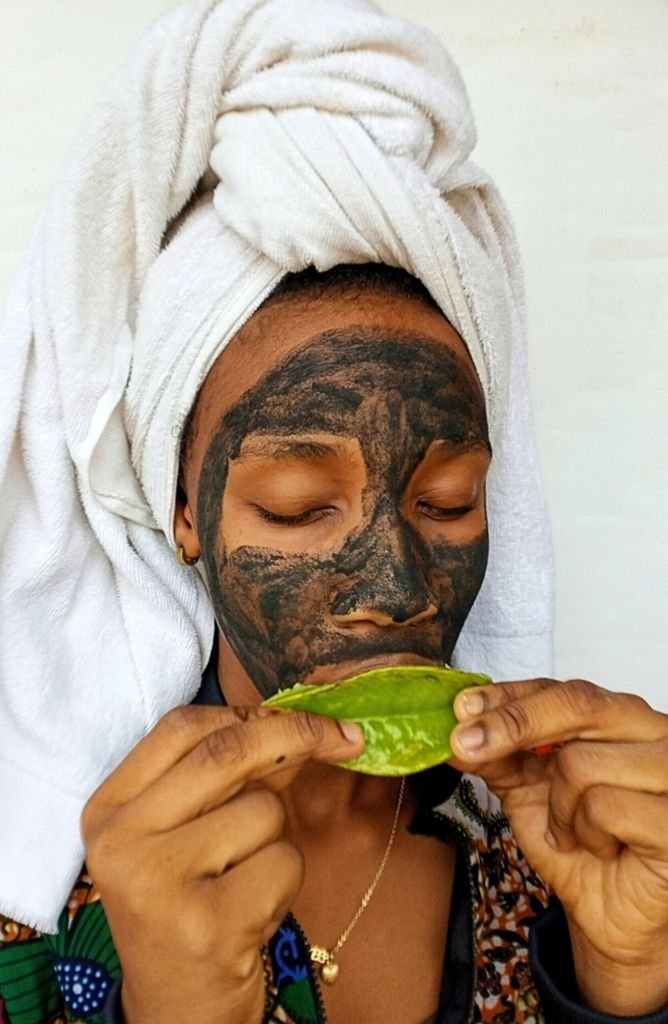
Simple aloe face mask for glow: Mix 2 tablespoons of aloe gel with 1 teaspoon of honey. Apply a thin layer, leave for 15 minutes, rinse with lukewarm water. Use once or twice a week.
One warning: do not mix aloe with lemon juice and leave it on your face in the sun. Lemon makes skin more sensitive to sunlight, and that combination can cause irritation or dark patches.

Aloe Vera Benefits for Skin and Hair: Side Effects and Who Should Be Careful
If your skin barrier is already damaged, start gently — our guide on Skin Barrier Repair: Signs Your Barrier Is Damaged and How to Fix It Naturally explains how to tell and how to rebuild it. Aloe is gentle for most people, but it is not free of risks.
- Skin allergy: Some people develop redness, itching, or a rash, especially if they are allergic to plants in the lily family, like garlic, onions, and tulips. Stop using it if you notice a reaction.
- The yellow latex: The yellow sap just under the leaf skin can irritate skin and, if swallowed, can cause stomach cramps and diarrhoea. Always drain it out and use only the clear gel.
- Do not eat aloe gel casually: Drinking aloe juice or eating raw gel is a different matter from putting it on your skin. Oral aloe can interact with medicines, including diabetes and heart medicines, and it is not considered safe in pregnancy. Talk to your doctor before taking any aloe product by mouth.
- Do not apply to deep or infected wounds: Deep cuts, burns with blisters, or skin that looks infected need medical care.
- Overuse can dry skin out: Even a moisturising gel can backfire if you layer it on thick five times a day without sealing it in. Use a moderate amount, and follow with a moisturiser if your skin feels tight.
Pregnant and breastfeeding women should stick to using aloe on the skin only, and check with their doctor before using any oral aloe product.
Aloe Vera Benefits for Skin and Hair: Frequently Asked Questions
Can I apply aloe vera on my face every day?
Yes, most people can use plain aloe gel on their face once or twice a day. Start with once a day, watch for redness or itching for a week, then increase if your skin is happy. If you notice dryness, use less and add a moisturiser on top.
What are the aloe vera benefits for skin and hair in summer?
In summer, aloe cools sun-exposed skin, hydrates without feeling greasy, tames humidity frizz, and soothes skin after sweating or shaving. Keep your gel in the fridge for an extra cooling effect.
Can aloe vera remove pimples overnight?
No, aloe will not remove a pimple overnight. It can reduce redness and keep the area calm, which makes the pimple look less angry by morning, but real healing takes a few days. Do not squeeze the pimple — that spreads bacteria and can leave a scar.
This article is for general information only and is not a substitute for medical advice. Please consult a qualified doctor for personal advice.