
If you have sensitive skin and every anti-ageing product seems to sting, peel or turn you red, the bakuchiol vs retinol debate probably feels made for you. Retinol is the best-known ingredient for fine lines, uneven tone and clogged pores, but it is also famous for irritation. Bakuchiol, a plant-derived ingredient from the babchi plant (Psoralea corylifolia), is marketed as the gentler alternative. It does not work in exactly the same way as retinol, and it is not a like-for-like swap, but for many people with reactive skin it is a useful, lower-irritation option worth understanding properly.
This article explains what each ingredient does, who should choose which, how to introduce bakuchiol without upsetting your skin, and what results you can realistically expect — and when.
What Is Retinol, and Why Does It Irritate Skin?
Retinol is a form of vitamin A. Once applied, skin converts it into retinoic acid, which speeds up cell turnover, helps unclog pores, supports collagen, and gradually smooths fine lines and fades dark spots. That is why dermatologists recommend it so often — and why it can be hard to tolerate.
Common early side effects include dryness, flaking, redness and stinging, especially in the first few weeks. This adjustment period is often called “retinisation”. It is worse if you use too much, use it too often, or combine it with strong exfoliants or harsh face washes. Retinol also makes skin more sensitive to sunlight, so daily sunscreen becomes non-negotiable. It is generally avoided during pregnancy and breastfeeding, and people with eczema, rosacea or very reactive skin often struggle with it even at low strengths.
What Is Bakuchiol, and How Does It Compare?
Bakuchiol is an antioxidant compound extracted from the seeds and leaves of the babchi plant, long used in Ayurvedic and traditional Chinese medicine. It is not a form of vitamin A, and it does not convert to retinoic acid. Instead, laboratory and small clinical studies suggest it influences some of the same skin pathways — supporting collagen and improving tone — without the same level of irritation. In a small 12-week study, bakuchiol and retinol both improved signs of ageing, while the bakuchiol group reported less scaling and stinging. That study was small and does not prove bakuchiol is as strong as retinol, but it suggests it is a reasonable option when retinol is too harsh.
Here is a simple comparison:
| Feature | Retinol | Bakuchiol |
|---|---|---|
| What it is | Vitamin A derivative | Plant-derived antioxidant |
| Main benefits | Fine lines, acne, uneven tone, texture | Fine lines, uneven tone, dullness |
| Irritation risk | Moderate to high, especially at first | Low for most people |
| Sun sensitivity | Increases it; sunscreen essential | Less associated with sun sensitivity, but sunscreen still needed |
| Use in pregnancy | Generally avoided | Often marketed as an alternative, but only with a doctor’s advice |
| Speed of visible results | Often faster, if tolerated | Usually slower and more gradual |
| Price in India | ₹400–₹1,500 for common serums and creams | ₹500–₹1,800 for common serums |
Think of it this way: retinol is the stronger, better-studied tool with a higher chance of irritation; bakuchiol is the gentler, less-studied tool with a lower chance of irritation. Neither is “better” for everyone.
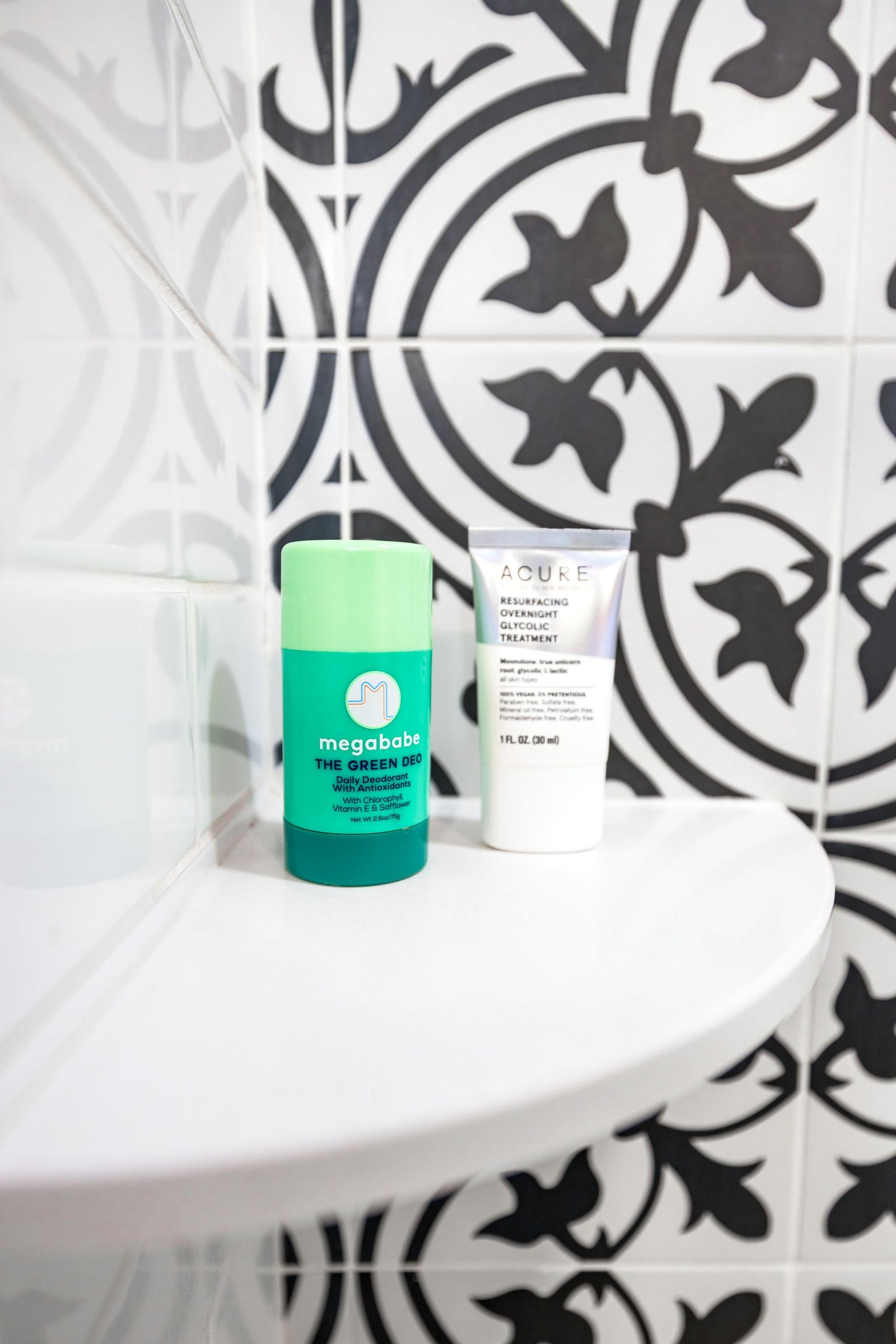
Who Should Choose Bakuchiol?
Bakuchiol is a good first choice if any of these sound familiar:
- Your skin stings or turns red with most active ingredients.
- You have tried retinol before and had to stop because of peeling or burning.
- You have dry or combination skin that gets tight easily in air conditioning or winter.
- You want a simple anti-ageing step and do not want a complicated routine.
- You are looking for a gentler option during a period when retinol is not suitable, and your doctor agrees it is appropriate for you.
Retinol may still be the better choice if your main concern is acne or deep texture, you have oily, resilient skin, and you have tolerated vitamin A products before.
A note on pregnancy: bakuchiol is often described as “pregnancy-safe”, but that phrase is marketing, not a medical guarantee. There is limited safety data in pregnancy, so do not start any new active ingredient in pregnancy or while breastfeeding without asking your doctor first.
How to Introduce Bakuchiol: A Simple 4-Week Plan
Bakuchiol is gentle, but “gentle” does not mean “skip the patch test”. New ingredients can still cause allergy or irritation, especially if you have sensitive skin.
Step 1: Patch test first
Apply a small amount to a discreet area — behind the ear or on the inner forearm — once a day for 3 to 5 days. Look for redness, itching, bumps or swelling. If there is no reaction, you can try it on your face. If there is a reaction, stop and wash the area with lukewarm water. Do not try it on broken, sunburnt or freshly waxed skin.
Step 2: Start slowly, at night
Use a pea-sized amount of a bakuchiol serum or cream at night, after cleansing and before or after moisturiser, two or three nights a week for the first two weeks. If your skin feels comfortable, move to every other night, then nightly. You can also use it in the morning, but night is the easiest place to start because you are not layering it under sunscreen and makeup straight away.
Step 3: Keep the rest of your routine boring
For the first month, do not add a new exfoliant, vitamin C serum or another active. Use a gentle cleanser, a plain moisturiser and sunscreen. If your skin becomes red, flaky or sore, cut back to twice a week or pause for a few days, then restart more slowly.
Step 4: Be patient with results
Most people need 8 to 12 weeks of regular use before they notice smoother texture or a more even tone. Take a photo in the same light once a month rather than checking daily. If you see no change after three months, the product may be too weak for your concern — a good question to take to a dermatologist.
Bakuchiol vs Retinol: Common Mistakes to Avoid
- Using too much, too soon. A pea-sized amount is enough for the whole face. More product does not mean faster results; it usually means more irritation.
- Skipping sunscreen. Indian sun is strong year-round. Use a broad-spectrum sunscreen every morning, and reapply if you are outdoors.
- Mixing too many actives. Do not start bakuchiol, a strong exfoliant and a vitamin C serum in the same week. Introduce one product at a time, with at least two weeks between new products.
- Expecting retinol-strength results in two weeks. Bakuchiol works slowly. Judging it after seven days is like judging a gym routine after two sessions.
When choosing a product, look for bakuchiol at 0.5% to 1% on the label. A serum suits oily skin in humid weather; a cream suits dry skin. A serum in the ₹600–₹1,200 range from a known brand is a reasonable starting point. If you already use a prescription skin product, ask your dermatologist before adding bakuchiol.
Frequently Asked Questions
Can I use bakuchiol every day?
Most people can, once their skin has adjusted. Start two or three times a week, increase gradually, and drop back if you notice redness or dryness. Daily use is a goal, not a starting point.
Can I use bakuchiol with vitamin C or niacinamide?
Niacinamide usually pairs well with bakuchiol. Vitamin C can be used in the same routine, but introduce it separately — for example, vitamin C in the morning and bakuchiol at night — so you can tell which product is causing any irritation.
Is bakuchiol safe during pregnancy?
There is not enough reliable safety data to call it safe on its own. Many people choose it as a gentler alternative, but you should only use it in pregnancy or while breastfeeding if your doctor says it is appropriate for you.
Disclaimer: This article is general information only, not medical advice. See a doctor for diagnosis or before starting a supplement or treatment, including any new skincare active — especially if you are pregnant, breastfeeding, or using prescription skin treatment.