

Every day, kitchens around the world throw away one of the most nutritious parts of their food: the peel. We peel the apple, the potato, the cucumber and the orange, and we bin the skin without a second thought. But that thin outer layer is not waste. In many fruits and vegetables, the peel holds more fibre, more antioxidants and more vitamins than the flesh inside — and to eat your peels is to get that nutrition for free.
The idea is not new. Traditional cooking has always used peels: orange zest in sweets, potato skins roasted crisp, watermelon rind in pickles, banana peel in curries. What is new is the science behind it. Studies have found that the peels of apples, peaches and pomegranates contain higher concentrations of antioxidants than the flesh, and dietitians now say that peeling a fruit can mean peeling off part of its nutrition.
This guide explains why you should eat your peels, what nutrients they hold, 10 peels worth eating, how to wash and use them safely, and which peels to avoid.

Why Do We Throw Peels Away?
There are three reasons peels end up in the bin. First, habit: most of us were taught to peel fruit before eating it, and we never questioned it. Second, texture and taste: some peels are bitter, tough or waxy, and not pleasant to eat raw. Third, worry about pesticides: the peel is the part that touches sprays, dust and handling, so it feels dirty even after washing. Learning to eat your peels starts with understanding why we throw them away in the first place.
All three reasons are understandable — but none of them means the peel is useless. The peel is the fruit’s protective layer, and to do that job it is packed with the plant’s defence compounds: fibre, pigments and antioxidants. As National Geographic’s guide to fruit and vegetable peels explains, the peel’s darker colour is a clue — colours in food indicate antioxidants, and the peel is often the most colourful part of the fruit. When you peel a fruit, you are literally peeling off some of its nutrition.
What Nutrients Are in Peels?
The nutritional case to eat your peels rests on four things:
- Fibre: Peels are rich in both soluble and insoluble fibre. Fibre keeps you full, feeds good gut bacteria, helps prevent constipation, and binds to bile salts, which can help lower LDL cholesterol. In most fruits, the peel holds a large share of the fruit’s total fibre.
- Antioxidants: The peel is where a plant concentrates its protective compounds — quercetin in apple skin, nasunin in eggplant skin, anthocyanins in dark grape and plum skins, limonene in citrus peel. These compounds help protect cells from damage by unstable molecules called free radicals.
- Vitamins and minerals: Apple skin, for example, contains far more vitamin K, vitamin A and vitamin C than the flesh underneath. Potato skins contain more iron, calcium, potassium, magnesium, vitamin B6 and vitamin C ounce-for-ounce than the inside of the potato. Orange peel contains three times as much vitamin C as the fruit inside, along with riboflavin, folate, vitamin A and several B vitamins.
- Very few calories: Peels are low in calories, sugar and fat, and free from cholesterol. They add bulk and nutrition to a meal without adding much energy, which helps with weight control.
None of this makes a peel a superfood on its own. But when you eat your peels, you get more nutrition from food you already buy — and you throw away less. That is why dietitians now say to eat your peels whenever it is safe to do so.
10 Peels You Should Eat
1. Apple Peel
Apple peel is the classic example. The skin is the most nutrient-dense part of the apple: it contains far more vitamin K, vitamin A and vitamin C than the flesh, plus soluble and insoluble fibre and quercetin, a powerful antioxidant. Eating an apple with the skin also means more chewing, which slows you down and helps you feel full. Just wash the apple well, or buy organic if you can. Apple peel goes into salads, oatmeal, smoothies and baked dishes — and it is one of the easiest reasons to eat your peels. If you want one habit that proves the point, eat your peels starting with the apple.
2. Banana Peel
Banana peel sounds strange to eat, but it is eaten in many parts of the world — boiled, fried, blended into smoothies or cooked into curries. The peel contains more soluble and insoluble fibre than the fruit inside, along with potassium, lutein (an antioxidant that protects the eyes) and tryptophan, an amino acid the body turns into serotonin, the feel-good hormone. In a curry, a little jaggery balances the peel’s bitterness — our guide on jaggery benefits explains how it compares with refined sugar. Raw banana flour is made from green bananas and works on the same idea — using the whole fruit, peel and all. Our guide on raw banana flour benefits explains how it is made and how to use it. Never eat a banana peel raw and unwashed: wash it well, and cook or blend it.
3. Potato Peel
Potato skins are a genuine food, not waste. A baked potato eaten with its skin gives you more iron, calcium, potassium, magnesium, vitamin B6 and vitamin C than the same potato peeled. The skin also holds most of the potato’s fibre. The rule is simple: scrub the potato well, bake or roast it with the skin on, and eat the whole thing. Once you eat your peels this way, you will wonder why you ever threw them away. Avoid green or sprouting potatoes — the green parts contain solanine, a natural toxin, and should be cut away. Sweet potato skins are also worth eating: they are rich in beta-carotene, which supports immunity. Our sweet potato benefits guide explains how to cook sweet potatoes and who they suit.
4. Carrot Peel
Carrot peel is thin and easy to eat, and it holds a good share of the carrot’s fibre and antioxidants. Most people peel carrots out of habit, but a well-scrubbed carrot needs no peeling at all — just wash it, trim the ends, and eat it whole. The peel is slightly bitter, which is a sign of the plant’s protective compounds. Carrot peel can go into salads, soups and juices. If the carrot is old or the skin is rough, a light scrub with a brush is enough.
5. Cucumber Peel
Cucumber peel is where much of the cucumber’s fibre, vitamin K and antioxidants live. A peeled cucumber is mostly water; a cucumber eaten with its skin gives you more nutrition and a satisfying crunch. Wash it well and scrub off any wax coating — cucumbers sold in shops are often waxed to keep them fresh, and the wax should be removed. If the peel tastes bitter, peel it; a bitter cucumber peel can upset the stomach. Otherwise, eat the whole cucumber in salads, raita and sandwiches.

6. Orange Peel
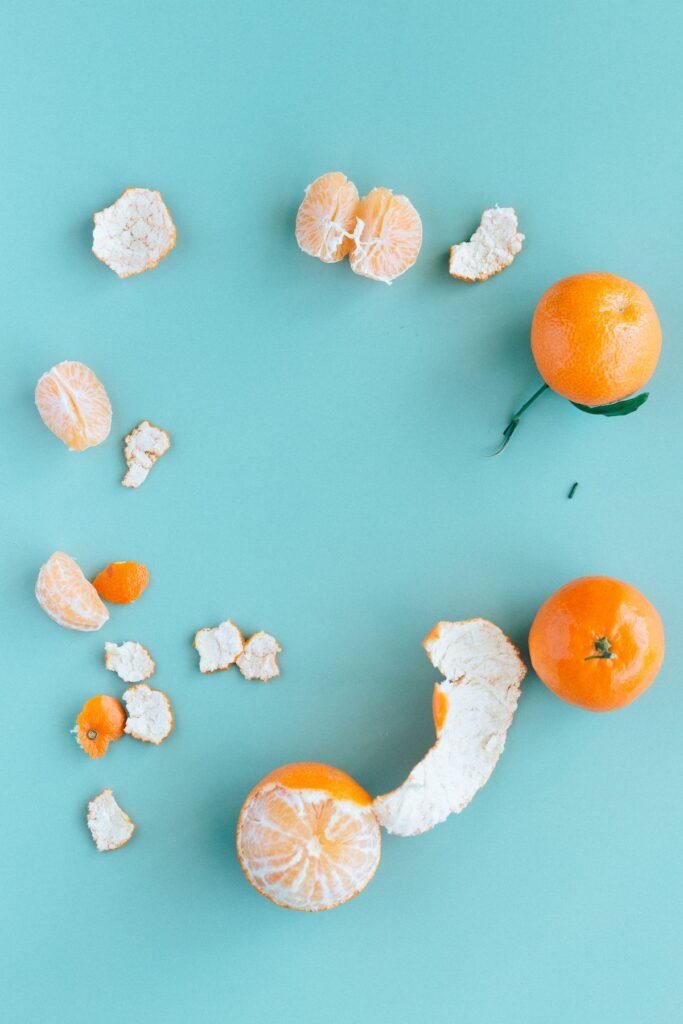
Orange peel is the most powerful of all the peels on this list — and the one that needs the most care. It contains three times as much vitamin C as the fruit inside, plus fibre, limonene, and vitamins including riboflavin, thiamin, niacin, folate and vitamin A. Limonene, the oil in citrus peel, has anti-inflammatory and antioxidant properties, though most of the evidence comes from laboratory and animal studies rather than large human trials. Healthline’s guide to limonene explains what it is and what the evidence actually shows. Use orange peel as zest — a small amount grated into cakes, curries, tea or chutney. Never eat large amounts of raw orange peel: it is bitter, hard to digest, and non-organic oranges may carry pesticide residues on the skin, so use certified organic oranges if you plan to eat the peel regularly.
7. Mango Peel
Mango peel is eaten in some traditional cuisines, usually cooked rather than raw. It is rich in fibre, antioxidants including mangiferin, and vitamins A and C. The peel is tough and slightly bitter, so it works best cooked — in pickles, chutneys and curries, or dried and powdered. A word of caution: mango peel contains urushiol, the same compound found in poison ivy, and some people are sensitive to it. If you have a mango allergy or a latex allergy, avoid the peel. For everyone else, a small amount in a cooked dish is safe.
8. Kiwi Peel
Kiwi peel looks fuzzy and unappealing, but it is edible and nutritious. The skin holds about three times as much fibre as the flesh, along with vitamin E and folate. The fuzz is the main problem — it feels strange in the mouth. The fix is simple: rub the kiwi with a cloth or towel to remove most of the fuzz, then eat it whole like an apple. Golden kiwis have smoother skin and are easier to eat this way than green kiwis.
9. Onion Peel
Onion peel is not eaten raw — it is too tough — but it should not be thrown away either. Onion skins are rich in quercetin, the same antioxidant found in apple skin, and they can be used in cooking. Add clean onion peels to a stock pot when making vegetable or bone broth: they give the broth a rich colour and extra antioxidants, and you strain them out before serving. In Indian cooking, onion peels can go into the pot with dal or soup and be removed at the end. This is one of the simplest ways to eat your peels without changing how you cook.
10. Watermelon Rind
The white part of the watermelon rind is edible and nutritious. It contains citrulline, an amino acid that helps blood flow and supports heart health, along with fibre and vitamin C. In India, watermelon rind is used in pickles, curries and stir-fries — it has a mild taste and a crisp texture when cooked. Do not eat the tough green outer skin; peel it off and use only the white inner rind. Raw rind can be blended into smoothies, but cooked rind is easier on the stomach.
How to Eat Peels Safely
The safety rules for eating peels are simple, and they matter more than the benefits. If you eat your peels regularly, washing matters more than anything else:
- Wash everything: Rinse peels under clean running water and scrub with a vegetable brush or a clean cloth. This removes dirt, wax and much of the surface pesticide residue. For thick-skinned fruit, a baking soda soak — one teaspoon in a litre of water for a few minutes — helps further.
- Prefer organic for peels: If you plan to eat peels regularly, buy organic for the fruits you eat with the skin — apples, grapes, berries, citrus. Organic produce carries far less pesticide residue. Our guide on organic food benefits explains how to buy organic on a budget.
- Cook what is tough or bitter: Banana peel, mango peel and watermelon rind should be cooked, not eaten raw. Cooking softens the fibre, removes some bitterness, and kills bacteria on the surface.
- Small amounts of citrus peel: Orange and lemon zest is meant to be used by the teaspoon, not eaten by the handful. Large amounts of citrus peel can upset the stomach and, in the case of non-organic fruit, add pesticide exposure.
- Check for allergies: Mango peel, citrus peel and some other peels can trigger allergies, especially in people with latex allergy. Try a small amount first and watch for itching, swelling or a rash.
- Never eat peels of non-edible plants: Only eat the peels of fruits and vegetables that are known to be safe. Never eat the skin of plants you cannot identify, and never eat the peel of a fruit that is rotten or mouldy — mould toxins can soak into the peel.
Peels to Avoid
Not every peel is food. Avoid these:
- Avocado skin: Thick, waxy and indigestible. Compost it.
- Pineapple skin: Tough, spiky and full of bromelain, which irritates the mouth. The core, though, is edible and rich in vitamin C.
- Cantaloupe and melon rinds: The rough outer skin can carry bacteria and is not meant to be eaten.
- Onion and garlic outer skins (raw): Too tough to eat, though they can be used in stock and strained out.
- Banana peel, raw and unwashed: Safe only when washed and cooked or blended.
- Peels from rotten or mouldy fruit: Throw the whole fruit away — mould toxins can spread through the flesh.
Orlando Health’s guide to fruit peels makes the same point plainly: the outside layer of many fruits offers real nutrition, but you should be careful about which peels you eat and always clean them thoroughly first.
FAQs — Eat Your Peels
What are the benefits when you eat your peels?
When you eat your peels, you get extra fibre, antioxidants, vitamins and minerals that the flesh alone does not provide — often at no extra cost, from food you already buy.
Is it safe to eat fruit peels?
Yes, for most fruits and vegetables, as long as you wash them well, scrub off wax, and prefer organic for the ones you eat with the skin. Cook tough peels like banana and mango, and avoid peels from rotten fruit.
Which peels are the most nutritious?
Apple, orange, potato, banana and kiwi peels are among the most nutritious. Apple skin is rich in quercetin and fibre; orange peel is rich in vitamin C and limonene; potato skin is rich in iron and potassium.
Can eating peels help with weight loss?
It can help, because peels add fibre and bulk to meals without adding many calories, which keeps you full for longer. But peels alone do not cause weight loss — a balanced diet matters more. Dates are another filling, fibre-rich food — our guide on the benefits of eating dates daily explains how many to eat and the best time.
Do I need to buy organic fruit to eat the peels?
It is better if you can, because organic fruit carries less pesticide residue on the skin. If you cannot buy organic, wash and scrub conventional fruit well, and peel the fruits with the thinnest skins first.
Can eating peels upset my stomach?
Yes, if you eat too much at once or eat tough peels raw. Peels are high in fibre, so introduce them gradually and drink enough water. Cooked peels are easier to digest than raw ones. A healthy gut also depends on the rest of your diet — our fatty liver diet plan for Indian vegetarians lists foods and habits that support digestion and liver health.
What is the easiest way to start eating peels?
The easiest way to eat your peels is to start with the ones that need no extra work: eat apples and cucumbers unpeeled, bake potatoes with the skin on, and add orange zest to your cooking. Then try cooked banana peel in a curry or watermelon rind in a pickle. A light traditional drink like sattu is another easy way to add fibre to your day — read our guide on sattu benefits for weight loss to learn how it is traditionally prepared.
Conclusion
To eat your peels is one of the simplest, cheapest nutrition upgrades there is. You do not need a new diet, a new supplement or a new shop — just stop throwing away the most nutritious part of the food you already buy. Apple skins for quercetin and fibre, potato skins for iron and potassium, orange zest for vitamin C and limonene, banana peel for fibre and lutein, watermelon rind for citrulline — each peel adds something the flesh does not.
Start small: eat your apples unpeeled, bake your potatoes with the skin on, and zest your oranges into your cooking. Wash everything well, prefer organic for the peels you eat most, cook the tough ones, and skip the peels that are not food. The rule is simple: eat your peels when they are safe, wash them well, and cook the tough ones. The bin gets lighter, your plate gets more nutritious, and nothing in your kitchen changes except one habit.
Disclaimer: This article is for general health information only and is not a substitute for medical advice. If you have allergies, a digestive condition, or you are pregnant, talk to your doctor or a registered dietitian before changing your diet. Wash all produce well and never eat peels from rotten or mouldy fruit.