

The health hazards of prolonged sitting are easy to miss because sitting feels harmless. Most of us sit at a desk, sit in a car, sit to eat, and then sit again to watch TV. By the end of the day, many adults have sat for 8 to 11 hours. Research now shows that the health hazards of prolonged sitting go far beyond a stiff back. Long, uninterrupted sitting is linked to heart disease, type 2 diabetes, weight gain, poor sleep, and low mood — even in people who exercise.
This guide explains the health hazards of prolonged sitting in simple words, how much sitting is too much, the warning signs to watch for, and practical ways to sit less without changing your whole routine.
What Is Prolonged Sitting?
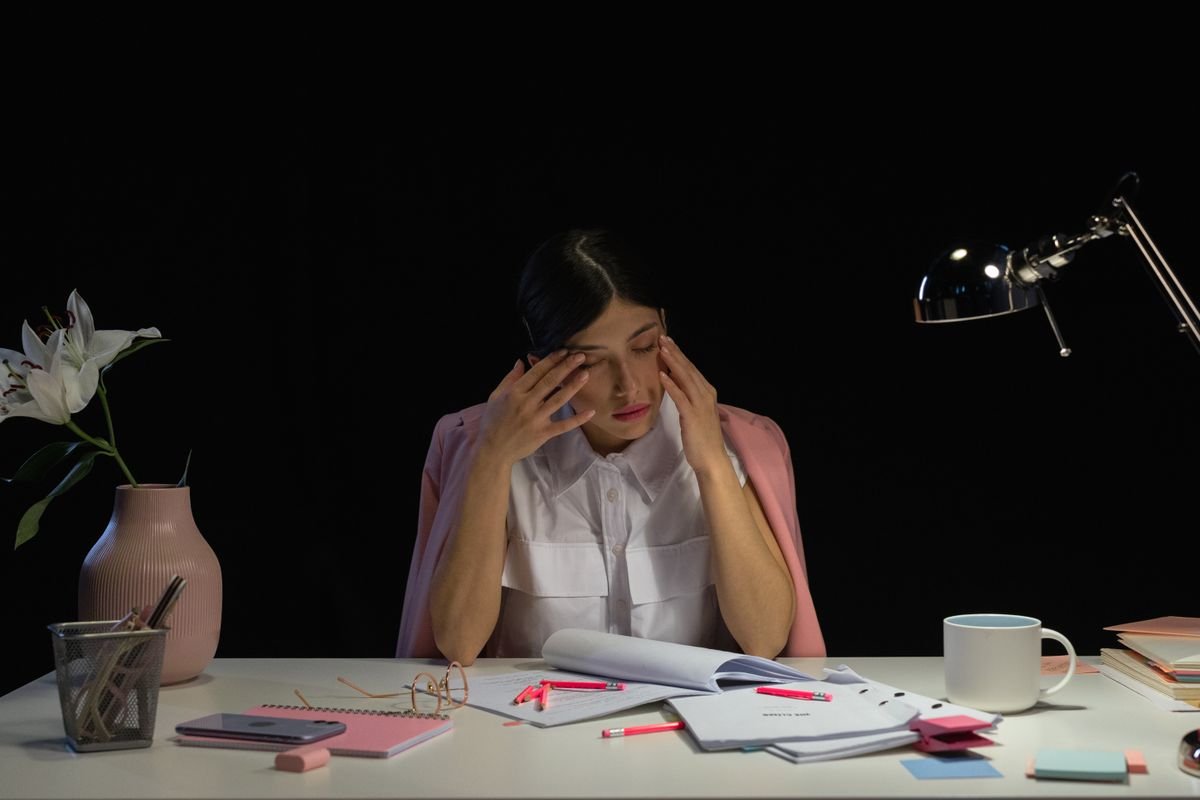
Prolonged sitting means sitting for long stretches without standing up or moving. Health researchers usually call sitting sedentary behaviour when you are awake, sitting or reclining, and using very little energy.
Sitting for 30 minutes is normal. Sitting for 60 to 90 minutes without a break is where problems start to build. Sitting for more than 8 hours a day, day after day, is where the health hazards of prolonged sitting become much clearer in large studies.
It is possible to be both active and sedentary. A 30-minute morning workout does not fully cancel out 9 hours of sitting. That is why doctors now talk about two separate goals: exercise more, and sit less.
10 Health Hazards of Prolonged Sitting
1. Heart Disease
One of the most serious health hazards of prolonged sitting is its effect on the heart. Mayo Clinic reports that sitting for more than 6 to 8 hours a day is associated with a 125% to 150% increase in the risk of cardiovascular events. Sitting slows blood flow, raises blood pressure, and can raise cholesterol levels over time. Walking breaks help because movement keeps blood flowing and supports healthy blood pressure.
2. Type 2 Diabetes
When you sit for hours, your large leg muscles relax and take up very little glucose from the blood. Blood sugar stays higher after meals, and the body uses insulin less effectively. Studies combining many research results link prolonged sitting of more than 8 hours a day with more than double the risk of developing type 2 diabetes. Short walks after meals are one of the simplest ways to reduce this risk.
3. Back Pain
Back pain is the most common complaint linked to the health hazards of prolonged sitting. Sitting increases pressure on the discs in the lower back compared with standing or walking. Slouching forward makes it worse. Over time, sitting also weakens the core and glute muscles that support the spine, while the hip flexors become tight. The result is stiffness, lower back pain, and poor posture.
4. Neck and Shoulder Pain
Long hours at a laptop often mean the head moves forward and the shoulders round. This posture strains the neck and upper back, tightens the chest muscles, and can cause headaches. If you work at a desk, keep the screen at eye level, keep your shoulders relaxed, and stand up to stretch your neck every 30 minutes.

5. Weight Gain and Obesity
Sitting burns very few calories. When sitting replaces walking, standing, and other light movement all day, the daily calorie gap adds up. That is one reason the health hazards of prolonged sitting include weight gain and obesity, especially when combined with snacking at the desk. You do not need a hard workout to help – standing, walking to get water, and taking the stairs all count.
6. Poor Circulation and Blood Clots
Blood can pool in the legs when you sit still for a long time. This can cause swollen ankles, varicose veins, and tired legs. In rare cases, long uninterrupted sitting – for example on a long flight or during illness – increases the risk of deep vein thrombosis, a blood clot in the leg. Moving your legs, flexing your ankles, and standing up regularly help circulation.
7. Weak Muscles and Tight Hips
The health hazards of prolonged sitting also affect muscles and joints. Tight hip flexors and hamstrings can change how you walk, stiffen your joints, and make you more likely to feel unsteady. Weak glutes and a weak core add to back and knee problems. Gentle stretching and strength work help. For simple routines, see our guide to somatic exercises for stress relief, which includes slow, gentle movements that are easy to do at home.
8. Poor Sleep
People who sit all day often sleep worse at night, even though they feel tired. Low daytime movement, less daylight, and more screen time can disturb the body clock. Poor sleep then makes the next day harder, with less energy and more sitting. Breaking up sitting during the day and getting daylight in the morning can improve sleep. Read our guide on how to sleep better at night naturally for a full routine.
9. Low Mood, Brain Fog, and Poor Focus
Prolonged sitting is linked to low mood, anxiety, and slower thinking. Mayo Clinic notes that prolonged sitting can affect cognitive performance, processing speed, memory, and attention span. Movement increases blood flow to the brain and helps mood. If you often feel foggy at 3 pm, a 5-minute walk is often more effective than another cup of coffee. Stress also plays a role – our guide on how to lower cortisol naturally explains simple daily habits that help.
10. Higher Risk of Early Death
Large studies following more than a million adults found that sitting for 8 or more hours a day was linked to a higher risk of dying early, especially when combined with little physical activity. The risk was lower in people who met activity guidelines, and much lower in very active people. This does not mean sitting alone causes death, but it shows why the health hazards of prolonged sitting should not be ignored.
How Much Sitting Is Too Much?
- Under 4 hours a day: lowest risk in most studies.
- 4 to 6 hours a day: mild risk increase.
- 6 to 8 hours a day: risk starts to rise more clearly.
- More than 8 hours a day: higher risk, unless you are very active.
- 60 to 90 minutes without a break: the point where blood sugar, blood pressure, and blood flow start to suffer in studies.
The key is not only the total hours, but also how long each sitting spell lasts. Eight hours broken up with movement every 30 minutes is very different from eight hours sitting without a break.
Warning Signs You Sit Too Much
- Lower back, neck, or shoulder pain by the end of the day
- Tight hips or stiff knees when you stand up
- Swollen feet or ankles in the evening
- Low energy even though you sat all day
- Weight gain without a change in food
- Trouble falling asleep or staying asleep
- Difficulty concentrating in the afternoon
- Feeling tired all the time – if this is regular, also read why am I always tired
If you have chest pain, breathlessness, leg swelling in one leg, or severe back pain, see a doctor promptly. This article is for general information only and is not medical advice.
How to Reduce the Health Hazards of Prolonged Sitting
Follow the 30-Minute Rule
Stand up and move for 1 to 2 minutes every 30 minutes. Walk to get water, stretch, or walk around the room. A 5-minute walk every 30 minutes lowered blood sugar spikes by 58% after meals in a Columbia University study.
Make Movement Easy
- Take phone calls standing up or walking.
- Use the stairs instead of the lift when you can.
- Park a little further away or get off the bus one stop early.
- Keep a water bottle at your desk, so you have to get up to refill it.
- Set a quiet reminder on your phone every 30 to 60 minutes.
Try a Sit-Stand Routine
A standing desk can help, but standing all day is not the answer either. Alternate sitting and standing, and add real movement – walking and stretching – rather than just standing still. Good posture matters in both positions.
Add Light Activity After Meals
A 10-minute walk after lunch or dinner helps blood sugar and digestion. It is one of the easiest habits to build, and it does not need gym clothes or extra time.
Move More on Purpose
Aim for 150 to 300 minutes of moderate activity per week, as the World Health Organization recommends, plus muscle-strengthening activity twice a week. Zone 2 training – slow, steady cardio you can do while talking – is a good starting point for beginners.
A Simple Daily Plan to Sit Less
- Morning: walk for 10 minutes after breakfast, stretch your hips and neck.
- Work: stand and move for 2 minutes every 30 minutes; take a 10-minute walk at lunch.
- Afternoon: take calls standing; do a short stretch break at 3 pm.
- Evening: walk after dinner; avoid sitting for more than an hour in front of the TV without a break.
- Night: keep screens away an hour before bed and keep a regular sleep time.
Small changes add up. You do not need to fix everything in one day – start with one break every hour, then move to every 30 minutes.
FAQs – Health Hazards of Prolonged Sitting
Is sitting for 8 hours a day bad for you?
Yes, sitting for 8 or more hours a day is linked to a higher risk of heart disease, type 2 diabetes, and early death in large studies, especially if you rarely move during the day. Breaking up sitting every 30 minutes and meeting weekly activity guidelines lowers that risk.
Can exercise cancel out the health hazards of prolonged sitting?
Exercise helps a lot, but it does not fully cancel out long uninterrupted sitting. Very active people have lower risk, but even they benefit from standing and walking breaks during the day.
How often should I get up from sitting?
Get up every 30 minutes for at least 1 to 2 minutes of movement. One hour is the outside limit for a single sitting spell.
Does prolonged sitting cause back pain?
Yes. Prolonged sitting increases pressure on spinal discs, tightens hip flexors, and weakens the core and glutes, which can lead to lower back pain, neck pain, and poor posture.
Is standing all day better than sitting all day?
No. Prolonged standing can also cause fatigue, joint strain, and back pain. The best approach is to alternate sitting, standing, and walking.
Conclusion
The health hazards of prolonged sitting are real, but they are also preventable. You do not need a new desk, a gym membership, or a perfect routine to start. Stand up every 30 minutes, walk after meals, stretch your neck and hips, and build light movement into your normal day. Your back, heart, blood sugar, sleep, and mood will all benefit – and the habit is much easier to keep than a hard workout plan.
Start today: set one reminder, take one short walk, and notice how much better you feel by the evening.
Disclaimer: This article is for general health information only and is not a substitute for medical advice. If you have a medical condition, talk to your doctor before changing your activity routine.