
Every parent knows that feeling. Your child catches one cold, gets better for a week, and then picks up another cough from school. If you have been searching for immunity booster foods for kids Indian kitchens already have, you are in the right place. You do not need fancy imported berries or pricey powders. The foods that help children stay strong are the ones our grandmothers served every day — dal, curd, seasonal fruit, green vegetables, nuts, and a little ghee.
What “immunity” really means — and how immunity booster foods for kids Indian kitchens help
A child’s immune system learns by meeting germs. That is normal. A child in nursery or primary school may catch 6 to 8 colds a year, and that alone is not a sign of weak immunity.
15 immunity booster foods for kids Indian parents trust every day
Here are the foods that give you the best value for money in an Indian kitchen. You do not need all 15 every day. Pick 5 or 6 across the day, and rotate the rest through the week.
1. Curd and buttermilk
Curd is one of the easiest immunity booster foods for kids Indian homes can offer daily. It gives protein, calcium, and live cultures that support gut health. A small bowl (about 100 g) with lunch is enough for most children.
2. Dal and legumes
Moong, masoor, toor, chana, and rajma give protein, iron, folate, and zinc. A child who eats dal twice a day usually meets a good share of their protein needs.
3. Eggs
One egg a day gives high-quality protein, vitamin D, vitamin B12, and selenium. If your family is vegetarian, paneer, soya chunks, and milk can fill the same gap.
4. Amla
One small amla has far more vitamin C than an orange. That vitamin C helps the body absorb iron from dal and green vegetables, and it supports normal immune function.
5. Seasonal fruits — guava, orange, papaya, banana
Guava is cheap, widely available in India, and rich in vitamin C. Oranges and sweet lime (mosambi) work the same way. Papaya gives vitamin A and fibre, and banana gives quick energy and potassium for active children. Serve one whole fruit a day rather than juice.
6. Green leafy vegetables — palak, methi, sarso
Palak, methi, and bathua give iron, folate, and vitamin A. Children often push them aside, so hide them smartly. Mix finely chopped palak into dal, stuff methi into parathas, or blend a small handful of spinach into a green chutney.
7. Carrots, beetroot, and pumpkin
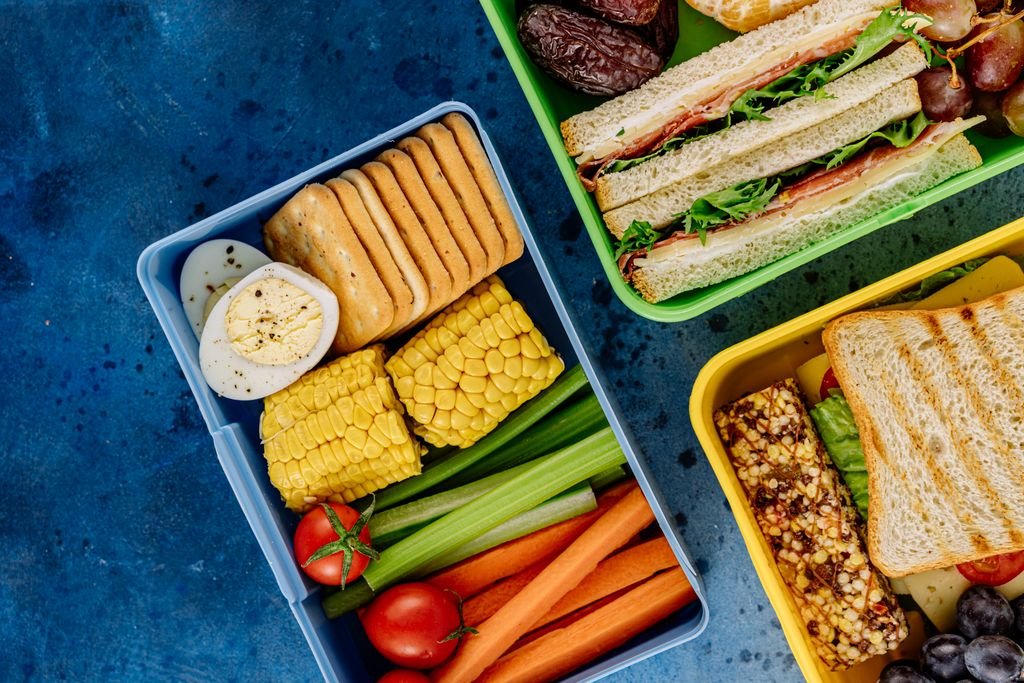
These orange and red vegetables are rich in beta-carotene, which the body turns into vitamin A. Vitamin A keeps the skin, eyes, and the lining of the nose and gut healthy — the body’s first wall against germs. Carrot sticks with curd dip, beetroot paratha, and pumpkin sabzi are all child-friendly.
8. Turmeric milk (haldi doodh)
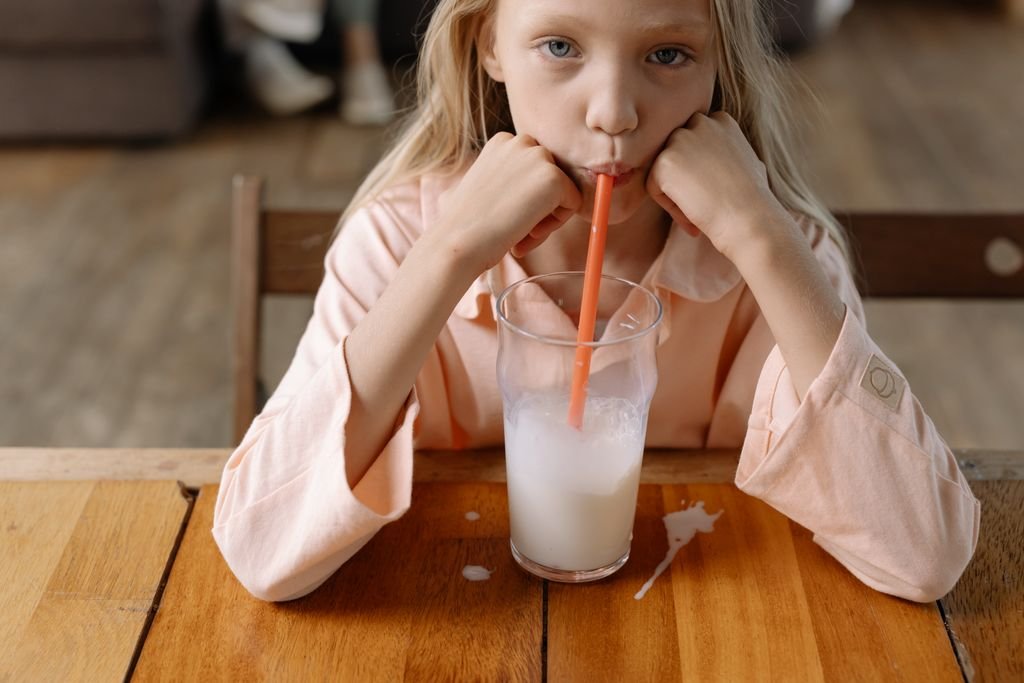
A pinch of turmeric in warm milk is a classic Indian home remedy. Turmeric contains curcumin, and milk gives protein and calcium. Half a teaspoon of turmeric in a glass of warm milk, once a day in winter or when a cold is starting, is enough. Do not overdo the turmeric; more is not better. Adults in the family often drink a stronger spiced kadha in winter — our Immunity Kadha Recipe: Ingredients, How to Make & When to Drink (Round 2 article) explains it — but children should only have the milder version without giloy.
9. Nuts and seeds — almonds, walnuts, peanuts, pumpkin seeds
Soaked almonds (4 to 5), a small handful of peanuts, and a spoon of pumpkin or sesame seeds give healthy fats, vitamin E, and zinc. For children under 4, always serve nuts as a powder or smooth paste, never whole, because whole nuts can cause choking.
10. Garlic, ginger, and tulsi
A little garlic in tadka, ginger in kadha or tea, and tulsi leaves in warm water are part of everyday Indian cooking for a reason. They add flavour and plant compounds that support general health.
11. Ragi and millets
Ragi gives calcium and iron, and it keeps children full till lunch. Ragi porridge for breakfast, ragi dosa, or ragi laddoo with jaggery and ghee are all good options.
12. Paneer and milk
Milk gives protein, calcium, and vitamin B12. Paneer gives the same in a more filling form. A glass of milk in the morning, a small paneer bhurji, or paneer cubes in a lunchbox all work.
13. Sweet potato and seasonal vegetables
Sweet potato gives vitamin A, fibre, and gentle sweetness that children like. Peas, beans, and cauliflower add variety and fibre to the plate. The rule is simple: the more colours on the plate, the wider the range of nutrients.
14. Honey (for children above 1 year)
Honey is not a medicine, but a teaspoon of honey in warm water or milk can soothe a sore throat and make herbal drinks easier to swallow. Never give honey to a baby under 1 year old.
15. Water and homemade soups
Water is the most overlooked immunity food. A child who drinks enough water has healthier skin and mucous membranes, which are the first barrier against germs. Keep a water bottle in the school bag and remind younger children to sip through the day.
A simple daily diet chart with immunity booster foods for kids Indian families can follow
This is a sample plan, not a prescription. Adjust portions to your child’s age and appetite. A 4-year-old eats far less than a 10-year-old, and that is fine.
| Meal | What to serve | Why it helps |
|---|---|---|
| Early morning | Warm water, 4-5 soaked almonds (powdered for small kids) | Gentle start, healthy fats, vitamin E |
| Breakfast | Paratha with paneer or egg, or ragi porridge with banana; a glass of milk | Protein, calcium, slow energy |
| Mid-morning | One fruit — guava, orange, or papaya | Vitamin C, fibre |
| Lunch | Rice or roti, dal, one green or orange vegetable, curd, salad | Protein, iron, zinc, probiotics |
| Evening snack | Sprouted moong chaat, peanut chikki, or vegetable soup | Protein, fibre, fluids |
| Dinner | Khichdi or roti with dal and vegetables, warm milk with a pinch of turmeric | Easy to digest, good sleep |
When immunity booster foods for kids Indian diets are not enough: signs to see a doctor
Food supports immunity, but it cannot fix every problem. See your paediatrician if your child has more than 8 ear infections in a year, two or more serious sinus infections or pneumonias in a year, slow growth, constant tiredness, or infections that do not heal. These can sometimes point to a deeper issue that needs testing, not a new supplement. Giloy is one herb parents often ask about, but it is an adult herb, not a children’s remedy — see Giloy Benefits for Immunity: How to Use, Kadha Recipe & Side Effects (Round 2 article) for who should avoid it.
For a reliable overview of how a healthy diet supports children’s growth, MedlinePlus explains the basics of child nutrition, including protein, whole grains, and limiting junk food.
Zinc is one mineral that often comes up in immunity talks. If you want to understand which foods give zinc and how much is too much, read our guide on Zinc for Immunity: Foods, Benefits and How Much Is Too Much.
Frequently Asked Questions
Which immunity booster foods for kids Indian parents should serve every day?
Curd, dal, one seasonal fruit, one green or orange vegetable, and milk or paneer cover the basics every day. Add eggs or nuts if your family eats them.
Can immunity booster foods for kids Indian diets stop my child from catching colds?
No food can stop every cold. Good food helps your child recover faster and fall ill less often, but colds are a normal part of childhood, especially in school.
Is haldi doodh one of the immunity booster foods for kids Indian parents can serve every day?
A small pinch of turmeric (about a quarter to half a teaspoon) in warm milk once a day is fine for most children above 2 years. Use less for younger children and stop if it upsets the stomach. If your child has any liver or gallbladder issue, ask your doctor first.
What is the best immunity drink for kids in India?
Plain water is the best daily drink. Buttermilk, milk, and homemade soups are good too. Amla juice mixed with water and a little honey, or a mild tulsi drink in winter, can be offered occasionally to older children. Avoid packaged immunity drinks that are mostly sugar.
My child is a picky eater. How do I add these foods?
Start small. Mix palak into dal, add grated carrot to parathas, offer fruit as a fun chaat, and let your child help wash vegetables or roll a roti. Children eat more of what they helped make. Do not force-feed — pressure at the table usually makes picky eating worse.
This article is for general information only and is not a substitute for medical advice. Please consult a qualified doctor for personal advice.