
Giloy became a household name during COVID-19, when almost every Indian home seemed to have a bottle of giloy juice or a bunch of fresh stems in the kitchen. If you are still asking about giloy benefits for immunity how to use it the right way, this guide gives you a clear, honest answer. Giloy, also called guduchi or amrita in Ayurveda, is a climbing plant whose stem is used most often. Traditional texts praise it for supporting immunity, digestion, and recovery from fever. Modern research is still catching up, and that gap matters — so this article covers what is known, what is not proven, and how to use giloy without taking needless risks.
A quick word of caution before we start: giloy is a strong herb, not a daily health drink for everyone. It can lower blood sugar, it can stir up the immune system, and there have been reports of liver injury in people who took it in high doses for a long time without medical guidance. Used in small amounts, for short periods, and with the right person in mind, it is far safer. Used blindly, it can cause real harm. Read the “who should avoid it” section before you buy a bottle.
What is giloy?
Giloy (Tinospora cordifolia) is a large climbing shrub found across India. Its heart-shaped leaves and long, fleshy stems are easy to spot once you know them. In Ayurveda, it is called a rasayana — a herb believed to support strength and long life. The stem is the part used most in juices, kadha, powders, and tablets. Leaves and roots are used less often.
In laboratory and animal studies, compounds in giloy appear to influence immune cells — an effect researchers call immunomodulatory, meaning it can change how the immune system behaves rather than simply switching it up. A 2024 review in the journal Heliyon summarises this research: Tinospora cordifolia (Giloy): An insight on the multifarious pharmacological paradigms of a most promising medicinal ayurvedic herb.
That word — immunomodulatory — is worth pausing on. A healthy immune system is balanced, not switched to maximum all the time. A herb that pushes the immune system harder can help in some situations and cause trouble in others, especially for people whose immune system already attacks their own body. Keep that idea in mind through the rest of this article.
Giloy benefits for immunity how to use it: what research actually says
Let us separate tradition, early research, and proven fact.
Support for normal immune function. The strongest thread in the research is that giloy extracts can activate certain immune cells in lab and animal studies. The results were promising but the studies were small, short, and not enough to call giloy a proven treatment for any illness.
Help during recovery from fever. In Ayurvedic practice, giloy kadha is a classic home remedy during and after fever, including viral fever and dengue. People report feeling less tired and recovering appetite faster. Dengue can turn serious quickly, and no herb changes that.
The honest summary: giloy is a promising herb with a long history of use and interesting early research, but it is not a proven immunity medicine. Think of it as a short-term traditional support, not a daily shield.
Giloy benefits for immunity how to use: juice, kadha, powder, and tablets
There are four common forms. Pick one, not all four at once.
1. Fresh giloy juice: giloy benefits for immunity how to use it
This is the form most people buy. The usual general guidance for adults is 15 to 30 ml (about 1 to 2 tablespoons) of giloy juice, mixed with an equal amount of water, once a day, on an empty stomach in the morning. Take it for 2 to 4 weeks at a stretch, then take a break of at least 2 weeks. Do not drink it for months without a break, and do not double the amount hoping for a faster result.
Avoid loose, unlabelled juice sold in markets — there have been cases where the wrong plant, Tinospora crispa, was sold as giloy, and that species is linked to liver harm. You can mix it with a little amla juice or honey to make it easier to drink.
2. Giloy kadha (decoction): giloy benefits for immunity how to use it
Kadha is the traditional home method, and it is the one most Indian families know best. Here is a simple recipe for 2 cups:
- Take a 4 to 6 inch piece of fresh giloy stem (about 10 to 12 g). Wash it well and cut it into small pieces. Lightly crush it.
- Add it to 2 cups of water in a steel pan, with 3 to 4 tulsi leaves, a small piece of ginger, and 2 to 3 black peppercorns.
- Boil on a low flame until the water reduces to about 1 cup. This takes 10 to 12 minutes.
- Strain it, let it cool to a drinkable temperature, and add half a teaspoon of honey if you like.
Drink half a cup in the morning and half in the evening, or one small cup once a day, for up to 2 weeks when you are recovering from a cold or feeling run down. For the full step-by-step version with three variations, see our Immunity Kadha Recipe: Ingredients, How to Make & When to Drink. For more on tulsi, which pairs well with giloy in kadha, see our guide on Tulsi (Holy Basil): Benefits, Tea Recipe and Everyday Uses in Ayurveda.
3. Giloy powder (churna): giloy benefits for immunity how to use it
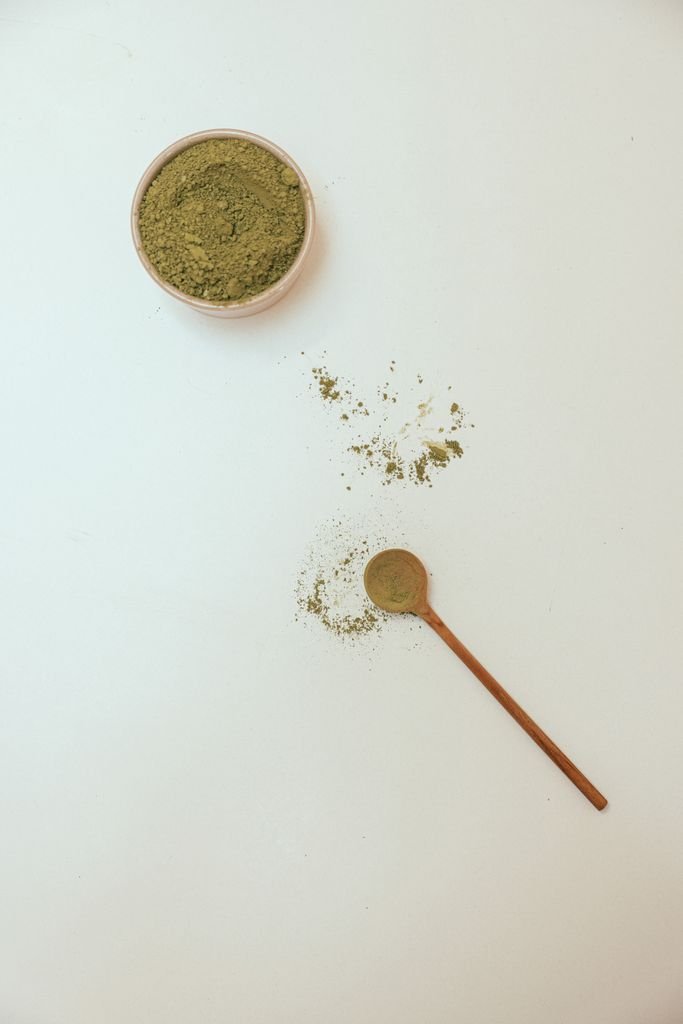
Giloy stem powder is sold in most Ayurvedic shops for ₹80 to ₹150 for 100 g. The common general guidance is half a teaspoon (about 2 to 3 g) mixed with warm water or honey, once a day.
4. Giloy tablets and capsules: giloy benefits for immunity how to use them
Tablets usually contain 500 mg of giloy extract. The label will suggest 1 tablet once or twice a day. That is how people end up taking far more than they planned.

Who should NOT take giloy?
This section matters more than the benefits list. Do not take giloy without asking your doctor if any of these apply to you:
- You are pregnant or breastfeeding. There is not enough safety data for giloy in pregnancy, and traditional sources advise against it.
- You have an autoimmune condition. Giloy stimulates the immune system. For people with rheumatoid arthritis, lupus, multiple sclerosis, or similar conditions, that stimulation can make symptoms worse.
- You take diabetes medicine. Giloy can lower blood sugar. Combined with tablets or insulin, it may cause low sugar — shakiness, sweating, confusion, or fainting. Check your sugar more often if a doctor allows giloy, and tell your doctor you are taking it.
- You take blood pressure medicine or blood thinners. Giloy may interact with these medicines. Ask your doctor first.
- You have liver disease, or you drink alcohol regularly. There have been published reports linking long-term, high-dose giloy use to liver injury, including autoimmune-like hepatitis. If you notice dark urine, yellowing of the eyes, persistent nausea, or pain on the right side of the belly after starting giloy, stop it and see a doctor quickly.
Giloy benefits for immunity how to use: side effects to watch for
The more serious concern is liver injury, which is rare but documented. In a set of published case reports, people who took giloy daily for weeks or months developed raised liver enzymes and symptoms that looked like autoimmune hepatitis. The lesson is not that giloy is poison — it is that dose and duration matter, and that “natural” does not mean “safe in any amount.”
Frequently Asked Questions
What are giloy benefits for immunity how to use it for a cold?
Giloy is traditionally used as a kadha or juice during and after a cold or fever, for up to 2 weeks. Boil a small piece of fresh giloy stem with tulsi and ginger, reduce to one cup, and drink half a cup twice a day.
Can I drink giloy juice every day?
For most healthy adults, giloy juice at 15 to 30 ml a day for 2 to 4 weeks, followed by a break, is the common general guidance. Daily use for months without a break is not advised, because of the risk of liver strain and low blood sugar. Ask your doctor if you take regular medicine.
Is giloy safe in pregnancy?
There is not enough safety data, and giloy is best avoided in pregnancy and while breastfeeding unless a qualified doctor advises it. The same applies to children under 12.
Does giloy increase platelet count in dengue?
Some small studies and traditional reports suggest giloy may support platelet counts in dengue, but it is not a treatment for dengue. Dengue needs medical monitoring, fluids, and regular blood tests. Never delay hospital care to try giloy at home.
Can giloy damage the liver?
In rare cases, long-term or high-dose giloy use has been linked to liver injury in published case reports. The risk is higher with unbranded products, the wrong plant species, or months of daily use. Stop giloy and see a doctor if you notice yellowing of the eyes, dark urine, or persistent nausea.
This article is for general information only and is not a substitute for medical advice. Please consult a qualified doctor for personal advice.