
If you are looking for a PCOS diet plan Indian women can actually follow, start with one honest fact: food can support PCOS, but it does not cure it. Polycystic ovary syndrome is a hormonal condition, and its management usually involves a doctor, lifestyle changes, and sometimes medicines. Diet is one of the most useful lifestyle tools you have, because what and how you eat affects blood sugar, weight, energy, and how full you feel after meals. It is not a punishment, and it is not a short detox. It is a way of eating you can keep for years, built from foods you already know.
Many Indian women with PCOS hear conflicting advice: cut out all carbs, avoid dairy completely, eat only salads, or follow a strict diet found online. That advice is hard to follow, and it often fails because it ignores how Indian families actually eat. A useful PCOS diet plan Indian kitchens can support looks different. It keeps roti, dal, sabzi, rice, and curd, but changes the proportions, the order, and the quality of the ingredients. Small, steady changes matter more than a perfect week followed by giving up.
What PCOS Does to Blood Sugar and Hunger
PCOS is often linked with insulin resistance, which means the body needs more insulin to keep blood sugar steady. Insulin is the hormone that helps move sugar from food into cells. When it does not work as efficiently, blood sugar can rise more after a meal, hunger can return sooner, and the body may store more fat around the waist. This does not happen to every woman with PCOS, and it does not mean you caused it by eating the wrong foods. It does mean that meals which release sugar slowly tend to work better than meals built mainly on refined starch and sugar.
That is why the same meal can feel very different depending on how it is put together. A plate of white rice with a small amount of sabzi will usually leave you hungry again within an hour or two. The same rice in a smaller portion, with a generous bowl of dal, vegetables, and salad, will usually keep you full for longer. The ingredients are familiar. The balance is different.
The PCOS Diet Plan Indian Plate: A Simple Formula
Think of your plate in three parts, rather than counting every calorie:
Half the plate: vegetables and salad.
Sabzi, leafy greens, cucumber, tomato, carrot, beans, bhindi, lauki, and cabbage all count. Vegetables add fibre and volume without adding much energy, and they slow down how quickly a meal is digested.
A quarter of the plate: protein.
Dal, rajma, chole, moong, soy, paneer, curd, eggs, or fish if you eat it. Protein is often the missing piece in Indian meals, and it is the part that helps you feel full and supports muscle.
A quarter of the plate: whole grains or starchy food.
Whole-wheat roti, jowar or bajra roti, brown rice, or millets. This is not about removing roti or rice. It is about giving them a smaller share of the plate and choosing the whole-grain version more often.
Add a small amount of healthy fat — a teaspoon or two of oil, ghee in moderation, peanuts, sesame, or a few nuts — and you have a complete meal. This plate works for lunch and dinner, and the same idea can be adapted for breakfast.
Meal Order Matters: Vegetables and Protein Before Starch
One of the simplest habits in a PCOS diet plan Indian women can try is changing the order in which you eat. Start with salad and vegetables, then eat your dal or protein, and eat the roti or rice last. This is sometimes called meal order or food order, and the idea is straightforward: fibre and protein slow down digestion, so the starch that follows is absorbed more gradually.
You do not need to eat your meal in separate courses or make it awkward at a family table. Just take the salad first, have a few spoonfuls of dal and sabzi, and then start on the roti. Many women find this helps with the sleepy, heavy feeling after lunch, and with the urge to snack an hour later. It costs nothing, it needs no special food, and it works with a normal Indian thali.
What to Eat More Often
Millets and whole grains over maida
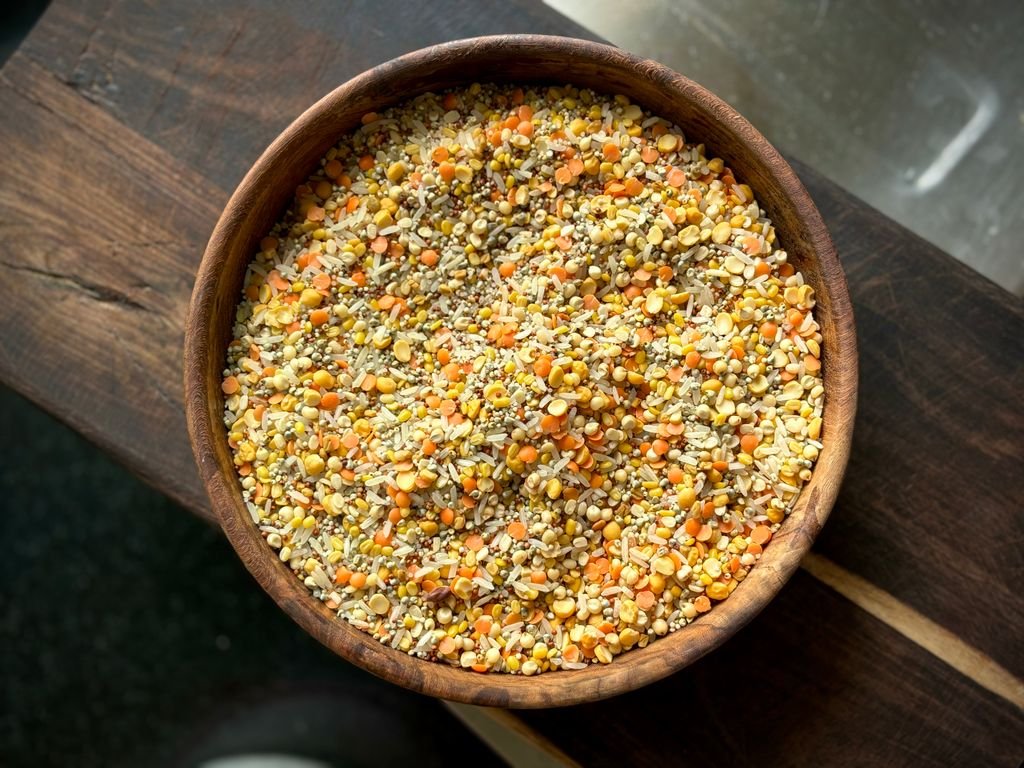
Ragi, jowar, bajra, and foxtail millet have more fibre than white rice and maida, and they release energy more slowly. A jowar roti, a bowl of ragi porridge, or bajra khichdi can replace white bread, maida parathas, and large portions of white rice on most days. If millets feel heavy at first, mix them: half wheat and half jowar for rotis, or half rice and half millet in khichdi, and increase the share over a few weeks.
Dal, sprouts, and eggs at breakfast
Breakfast is where many Indian diets are weakest on protein. Poha, upma, and bread with jam are mostly carbohydrate, so hunger returns quickly. Adding protein at breakfast makes a real difference. Try moong dal chilla with vegetables, besan chilla, sprouts chaat, curd with seeds, paneer bhurji, or eggs if you eat them. Even adding a bowl of dal or a boiled egg alongside poha helps. Aim for a protein food at breakfast every day, not just on good days.
Vegetables, leafy greens, and salad every day
Keep a simple salad — cucumber, tomato, onion, carrot, and lemon — with lunch and dinner. Add leafy greens such as palak, methi, and amaranth to dal and sabzi a few times a week. Frozen peas, beans, and carrots are fine when fresh vegetables are expensive or out of season. The goal is volume and variety, not a perfect list.
Healthy fats in small amounts
Groundnuts, sesame seeds, flaxseeds, pumpkin seeds, walnuts, and almonds add healthy fats and help with fullness. A tablespoon of seeds in curd or porridge, or a small handful of roasted chana and peanuts as a snack, is enough. Use cooking oil in measured amounts rather than pouring freely, and keep fried snacks for occasional eating rather than daily.
Curd, buttermilk, and fermented foods
Curd, chaas, idli, and dosa are familiar fermented foods that support gut health and add protein. Plain curd with lunch is a simple, useful habit. Choose plain curd over sweetened flavoured curd, which adds sugar without adding nutrition.
What to Limit, Not Ban
A sustainable plan limits some foods without turning them into forbidden items. Total bans usually lead to cravings and overeating later.
Maida and white bread:
Maida parathas, white bread, biscuits, and bakery items are low in fibre and raise blood sugar quickly. Keep them occasional.
Sugary drinks and sweets:
Colas, packaged juices, sweetened tea and coffee, mithai, and desserts add sugar without fullness. Sweetened tea is a common hidden source — reducing sugar in chai by half, or drinking it after food rather than on an empty stomach, helps many women.
Large portions of white rice:
Rice itself is not the enemy, but a large mound of white rice with little dal or sabzi is a fast-digesting meal. Use a smaller portion and fill the rest of the plate with dal and vegetables.
Fried snacks and packaged namkeen:
Samosas, pakoras, chips, and instant noodles are high in salt, oil, and refined starch. They are fine as an occasional treat, but not as a daily evening snack.
Skipping meals:
Long gaps, especially skipping breakfast, often lead to intense hunger and overeating later. Regular meals — three main meals and one planned snack if needed — usually work better than irregular eating.
A Sample Day: A Full PCOS Diet Plan Indian Meals
Here is a sample day using ordinary Indian foods. Portions are a guide, not a prescription; your needs depend on your body size, activity, and your doctor’s advice.
| Meal | What to eat | Why it works |
|---|---|---|
| Early morning | Warm water; a few soaked almonds or walnuts (optional) | Gentle start, no sugar spike |
| Breakfast | Moong dal chilla with vegetables and green chutney, plus a bowl of curd; or vegetable poha with peanuts | Protein and fibre first thing |
| Mid-morning | A guava, pear, or apple; or a small bowl of sprouts chaat | Fibre and fullness, no biscuit crash |
| Lunch | Salad first, then 1–2 jowar or whole-wheat rotis, 1 bowl dal, 1 bowl sabzi, and curd | Vegetables and protein before starch |
| Evening snack | Roasted chana and peanuts, or makhana; unsweetened chai | Protein and fibre, keeps evening hunger steady |
| Dinner | 1 bowl moong dal khichdi with millets, plus a vegetable; or 1 roti, dal, and a large sabzi | Lighter, earlier dinner helps sleep |
| After dinner | A 10–15 minute walk | Helps blood sugar after the meal |
Eat dinner two to three hours before bed where possible. A late, heavy dinner often makes sleep worse and morning hunger stronger.

Inositol and Spearmint: What the Evidence Actually Says
Two supplements and drinks come up often in PCOS conversations: inositol and spearmint tea. Both deserve an honest summary.
Inositol is a substance found in foods and sold as a supplement, and some small studies have looked at whether it helps with insulin and cycle regularity in PCOS. The evidence is limited and mixed, and it is not a replacement for medical treatment. Spearmint tea has been studied in small trials for unwanted facial hair, with modest results, but again the evidence is limited and it is not a proven treatment.
Neither should be started on the basis of social media posts. If you are considering inositol, spearmint, or any supplement, discuss it with your doctor first, especially if you take other medicines, are trying to conceive, or are pregnant. A doctor can weigh the limited evidence against your own situation and check whether it is safe for you.
Frequently Asked Questions
Can a PCOS diet plan Indian food cure PCOS?
No. Diet supports PCOS by helping blood sugar, weight, and energy, but it does not cure the condition. PCOS is a hormonal condition that usually needs a doctor’s guidance, and sometimes medicines, alongside lifestyle changes.
Should I stop eating roti or rice if I have PCOS?
No. You do not need to stop eating roti or rice. Choose whole-wheat or millet rotis more often, keep the portion to about a quarter of the plate, and eat vegetables and dal first. That balance matters more than removing a staple food.
Is spearmint tea or inositol safe for PCOS?
The evidence for both is limited, and neither is a proven treatment. Do not start a supplement based on online advice alone. Discuss inositol, spearmint, or any supplement with your doctor first, especially if you take other medicines or are trying to conceive.
The Bottom Line
A PCOS diet plan Indian women can keep is not a strict diet. It is a familiar thali, rearranged: vegetables and salad first, dal or another protein at every meal, millets and whole grains instead of maida, and a short 10–15 minute walk after lunch and dinner, which helps the body use the sugar from the meal. Add protein at breakfast, limit sugary drinks and fried snacks, and give the changes time to work. Diet is a powerful support for PCOS — and it works best alongside a doctor’s care, not instead of it.
Disclaimer: This article is general information only and is not medical advice. It does not replace advice from a qualified doctor or dietitian. See a doctor for diagnosis or before starting a supplement or treatment, especially if you have PCOS, take regular medicines, or are trying to conceive.