
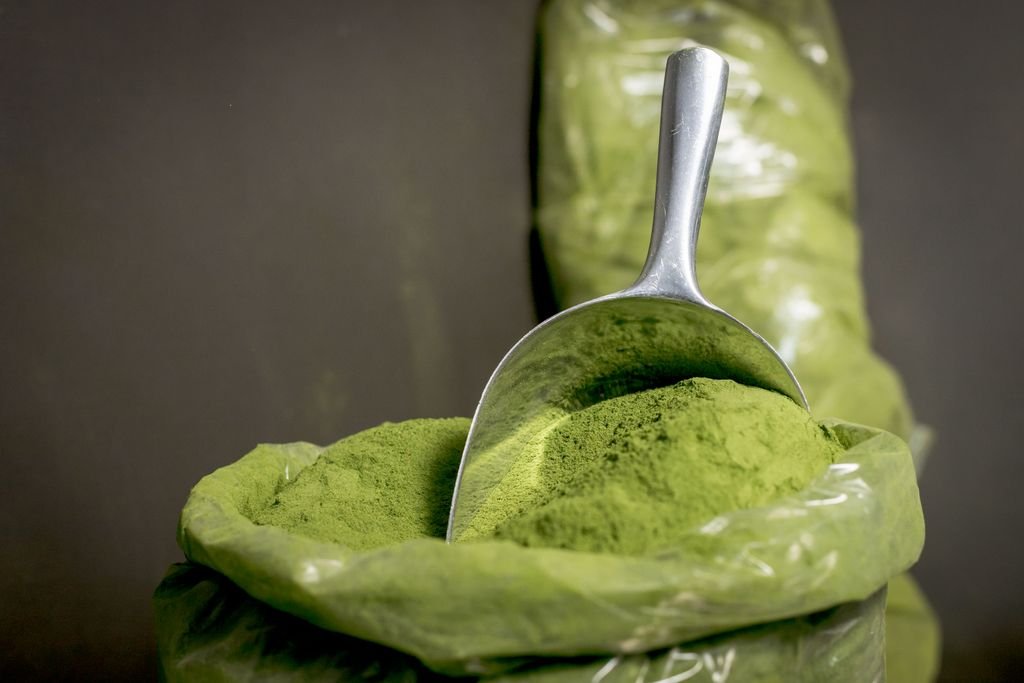
Moringa powder benefits how to use it — these two questions come up together so often because moringa is one of those foods that sounds almost too good. It is called the drumstick tree in India, and its leaves are eaten as a vegetable in South Indian cooking, in sambar and poriyal, where it is known as murungai keerai. Dried and powdered, those same leaves become a green powder people stir into smoothies, dal, and rotis. It is rich in iron, calcium, vitamin A, and protein, and has been studied for blood sugar, cholesterol, and immunity.
The honest picture is this: moringa leaf powder is a genuinely nutritious food, and a teaspoon a day is a sensible habit. It is not a medicine, and the huge claims on some packets — “300 diseases cured,” “complete nutrition in a spoon” — are marketing, not science. This article explains what moringa powder actually gives you, how to use it, how much to take, and who should be careful.
What Is Moringa Powder?
Moringa powder is made by shade-drying moringa leaves (from the tree Moringa oleifera) and grinding them into a fine green powder. Shade drying preserves more vitamins than drying in direct sun. The leaves are the same ones eaten fresh as a vegetable — the powder is simply a concentrated, storable form.
One important distinction: the leaves are food. The root and bark are not, and they carry more cautions. When you buy moringa powder, you want leaf powder, and the label should say so. Good powder is bright green and smells faintly like spinach. If it is dull brown or smells stale, it is old.
A 100-gram pack costs about 150 to 300 rupees online or in health stores, and at one teaspoon a day it lasts more than a month — one of the cheapest superfoods available.
A review in PubMed Central covers moringa’s nutritive importance and medicinal application.
Moringa Powder Benefits How to Use: What the Nutrition Shows
Per 100 grams, dried moringa leaf is dense: about 25 to 30 grams of protein, 19 grams of fibre, close to 2,000 mg of calcium, about 25 mg of iron, plus vitamin A, vitamin C, potassium, and magnesium. Those numbers are impressive, but a normal serving is one to two teaspoons (2 to 5 grams) — roughly 1 to 1.5 grams of protein, a useful bit of iron and calcium, and a good dose of antioxidants. It is a top-up, not a meal replacement.
1. Iron and energy
Moringa leaves are well known in Indian homes as an iron-rich green, and the data backs it up. For vegetarians, who often struggle to get enough iron, a daily spoon in dal or a smoothie adds a small but steady amount. Pair it with vitamin C — lemon, amla, or tomato in the same meal — and your body absorbs more of the iron. If you are often tired, iron is one of the first things to check, and our guide on how to increase haemoglobin fast with vegetarian Indian food covers the full picture.
2. Blood sugar support
This is the most studied benefit. A small human trial gave adults with prediabetes about 2.4 grams of moringa leaf powder a day for 12 weeks, and their fasting blood sugar and HbA1c improved. The evidence in people is still small, but it points in a helpful direction. If you have diabetes, moringa is a useful food to add — not a substitute for medicines. If you take diabetes medicine, check your sugar more often when you start.
3. Antioxidants and immunity
Moringa leaves contain polyphenols and other antioxidants that help the body deal with everyday oxidative stress — the same benefit you get from eating more green vegetables. A daily spoon adds more greens to a diet short on them.
Moringa Powder Benefits How to Use It Daily
The best way to use moringa powder is to add it to food you already eat. A teaspoon a day, every day, beats a tablespoon once a week. Here are the easiest ways.
In a smoothie or buttermilk: Blend one teaspoon into a banana smoothie, or stir it into buttermilk with a pinch of salt and jeera. The taste disappears behind fruit or curd.
In dal, sambar, or soup: Stir a teaspoon into dal or sambar after you switch off the stove. Adding it at the end keeps the green colour and protects the vitamin C.
In roti or dosa dough: Mix a teaspoon into the atta when you knead dough, or into dosa batter. The rotis turn lightly green and taste almost the same — the easiest way to give it to children and older adults without a fuss.
As moringa tea: Stir half a teaspoon into a cup of hot (not boiling) water with lemon and a little honey. Boiling water pulls out the bitterness and turns the taste harsh, so let the water cool slightly first.
Sprinkled on food: Sprinkle a little over poha, upma, salads, or curd rice. Start with half a teaspoon so the taste does not put you off.
What not to do: Do not cook it for a long time at high heat, do not take a large amount on an empty stomach when you are new to it, and do not mix it into very hot tea or coffee — the taste turns bitter.

Moringa Powder Benefits How to Use: How Much Per Day?
Start with half a teaspoon a day for the first week. If your stomach is fine, go up to one teaspoon. Most people settle at one to two teaspoons a day (2 to 5 grams). Studies have used up to 7 grams a day without problems, but more is not better with a food like this.
Best time: With breakfast or lunch, mixed into food. Morning is a good time because it becomes part of your routine. Avoid taking a large amount late at night.
How long: Moringa is a food, so there is no course to finish. A teaspoon a day for months is fine for most healthy adults. If you stop, you just lose the small nutritional top-up.
Moringa Powder Benefits How to Use: Who Should Avoid It?
Moringa leaf powder is safe for most healthy adults, but a few people should be careful.
- Pregnant women: Moringa root and bark are traditionally avoided in pregnancy, and concentrated leaf supplements should be cleared with a doctor first. Small amounts of cooked leaves as a vegetable are a different matter, but ask your doctor.
- Breastfeeding mothers: Ask your doctor — moringa is sometimes used traditionally to support milk, but the powder is a different dose.
- People on diabetes medicine: Moringa may lower blood sugar. Monitor your sugar when you start, and tell your doctor.
- People on blood pressure medicine: Moringa may lower blood pressure slightly. Same advice — monitor and tell your doctor.
- People on thyroid medicine: High doses can interfere with absorption. Leave a gap of at least two hours between your medicine and moringa.
- Anyone with a known allergy to moringa: Rare, but stop if you get a rash or itching.
Large amounts can cause loose stools or gas, especially in the first week — cut the dose in half, do not stop entirely.
Seeds are another easy way to add nutrition to a daily routine. If you prefer seeds to powders, our guide to chia seeds benefits for weight loss and how to eat them covers soaked chia in curd and smoothies, and our guide to flaxseed benefits for weight loss and how to eat it explains why ground flaxseed works better than whole.
Moringa Powder Benefits How to Use: The Bottom Line
Moringa powder benefits are real but modest: a daily teaspoon adds iron, calcium, vitamin A, and protein to a vegetarian diet, and it may help blood sugar a little. Stir it into food you already eat — dal, smoothies, roti dough, or buttermilk. Start with half a teaspoon, build up to one or two, and keep it up for weeks rather than days. If you are pregnant, breastfeeding, or on diabetes, blood pressure, or thyroid medicine, check with your doctor first.

Moringa Powder Benefits How to Use: Frequently Asked Questions
What are moringa powder benefits how to use it?
Moringa powder adds iron, calcium, vitamin A, and protein to your diet, and may help blood sugar. Use one teaspoon a day stirred into smoothies, dal, sambar, roti dough, or buttermilk, starting with half a teaspoon for the first week.
Moringa powder benefits how to use: how much should I take daily?
Start with half a teaspoon a day, then one or two teaspoons (2 to 5 grams). A small daily amount beats a large amount once in a while.
Can I take moringa powder benefits how to use every day?
Yes, for most healthy adults a daily teaspoon is safe for months — it is a food, not a medicine. If you are pregnant, breastfeeding, or on diabetes, blood pressure, or thyroid medicine, ask your doctor first.
Is moringa powder good for diabetes?
Small human studies suggest moringa leaf powder may help blood sugar and HbA1c in people with prediabetes. It is a useful food to add, but not a substitute for medicines or diet changes. Monitor your sugar when you start.
Does moringa powder help with hair fall?
Moringa contains iron, vitamin A, and amino acids that support hair health, so it can help if your diet is low in these nutrients. But it is not a hair growth treatment on its own — hair fall has many causes.
Disclaimer: This article is for general information only and is not medical advice. Moringa powder is a food, not a treatment for any disease. If you are pregnant, breastfeeding, or take medicines for diabetes, blood pressure, or thyroid, please consult your doctor before taking moringa powder regularly.