
Rosemary oil for hair growth is everywhere on social media — in scalp serums, hair oils and ‘before and after’ videos that promise thicker hair in weeks. The interest is understandable: hair fall is common in India, rosemary oil is cheap and easy to buy, and the idea of a natural remedy is appealing. But what does the evidence actually say, and how should you use it without irritating your scalp? The honest answer is more modest than the videos suggest, and more useful once you know it.
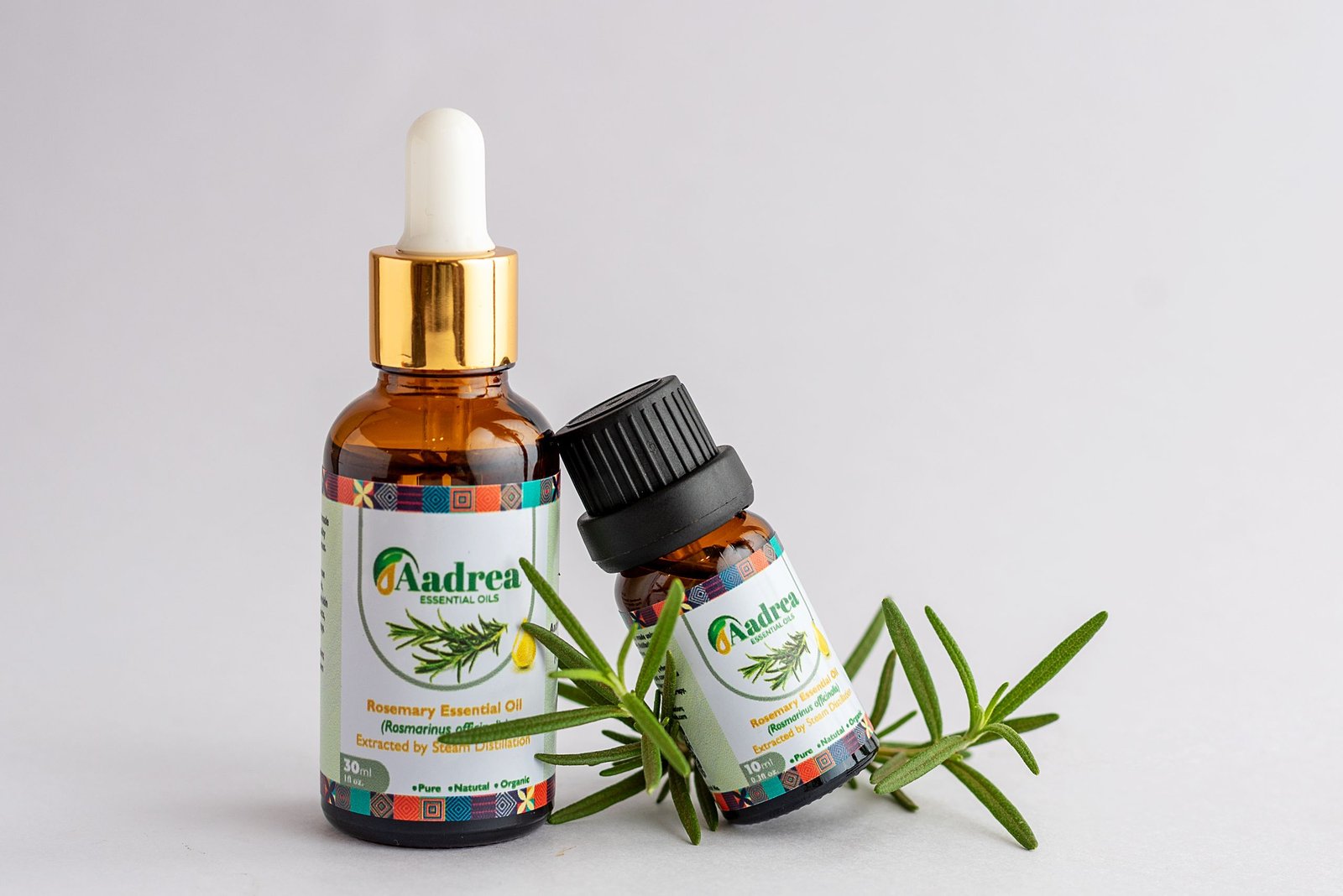
Rosemary oil is an essential oil made from the rosemary plant. It is not the same as rosemary water, rosemary shampoo, or a hair oil that merely smells of rosemary. Its main proposed benefit is that it may improve blood flow to the scalp and have anti-inflammatory and antioxidant effects, which could support a healthier environment for hair to grow. That is a plausible idea, not a proven cure for hair loss.
The Minoxidil Comparison: What the Trial Did — and Did Not — Prove
The study most often quoted is a small 2015 trial that compared rosemary oil with 2% minoxidil, a licensed hair-loss treatment, in people with androgenetic alopecia, the common pattern of hair thinning. Over six months, both groups saw a similar increase in hair count. The rosemary group also reported less scalp itching than the minoxidil group.
That sounds impressive, but the details matter. The trial was small — about 100 people — and it only tested 2% minoxidil, not the stronger 5% strength commonly used today. It had no placebo group, so it cannot show how much improvement would have happened anyway, or how much was due to scalp massage. It studied one type of hair loss, in adults, over six months. It did not test rosemary oil for hair fall caused by low iron, thyroid problems, vitamin D deficiency, stress, illness or postpartum shedding — all common causes in India.
So the fair summary is: in one small trial, rosemary oil performed similarly to low-strength minoxidil for one type of hair loss over six months. That is encouraging, but not proof it works as well as minoxidil in general, or for your type of hair fall. Minoxidil has been studied in large trials over many years; rosemary oil has not. If hair loss is rapid, patchy or severe, see a dermatologist first.
How to Use Rosemary Oil Safely: Dilution Is Not Optional
Rosemary oil is a concentrated essential oil. Applying it undiluted to the scalp can cause irritation, itching, redness and flaking — the opposite of what you want. Always dilute it in a carrier oil before use.
A safe dilution
Mix 3 to 5 drops of rosemary essential oil into one tablespoon (about 15 ml) of a carrier oil. That is roughly a 1% to 2% dilution, which is a common starting point for scalp use. Good carrier oils in India include coconut oil, sweet almond oil, jojoba oil, or a light hair oil you already tolerate. Coconut oil suits many people, but it can feel heavy and may clog pores for some, so choose the carrier that suits your scalp and hair type.
Do not add rosemary oil to a whole bottle of hair oil in a random amount. Mix a small batch fresh for each use, or mix a small bottle with a measured amount — for example, 10 to 15 drops in 100 ml of carrier oil — and label it with the date. Store it in a cool, dark place and discard it if it smells off.
How to apply it
- Part your hair and apply the diluted oil to the scalp, not just the lengths of the hair. Hair growth happens at the scalp.
- Massage gently with your fingertips for 3 to 5 minutes. This is not just relaxing — it helps spread the oil and may improve blood flow.
- Leave it on for 30 minutes to a few hours. Overnight is fine if your scalp tolerates it, but it is not necessary.
- Wash it out with a mild shampoo. You may need to shampoo twice to remove the oil fully, especially if you used coconut oil.
- Use it 2 to 3 times a week. More often does not mean faster growth; it usually means more irritation and more washing, which can dry the hair.
Patch test first
Before the first full application, do a patch test. Apply a small amount of the diluted oil behind your ear or on your inner forearm, and wait 24 hours. Look for redness, itching, bumps or swelling. If there is no reaction, you can try it on the scalp. If there is a reaction, stop using it. Do not use rosemary oil on broken, sunburnt or irritated skin, or on a scalp with open sores or a severe rash.
What Counts as a Realistic Timeline?
Hair grows slowly — roughly 1 cm a month — and the growth cycle takes months, so you cannot judge rosemary oil after two weeks. A fair test is three to six months of consistent use, 2 to 3 times a week, with photos in the same light once a month. Look for less shedding and for baby hairs along the hairline. If you see no change after six months, rosemary oil is probably not the right tool for your hair concern.
Hair fall also has many causes no oil can fix: low iron, low vitamin D, thyroid problems, recent illness, major stress, crash diets and postpartum changes. If hair fall started suddenly, is getting worse, or comes with tiredness, weight change or a very itchy scalp, ask a doctor for basic blood tests before spending months on home remedies. A dermatologist consultation in India typically costs ₹500–₹1,500.
Common Mistakes, and What to Do Instead
| Mistake | Why it hurts | What to do instead |
|---|---|---|
| Using undiluted rosemary oil | Irritation, itching, flaking | Dilute 3–5 drops per tablespoon of carrier oil |
| Using it daily | More irritation, more washing | Use 2–3 times a week |
| Expecting results in 2 weeks | Disappointment, switching products constantly | Judge after 3–6 months, with monthly photos |
| Rubbing oil only on hair lengths | Oil does not reach the scalp | Apply to the scalp, massage gently |
| Ignoring dandruff or itching | An unhealthy scalp sheds more | Treat dandruff first, then add rosemary oil |
| Skipping a diagnosis | The real cause goes untreated | See a dermatologist for rapid or patchy loss |
Rosemary oil also does not replace the basics: enough protein and iron in your diet, gentle handling, and a healthy scalp. Tight hairstyles, frequent heat styling and vigorous towel-drying all increase breakage, which can look like hair fall.
Should You Choose Rosemary Oil, Minoxidil, or Both?
Rosemary oil is a reasonable, low-cost option to try first if your hair fall is mild and your scalp is healthy. Minoxidil is a licensed treatment with stronger evidence, and is often the better choice for pattern hair loss, but it should be started with medical advice. Some people use both, on different days, but do not start two new treatments at once — you will not know which one is helping or causing irritation. Avoid rosemary oil during pregnancy unless your doctor says it is appropriate, and keep it away from young children.

Frequently Asked Questions
Can I mix rosemary oil into my shampoo?
You can add a few drops to a small amount of shampoo just before washing, but it is less effective than a scalp massage with diluted oil, because shampoo is rinsed off quickly. A leave-on scalp application gives the oil more contact time with the scalp.
Does rosemary oil work for dandruff?
Rosemary oil has some antimicrobial properties, but it is not a dandruff treatment. If you have dandruff, use a medicated anti-dandruff shampoo first, and only add rosemary oil once the flaking and itching are under control.
Will rosemary oil make my hair grow faster?
There is no good evidence that it speeds up the rate of growth. The hope is that it supports a healthier scalp and reduces shedding over months, which can make hair look fuller over time. It does not change your hair’s natural growth rate.
Disclaimer: This article is general information only, not medical advice. See a doctor for diagnosis or before starting a supplement or treatment, including if hair loss is rapid, patchy, or severe, or if you are pregnant or using prescription hair treatment.