
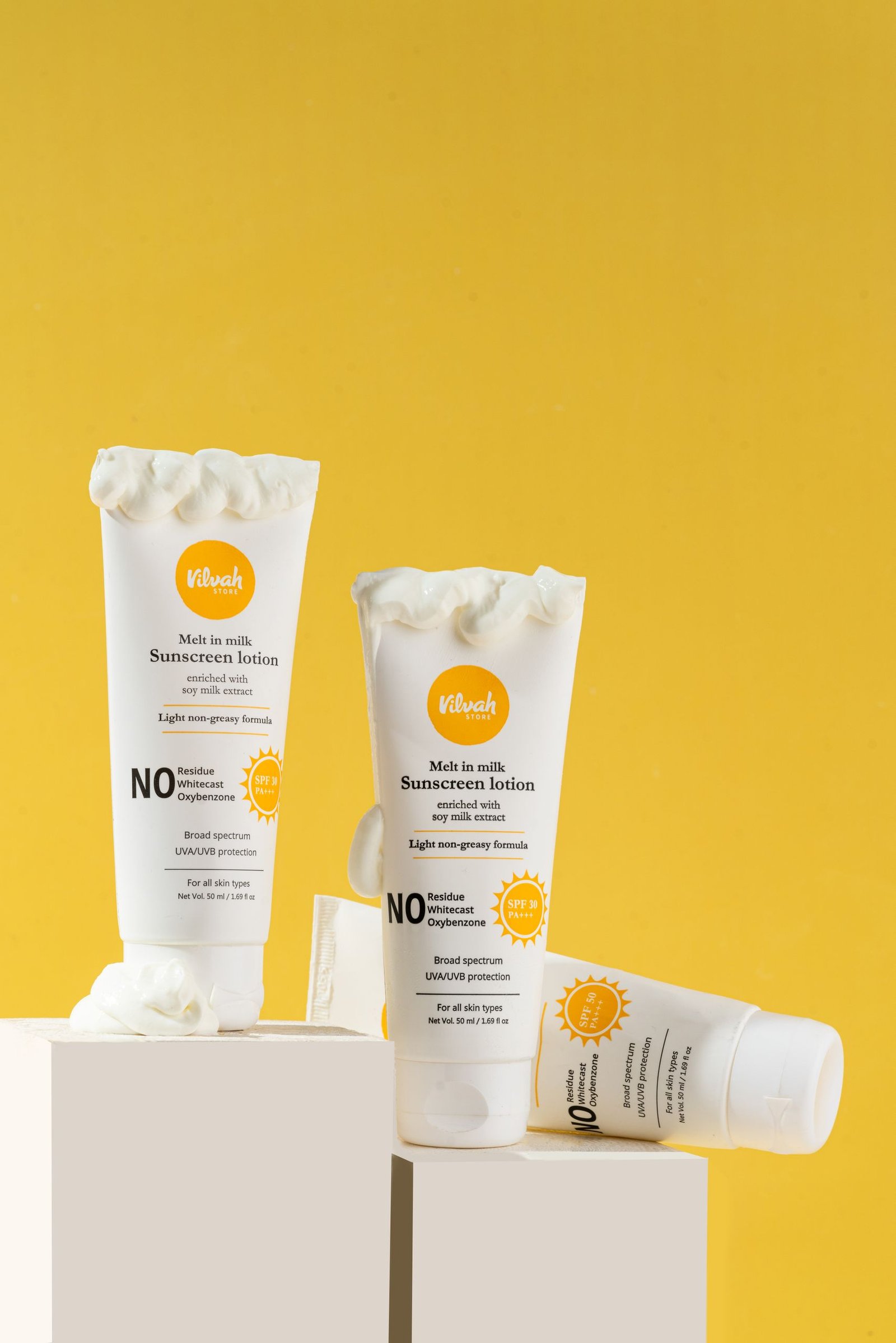
Finding a sunscreen for Indian skin no white cast is one of the most common skincare frustrations in India — and one of the most important. Many people skip sunscreen because the one they tried left a grey or ashy layer, felt sticky in humidity, or made their skin look dull in photos. The result is years of unprotected sun exposure, which speeds up pigmentation, uneven tone, fine lines and sun damage. The good news is that choosing the right formula, and applying enough of it, solves most of the problem.
This guide covers SPF 30 versus SPF 50, gel versus cream for humid weather, how much to apply, how to reapply, and which tinted and mineral options suit deeper skin tones — plus the myth that Indian skin does not need sunscreen at all.
Myth First: “Indian Skin Doesn’t Need Sunscreen”
It is true that melanin gives deeper skin tones some natural protection from sunburn. It does not give complete protection. Indian skin still gets sunburn, tanning, pigmentation, melasma, uneven tone and premature ageing from ultraviolet (UV) rays. It also still gets skin cancer, and when it is found later — partly because people assume they are protected — it can be more serious.
Sun damage on Indian skin often shows up as stubborn pigmentation rather than redness — dark patches, tanning that takes months to fade, and dark marks left after acne. Without sunscreen, almost no pigmentation treatment works well, because the sun keeps triggering new pigment every day. India’s UV index is high for much of the year, even on cloudy days. Daily sunscreen is basic skin care in this climate, not a cosmetic extra.
SPF 30 vs SPF 50: What the Numbers Mean
SPF, or sun protection factor, measures protection against UVB rays, the rays that cause sunburn. SPF 30 blocks about 97% of UVB rays, and SPF 50 blocks about 98%, when applied in the amount used in laboratory testing. That small difference matters less than most people think. What matters far more is applying enough sunscreen, applying it evenly, and reapplying when needed.
For most daily use in India — office, college, errands, a commute — SPF 30 is enough, provided you apply the right amount. SPF 50 is a sensible choice if you spend long hours outdoors, are at the beach, in the hills, playing sport, or have pigmentation or melasma that you are trying to treat. There is no need to chase SPF 70 or 100; those products can feel heavier and are often not applied in the full amount anyway.
Also look for “broad spectrum” or “PA+++” on the label. Broad spectrum means the product protects against UVA rays as well as UVB. UVA rays cause tanning, pigmentation and ageing, and they pass through clouds and glass more easily than UVB. A sunscreen that is high SPF but not broad spectrum is only doing half the job.
Gel vs Cream: Choosing a Formula for Humid Weather
Texture is the main reason people stop using sunscreen, so choose for your climate and skin type, not just for SPF.
| Skin type / weather | Best formula | Why it works |
|---|---|---|
| Oily or combination, humid city | Light gel or gel-cream | Absorbs fast, less shine, sits well under makeup |
| Dry skin | Cream or lotion | Adds moisture, less likely to feel tight |
| Sensitive or acne-prone | Fragrance-free gel or lotion | Less irritation, less chance of clogging pores |
| Outdoor / swimming / sport | Water-resistant lotion or cream | Stays on longer with sweat and water |
| Deeper skin tones worried about white cast | Clear gel, tinted sunscreen, or a chemical sunscreen | No ashiness; tint blends with skin tone |
Chemical sunscreens, which absorb UV rays, usually leave little or no white cast and feel lighter, which is why they suit many Indian skin tones. Mineral sunscreens, which use zinc oxide or titanium dioxide to block UV, are gentler for sensitive skin but are the ones most likely to leave a white or grey cast, unless they are tinted. If you like mineral sunscreen, choose a tinted version and test it on your jawline first to check the shade blends in.
A practical tip: buy a small tube first. Test a sunscreen on one side of your face for two or three days before committing to a full-size tube. Check how it looks in daylight and in a photo, how it feels after two hours in humidity, and whether it pills under moisturiser or makeup. A sunscreen that costs ₹300–₹600 and gets used daily is far better than a ₹1,200 tube that sits in a drawer.
How Much Sunscreen Should You Apply? The Two-Finger Rule
Most people apply far too little sunscreen — often a quarter of the amount needed — and then wonder why they still tan. The laboratory SPF on the label only applies if you use the full amount.
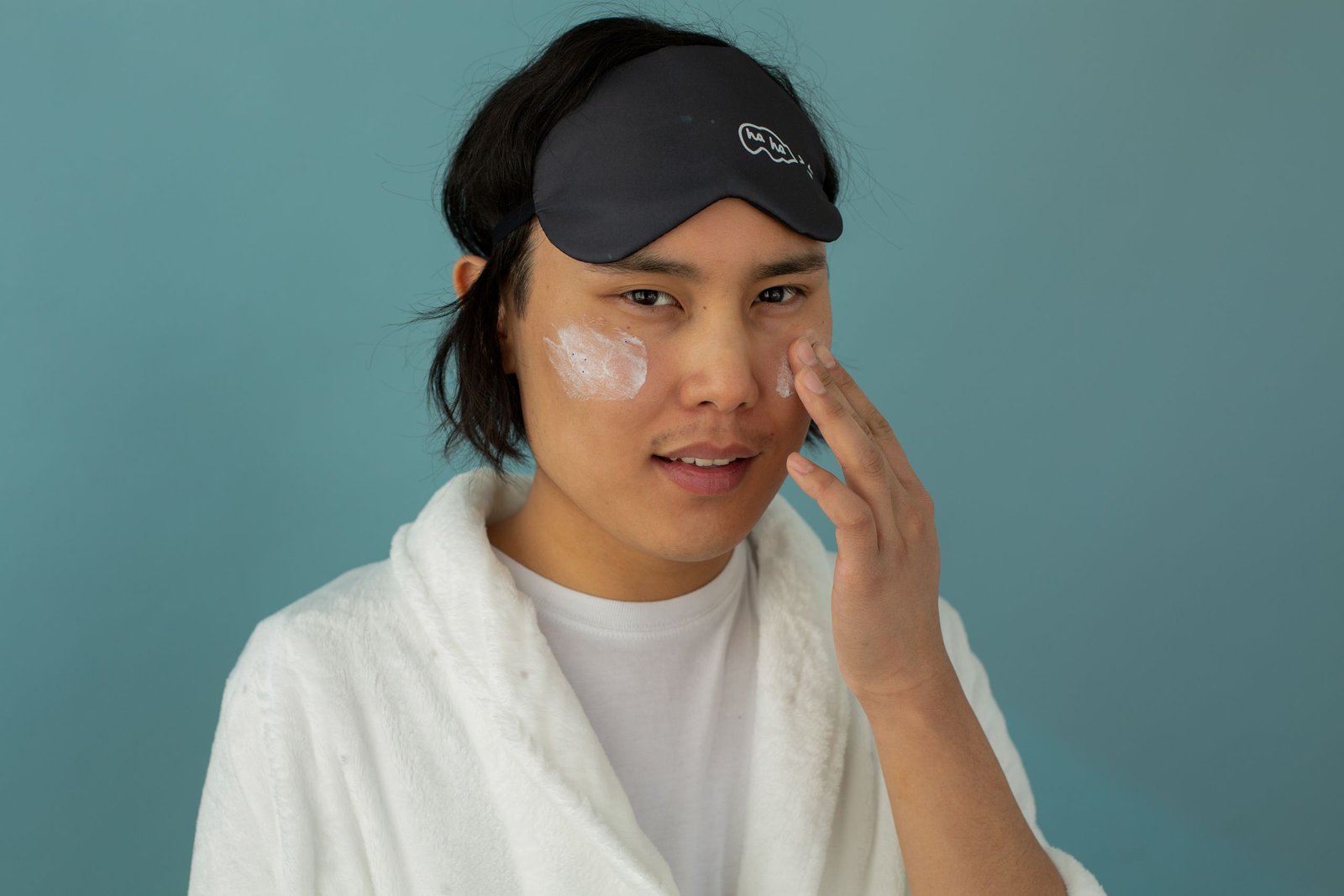
The easiest guide is the two-finger rule: squeeze a line of sunscreen along the length of your index finger and your middle finger. That amount is roughly right for your face and neck. For your face alone, a little less is fine, but do not use a pea-sized dab — that is far too little.
Apply it as the last step of your morning routine, after moisturiser and before makeup. Wait a few minutes for it to settle before applying foundation, so it does not pill. Do not forget the ears, the back of the neck, the backs of the hands, and the area around the eyes — these are common spots for tanning and pigmentation, and they are easy to miss. If you wear a bindi or a cap, the skin around it still needs sunscreen.
For the body, use about a shot-glass amount — roughly 30 ml — for exposed skin. In practice, most people need a generous palmful for arms and legs when wearing short sleeves or shorts. If you are only covering your face, neck and arms for a commute, a good squeeze from a tube is a better guide than trying to measure precisely.
Reapplication: When, and How Over Makeup
Sunscreen wears off with sweat, rubbing and time. As a guide: indoors most of the day, one morning application is usually enough; outdoors or commuting, reapply every 2 to 3 hours; after swimming or heavy sweating, reapply sooner, even if it is water-resistant.
Reapplying over makeup is the part most people skip. A sunscreen stick can be dabbed over makeup, and a powder sunscreen works as a top-up — but not as your main protection. Carry a small tube in your bag, store it in a cool, shaded place, and check the expiry date.
Tinted and Mineral Options for Deeper Skin Tones
Tinted sunscreen is often the best answer to white cast. The tint cancels out the whiteness of mineral filters and blends into brown skin far better than an untinted mineral product, and some tinted formulas also help with visible light, which can worsen melasma. Test the shade on your jawline in daylight — it should disappear into your skin, not look orange, grey or pink. Many Indian brands now make tinted sunscreens for medium to deep skin tones, in the ₹400–₹800 range. If the only shade looks too light, a clear chemical gel sunscreen is a better choice. For a completely invisible finish, look for a gel or serum labelled “no white cast”, “invisible” or “clear”, and test it before buying a large tube.
Keep sunscreen next to your toothbrush or moisturiser so using it becomes automatic: cleanser, moisturiser, sunscreen in the morning; cleanser and moisturiser at night. Keep a small tube in your bag for reapplication.
Frequently Asked Questions
Do I need sunscreen on cloudy days or indoors?
Yes, on cloudy days — a large share of UV still reaches your skin through cloud. Indoors, you need it less, unless you sit near a window for hours or spend time on a sunny balcony. A single morning application is a simple habit that covers most situations.
Can sunscreen cause acne or breakouts?
Some heavy or fragranced sunscreens can clog pores, especially on oily skin. Choose a gel or gel-cream labelled non-comedogenic and fragrance-free, and cleanse properly at night. If a sunscreen breaks you out, try a different formula rather than giving up on sunscreen.
Is SPF 30 enough for Indian summers?
Yes, for most daily use, if you apply the full two-finger amount and reapply when outdoors. SPF 50 is a better choice for long outdoor hours, beach or hill trips, or if you are treating pigmentation. Applying enough matters more than the number on the tube.
Disclaimer: This article is general information only, not medical advice. See a doctor for diagnosis or before starting a supplement or treatment, including if you have a skin condition, a changing mole, or a reaction to a sunscreen.