

After every meal in India, someone passes around a small bowl of saunf. We chew a pinch of fennel seeds without thinking about it — for fresh breath, for a settled stomach, for the simple pleasure of that sweet, cool taste. It is one of the oldest habits in Indian homes, and it turns out our grandmothers were right.
The fennel seeds benefits go far beyond fresh breath. Fennel seeds are rich in fibre, potassium, vitamin C and plant compounds like anethole, which give them anti-inflammatory, antimicrobial and digestive properties.
This guide explains what saunf is, its nutrition, 10 fennel seeds benefits, how to use fennel seeds in daily life, how much to take, and who should be careful with them.
What Is Saunf? Fennel Seeds Explained
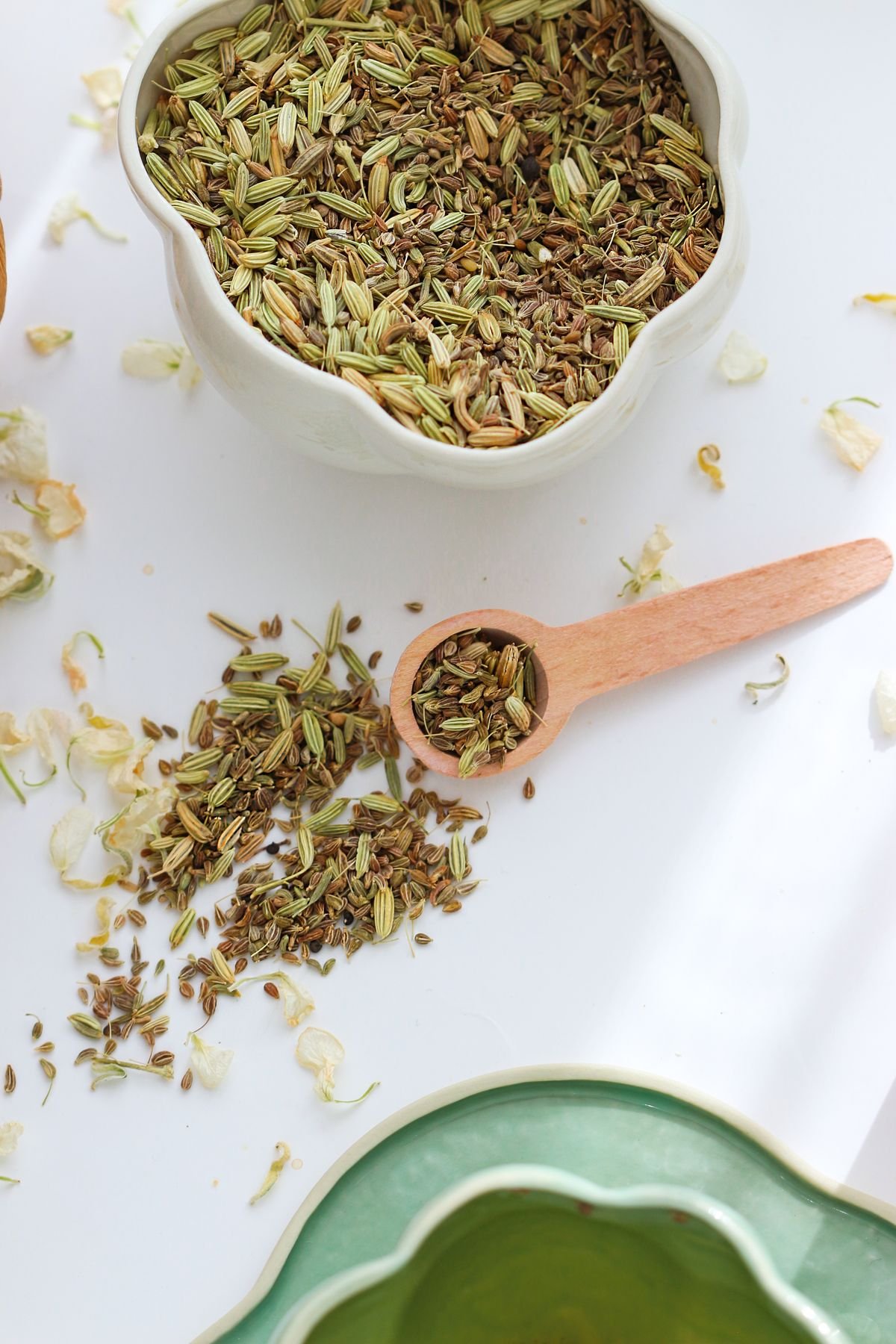
Saunf is the Hindi name for fennel seeds, the dried seeds of the fennel plant (Foeniculum vulgare), a member of the carrot family. The seeds are small, pale green to light brown, oval-shaped with fine ridges, and they taste sweet with a mild liquorice flavour. That flavour comes from anethole, the same compound that gives star anise its taste.
Fennel grows across the Mediterranean and Asia, and in India it is grown widely in Gujarat, Rajasthan and Uttar Pradesh. The whole plant is useful — the bulb is eaten as a vegetable, the fronds are used as a herb — but the seeds are the part used in medicine and in the kitchen. In Ayurveda, saunf is considered cooling and is used to balance digestion, reduce gas and freshen the mouth.
Fennel seeds should not be confused with cumin (jeera) or carom seeds (ajwain) — they taste and work differently. Cumin is warm and earthy, ajwain is sharp and pungent, and fennel is sweet and cooling. Our guide on ajwain water benefits explains how ajwain works in a similar way for digestion but with a much stronger taste.
Fennel Seeds Nutrition: What Is Inside Them?
The fennel seeds benefits start with what is inside them. One tablespoon of dried fennel seeds (about 5.8 grams) gives you roughly 2.3 grams of fibre, along with potassium, calcium, iron, magnesium, manganese and vitamin C. Per 100 grams, fennel seeds contain about 345 calories, around 15 grams of protein, 40 grams of fibre and 14 grams of fat — most of it healthy unsaturated fat.
Fennel seeds are also rich in plant compounds such as anethole, fenchone and estragole. These are the compounds behind the antioxidant and anti-inflammatory effects that research keeps finding. Healthline’s guide to fennel and fennel seed benefits notes that fennel is high in fibre, which may help manage cholesterol and blood sugar and support heart health. Healthline — Fennel and Fennel Seeds: Nutrition and Benefits
10 Fennel Seeds Benefits
1. Eases Gas and Bloating
The best-known of all fennel seeds benefits is relief from gas and bloating. Fennel seeds contain anethole, which may help relax the smooth muscles of the digestive tract. When those muscles relax, trapped gas moves more easily and the tight, swollen feeling of bloating eases. The high fibre content also helps keep digestion moving.
Healthline’s guide to the benefits of fennel seeds for gas explains that fennel seeds may help reduce gas because of their anti-inflammatory properties and high fibre content, though it also notes that few studies have tested this directly in humans. Healthline — Benefits of Fennel Seeds for Gas In practice, chewing half a teaspoon of fennel seeds after a heavy meal is one of the simplest and safest home remedies for gas. Our guide on gas problem home remedies lists more options that work well alongside saunf.
2. Improves Digestion After Meals
Fennel seeds stimulate the secretion of digestive juices, which is why they are traditionally eaten after meals. They help the stomach break down food more efficiently and reduce that heavy, sluggish feeling after eating. In Ayurveda, saunf is one of the first remedies suggested for slow digestion and heaviness.
A cup of fennel tea after dinner works the same way — Medical News Today notes that fennel tea may aid digestion and help with heartburn, bloating, loss of appetite and colic. Medical News Today — Fennel tea: 5 health benefits and risks If you often feel heavy after dinner, try chewing fennel seeds or drinking saunf water before bed — and keep dinner light and early, as our ayurveda dinner guide explains.
3. Freshens Breath Naturally
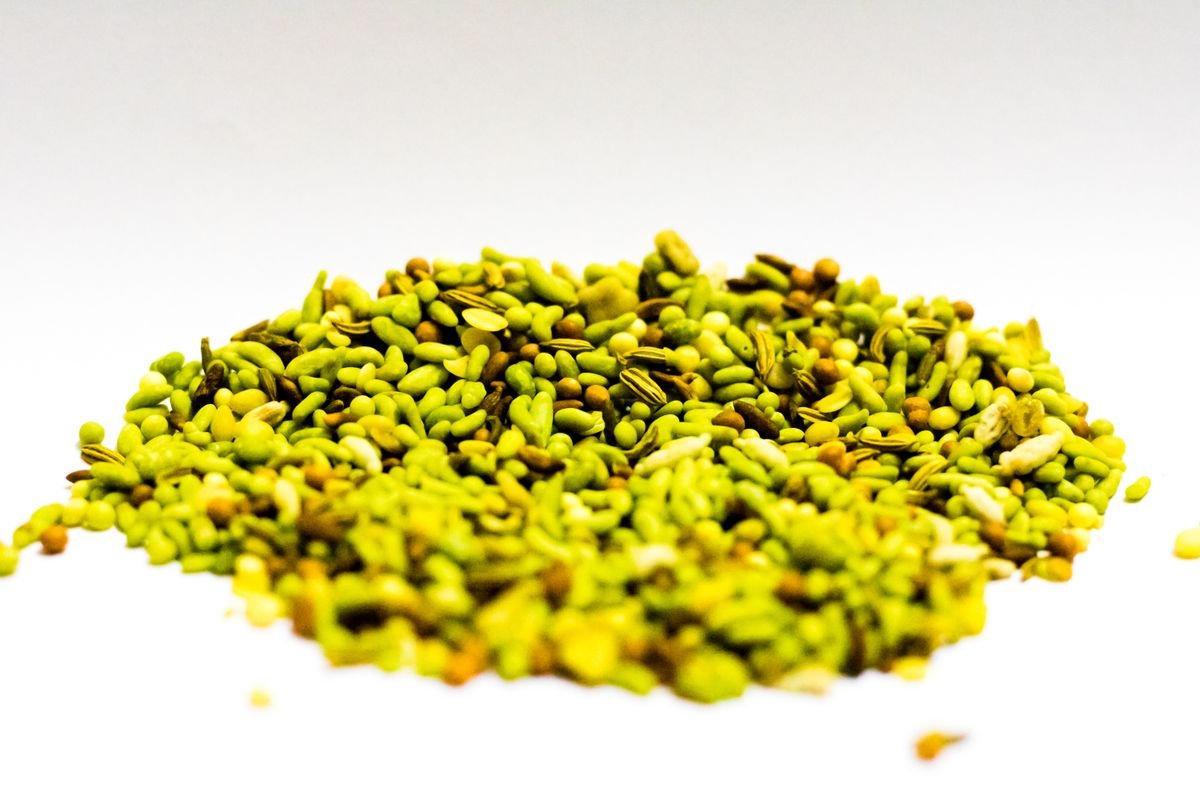
Chewing fennel seeds is one of the oldest natural mouth fresheners — their antibacterial properties fight the bacteria that cause bad breath, and their sweet, cool flavour covers odour at once. In India, saunf is offered after meals in restaurants for exactly this reason.
Unlike mouthwash or mints, fennel seeds do not just mask the smell — they also help digestion, and poor digestion is itself a common cause of bad breath. A pinch of roasted fennel seeds with a little mishri (rock sugar) is the traditional after-meal mouth freshener. If you prefer a natural sweetener with your saunf, jaggery is a traditional choice — see our guide to jaggery with incredible health benefits. If bad breath persists even with good oral hygiene, it is worth checking digestion and dental health rather than relying on fresheners alone.
4. May Help with Weight Management
Fennel seeds may help with weight management in two small ways. First, they are rich in fibre, which keeps you full for longer and reduces the urge to snack. Second, the compound anethole may naturally suppress appetite. Drinking fennel seed water in the morning is a popular weight-loss habit for this reason.
The effect is modest — fennel seeds will not cause weight loss on their own. But as part of a healthy routine, they help. Saunf water in the morning, a high-protein breakfast and regular walking work together far better than any single remedy. Our guide on jeera water for weight loss explains a similar morning-drink habit, and jeera water and saunf water can even be used on alternate days.
5. Supports Heart Health
Fennel seeds are good for the heart because of their fibre, potassium and antioxidants. Fibre helps lower LDL (bad) cholesterol, potassium helps control blood pressure, and antioxidants protect blood vessels from damage. If you have high blood pressure or heart disease, keep taking your prescribed medicine — fennel seeds are a support, not a replacement.
6. May Help Control Blood Sugar
Fennel seeds may help with blood sugar control. Animal studies suggest that fennel seed extract can help lower blood sugar, and the fibre in the seeds slows down how quickly sugar from food enters the blood. That is useful for people with prediabetes or type 2 diabetes, where steady blood sugar matters more than anything.
The evidence in humans is still limited, so this is a “may help” benefit, not a proven treatment. If you take diabetes medicine, tell your doctor before using fennel seeds in large amounts, because they could add to the blood-sugar-lowering effect of your medicine. A pinch after meals is fine for most people; large medicinal doses are a different matter.
7. Relieves Menstrual Cramps
Fennel has been used for centuries to ease menstrual pain, and modern research supports this use. Fennel contains phytoestrogens and compounds that help relax the muscles of the uterus, which may reduce cramps. Some studies have found fennel extract to be comparable to common painkillers for period pain, though more large studies are needed.
A warm cup of fennel tea on the first day of your period is the traditional way to use it. Add a teaspoon of fennel seeds to a cup of hot water, cover and steep for 10 minutes, then strain and drink. If your periods are very painful, irregular or unusually heavy, see a doctor — fennel tea helps with ordinary cramps, but it is not a treatment for conditions like endometriosis or PCOS.
8. Supports Healthy Skin
The fennel seeds benefits for skin come from vitamin C and antioxidants. Vitamin C supports collagen production, which keeps skin firm, and antioxidants protect skin cells from damage by free radicals — the same damage that speeds up ageing. Fennel seeds also have antimicrobial properties that may help with acne-causing bacteria.
Eating fennel seeds helps skin from the inside, and a cooled fennel tea can also be used as a gentle face rinse. But keep expectations realistic: fennel seeds support skin health, they do not clear acne or remove pigmentation on their own. For skin problems, a simple routine matters more — our organic skincare guide explains how to build one.
9. May Improve Eye Health
Fennel seeds contain vitamin A and antioxidants that support eye health. In traditional medicine, fennel water has been used as an eye wash to soothe tired, irritated eyes, and the vitamin A in fennel supports the retina and helps keep the eyes moist. Eating fennel seeds is the safe way to get the benefit. If your eyes are red, painful or your vision changes, see an eye doctor instead of trying home remedies.
10. Helps with Constipation
The high fibre content of fennel seeds helps prevent constipation and keeps bowel movements regular. Fibre adds bulk to the stool and helps it move through the intestines, and fennel’s muscle-relaxing effect helps the gut move smoothly. A teaspoon of fennel seeds soaked overnight and eaten in the morning, along with the water, is a gentle traditional remedy for constipation.
For constipation, fennel seeds work best together with enough water, vegetables and movement. Eating fibre without drinking water can make constipation worse, not better. Triphala is another traditional Ayurvedic remedy for digestion and regularity — our guide to triphala benefits for digestion explains how it works. If constipation lasts more than two weeks, or comes with pain, blood or unexplained weight loss, see a doctor.
How to Use Fennel Seeds in Daily Life
The fennel seeds benefits are easy to get, because saunf is simple to use. Here are the five most useful ways:
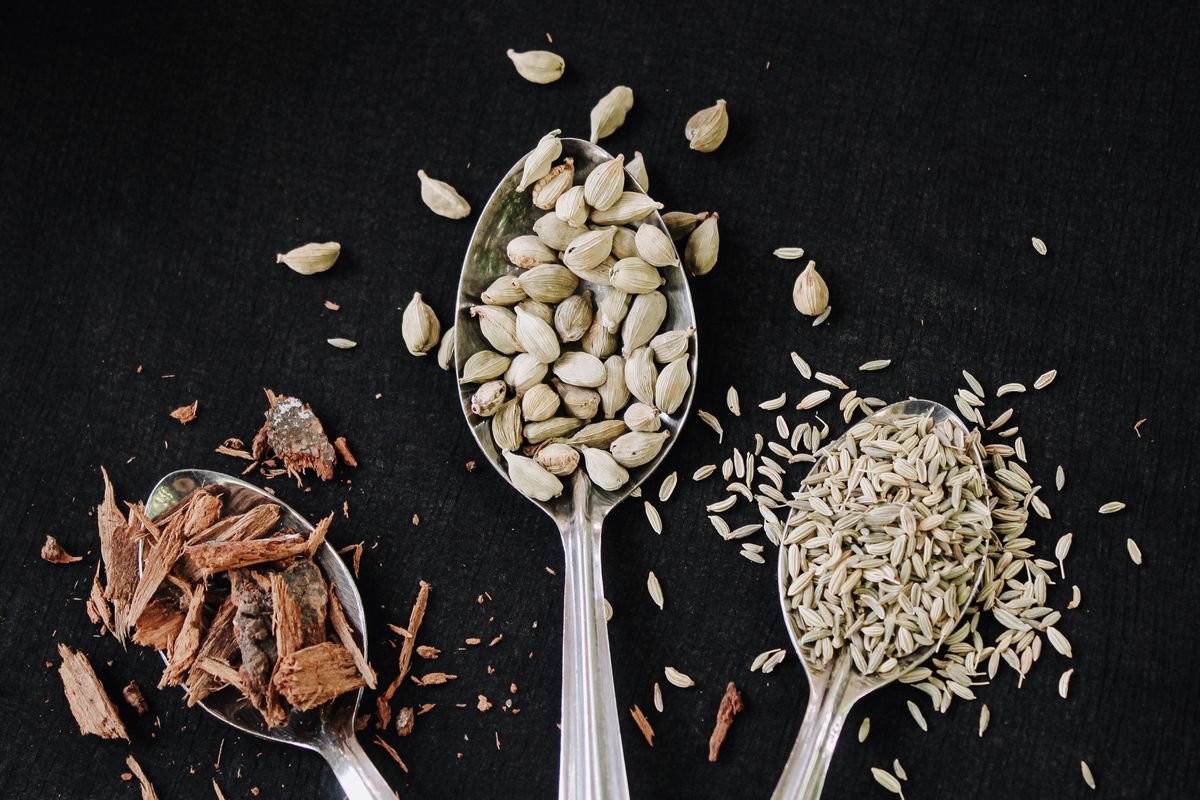
- Chew them after meals. Chew half to one teaspoon of raw or roasted fennel seeds after lunch and dinner. This is the simplest method and the one most Indians already use. Roasted saunf, sometimes mixed with a little mishri, tastes better and keeps well in a jar.
- Saunf water. Soak one teaspoon of fennel seeds in a glass of water overnight. In the morning, strain and drink it on an empty stomach. This is the popular morning remedy for digestion, bloating and weight management. You can also boil the seeds in water for 5 minutes and drink it warm.
- Fennel tea. Add one teaspoon of lightly crushed fennel seeds to a cup of boiling water. Cover, steep for 10 minutes, strain and drink. Fennel tea is best after dinner or during periods.
- Fennel powder. Grind roasted fennel seeds into a fine powder and store it in an airtight jar. Add half a teaspoon to curd, buttermilk, salads or sabzi. This is an easy way to use fennel seeds every day without thinking about it.
- In cooking. Add fennel seeds to tadka for dal and sabzi, to pickles, to bread and to masala chai. They add a sweet, warm flavour and bring the digestive benefits into the meal itself. Fennel seeds are a key ingredient in panch phoron, the Bengali five-spice mix.
How Much Fennel Seeds Per Day?
For most adults, 1 to 2 teaspoons (about 2 to 6 grams) of fennel seeds per day is a sensible amount. That is roughly the amount used in food and in home remedies. Chewing half a teaspoon after each main meal, or drinking one glass of saunf water in the morning, stays well within this range. Do not take large medicinal amounts without medical advice — more is not better with herbs.
Who Should Be Careful with Fennel Seeds?
Fennel seeds are safe for most people in food amounts, but some people should be careful:
- Pregnant women should stick to food amounts and avoid fennel oil and large medicinal doses, because fennel may stimulate the uterus. A pinch after meals is generally considered fine, but ask your doctor first.
- People taking blood thinners, diabetes medicine or blood pressure medicine should tell their doctor, because fennel can add to the effects of these medicines.
- People with hormone-sensitive conditions (such as certain breast or uterine conditions) should avoid large amounts of fennel, because it contains phytoestrogens.
- People allergic to carrots, celery or mugwort may also react to fennel, since they belong to the same plant family. Stop using it if you get a rash, itching or swelling.
- Children can have small amounts in food, but do not give fennel oil or strong fennel tea to babies and young children without a doctor’s advice.
Fennel seeds may also interfere with the absorption of some medicines, including certain antibiotics. Take medicines and fennel seeds at least two hours apart if you are unsure.
Saunf vs Ajwain vs Jeera: Which Is Better?
Saunf, ajwain and jeera are the three classic Indian digestive seeds. Saunf (fennel) is sweet and cooling — best for gas, bloating, bad breath and after-meal heaviness, and the gentlest of the three. Ajwain (carom seeds) is sharp and hot — best for severe gas and stomach pain, as our ajwain water benefits guide explains. Jeera (cumin) is warm and earthy — best for metabolism and weight management, as our jeera water for weight loss guide explains. In practice, many Indian homes use all three: saunf after meals, jeera water in the morning, and ajwain when the stomach is really upset.
FAQs About Fennel Seeds Benefits
Can I eat fennel seeds every day?
Yes, 1 to 2 teaspoons a day is safe for most adults. Chewing them after meals or drinking saunf water in the morning are the easiest daily habits.
Is saunf water good for weight loss?
Saunf water may help a little, because fibre keeps you full and anethole may reduce appetite. But it is not a weight-loss drink on its own — it works only with a healthy diet and regular movement.
Is it better to chew fennel seeds or drink saunf water?
Both work. Chewing is better for fresh breath and immediate relief after meals. Saunf water is better in the morning on an empty stomach, because the water carries the compounds through the digestive system.
Can children eat fennel seeds?
Yes, in small food amounts. A pinch after meals is fine for older children.
Conclusion
The fennel seeds benefits are real, simple and easy to get. Saunf helps digestion, eases gas and bloating, freshens breath, supports heart health and blood sugar, and may even help with period pain and skin health. It costs almost nothing, it is already in your kitchen, and it has been used safely for centuries.
Start small: chew half a teaspoon after dinner tonight, or soak a teaspoon in water and drink it tomorrow morning. Use it daily for two weeks and notice how your stomach feels after meals. That is the honest test — and for most people, it works.
Disclaimer: This article is for general information only and is not medical advice. Fennel seeds are a food, not a medicine. If you are pregnant, breastfeeding, taking regular medicine, or have a medical condition, talk to your doctor before using fennel seeds in large amounts. If symptoms persist or get worse, seek medical care.