
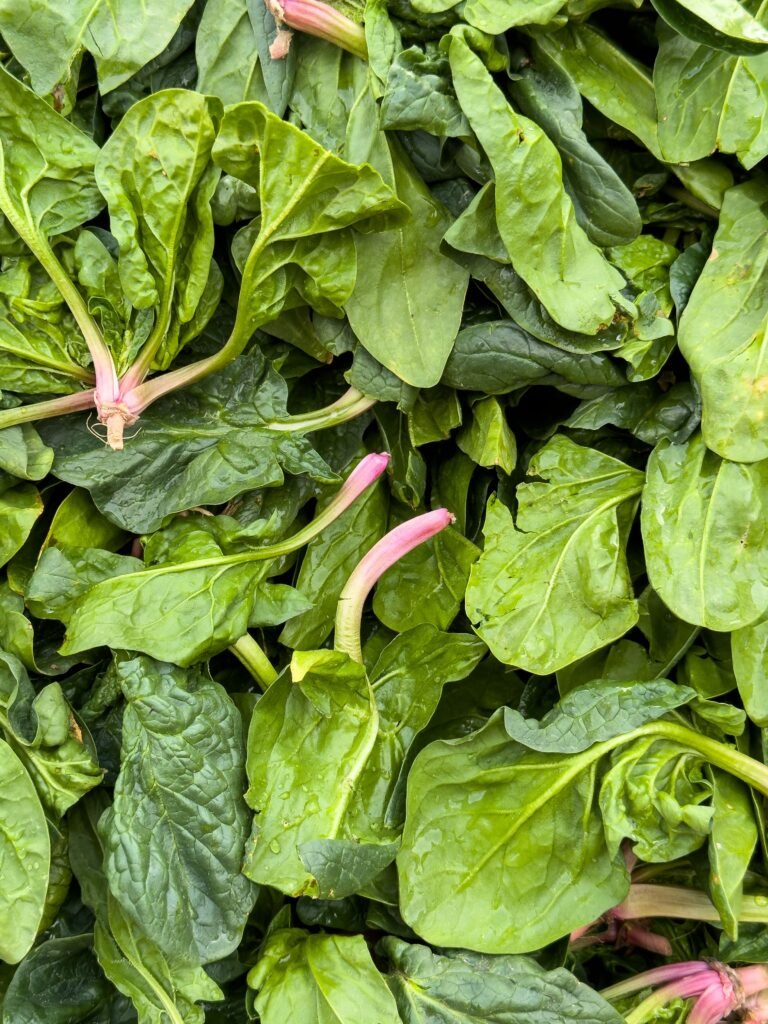
Winter in India means fresh palak is everywhere. It is cheap, it grows in the cold season, and it turns up in almost every home — palak paneer on a Sunday, dal palak on a weekday, or a simple palak paratha for breakfast. The real spinach benefits go far beyond the old Popeye story — this leafy green supports your blood, bones, eyes, immunity and skin, all at once, without costing much.
Here is the honest part first: spinach is not a magic iron tablet. It does contain iron, but your body absorbs only a small part of it. Eat it the right way, with the right foods, as part of a varied winter diet — not as a cure-all.
Spinach Benefits for Iron and Haemoglobin
The most famous of all spinach benefits is iron. A 100-gram serving of raw spinach gives you about 2.7 mg of iron, and a cup of cooked spinach gives you around 6.4 mg, because cooking shrinks the leaves. Iron is what your body uses to make haemoglobin, which carries oxygen in your blood. Low haemoglobin is common in India, especially among women, and it leaves you tired, pale and short of breath.
There is a catch. The iron in spinach is non-haem iron, the plant form, and your body absorbs only about 2 to 10 percent of it. Spinach also contains oxalates, compounds that bind iron (and calcium) in your gut and block absorption. So palak should support your iron intake, not carry it alone. For a full plan on raising low haemoglobin with vegetarian Indian food, read our guide on how to increase haemoglobin fast with vegetarian Indian food.
You can make spinach iron work much harder with one habit: pair it with vitamin C. A squeeze of lemon over your palak, tomatoes in dal palak, or amla on the side can significantly improve absorption. The NHS guide to iron makes the same point, and adds that tea or coffee with the same meal reduces absorption — so keep the chai for an hour later.
Cooking helps too. Blanching spinach for two to three minutes and discarding the water reduces oxalates, freeing up more iron and calcium — one reason cooked palak beats raw palak in a salad as an everyday choice. You still get the folate, which helps your body make new red blood cells. For vegetarians, that iron-plus-folate combination is genuinely useful — but palak is one player in the team, not the whole team.
Strong Bones
Bones need more than calcium, and spinach quietly supplies several of the other nutrients they depend on. The standout is vitamin K: one cup of cooked spinach contains far more than you need in a whole day, and vitamin K is essential for the proteins that build and maintain bone. Spinach also gives you magnesium, which helps activate vitamin D, and useful calcium too.
One honest wrinkle: spinach calcium is partly locked up by the same oxalates, so your body absorbs less of it than from curd or milk. That does not cancel the benefit — palak adds vitamin K and magnesium that dairy alone does not give you, while dairy gives you easily absorbed calcium. Eaten together across the day, they cover each other’s gaps.
For older adults this matters more: bone loss speeds up with age, and winter means less movement and less sunlight. A regular serving of palak through winter is one of the cheapest ways to keep vitamin K and magnesium topped up. It will not replace medicine for osteoporosis, but as everyday food it is a genuine help.
Eyes
If you spend your day looking at screens, your eyes will thank you for eating palak. Spinach is one of the richest sources of lutein and zeaxanthin, two pigments that collect in the retina and act like internal sunglasses, filtering harmful blue light and protecting the macula, the part of the eye responsible for sharp central vision. A cup of cooked spinach gives around 12 mg of lutein — far more than most vegetables.
Spinach also supplies vitamin A, which your eyes need to see in dim light and to keep the eye surface moist. A shortage of vitamin A can cause night blindness and dry eyes, and while one serving will not fix a deficiency overnight, eating palak regularly through winter keeps your intake steady. The benefits are slow and quiet, but they build up over years.
Immunity
Winter is cold and flu season, and spinach helps keep your immune system ready. It gives you vitamin C for the white blood cells that fight infection, vitamin A to keep the lining of your nose, throat and gut strong, and folate to help make new immune cells — plus small amounts of zinc and iron.
None of this means palak will stop you catching a cold — no food can promise that. It keeps the raw materials of your immune system topped up, so when a virus arrives, your body is not fighting on an empty store. Just eat palak often in winter, when it is fresh and cheap. One tip: do not overcook it. Long cooking destroys much of the vitamin C, so add the leaves to dal in the last few minutes and finish with a squeeze of lemon — it replaces lost vitamin C and helps the iron too.
Skin and Hair
Your skin shows what you eat, and spinach is kind to it. Vitamin A helps skin renew itself and produce oils that keep it from drying out in cold winter air. Vitamin C is needed to make collagen, the protein that keeps skin firm, and the antioxidants in spinach — lutein and beta-carotene — help protect skin cells from the damage that speeds up ageing. People spend a lot on winter creams; a plate of palak costs far less and works from the inside.
For hair, the story is similar. Hair roots need iron, folate and vitamin A, and a shortage of any of them can show up as dull, thinning hair. Spinach will not regrow hair on its own — anyone promising that is overselling it — but as part of a diet with enough protein and iron, it removes one more reason for hair to suffer. If hair fall has suddenly increased, check your diet and iron levels first, and see a doctor rather than blaming one food.
How to Eat Palak in Winter
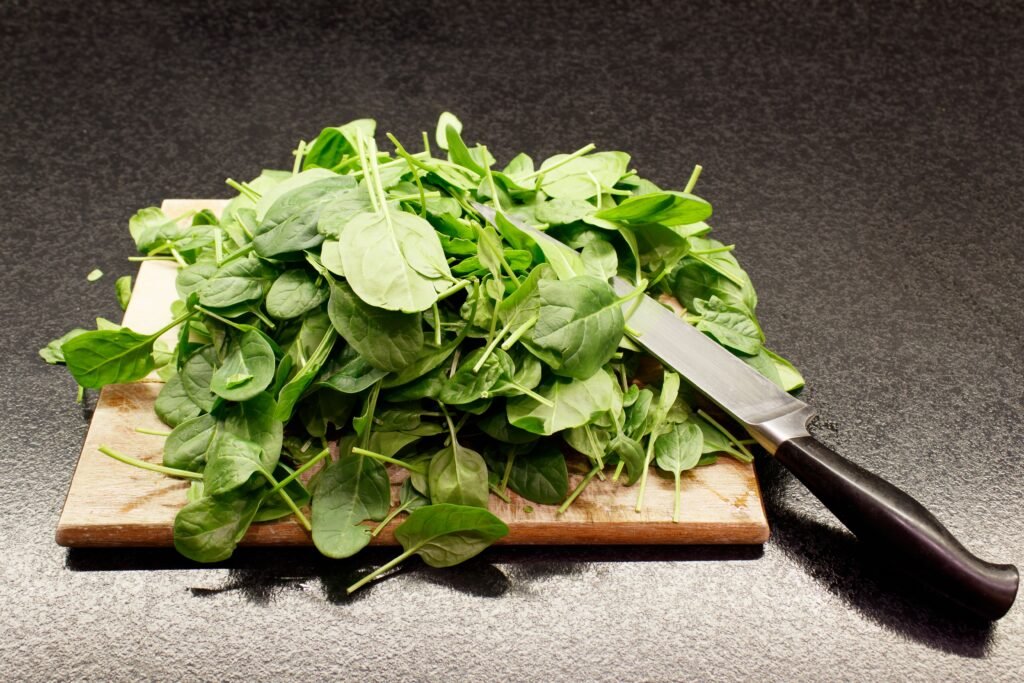
The best thing about palak is how easily it fits into Indian cooking — you do not need new recipes. Here are the four most useful ways.
Palak paneer is the classic. Paneer adds protein and calcium, making the dish filling enough to be a full meal with roti. For more iron absorption, add tomatoes to the gravy and finish with a squeeze of lemon. One honest note: the calcium in paneer can slightly reduce iron absorption, so do not make every palak meal a paneer one. Alternate with dal palak, where lentils add iron without the calcium clash.
Dal palak is the everyday workhorse — quick, cheap, and it combines two iron sources in one bowl. Use moong or masoor dal, add garlic, cumin and a tomato, and stir the washed leaves in for the last few minutes so they wilt but do not overcook. A squeeze of lemon at the end makes it far more nutritious than its price suggests.
Palak soup suits cold winter evenings. Boil the leaves with onion and garlic, blend, and finish with cream or curd. Keep cooking time short so the colour stays bright green — dull grey means you cooked it too long.
Palak paratha is the best way to get children to eat it. Finely chopped leaves kneaded into whole-wheat dough with ajwain and salt make a breakfast that carries iron, folate and fibre in a form children enjoy. Serve with curd, and a piece of amla or a small glass of orange juice helps the iron along.
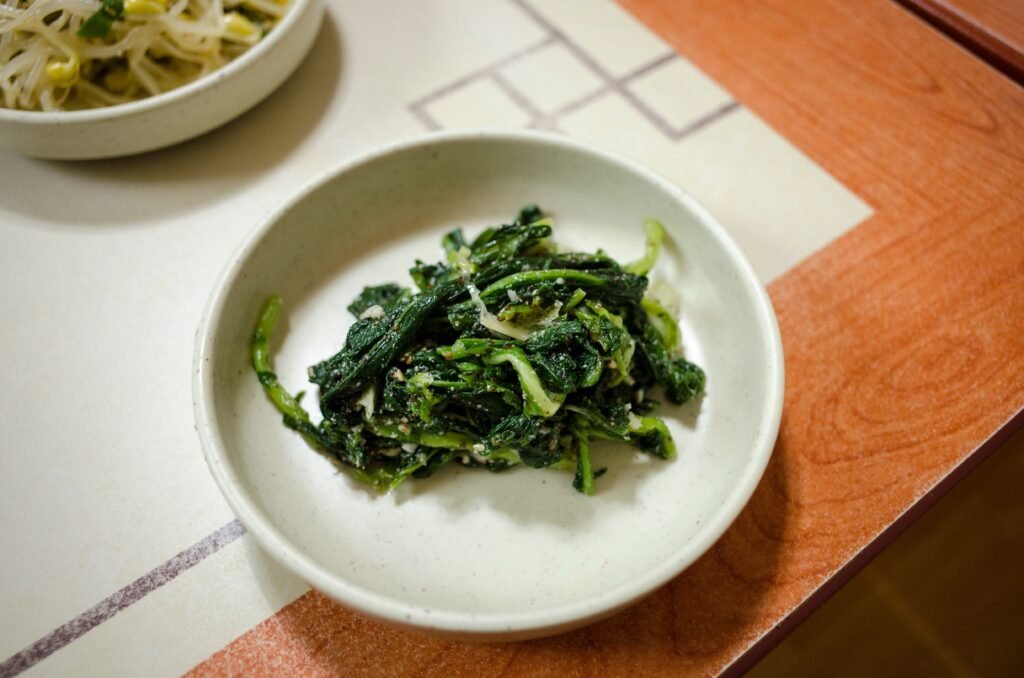
A few tips apply to all four. Wash palak very well — the leaves trap soil, which can carry pesticide residue, so rinse in two or three changes of water. Buy fresh, deep-green bunches; yellowed or slimy leaves have lost most of their value. And cook with a little healthy fat, like ghee or mustard oil — vitamin A and lutein are fat-soluble, so your body absorbs them far better when the meal contains some fat.
Palak pairs well with other winter stars. Sarson ka saag is the other great winter leaf — rotating the two through the week gives you more variety. Beetroot is another good partner: its nitrates support blood flow, and its colour and sweetness balance the earthy taste of palak.
Who Should Be Careful with Spinach
Palak is safe for most people, but three groups should eat it thoughtfully.
If you have had kidney stones, especially calcium oxalate stones, spinach is one of the highest-oxalate foods there is. Oxalates bind with calcium in your urine and can add to stone formation. That does not mean never eating palak — but large daily servings of raw spinach, or spinach smoothies every morning, are a bad idea. Eat it cooked, in moderate portions, drink enough water, and ask your doctor how much is safe.
If you take blood thinners such as warfarin, be careful with vitamin K. Spinach is extremely rich in it, and a sudden jump in how much you eat can change how well your medicine works. The rule is not to stop eating palak — it is to keep your intake steady from week to week, and to tell your doctor if you plan to eat much more or less of it. Never change your medicine dose on your own.
Everyone should wash palak well. Spinach grows close to the ground, so the leaves pick up soil and can carry pesticide residue. Rinse in two or three changes of clean water, separate the bunches, and rub each leaf gently before cooking. Cooking reduces the residue further, but the washing step should not be skipped.
Frequently Asked Questions
Is spinach good for anaemia?
Spinach can help as part of an iron-rich diet, but it does not treat anaemia on its own. Its iron is the plant form, and only a small part is absorbed, so pair it with vitamin C foods like lemon or amla, and eat other iron sources too. If your haemoglobin is low, see a doctor — you may need supplements.
Can I eat palak every day in winter?
Yes — a serving of cooked palak most days is perfectly fine for most people. Variety still helps, so rotate it with sarson, methi and bathua. If you have a history of kidney stones or take blood thinners, keep portions moderate and steady, and ask your doctor.
Is raw or cooked spinach better?
Cooked spinach is the better everyday choice. Cooking shrinks the leaves, so you eat more iron per serving, and blanching reduces the oxalates that block absorption. Raw spinach keeps more vitamin C, so a small raw salad is fine too — just wash it very well.
Does palak paneer give iron?
Yes — iron from the palak, protein and calcium from the paneer: a complete meal. Paneer calcium can slightly reduce iron absorption, so add tomatoes or lemon for vitamin C. If iron is your main goal, alternate with dal palak, where lentils add iron without the calcium clash.
Should children eat spinach?
Yes, in small cooked portions — palak paratha and dal palak are good ways to serve it. Introduce it gradually, cook it well, and do not force large quantities. If your child has any kidney or digestion problem, check with your paediatrician first.
Disclaimer: This article is for general information only and is not a substitute for medical advice. If you have a health condition or take regular medicine, please ask your doctor before changing your diet.