
If the days before your period regularly leave you feeling like a different person — not just a little irritable, but deeply low, anxious, or unable to cope — the question of PMDD vs PMS matters. PMS, or premenstrual syndrome, is common. Many women notice mild mood changes, bloating, breast tenderness, or tiredness in the days before a period, and then feel better once bleeding starts. PMDD, or premenstrual dysphoric disorder, is different. It is a medical condition in which the mood symptoms before a period are severe enough to disrupt work, relationships, and daily life. It is not “bad PMS”, and it is not an exaggeration. Understanding the difference is the first step to getting the right help.
Both PMS and PMDD are linked to the hormonal changes of the menstrual cycle, particularly the rise and fall of oestrogen and progesterone after ovulation. In PMS, the body reacts mildly to those changes. In PMDD, the brain appears to be more sensitive to the same hormonal shifts, so the emotional impact is far stronger. The hormones themselves are usually within a normal range — it is the sensitivity to them that differs. That distinction matters, because it means PMDD cannot be fixed by willpower, positive thinking, or simply “pushing through”.
What PMS Usually Looks Like
PMS symptoms typically begin in the week or so before a period and ease within a few days of bleeding starting. Common symptoms include:
- Mild irritability or low mood that comes and goes
- Bloating, breast tenderness, and headaches
- Tiredness and a craving for sweet or salty foods
- Mild difficulty concentrating or sleeping
These symptoms are uncomfortable, but most women with PMS can still work, study, look after family, and keep up with daily life, even if they feel less than their best. The symptoms are noticeable, but they do not take over. PMS is common, and lifestyle steps — sleep, movement, and regular meals — often help enough to manage it.
What PMDD Usually Looks Like
PMDD symptoms also follow the cycle, but they are more severe, and mood symptoms dominate. The key features include:
- Severe low mood, sadness, or hopelessness in the days before a period
- Intense anxiety, tension, or feeling constantly on edge
- Sudden irritability or anger that feels out of proportion
- Loss of interest in work, friends, family, or activities you normally enjoy
- Difficulty concentrating, feeling overwhelmed, or feeling out of control
- Physical symptoms such as bloating, breast tenderness, headaches, and joint or muscle pain, often more intense than in PMS
- Sleep changes — sleeping far too much, or struggling to sleep at all
- Appetite changes, overeating, or strong food cravings
The most important difference is impact. With PMDD, symptoms interfere with daily functioning. Work becomes hard to manage. Arguments with a partner or family increase. Social plans are cancelled. Some women describe feeling like themselves for two weeks of the month, and like a stranger for the other two. That pattern — feeling well for part of the cycle and severely unwell for the days before a period — is a strong clue.
PMDD can also affect safety. Some women with PMDD experience thoughts of self-harm in the premenstrual days. If you ever feel unsafe, or have thoughts of harming yourself, seek help immediately — from a doctor, a trusted person, or a crisis helpline in your country. You do not need to wait for your next period to ask for help.
PMDD vs PMS: A Side-by-Side Comparison
| Feature | PMS | PMDD |
|---|---|---|
| Timing | Days before a period, easing after it starts | Days before a period, easing after it starts |
| Mood symptoms | Mild irritability or low mood | Severe low mood, anxiety, anger, or hopelessness |
| Impact on daily life | Uncomfortable, but usually manageable | Disrupts work, relationships, and daily functioning |
| Physical symptoms | Bloating, breast tenderness, headaches | Similar symptoms, often more intense |
| Duration | A few days before a period | Usually 1–2 weeks before a period, then a clear improvement |
| What it is | A common pattern of premenstrual symptoms | A medical condition needing diagnosis and treatment |
The timing is similar, which is why the two are confused. The difference is severity and impact, not the calendar alone. If your premenstrual days regularly leave you unable to function, that is not typical PMS.
How to Tell the Difference: Track Your Cycle for 2–3 Months
The most useful step you can take is to track your symptoms every day for two to three months. Memory alone is unreliable — when you feel well, it is easy to forget how bad the previous week was, and when you feel low, it is easy to believe you always feel that way. A daily record makes the pattern visible.
Each evening, note:
- The day of your cycle — day 1 is the first day of bleeding.
- Your mood — rate low mood, anxiety, irritability, and energy on a simple scale, such as 0 to 3.
- Physical symptoms — bloating, breast tenderness, headaches, sleep, and appetite.
- How the day went — could you work, study, and manage daily tasks, or did symptoms get in the way?
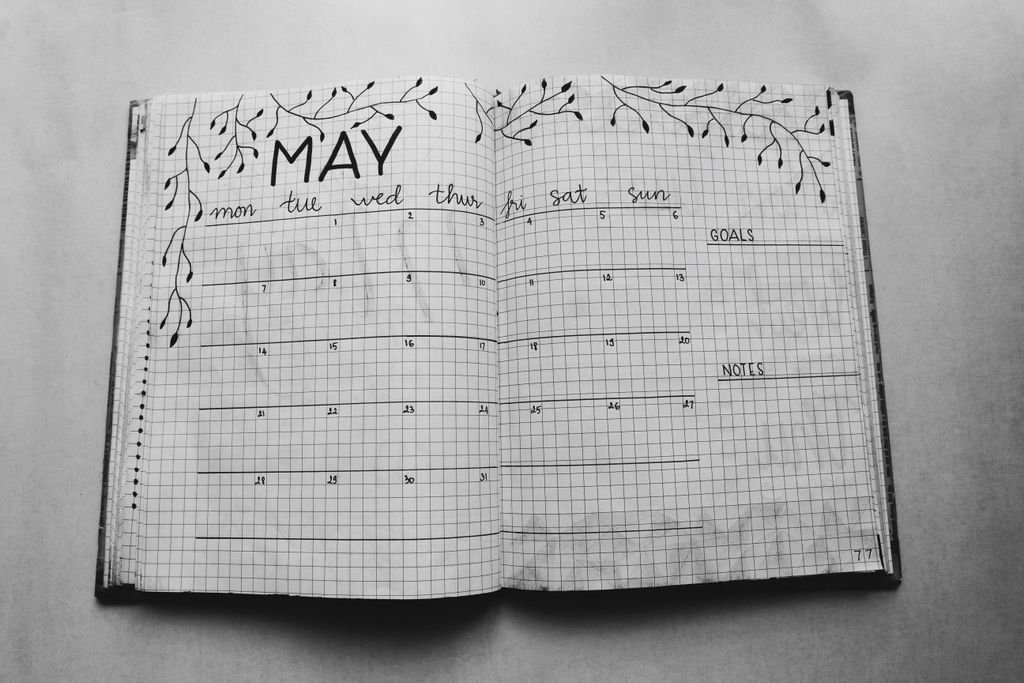
Use a notebook, a calendar, or a period-tracking app — whatever you will actually keep up. After two or three months, look for the pattern: do severe symptoms appear in the same part of the cycle, and do they lift clearly after your period starts? That pattern is what a doctor will want to see. Bring the record to your appointment. It turns a vague “I feel bad before my period” into clear evidence that helps with diagnosis.
Tracking also helps rule out other causes. If low mood and anxiety are present all month, not just before a period, the cause may be different — for example, depression or anxiety that is not linked to the cycle. That also needs care, but the treatment is different. A clear record helps a doctor tell the difference.
What Helps With PMS
For PMS, lifestyle steps often make a real difference:
- Sleep: Keep a regular sleep and wake time, and protect sleep in the premenstrual week. Poor sleep makes irritability and cravings worse.
- Movement: Walking, yoga, stretching, or any movement you enjoy can ease bloating, lift mood, and help sleep. Gentle movement is often better than pushing through an intense workout when you feel low.
- Regular meals: Eat regular meals with protein, fibre, and whole grains. Skipping meals and then craving sugar is a common premenstrual pattern, and steady meals help break it.
- Magnesium-rich foods: Leafy greens, dal, nuts, seeds, and whole grains provide magnesium, which supports muscle and mood. Food is the best source — do not start a magnesium supplement without medical advice.
- Less alcohol and caffeine in the premenstrual week: Both can worsen sleep, anxiety, and breast tenderness for some women.
- Stress and rest: Plan lighter days in the premenstrual week where you can, and say no to extra demands. Rest is not laziness when your body is struggling.
These steps help PMS, and they also help PMDD — but for PMDD, they are usually not enough on their own.
What Helps With PMDD
PMDD is a medical condition, and it usually needs medical treatment alongside lifestyle steps. That does not mean lifestyle does not matter — sleep, movement, and regular meals still help — but they are the foundation, not the whole treatment.
A doctor may discuss several options, depending on your health, medical history, and whether you are trying to conceive. These can include medicines that help stabilise mood, hormonal treatments that reduce the hormonal fluctuations of the cycle, and support such as counselling or therapy. The right option varies from person to person, and it may take time to find what works for you. That is normal, and it is worth persisting.
What matters most is that you do not try to treat PMDD alone with supplements, herbal products, or advice from social media. Some products marketed for “hormone balance” have little evidence and can interact with medicines. A doctor can weigh the options for your situation and monitor how you respond. If one treatment does not help, say so — there are other options, and you deserve a treatment that works.
Support also matters. Tell a partner, family member, or close friend what PMDD is and when your difficult days usually fall. That understanding can reduce conflict and make it easier to ask for help on hard days. If your workplace allows it, a conversation about flexible hours during the premenstrual week can also help.

When to See a Doctor
See a doctor if:
- Mood symptoms before your period regularly disrupt work, study, relationships, or daily life
- You feel severely low, anxious, or out of control in the premenstrual days
- You have thoughts of self-harm, or feel unsafe at any point in your cycle
- Symptoms do not improve after two to three months of lifestyle steps and tracking
- You are unsure whether your symptoms are PMS, PMDD, or something else
Bring your symptom record to the appointment. Describe the impact, not just the symptoms — “I could not go to work for three days” tells a doctor more than “I felt low”. If a doctor dismisses your symptoms, or tells you it is “just PMS” without looking at your record, consider seeking a second opinion. PMDD is a recognised medical condition, and you are entitled to care for it.
Frequently Asked Questions
Is PMDD just bad PMS?
No. PMDD is a medical condition in which premenstrual mood symptoms are severe enough to disrupt daily life. PMS is common and usually manageable. The difference is severity and impact, not just how bad a single day feels.
How is PMDD diagnosed?
There is no single blood test for PMDD. Diagnosis is usually based on a symptom record kept daily for two to three months, showing that severe symptoms appear before a period and improve after it starts, along with a doctor’s assessment.
Can lifestyle changes cure PMDD?
Lifestyle steps — sleep, movement, regular meals, and magnesium-rich foods — help and are an important foundation. For most women with PMDD, they are not enough on their own, and medical treatment is also needed. That is not a failure; it is how PMDD works.
The Bottom Line
In the question of PMDD vs PMS, timing is similar but severity is the dividing line. PMS is uncomfortable but manageable. PMDD is severe, disrupts daily life, and is a medical condition — not “bad PMS”, not an exaggeration, and not something to endure in silence. Track your cycle for two to three months, bring that record to a doctor, and ask for the help you deserve. With the right support and treatment, the premenstrual weeks can become far more manageable.
Disclaimer: This article is general information only and is not medical advice. It does not replace advice from a qualified doctor. See a doctor for diagnosis or before starting a supplement or treatment, especially if premenstrual symptoms disrupt your daily life or you have thoughts of harming yourself — seek help immediately if you feel unsafe.