
Amla, the Indian gooseberry, is one of the most practical superfoods in an Indian kitchen — and it is also one of the cheapest. In winter, when amla is in season, a kilo costs roughly ₹40 to ₹80 in most markets, and a single fruit carries more vitamin C than several oranges. The amla benefits described in Ayurveda are broad: it is called a rasayana, a rejuvenating fruit, and it is a key ingredient in chyawanprash, the traditional winter tonic many Indian families still keep at home. It is also one of the few traditional remedies that modern nutrition supports in a straightforward way — amla is genuinely rich in vitamin C and antioxidants, and it is easy to eat in many forms.
This article explains what amla offers for immunity, hair, skin, and digestion, the practical ways to eat it — fresh, as juice, as murabba, or as powder — and the cautions to keep in mind, especially for acidity and for people taking blood-sugar medicines.
What Makes Amla Special?
Amla is unusually rich in vitamin C. A single medium amla (about 30–40 grams) can provide a large part of an adult’s daily vitamin C needs, and it also contains polyphenols — plant compounds with antioxidant activity — along with some fibre, potassium, and small amounts of other vitamins and minerals. Unlike many vitamin C-rich foods, amla’s vitamin C is relatively stable during cooking and drying, which is why amla powder and murabba still retain much of its value. That stability is one reason amla has been so useful in Indian food traditions, where it is eaten fresh, pickled, dried, and cooked.
Vitamin C matters because it supports the normal function of the immune system, helps the body absorb iron from plant foods, and is needed to make collagen, the protein that gives skin its structure. Antioxidants help protect cells from the damage caused by everyday stress, pollution, and normal metabolism. None of this makes amla a cure for illness, but it does make it a genuinely nutritious fruit — one that earns its reputation without needing exaggerated claims.
Amla is also low in calories and high in fibre for its size, and it has a distinctive taste: sour, astringent, and slightly bitter, with a sweet aftertaste. That taste is part of its charm in Indian cooking, where it is balanced with salt, jaggery, and spices.
Amla Benefits for Immunity
Immunity is the benefit most people associate with amla, and it is the one with the clearest nutritional basis. Vitamin C supports the immune system’s normal working, and a diet that regularly includes vitamin C-rich foods — amla, guava, citrus fruits, capsicum — is a sensible way to support it. Eating one amla a day in winter, or drinking a small glass of fresh amla juice, is a simple, affordable way to add a large amount of vitamin C to your day.
Keep expectations honest, though. Amla does not “boost immunity” overnight, and it does not prevent colds, flu, or other infections on its own. No single food does. Immunity depends on sleep, balanced food, movement, stress, and vaccination, built up over months. What amla can do is make sure vitamin C is not the weak link in that picture — a useful, modest role, and an honest one.
In practice, the winter habit works well: eat amla when it is in season, from roughly November to February, when it is fresh, cheap, and plentiful. A small daily amount is enough. There is no need for large doses or expensive amla supplements, and more is not better — very large amounts of vitamin C from supplements can cause stomach upset, and amla itself can worsen acidity if eaten in excess.
Amla Benefits for Hair
Amla is a classic ingredient in Indian hair care, and for good reason. Amla oil, amla powder mixed with henna, and amla juice are all traditional hair treatments, and amla is one of the ingredients in many commercial hair oils sold in India. The traditional belief is that amla strengthens hair, slows premature greying, and supports scalp health.
The evidence for these claims is mostly traditional and anecdotal, with limited modern research. What we do know is that vitamin C and iron absorption matter for hair health in general — iron deficiency is a common cause of hair fall in Indian women, and vitamin C helps the body absorb iron from foods like dal, spinach, and rajma. Eating amla with an iron-rich meal, for example a small piece of amla or a spoon of amla pickle with dal and rice, may help iron absorption in a practical, food-based way.
For external use, amla oil is simple to make at home: simmer dried amla pieces in coconut oil on a low flame until they darken, cool, strain, and store in a clean bottle. Massage a small amount into the scalp once or twice a week, leave it for an hour or overnight, and wash it out with a mild shampoo. Amla powder can also be mixed with water or curd to make a hair pack. These are gentle, traditional practices, and they are low-risk for most people — but do a patch test first, and do not expect them to reverse baldness, cure dandruff caused by a skin condition, or turn grey hair black. If hair fall is sudden, severe, or patchy, see a doctor or dermatologist, as it can be a sign of thyroid problems, iron deficiency, or another condition that needs proper treatment.

Amla Benefits for Skin
For skin, amla’s main contribution is again vitamin C, which the body needs to make collagen. Collagen keeps skin firm and supports wound healing, and vitamin C also has antioxidant effects that help protect skin from sun and pollution damage. Eating vitamin C-rich foods regularly is a sensible part of skin care, alongside sun protection, sleep, and hydration.
Amla is also used in face packs in home remedies — amla powder mixed with honey, curd, or rose water, applied for ten to fifteen minutes and washed off. These packs can leave skin feeling fresh, and they are generally gentle, but they are not a treatment for acne, pigmentation, or other skin conditions. Do a patch test on the inside of your wrist first, avoid applying amla to broken or irritated skin, and stop if you notice redness or itching. For persistent skin problems, a dermatologist is a better investment than any home pack.
The simplest skin advice remains the least glamorous: eat a balanced diet with enough vitamin C, drink enough water, protect your skin from strong sun with a hat or sunscreen, and get enough sleep. Amla can be part of that picture, not a replacement for it.
Amla Benefits for Digestion
In Ayurveda, amla is considered helpful for digestion — it is described as balancing all three doshas, and it is traditionally used for acidity, constipation, and general digestive comfort. Modern nutrition offers a simpler explanation: amla is a good source of fibre, it is mildly sour and stimulating to the appetite, and its vitamin C supports iron absorption from meals.
Some people find that a small amount of amla, or a spoon of amla juice diluted in water before a meal, helps them feel less heavy after eating. Others find that amla worsens acidity, especially on an empty stomach. Both experiences are common, and they underline an important point: amla is not right for everyone, and the amount and timing matter. If you have acidity, try amla after food rather than before, in a small amount, and see how you feel.
Amla is also a gentle source of fibre, which supports regular bowel movements as part of a fibre-rich diet. It is not a laxative, and it should not be used as one. If constipation is persistent, the more reliable fixes are water, fibre from dal, vegetables, and whole grains, and movement — with a doctor’s advice if the problem continues.
Practical Ways to Eat Amla
Amla is versatile, and the best form is the one you will actually eat regularly. Here are the main options:
- Fresh amla: The simplest and cheapest in season. Eat one fruit a day, cut into pieces with a little salt, or grated into a salad. The taste is sharp at first, but most people get used to it quickly. Fresh amla can also be added to chutney — grind it with green chillies, coriander, and salt for a tangy, vitamin C-rich chutney.
- Amla juice: Blend fresh amla with a little water, strain, and drink a small glass (about 30–50 ml) diluted with water. Drink it fresh, as bottled amla juice often contains added sugar and preservatives. If the taste is too sharp, add a little honey or mix it with carrot or mosambi juice.
- Amla murabba: Amla preserved in sugar syrup, a traditional winter sweet. It keeps well and is pleasant to eat, but it is high in sugar, so a small piece — one or two amlas — is enough, especially if you have diabetes or are watching your weight.
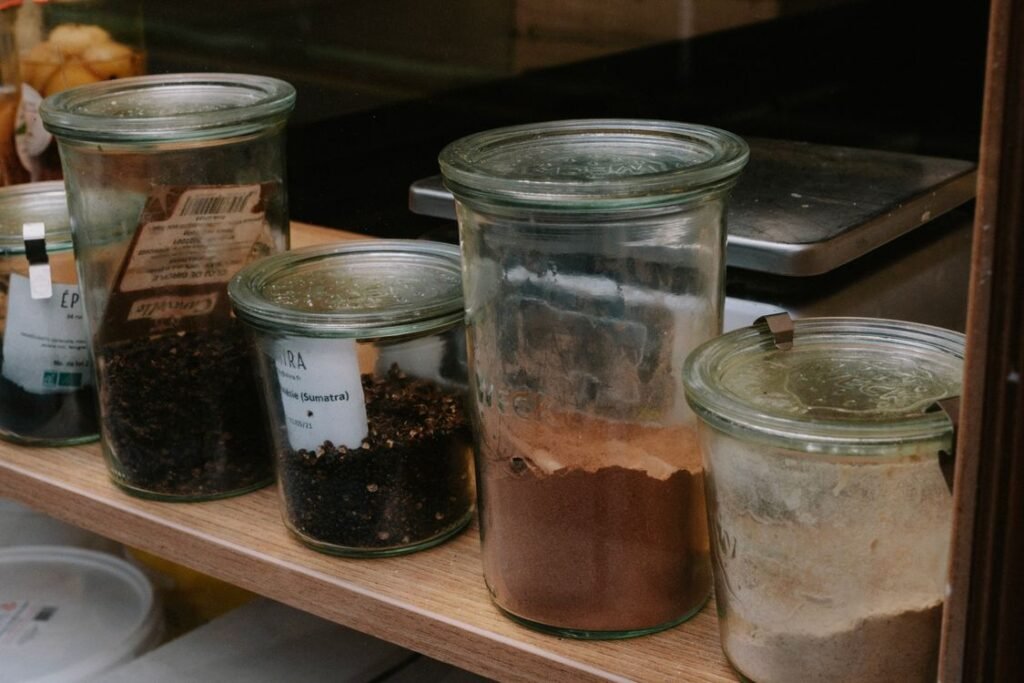
- Amla powder (churna): Dried amla ground into powder. A teaspoon mixed with warm water or honey is a convenient option outside the fresh season. It is also the form used in hair packs. Buy it from a reputable brand, and check that it is pure amla powder without added fillers.
- Amla pickle and candy: Amla pickle is a good way to preserve the fruit, but it is salty, so eat it in small amounts. Amla candy, sold in many shops, is often coated in sugar and is more of a sweet than a health food.
- Chyawanprash: The traditional Ayurvedic tonic made with amla as the main ingredient. A teaspoon a day in winter is a common family habit, but it contains sugar and jaggery, so people with diabetes should check with a doctor before using it regularly.
A practical winter routine is simple: buy fresh amla weekly in season, eat one fruit a day or drink a small glass of fresh juice, and keep a jar of amla powder for the months when fresh amla is not available. That is enough — there is no need for expensive supplements.
Cautions: Acidity and Blood-Sugar Medicines
Amla is a food, and for most people it is safe in food amounts. But a few cautions are worth knowing:
- Acidity and reflux: Amla is sour and acidic, and it can worsen heartburn, acidity, or gastritis in some people, especially on an empty stomach or in large amounts. If you have acidity, eat amla after food, in small amounts, and stop if it worsens your symptoms.
- Blood-sugar medicines: Amla may have a mild blood-sugar-lowering effect, and some studies suggest it may help blood sugar control. That sounds positive, but it means people taking diabetes medicines should be careful: amla in large amounts, or amla supplements, could add to the effect of their medicine. If you take blood-sugar medicines, eat amla in normal food amounts, monitor your blood sugar as usual, and ask your doctor before taking amla supplements or large daily doses of juice.
- Blood thinners: Amla may have mild blood-thinning effects, so people taking blood-thinning medicines should mention regular amla use to their doctor.
- Surgery: As with many herbs, it is sensible to avoid large amounts of amla supplements for a week or two before planned surgery, unless your doctor advises otherwise.
- Children and pregnancy: Amla as a food is generally considered safe in pregnancy and for children, in normal amounts. Amla supplements in high doses are a different matter — ask a doctor first.
If you take any regular medicine, a quick check with your doctor before starting a daily amla juice or supplement habit is sensible, not alarmist.
Frequently Asked Questions
How much amla should I eat a day?
One fresh amla a day, or a small glass (30–50 ml) of fresh amla juice diluted with water, is a reasonable daily amount for most healthy adults. More is not better, and large amounts are more likely to cause acidity or stomach upset.
Is amla powder as good as fresh amla?
Fresh amla is best in season, but good-quality amla powder is a useful alternative outside the season, as amla’s vitamin C is relatively stable when dried. Choose pure amla powder from a reputable brand, and use about a teaspoon a day.
Can amla reverse grey hair?
No. Amla is a traditional hair-care ingredient and may support general hair health through vitamin C and iron absorption, but there is no reliable evidence that it reverses greying or baldness. If hair fall is sudden or severe, see a doctor.
The Bottom Line
Amla is one of the best-value foods in an Indian kitchen: cheap in season, rich in vitamin C, and easy to eat in many forms. It supports immunity, hair, skin, and digestion in the modest, practical way that a nutritious food should — by supplying vitamin C, fibre, and antioxidants as part of a balanced diet. It is not a cure for any disease, and it is not right for everyone in large amounts, especially if you have acidity or take blood-sugar medicines. Eat it fresh in winter, use powder or murabba when fresh fruit is not available, and enjoy it as part of a varied Indian diet rather than as a miracle food.
Disclaimer: This article is general information only and is not medical advice. It does not diagnose or treat any condition. See a doctor for diagnosis, or before starting a supplement or treatment, especially if you take blood-sugar or blood-thinning medicines or have acidity that does not settle.