

If your skin looks dull by the afternoon, your old acne marks refuse to fade, or your face just looks tired even after a full night’s sleep, you have probably been told to try vitamin C. The vitamin C serum for Indian skin benefits are real, but this ingredient is also one of the easiest to use wrong. Buy the wrong type, store it badly, or skip sunscreen, and you may see nothing at all — or worse, irritation.
Vitamin C is an antioxidant. That means it helps protect your skin from damage caused by sunlight and pollution, two things Indian skin deals with every single day. It also helps your skin make collagen, the protein that keeps it firm, and it slows down extra pigment production. Used well, it can make skin look brighter and more even over a few weeks. Used badly, it oxidises in the bottle and turns into an expensive orange liquid that does very little.
This guide keeps it simple: what it does, how to pick one that suits Indian weather, how to use it without irritating your skin, and the mistakes that waste your money.
What Is Vitamin C Serum?
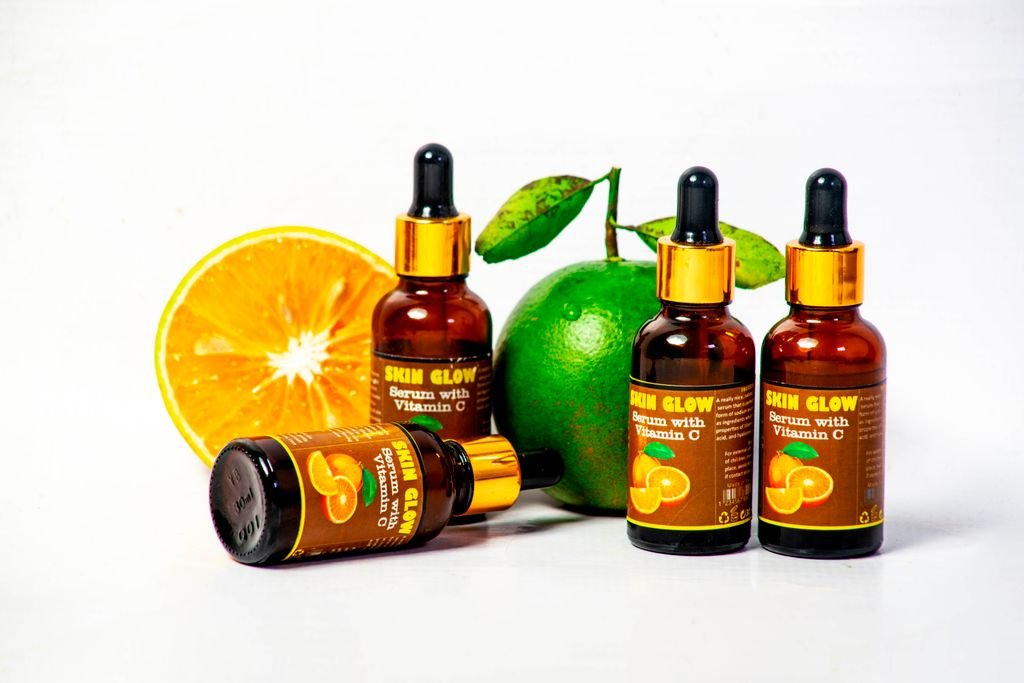
Vitamin C in skincare usually appears as L-ascorbic acid, the pure form, or as a derivative like ethyl ascorbic acid, ascorbyl glucoside, or sodium ascorbyl phosphate. Pure L-ascorbic acid is the most studied and often the most effective, but it is also the most unstable. It breaks down when exposed to light, heat, and air. That is why a good vitamin C serum comes in a dark or opaque bottle, and why it can turn yellow or brown over time.
A typical serum contains 10% to 20% vitamin C. For Indian skin, 10% to 15% is a good starting point. Higher is not always better — 20% can irritate sensitive skin without giving much extra benefit.
Vitamin C Serum for Indian Skin Benefits
Brighter, less dull skin with vitamin C serum for Indian skin benefits
This is the benefit most people notice first. Pollution, sun, and lack of sleep can leave skin looking grey and flat. Vitamin C helps skin reflect light more evenly, so it looks fresher. Most people notice a subtle glow after three to four weeks of regular use.
Fading dark spots and acne marks
India’s strong sun means pigmentation is a common concern. Vitamin C slows down melanin production, the pigment that creates dark spots. It works slowly — expect visible fading in six to eight weeks — but it is one of the better-studied ingredients for this. It works best on newer marks. Niacinamide tackles marks differently, and our guide Niacinamide Serum for Beginners in India: Benefits, How to Use & Best Picks explains how the two work together. For stubborn pigmentation, Kojic Acid for Pigmentation: Benefits, Side Effects & How to Use is another option worth reading about.
Help with sun damage
Vitamin C does not replace sunscreen. Nothing does. But it adds a second layer of defence. If you already have a tan to deal with, see How to Remove Tan from Face Naturally: 10 Home Remedies That Work for gentle ways to fade it while vitamin C works on the marks underneath. When used under sunscreen in the morning, it helps neutralise some of the free-radical damage that sunlight causes even through SPF. Think of sunscreen as the shield and vitamin C as the backup.
How to Use Vitamin C Serum for Indian Skin Benefits
When to use it
Morning is the best time for most people. Vitamin C works alongside sunscreen to protect your skin through the day. If your skin is sensitive, you can use it at night instead. Either way, pick one time and stick to it — using it twice a day rarely adds much and can irritate skin.
A simple morning routine
- Wash your face with a gentle cleanser and pat dry.
- Take 3 to 4 drops of vitamin C serum. Pat it over your face and neck. Do not rub hard.
- Wait one to two minutes so it absorbs.
- Apply moisturiser.
- Apply sunscreen, SPF 30 or higher. This step matters more than the serum itself.
How to start without irritation
Start with a lower strength, around 10%, or a derivative formula if your skin is sensitive. Use it three or four times a week for the first two weeks. If your skin feels fine — no lasting redness, burning, or breakouts — move to daily use.
Choosing the Right Vitamin C Serum in India
Indian weather is hard on vitamin C. Heat and humidity speed up oxidation, so how a serum is packed and stored matters as much as what is inside it.
Look for:
- A dark amber or opaque bottle, not clear glass.
- A concentration between 10% and 15% for beginners.
- Added vitamin E and ferulic acid — this combination is well studied and helps vitamin C stay stable and work better.
- A fresh, pale colour. If the serum arrives dark orange or brown, it has already oxidised. Send it back.
| Serum type | Best for | Notes |
|---|---|---|
| L-ascorbic acid 10–15% | Normal to oily skin, people who want faster results | Most effective, but can sting and oxidises faster |
| Ethyl ascorbic acid | Sensitive skin, beginners | Stable, gentle, works well in heat |
| Ascorbyl glucoside | Very sensitive skin | Mildest option, slowest results |
| Sodium ascorbyl phosphate | Acne-prone skin | Gentle and less irritating |
Mistakes to Avoid With Vitamin C Serum for Indian Skin Benefits
Skipping sunscreen. This is the biggest waste of money in skincare. Vitamin C fades marks, but the Indian sun creates new pigment every day. Without sunscreen, you are filling a bucket with a hole in it. SPF 30 or higher, every morning, no exceptions.
Using an oxidised serum. If your serum has turned dark orange or brown and smells odd, it has lost most of its power. Oxidised vitamin C can also irritate skin. Throw it out and buy a fresh bottle. To slow this down, close the cap tightly, keep it away from heat, and some people even keep it in the fridge during peak summer.
Mixing it with the wrong products on the same night. Vitamin C is acidic, so layering it straight over a strong AHA or BHA peel, or with retinol on the same night, can sting. If you use retinol, keep vitamin C for the morning and retinol for the night. That split works well for most people.
Using too much. Three or four drops cover the face and neck. Pouring half a dropper on your face does not speed up results. It just wastes product and raises the chance of irritation.
How Long Before You See Results? With Vitamin C Serum for Indian Skin Benefits
Be honest with yourself about time. Most people notice a bit more brightness in three to four weeks. Dark spots usually take six to eight weeks to look visibly lighter. Collagen-related firmness takes two to three months.
Take a photo in the same light, same time of day, once a week. Your eyes adjust to slow change and you may miss it otherwise. If you see no change at all after eight weeks of daily use, the formula may be oxidised, too weak, or simply not the right fit for your skin. Try a different brand or a slightly higher strength before giving up on the ingredient.

FAQs
What are the vitamin C serum for Indian skin benefits?
The main vitamin C serum for Indian skin benefits are brighter skin, fading of dark spots and acne marks, extra protection against sun and pollution damage when used under sunscreen, and support for collagen, which helps skin stay firm over time.
Can I use vitamin C serum daily in Indian summers?
Yes, most people can use it daily in summer. Pick a stable formula, store it away from heat, and always follow it with sunscreen. If your skin feels irritated in peak heat, switch to a gentler derivative or use it every other day.
Can I use vitamin C serum with niacinamide?
Yes. You can use vitamin C in the morning and niacinamide at night, or use a product that combines both. If you layer them together and your skin feels irritated, split them into morning and night instead.
Does vitamin C serum remove tan?
It can help fade the uneven tone and dullness that come with tanning, but it does not remove a tan on its own. Sunscreen, time, and gentle exfoliation do most of that work. Vitamin C supports the process.
The Bottom Line
Vitamin C is worth trying if dullness, dark spots, or uneven tone bother you — but only if you buy a fresh, well-packed formula and wear sunscreen every day. Start at 10% to 15%, use three or four drops in the morning, and give it six to eight weeks. The glow people talk about is real, but it comes from steady use, not from a single expensive bottle.
This article is for general information only and is not medical advice. Please consult a doctor for personal advice.