
If your heels turn rough, hard and cracked every winter, you are not alone. Cracked heels home remedies are one of the most searched winter skin fixes in India — and for good reason. We walk barefoot at home, wear chappals outside, and stand on cold floors for hours. By December, the skin on the heels thickens, dries out, and splits into painful cracks that sting with every step. The good news is that cracked heels heal well with a simple nightly routine and a few kitchen ingredients. This guide covers why heels crack, the nightly routine, 10 cracked heels home remedies, what not to do, and the diabetes warning signs.
Why Do Heels Crack in Winter?
Heel skin is thicker than anywhere else on your body, and it has almost no oil glands of its own. That means it cannot moisturise itself. In winter, cold air and low humidity dry it out further, and walking barefoot or in open chappals lets the dry air at it all day. The skin thickens to protect itself, then loses flexibility and splits — that is a crack. Standing for long hours, extra body weight, and hard floors make it worse. So does hot water: washing feet in very hot water strips what little oil the skin has. That is why cracked heels home remedies focus on putting moisture back, not on scrubbing harder.
The Nightly Routine That Heals Cracked Heels
Cracked heels home remedies work far better when they sit on a simple nightly routine. Do these four steps every night for two weeks, and most mild cracks start closing.
- Soak. Put your feet in a basin of lukewarm water with a spoon of salt or a little shampoo for 10 minutes. The soak softens the thick, hard skin so the next steps can work.
- Scrub gently. Use a pumice stone or a foot file on the softened heels, with light pressure. Take off only the loose, dead skin. Stop if it hurts or the skin turns pink — scrubbing too hard creates fresh cracks.
- Moisturise thick. Apply a thick layer of cream, oil or Vaseline to the heels while they are still damp. This is the step that does the real healing, so do not skip it or use a thin lotion.
- Wear socks. Put on a pair of clean cotton socks right after moisturising and sleep in them. The socks keep the cream on the skin all night instead of rubbing off on the bedsheet.
10 Cracked Heels Home Remedies
- Glycerin and rose water. Mix equal parts glycerin and rose water and massage it into your heels at night. Glycerin pulls moisture into the skin, and rose water soothes. Apply after the nightly soak and wear socks over it.
- Coconut oil massage. Warm a spoon of coconut oil and massage it into the heels for two or three minutes. It softens hard skin and suits most people. For deep cracks, apply a thick layer at night, cover with socks, and wash off in the morning.
- Mustard oil. In many North Indian homes, sarson ka tel is the winter foot oil. Warm it slightly and massage it into the heels and soles before bed. It is thicker than coconut oil and stays on longer, which helps very dry, rough heels.
- Banana pack. Mash a ripe banana into a smooth paste, apply it thickly to the heels, and leave it for 20 minutes before rinsing. Banana softens rough skin gently and rarely irritates. Use overripe bananas — the softer, the better.
- Papaya pack. Mash a piece of ripe papaya and apply it to cracked heels for 15 minutes. Papaya contains an enzyme that loosens dead skin, so it works like a very gentle scrub. Rinse with lukewarm water and moisturise right after. If you want to know how aloe can help the same dry skin, read our guide on aloe vera benefits for skin and hair.
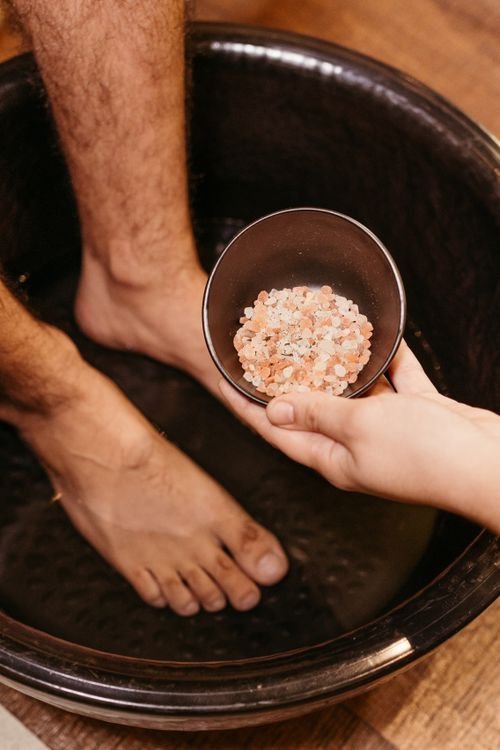
- Milk and honey soak. Soak your feet in warm milk with a spoon of honey for 10 minutes. The soak softens thick skin, and honey draws moisture in. This is a good option when the cracks sting and you want something soothing rather than a scrub.
- Neem and tulsi paste. Grind a few neem leaves with tulsi leaves and a little water into a paste, apply it to the heels, and wash off after 15 minutes. Neem helps keep small cracks clean. Use this two or three times a week if the cracks are deep.
- Aloe vera gel. Apply fresh aloe vera gel to the heels after your nightly soak. Aloe cools the stinging and keeps the skin moist. It is light, so follow it with oil or Vaseline to seal it in. This suits people who find oils too greasy.
- Desi ghee. A small amount of warm ghee, massaged into the heels at night, works as a rich moisturiser for very rough feet. It is an old winter remedy in Indian homes. Use it under socks so it stays on the skin all night.
- Vaseline and socks. The simplest fix of all: after your nightly soak, spread a thick layer of Vaseline on the heels and wear cotton socks to bed. Vaseline does not add moisture, but it stops water escaping, so the skin heals from the inside. For deep cracks, this is often the most reliable of the cracked heels home remedies.
What NOT to Do With Cracked Heels
Never cut the hard skin with a blade or a sharp knife — it is easy to cut too deep, and the cut can get infected. Avoid harsh scrubbing on dry skin; always soak first, and always stop if it hurts. Do not walk barefoot on rough or cold floors while the cracks are healing — wear soft slippers at home. And do not skip the socks at night; without them, the cream rubs off and the routine loses half its effect. Skip social-media “hacks” like toothpaste, lemon juice and vinegar on cracked heels — they sting and dry the skin further. Stick to oil, glycerin and plain moisturising — the cracked heels home remedies that work.
Cracked Heels and Diabetes: Why Extra Care Matters
If you have diabetes, cracked heels need more attention. High blood sugar can damage the nerves in the feet, so you may not feel a small cut or crack getting worse. Poor blood flow also means cracks heal slowly and infections take hold more easily. That is why doctors ask people with diabetes to check their feet every day.
Do the nightly routine gently: soak in lukewarm water (test the temperature with your hand first, since you may not feel heat well in your feet), moisturise, and wear socks. Never use a blade, and never ignore a crack that is red, swollen, bleeding, or not healing after two weeks. See your doctor early — foot problems are much easier to treat when caught fast.
If your skin often feels damaged and products sting, our article on skin barrier repair explains what is going on. For more on dry, cracked heels, the American Academy of Dermatology has a clear guide: https://www.aad.org/public/everyday-care/skin-care-basics/dry/dry-heels

Frequently Asked Questions
How long do cracked heels take to heal?
With the nightly routine — soak, gentle scrub, thick moisturiser, socks — mild cracks feel better in a week and look much better in two to three weeks. Deep cracks take longer, sometimes a month. If nothing changes after three weeks of steady care, see a doctor.
Which is the best home remedy for cracked heels?
Of all cracked heels home remedies, glycerin and rose water every night is the most reliable for most people. For very deep cracks, Vaseline plus socks at night works best, because it stops moisture escaping while you sleep.
Can I wear chappals if my heels are cracked?
Open chappals make cracks worse because the heel hangs over the edge and dries out. While healing, wear closed, soft footwear with a cushioned heel, and slippers at home. Once the cracks close, you can go back to chappals — but keep moisturising daily.
Are cracked heels a sign of a vitamin deficiency?
Usually they are just dry skin plus barefoot walking and cold weather. Rarely, persistent cracks with very dry skin elsewhere can point to low zinc or vitamin A, but do not guess — if your heels keep cracking despite good care, ask your doctor. For itchy, flaring skin that may be eczema rather than simple dryness, our eczema care at home guide covers triggers and moisturisers.
Cracked heels look stubborn, but they heal with patience and a nightly routine you actually do. Soak, scrub gently, moisturise thick, and wear socks — and give it two weeks before deciding these cracked heels home remedies do not work. And if the cracks are deep, painful, bleeding, or slow to heal — especially if you have diabetes — stop trying home fixes and get them checked.
Disclaimer: This article is for general information only and is not medical advice. Home remedies suit mild cracked heels. If cracks are deep, painful, bleeding, infected, or do not improve, or if you have diabetes, consult a doctor for personal advice.