

In many Indian homes, the day starts the same way: a small bowl of kishmish soaked overnight, eaten first thing in the morning. But what do soaked raisins benefits really look like once you separate tradition from tall claims? They are genuinely useful, but not magic: a little iron, some fibre, quick energy and a few minerals.
What Happens When You Soak Raisins?
A raisin is a dried grape — most of the water is gone, and the sugars and minerals are packed tight. Soaking does two simple things: the raisin drinks the water back and turns soft and plump, so it is easier to chew and digest, and some water-soluble nutrients move into the water — which is why people drink the kishmish water too. In short, soaking makes a useful food gentler on the stomach. That gentleness is part of the soaked raisins benefits.
7 Soaked Raisins Benefits
Here are the benefits that hold up, with the limits stated plainly. These soaked raisins benefits are the ones worth knowing.
1. A Small, Steady Source of Iron
Raisins contain iron — about 1.9 mg per 100 grams. Plant iron is absorbed less easily than meat iron, and 8-12 soaked raisins give you only about 0.3-0.5 mg a day. Add a few drops of lemon to the kishmish water to help absorption, and if your haemoglobin is low, get tested — food alone rarely fixes it. Read our guide on how to increase haemoglobin fast with vegetarian Indian foods.
2. Helps Digestion and Relieves Constipation
This is where soaked raisins genuinely shine. They carry fibre (about 3.7 grams per 100 grams) and a natural sugar alcohol called sorbitol, both of which help the gut move, and the soaking water adds fluid that fibre needs to work. Eaten in the morning, they can help sluggish digestion or mild constipation — gently, over a few days of regular eating, not instantly. Severe constipation lasting over two weeks needs a doctor. Our constipation home remedies guide covers other Indian foods that help alongside them.
3. Quick, Natural Energy
Raisins are mostly natural sugars — glucose and fructose — which the body turns into energy fast. A small handful works well as a pre-workout snack or a mid-morning pick-me-up, especially for children going to school. The sugar is the same reason portions matter. As an energy food, soaked raisins beat a biscuit or a chocolate bar because they come with fibre, potassium and iron instead of just empty calories.
4. Supports Skin Health
Raisins contain polyphenols — plant compounds that act as antioxidants — plus small amounts of vitamin C. But let’s be clear: eating raisins will not erase pimples, pigmentation or wrinkles. Skin depends on sleep, sun protection, water and overall diet — soaked raisins are one small piece of that picture.
5. Good for Bones
Raisins contain boron, a trace mineral that helps the body use calcium and magnesium, plus small amounts of calcium itself (about 50 mg per 100 grams). The amount in a daily portion is small, though. Soaked raisins support bone health as part of a diet that also includes dairy or ragi, sesame seeds and green vegetables — they don’t replace any of those.
6. Potassium for Blood Pressure
Raisins are rich in potassium — about 749 mg per 100 grams — and potassium helps balance sodium in the body, which matters for blood pressure. A small study linked regular raisin eating to a modest drop in readings, though the effect was small. Soaked raisins can be a useful part of a BP-friendly diet, alongside less salt, regular walking and the medicines your doctor has prescribed.
7. Fights Tiredness and Low Energy
Low iron, poor sleep and low-calorie diets are the common reasons Indian women feel tired, and soaked raisins touch the first of these in a small way. The mix of iron, natural sugars and B vitamins makes them a reasonable morning food when you wake up feeling flat. Women who often feel low on iron should also read our article on iron deficiency in Indian women: symptoms, foods and when supplements are needed.
How to Make Kishmish Water
Take 8-12 raisins (black or golden), rinse them once in clean water, and put them in a small glass or steel bowl with about half a glass of drinking water. Cover and leave overnight for 6-8 hours. In the morning, drink the water first, then eat the soft raisins. Don’t boil the raisins, and don’t add sugar or honey. Wash the bowl daily and use fresh raisins each night.
How Many Soaked Raisins to Eat in a Day?
For most healthy adults, 8-12 soaked raisins a day (about 15-20 grams, a small handful) is a sensible starting point. That gives you the fibre and minerals without loading up on sugar — 12 raisins carry roughly 7-8 grams of natural sugar and about 35 calories. Children can have 5-8. There is no benefit in eating 30-40 a day; past a point you are just eating sugar.
Black vs Golden Raisins: Which Is Better to Soak?
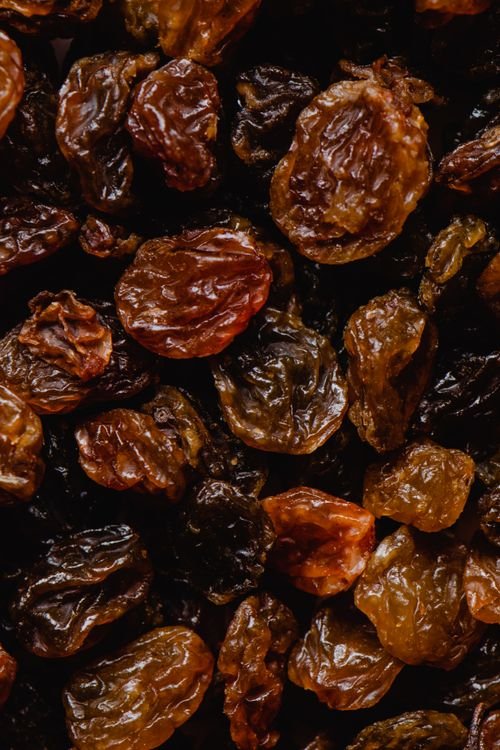
Both work, and the difference is small. Black raisins (kala kishmish) are dried without sulphur, so they keep a slightly higher level of antioxidants and a little more iron. Golden raisins are treated with sulphur dioxide to keep their light colour — safe for most people, but some people with asthma or sulphur sensitivity react to it.
Who Should Be Careful With Soaked Raisins?
Soaked raisins are safe for most people, but two groups should take note. People with diabetes: raisins are high in natural sugar, and soaking doesn’t remove it, so keep to 8-10 within your daily carb budget and ask your doctor how they fit your sugar plan. Your teeth: raisins are sticky and sweet, so they cling to teeth — rinse your mouth after eating them.
Best Time to Eat Soaked Raisins
The traditional time is early morning on an empty stomach, along with the soaking water — and that works well, because the fibre and sugars are gentle after a night’s fast. The best time is simply the time you will do it every day — a habit you keep beats a perfect time you forget.

Frequently Asked Questions on Soaked Raisins Benefits
Are soaked raisins better than dry raisins?
Slightly — soaking makes them softer, easier to digest, and gives you the kishmish water too.
Can soaked raisins cure anaemia?
No. Soaked raisins benefits include a small amount of iron, but anaemia needs proper testing and treatment — food alone rarely fixes low haemoglobin. For the science behind iron needs, the U.S. National Institutes of Health explains how much iron adults need and which foods provide it: https://ods.od.nih.gov/factsheets/Iron-Consumer/
Can diabetics eat soaked raisins?
In small portions, usually yes — but only within their daily sugar budget and ideally after checking with their doctor. Soaking does not reduce the sugar content, so the portion still counts.
How many soaked raisins should I eat daily?
8-12 a day is a good starting point for most adults — about a small handful. Children can have 5-8. More than that adds sugar without adding much benefit.
Is kishmish water good for the liver?
No — there is no good evidence kishmish water “detoxes” the liver; the liver cleans itself.
The Bottom Line on Soaked Raisins Benefits
Soaked raisins are a simple, cheap Indian habit worth keeping: a little iron, some fibre, quick energy and a few useful minerals in a spoonful of food that costs almost nothing. Eat 8-12 a day and keep your expectations honest. That is the heart of soaked raisins benefits.
Disclaimer: This article is for general information only and is not medical advice. Soaked raisins are a food, not a treatment. If you have diabetes, anaemia, kidney disease, or any ongoing health condition, please consult your doctor before changing your diet.